DbcultAccessing Vault...
7/10
Senior Film Conservator
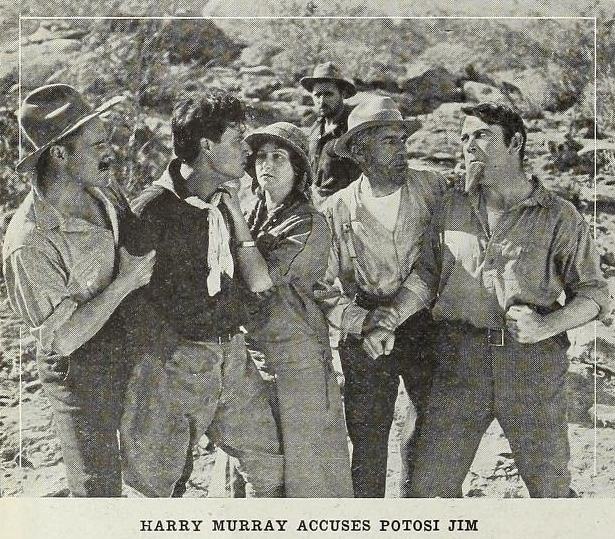
A definitive 7/10 rating for a film that redefined the boundaries of cult cinema. The Lone Star Rush remains a cornerstone of transgressive art.
"The Lone Star Rush" unfurls a narrative tapestry woven with threads of audacious ambition, the glittering promise of untold wealth, and the stark realities of a rugged frontier. This cinematic artifact, emerging from an era when silent films spoke volumes through gesture and expression, plunges its audience into the heart of Australia's untamed goldfields. It is a compelling exploration of human avarice and resilience, framed by the raw, unyielding beauty of a continent still largely a mystery to the wider world. The film masterfully captures the feverish excitement and perilous desperation inherent in the pursuit of fortune, a universal theme that resonates across generations.
At its core lies the intriguing premise of a determined city girl, portrayed with captivating defiance by Mae Gaston, who dares to transgress the rigid gender roles of her time. Her audacious decision to infiltrate the all-male domain of hardened Australian gold miners, not merely as an observer but as an active participant in their dangerous quest for hidden treasure, forms the dramatic crucible of the narrative. This central conflict immediately elevates the film beyond a simple adventure tale, imbuing it with a potent undercurrent of social commentary and the burgeoning spirit of female emancipation. Gaston's character is not merely a damsel in distress or a romantic interest; she is an agent of change, a catalyst who disrupts the established order and forces those around her to confront their prejudices and assumptions. Her journey is one of self-discovery as much as it is a literal hunt for gold, charting her transformation from an urban sophisticate to a hardened prospector, capable of navigating both the physical perils of the wilderness and the psychological challenges posed by her companions.
Edmund Mitchell's screenplay, a testament to the storytelling prowess of the silent era, constructs a world where every glint of gold is shadowed by immense danger. The writer skillfully crafts a scenario where the treasure is not just in the earth, but in the evolving relationships and moral quandaries faced by the characters. The dialogue, though absent in sound, is eloquently conveyed through intertitles, which serve as poignant windows into the characters' thoughts and motivations. Mitchell understands that the true "rush" isn't solely about the gold, but the desperate human scramble for it, the sacrifices made, and the moral compromises entertained. This nuanced approach prevents the film from devolving into a simplistic treasure hunt, instead offering a rich psychological drama veiled in an adventurous exterior. The tension is palpable, not just from external threats like treacherous terrain or rival prospectors, but from the internal struggles of trust, betrayal, and loyalty among the small, isolated group.
Mae Gaston’s performance as the unnamed city girl is nothing short of revelatory for its time. She embodies a spirit of fierce independence, her expressive eyes conveying a blend of naiveté, shrewdness, and unyielding resolve. Her initial moments on screen suggest a character accustomed to comfort and refinement, a stark contrast to the rugged men she seeks to join. Yet, as the narrative progresses, Gaston subtly portrays her character’s adaptation, shedding layers of urbanity to embrace the harsh realities of the goldfields. Her interactions with the miners are charged with a fascinating dynamic: a delicate balance of skepticism, grudging respect, and eventual camaraderie. She is not merely tolerated; she earns her place through sheer force of will and a surprising aptitude for the unforgiving pursuit of mineral wealth. This portrayal stands as a quiet but powerful statement on the capabilities of women, challenging the societal confines prevalent during the film's production. It reminds one of the tenacious spirit seen in narratives like Rebecca the Jewess, where female protagonists navigate hostile environments with unwavering dignity.
The male ensemble, comprising Charles Arling, Robert Frazer, and Rupert Julian, provides a robust counterpoint to Gaston's singular presence. Each actor carves out a distinct personality for his character, contributing to the rich texture of the group dynamic. Arling, often cast in roles demanding gravitas, likely portrays a grizzled veteran, perhaps initially resistant to Gaston's inclusion but eventually swayed by her tenacity. Frazer, known for his nuanced performances, might embody a more conflicted figure, torn between the traditional views of women and the practical necessity of cooperation. Julian, whose career encompassed both acting and directing, probably brings a certain theatricality or intensity to his role, perhaps as a more volatile or ambitious prospector. Their collective performances are crucial in establishing the authentic atmosphere of the gold rush – a melting pot of diverse personalities united by a common, fervent desire. The interplay of their skepticism, protectiveness, and eventual acceptance of the city girl forms a compelling human drama against the backdrop of an arduous quest. This human element, the clash and eventual forging of bonds, echoes the intricate character studies found in films like The Typhoon, where interpersonal dynamics drive much of the suspense.
Visually, "The Lone Star Rush" must have been an arresting spectacle for audiences of its time. While specific details of its cinematography are elusive from this distance, one can infer the deliberate choices made to convey the vastness and danger of the Australian landscape. The use of wide shots to emphasize isolation, close-ups to capture the raw emotions of hope and despair, and dynamic framing to heighten moments of peril would have been paramount. The "rush" itself, a chaotic scramble for riches, would have been depicted with frantic energy, contrasting with the desolate stillness of the remote outback. The visual storytelling would have relied heavily on evocative imagery – the sweat on a miner's brow, the glint of a pickaxe, the dust swirling across the desolate plains, and the expectant gleam in the eyes of those searching for their fortune. Such powerful visual narratives are reminiscent of how films like The English Lake District, albeit a documentary, utilized landscape to evoke profound feeling, or how fictional narratives like The Boer War used setting to underscore conflict and hardship.
The film’s thematic depth extends beyond mere adventure. It delves into the very essence of aspiration and the human cost of pursuing dreams. The hidden treasure is not just gold; it symbolizes freedom, status, and a chance at a different life. For the miners, it might mean escaping poverty or building a legacy. For the city girl, it represents proving her worth, breaking free from societal expectations, and forging her own destiny. The dangers they face—not just physical, but moral—highlight the corrupting influence of greed and the fragility of human trust when immense wealth is at stake. This examination of human morality under duress gives the film a psychological edge, making the characters’ internal battles as compelling as their external struggles against nature and rivals. It’s a profound meditation on what truly constitutes "value," a question often explored in films like The Price, which dissect the worth of objects versus human dignity.
One cannot overlook the historical significance of a film like "The Lone Star Rush." Produced in an era of rapid social and technological change, it reflects both the enduring allure of frontier narratives and the nascent shifts in gender perceptions. The portrayal of a woman actively engaging in a perilous, traditionally male enterprise was, by itself, a progressive statement. It subtly challenged the prevailing notions of female fragility and domesticity, even if the primary narrative remained an adventure story. This pioneering spirit in storytelling mirrors the real-life pioneering spirit of the characters on screen. It is a document of its time, capturing anxieties, hopes, and societal norms, much like Lights of London captured the urban complexities of a different metropolis. The film serves as a valuable lens through which to view the early 20th century's cultural landscape, revealing how popular entertainment both reflected and subtly influenced public attitudes.
The narrative arc, undoubtedly orchestrated by Mitchell, would have meticulously built suspense. From the initial skepticism surrounding the city girl's proposal to the arduous journey, the near misses, the discovery, and the inevitable conflicts that arise once the treasure is within reach, every beat would have been designed to keep audiences on the edge of their seats. The challenges faced by the protagonists were not merely external. The psychological toll of isolation, the constant threat of failure, and the ever-present temptation of betrayal would have been woven into the fabric of the story. This multi-layered conflict ensures that the film is not just about the physical journey, but the internal one as well, a hallmark of compelling drama. The stakes are perpetually high, and the characters are continually tested, much like the protagonists in On Dangerous Paths, where every step carries profound implications.
The director’s (even if uncredited, the artistic vision is palpable) handling of pace and rhythm would have been crucial in maintaining the "rush" implied by the title. Moments of quiet contemplation, perhaps a shot of the vast, empty landscape, would have been juxtaposed with frenetic action sequences – a rockslide, a confrontation, or the frantic digging for gold. This dynamic pacing would have ensured that the audience remained fully immersed in the experience, feeling the ebb and flow of hope and despair alongside the characters. The visual language would have been paramount, communicating shifts in mood and impending danger without the aid of spoken dialogue. The careful selection of shots, the dramatic use of light and shadow, and the expressive physicality of the actors would have collectively created a powerful and immersive cinematic experience. Such meticulous attention to visual detail is what elevates silent films, allowing them to transcend the lack of sound and speak directly to the viewer's emotions.
Furthermore, the film's title, "The Lone Star Rush," itself conjures images of both individuality and collective madness. The "Lone Star" could refer to the city girl's singular courage, standing out amidst a constellation of rough-hewn men, or perhaps a metaphorical guiding light in the vast, dark wilderness. The "Rush" speaks to the collective fever, the unbridled excitement and chaos that accompanies any major discovery of wealth. This dual interpretation hints at the film's capacity to explore both personal journeys and broader societal phenomena. It’s a tale of individual heroism, but also of the powerful, sometimes destructive, forces that drive human collectives. The pursuit of wealth, in this context, becomes a primal force, stripping away veneers of civilization and revealing the raw core of human nature. This primal struggle and the testing of characters against overwhelming odds can be seen as thematic kin to films like The Sky Monster, where characters face formidable, existential threats.
The film’s legacy, even if not widely discussed today, lies in its contribution to the evolving lexicon of adventure cinema and its subtle but significant portrayal of female agency. It is a reminder that even in the early days of filmmaking, storytellers were grappling with complex themes of societal expectation, personal ambition, and the timeless allure of the unknown. "The Lone Star Rush" stands as a testament to the enduring power of a well-told story, capable of transporting audiences to distant lands and challenging their perceptions, all without uttering a single audible word. Its impact would have been profound for contemporary viewers, offering both escapism and a reflection on the human condition. It joins a pantheon of early cinematic efforts that, through their boldness and innovation, laid the groundwork for the rich tapestry of film we enjoy today. It’s a narrative that, much like the enduring appeal of classics such as Colonel Carter of Cartersville, captivates with its blend of unique characters and compelling circumstances.
In an era dominated by nascent film techniques, the creative team behind "The Lone Star Rush" would have relied heavily on performance and narrative clarity to engage its audience. The actors’ ability to convey profound emotion through exaggerated gestures and facial expressions was paramount. Mae Gaston, in particular, would have had to walk a tightrope, expressing both the vulnerability of a woman entering a man’s world and the steely resolve that allows her to thrive within it. Her journey would have been a visual metaphor for breaking boundaries, an inspiring figure for audiences yearning for stories of empowerment. The challenges of filming on location, or creating convincing sets that evoked the Australian outback, would have been immense, yet the commitment to authenticity would have undoubtedly shone through, immersing viewers in the rugged environment. This dedication to portraying a specific world and its challenges mirrors the meticulous world-building found in films like The Patchwork Girl of Oz, albeit in a fantastical rather than realistic setting.
The film also serves as a poignant reminder of the ephemeral nature of such 'rushes' – the boom-and-bust cycles that define the pursuit of finite resources. The dream of striking it rich, while powerful, often leads to disappointment for many, with only a lucky few realizing their fortunes. This underlying realism, even within an adventurous framework, lends the film a certain gravitas. It’s not just a fantasy; it’s a reflection of a historical phenomenon that shaped nations and individual lives. The desperation, the camaraderie, the inevitable conflicts, and the sheer physical toil involved in such an endeavor are all elements that would have been brought to vivid life on screen, creating a compelling and authentic portrayal of a bygone era. The social dynamics at play, the implicit hierarchies among the miners, and the way the city girl navigates these complexities, add layers of sociological interest.
Ultimately, "The Lone Star Rush" stands as a remarkable entry in early cinema, a compelling fusion of adventure, character study, and social commentary. It’s a film that, despite its age, speaks to timeless human desires: the quest for wealth, the urge for self-determination, and the courage to venture into the unknown. The performances, particularly Mae Gaston's groundbreaking portrayal, remain central to its enduring appeal, illuminating the raw human spirit against a backdrop of breathtaking peril and opportunity. It offers a fascinating glimpse into a historical moment and a testament to the power of silent storytelling to convey complex narratives with profound emotional resonance. The journey of the city girl and the miners, their struggles and triumphs, etched into celluloid, continue to resonate, reminding us of the enduring allure of the frontier and the indomitable will of those who dared to chase its glittering promise. It is a cinematic experience that, much like the enduring themes of Zhuangzi shi qi, delves into the deeper philosophical questions of existence and human purpose, albeit through a lens of rugged adventure.
The exploration of the individual's role within a collective, especially when that collective is driven by a singular, intense desire like the gold rush, is a fascinating aspect of "The Lone Star Rush." The city girl, initially an outsider, must find her place, not just physically but socially and emotionally, within this hardened group. Her presence inevitably alters the dynamics, perhaps softening some of the rough edges, or conversely, sharpening the conflicts as new tensions arise. This nuanced portrayal of group psychology under extreme pressure is a credit to Edmund Mitchell's writing. He understands that even in the wildest frontiers, human relationships remain complex and central to survival and success. The film, therefore, is not merely a chronicle of events, but a deep dive into the human heart, revealing its capacity for both greed and generosity, fear and courage.
The raw, untamed landscape of Australia itself emerges as a character in the film. It is not just a passive backdrop but an active antagonist, challenging the protagonists with its unforgiving terrain, extreme weather, and hidden dangers. This interplay between humanity and nature is a classic motif in adventure narratives, and "The Lone Star Rush" likely uses it to great effect, emphasizing the sheer scale of the challenge faced by the gold seekers. The vast, dusty plains, the towering rock formations, and the deceptive calm before a storm would all have contributed to the immersive quality of the film, making the audience feel the isolation and the grandeur of the setting. This vivid sense of place is paramount to the film's success, grounding its fantastical quest in a believable, albeit dangerous, reality. It evokes a similar powerful sense of place that defines films like The Beloved Adventurer, where the environment is integral to the protagonist's journey.
Finally, the enduring appeal of "The Lone Star Rush" lies in its ability to tap into universal desires: the dream of striking it rich, the thrill of adventure, and the courage to defy expectations. It’s a story of transformation, not just of the landscape by human endeavor, but of individuals by their experiences. Mae Gaston's city girl is the embodiment of this transformation, proving that grit and determination know no gender boundaries. The film, through its compelling narrative and powerful performances, solidifies its place as a significant, albeit perhaps under-celebrated, piece of early cinematic history. It invites viewers to reflect on their own aspirations, the risks they are willing to take, and the true value of the treasures they seek. This timeless quality ensures that its message, even a century later, remains as potent and relevant as the glint of gold in a prospector’s pan.
IMDb —
1915
Community
Log in to comment.