DbcultAccessing Vault...
4.2/10
Senior Film Conservator
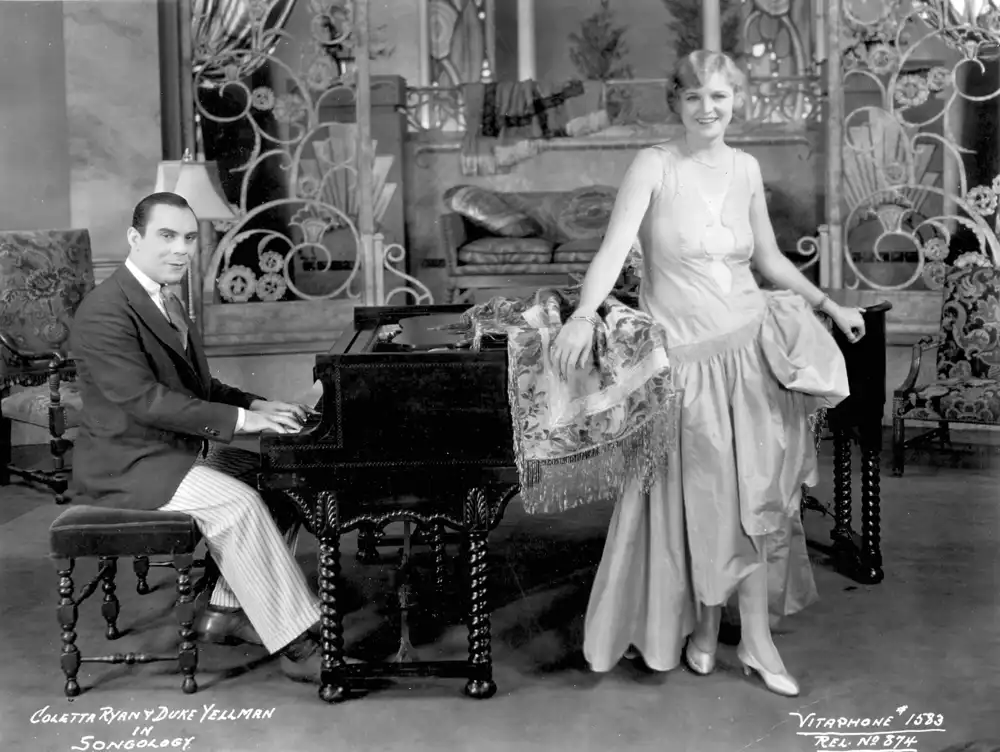
A definitive 4.2/10 rating for a film that redefined the boundaries of cult cinema. Coletta Ryan and Duke Yellman remains a cornerstone of transgressive art.
Alright, so Coletta Ryan and Duke Yellman. This one’s definitely not for the blockbuster crowd. If you need explosions or a twist every ten minutes, you’ll probably find it a slog. But if you’re up for a film that just *sits* with its characters, letting you feel the quiet hum of their lives, then yeah, it’s worth a look.
It’s a slow, reflective piece. Think more along the lines of a rainy afternoon spent looking through old photo albums than a thrill ride. People who appreciate films where not much *happens* on the surface, but everything is brewing underneath, will get it. Everyone else? You’ve been warned. 🤷♀️
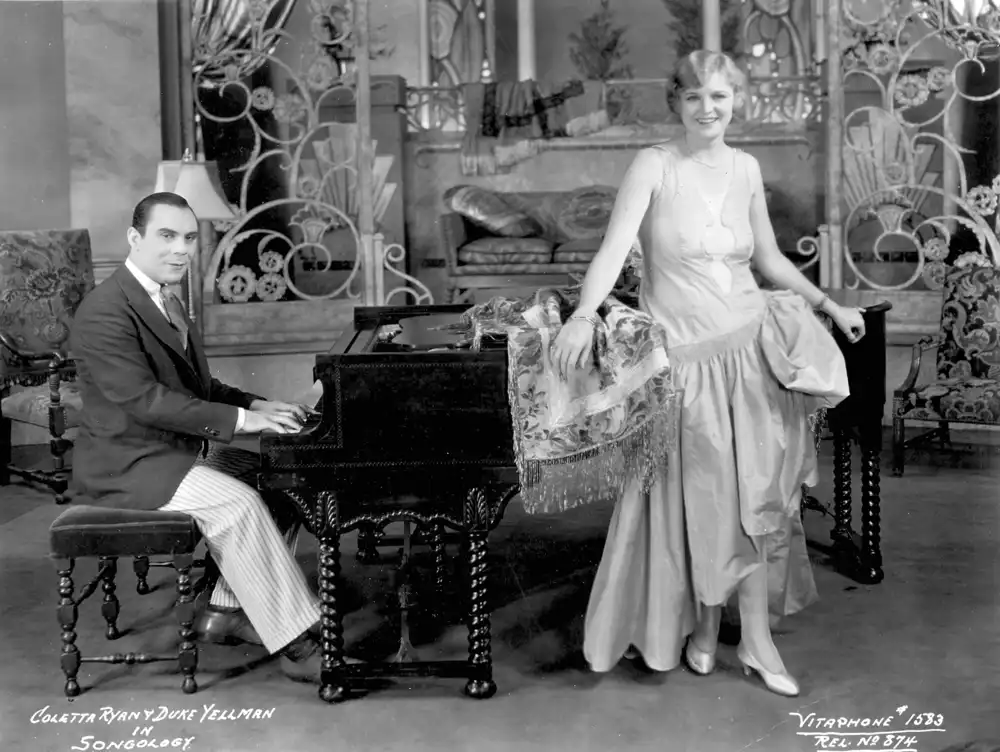
The film opens on Coletta (played with a weary grace, you can almost *feel* her sigh through the screen) staring out at a choppy grey ocean. Her face is just… *tired*. Not dramatically sad, just profoundly, quietly tired. It’s a great start, immediately pulling you into her space.
Duke shows up not long after, almost a ghost from her past. He doesn’t burst in; he just kind of *appears* at her door, holding a box of old vinyl records. His hair is a bit too long, and his clothes look like he pulled them out of a suitcase he hasn’t touched in years.
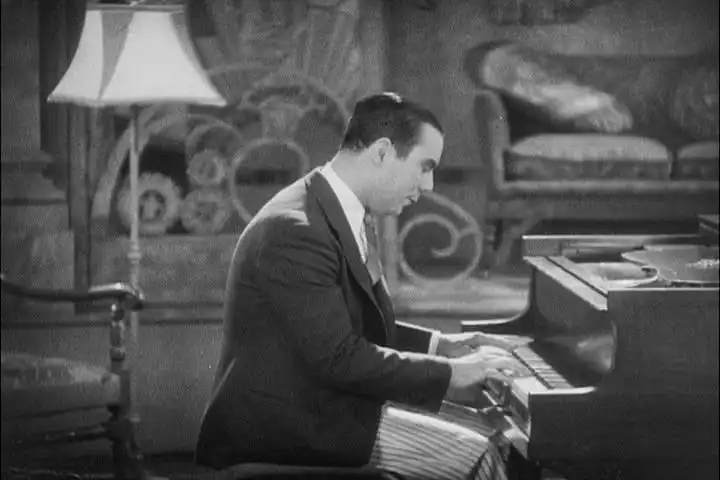
Their first conversation is just a string of small talk, but the way they avoid eye contact, then steal quick glances, tells you everything. There’s so much unsaid between them, it practically hums in the air.
The movie is built on these little observations. Like when Coletta makes coffee, and Duke just watches her, *really* watches her, as if trying to memorize every movement. It’s not romantic, not really. More like… a study. A quiet desperation to understand what time has done.
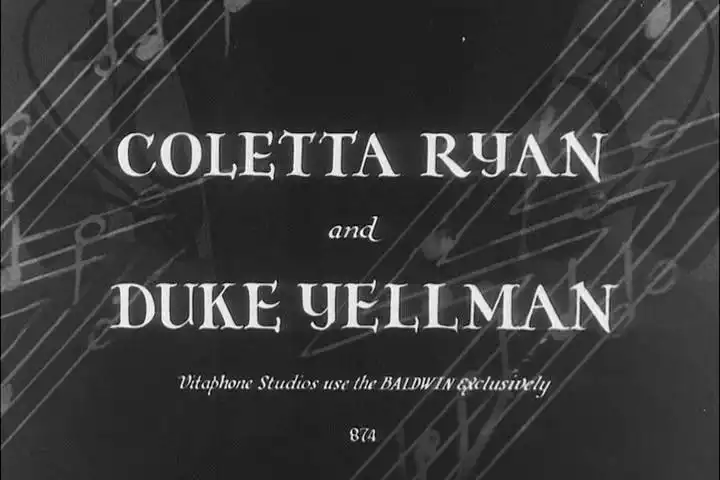
There’s this one scene where they’re in a diner, and Duke keeps playing with a sugar packet. Just tearing at the corner, over and over. It’s a tiny detail, but it speaks volumes about his restlessness. You can almost feel the movie trying to convince you this moment matters, and it *does*.
Bryan Foy, as the gruff lighthouse keeper, Old Man Hemlock, pops in and out. He doesn't have many lines, but his presence is solid. He just *is*. One time, he offers Duke a piece of hard candy, not saying a word, just holding it out. It’s a blink-and-you-miss-it thing, but it grounded the whole scene.

Some scenes go on about 20 seconds too long, and the silence starts to feel awkward rather than emotional. You find yourself fidgeting a bit. But then, just when you’re about to check your watch, one of them will sigh, or shift, and the tension breaks in a way that feels *earned*.
There's a particular shot of Duke trying to fix an old leaky faucet in Coletta’s kitchen. He’s clearly not handy, and it’s kind of endearing in its futility. She just watches him, a small, almost imperceptible smile playing on her lips. It’s not a laugh, just a knowing little flicker.
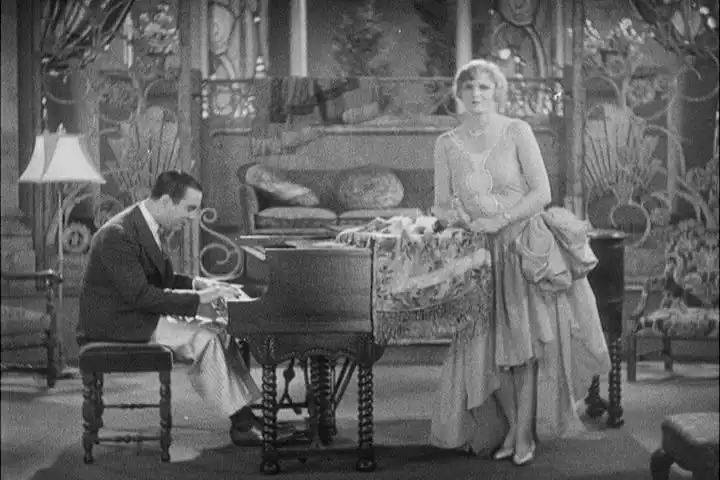
The pacing is definitely a deliberate choice here. It’s slow. *Really* slow. You get used to it, though. It allows you to actually *think* about what they’re not saying. The film trusts you to fill in the gaps.
The movie never really gives you a clean resolution. It doesn’t wrap things up with a neat bow, which is actually one of its strengths. They don’t suddenly declare their undying love or have a huge dramatic fight. It just… *ends* with them sitting on a porch swing, looking out at the rain, still not quite finished with their conversation, or with each other.
It’s a film that asks you to bring your own history, your own regrets, to the table. And if you do, it might just resonate. If you're looking for something with a definitive beginning, middle, and end, this isn't it. It's more of a snapshot, a moment in time, with all its beautiful, messy incompleteness. 🌧️
IMDb —
1923
Community
Log in to comment.