DbcultAccessing Vault...
Cult Review
Senior Film Conservator
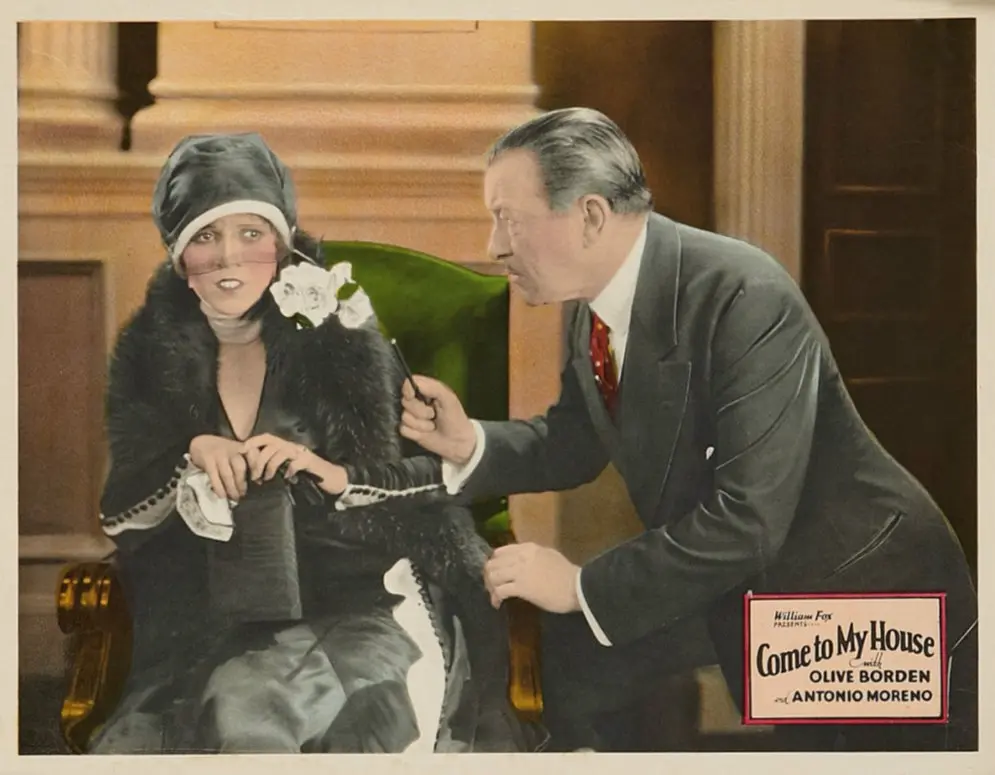
Should you invest your time in this 1927 silent relic? Short answer: Yes, but only if you have a stomach for the high-octane melodrama and social claustrophobia of the late silent era. This film is a definitive pick for historians of the 'Flapper' archetype, though it will likely alienate those who find the moralizing of the 1920s to be archaic or slow-moving.
Come to My House is a worthwhile watch for those interested in the evolution of the social thriller. It features a powerhouse performance by Olive Borden that transcends the limitations of silent film acting. If you appreciate the transitionary period of cinema where visual storytelling reached its peak before sound took over, this is a must-see.
1) This film works because of its relentless focus on the psychological toll of social ruin, anchored by Olive Borden's expressive face.
2) This film fails because the male lead, Cornelius Keefe, lacks the charismatic weight needed to balance Borden's screen presence.
3) You should watch it if you want to understand the pre-Code anxiety regarding female independence and the 'invitation' trope.
In the 1927 landscape, Fox Film Corporation was experimenting with a specific brand of visual grit. Unlike the ethereal quality of The Midnight Guest, Come to My House opts for a more grounded, almost oppressive atmosphere. The interior of the 'house' in the title isn't just a setting; it’s a character. The way the shadows fall across Joan’s face as she realizes the gravity of her situation is a masterclass in silent cinematography.
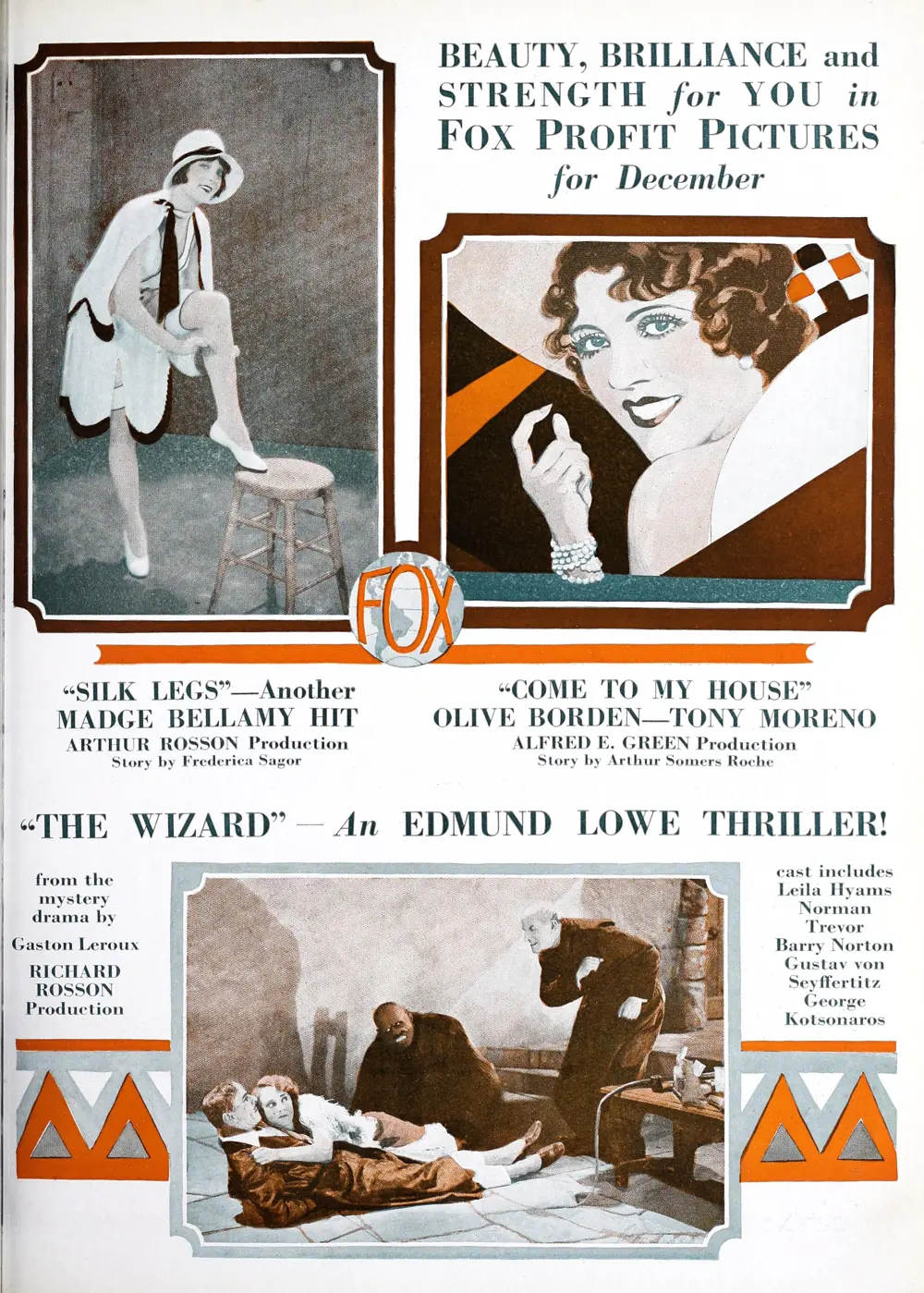
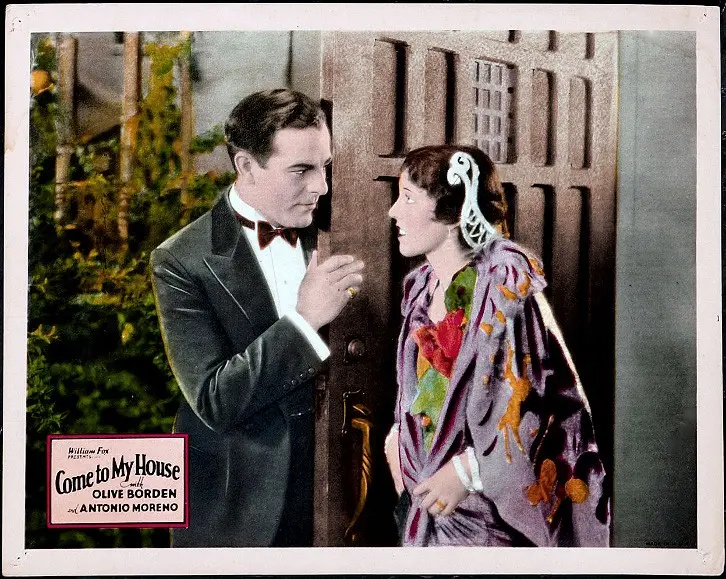
Consider the scene where Joan first enters the apartment. The camera lingers on the closing of the door—a simple action that feels like a prison sentence. This isn't the whimsical rebellion seen in Sally in Our Alley. This is a descent. The pacing here is deliberate, forcing the audience to sit in the discomfort of Joan's mounting realization. It works. But it’s flawed by an over-reliance on title cards to explain emotional beats that Borden was already conveying with her eyes.
Olive Borden, often overshadowed by contemporaries like Clara Bow, delivers a performance here that is surprisingly modern. While many silent actors leaned into theatrical gesticulation, Borden utilizes subtle micro-expressions. In the courtroom sequence, her stillness is her greatest weapon. She doesn't just play a victim; she plays a woman calculating the cost of her own survival.
Comparing her work here to her role in South Sea Love, one can see a clear trajectory of a star who was refining her craft. In Come to My House, she is tasked with carrying a script that occasionally veers into the absurd. When the plot demands that she face her accusers, she does so with a defiant tilt of the chin that feels like a precursor to the noir fatales of the 1940s. It is a tragedy of film history that her transition to sound was not more successful.
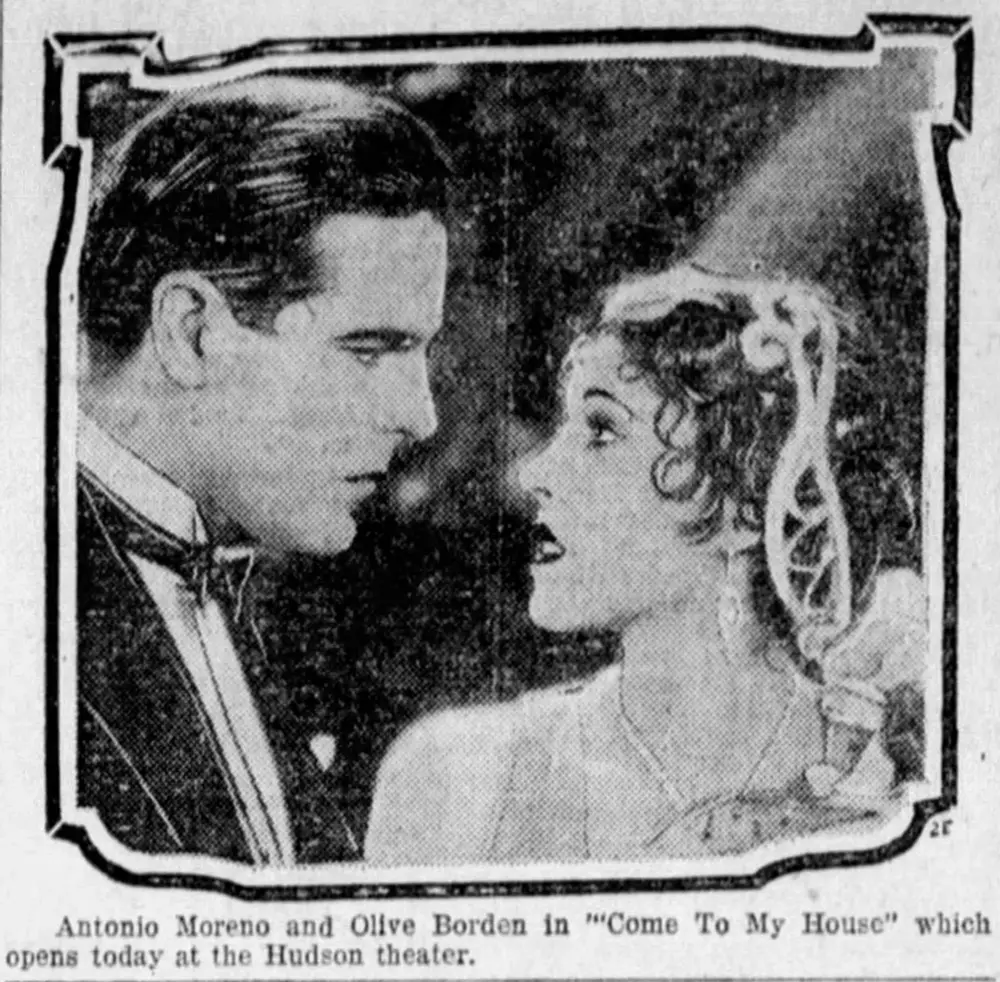
The direction by Alfred Erksine Green (though often uncredited or associated with the Fox stable) focuses heavily on the contrast between public and private spaces. The party scenes are shot with a frantic, wide-angle energy that mirrors the chaos of the Jazz Age. However, once the film moves into the private sphere, the camera tightens. This shift in scale is what keeps the film from feeling like a standard stage adaptation.
However, the pacing in the second act is where the film stumbles. After the initial scandal is established, the narrative loops back on itself several times. We see multiple scenes of men discussing Joan's reputation that feel redundant. It lacks the tight narrative economy found in Dark Secrets. By the time we reach the climax, the tension has slightly dissipated, replaced by a sense of exhaustion that may or may not be intentional.
Yes. Despite the melodramatic tropes, Come to My House offers a raw look at the gender politics of 1927. It is a film that demands you look past the scratches on the celluloid to see the human desperation underneath. It is not a 'fun' movie, but it is a vital one for understanding the era's obsession with purity and the legal system's role in enforcing it.
Pros:
- Exceptional lead performance by Olive Borden.
- Striking cinematography that uses shadows to tell the story.
- A bold critique of 1920s double standards that still feels biting today.
- The courtroom climax is genuinely tense.
Cons:
- The male characters are largely interchangeable and flat.
- Some of the title cards are overly verbose and slow the momentum.
- The moral resolution feels a bit too 'tidy' for the complexity of the setup.
What is most surprising about Come to My House is its underlying cynicism. While it presents itself as a morality play, there is a distinct sense that the filmmakers knew the system was rigged. The way the lawyers treat Joan is reminiscent of the coldness in Guilt. It suggests that once a woman is 'marked' by a house that isn't her own, the truth matters less than the optics. This is a punchy, cynical observation for 1927.
The film also touches on the concept of 'the cost' of freedom. Unlike the lighter fare of Alice Cuts the Ice, there is no easy escape here. Joan has to pay for her autonomy in the currency of her own dignity. This makes the film a much darker experience than its title suggests. It’s a film that lingers in the mind, not because of its plot twists, but because of its uncomfortable proximity to real-world injustices.
Come to My House is a fascinating, if occasionally plodding, artifact of late-silent cinema. It succeeds as a character study of a woman under fire, even if the surrounding narrative structure is traditional to a fault. Olive Borden proves she was a titan of the screen, delivering a performance that deserves to be remembered alongside the greats. It is a film that asks difficult questions about the spaces women are allowed to occupy. It works. But it’s flawed. Ultimately, its historical value and Borden's magnetic presence make it a journey worth taking for any serious cinephile.

IMDb 6.3
1914
Community
Log in to comment.