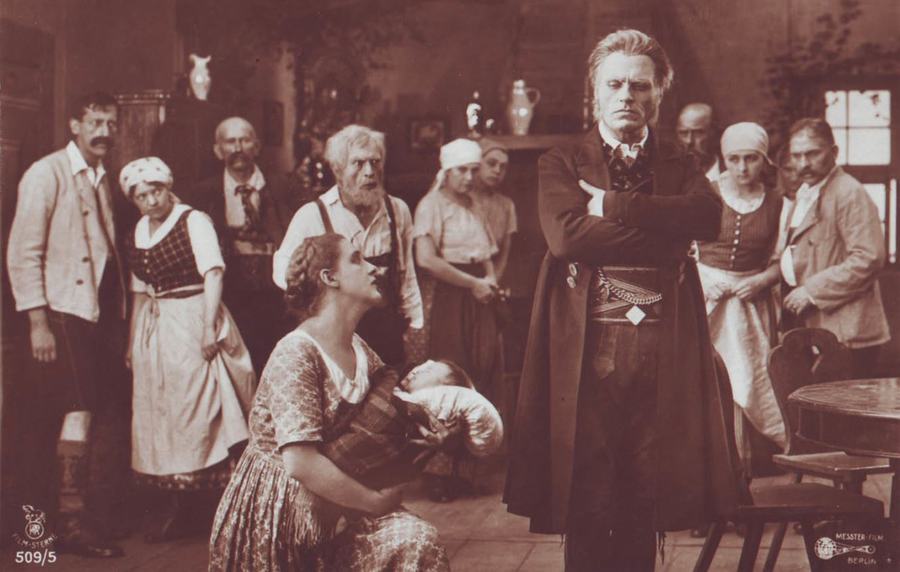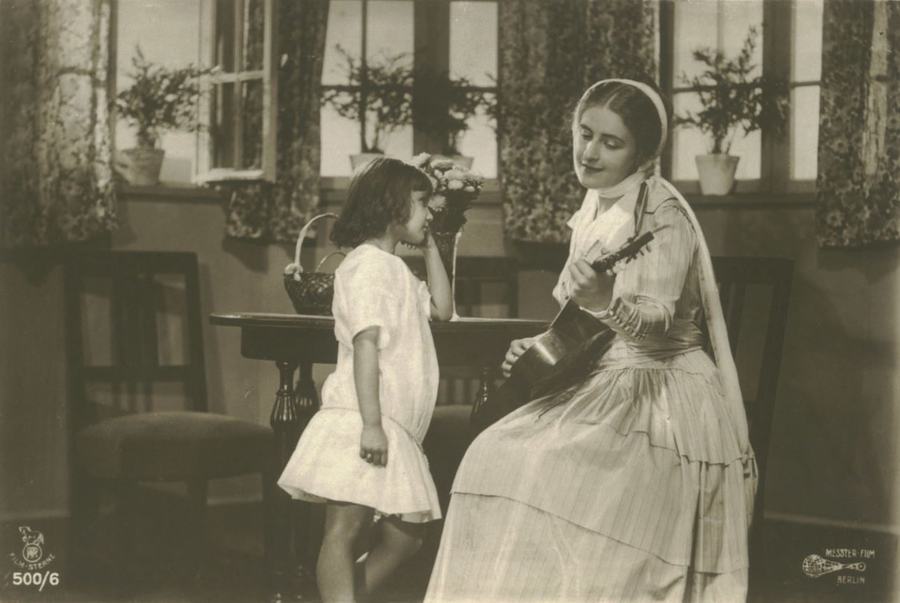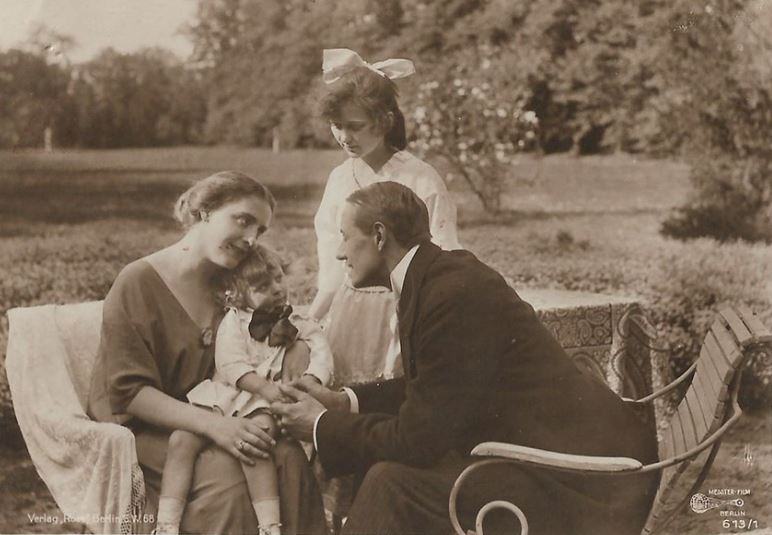
body{background-color:#000;color:#fff;font-family:Arial,Helvetica,sans-serif;line-height:1.6;margin:0;padding:20px;}a{color:#0E7490;text-decoration:none;}a:hover{color:#EAB308;} Robert Wiene, best known for his expressionist landmark Die Teufelskirche, turns his meticulous eye toward the moral labyrinth of a small town...
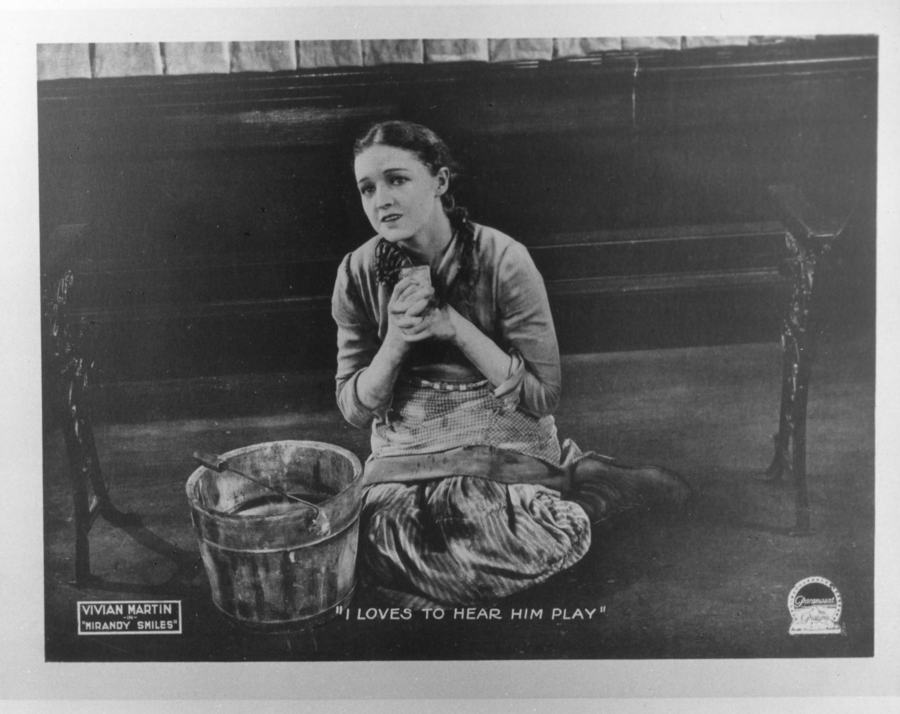
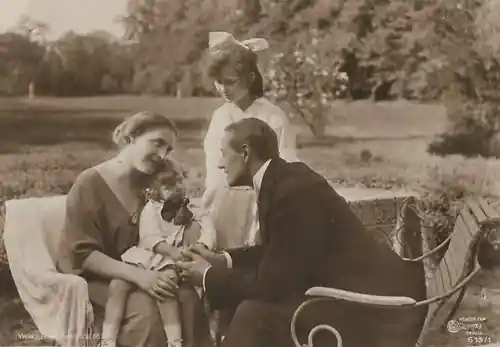
still_frame
still_frame
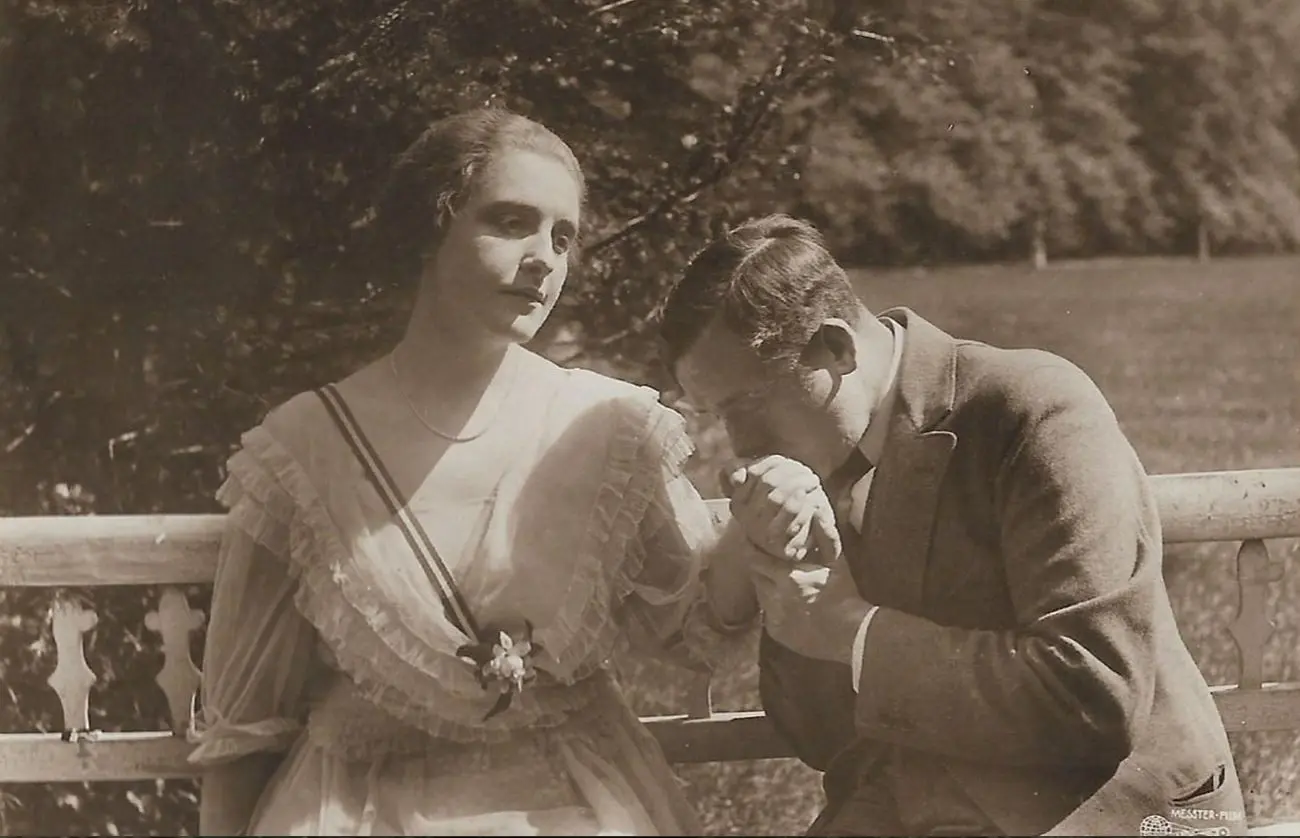
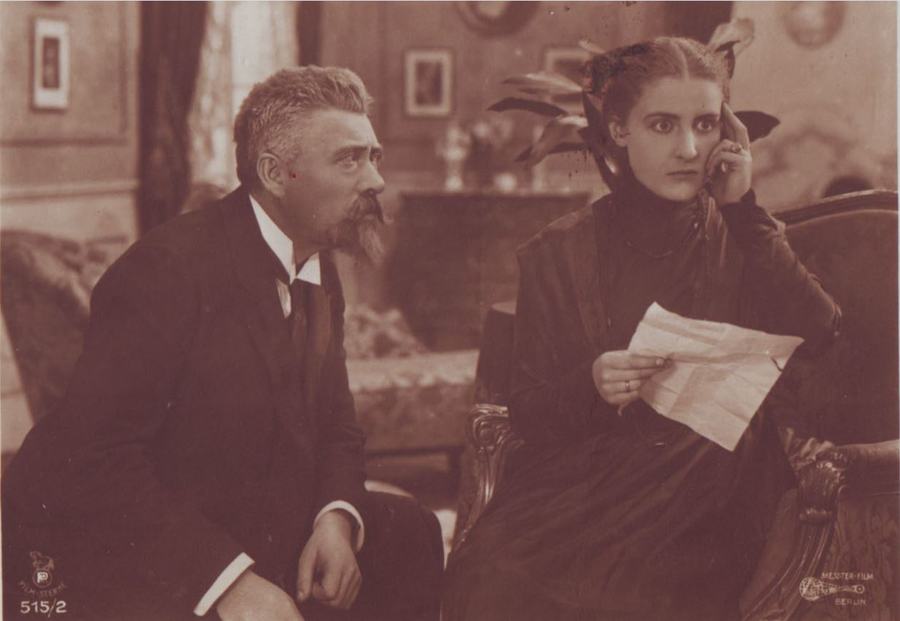
still_frame
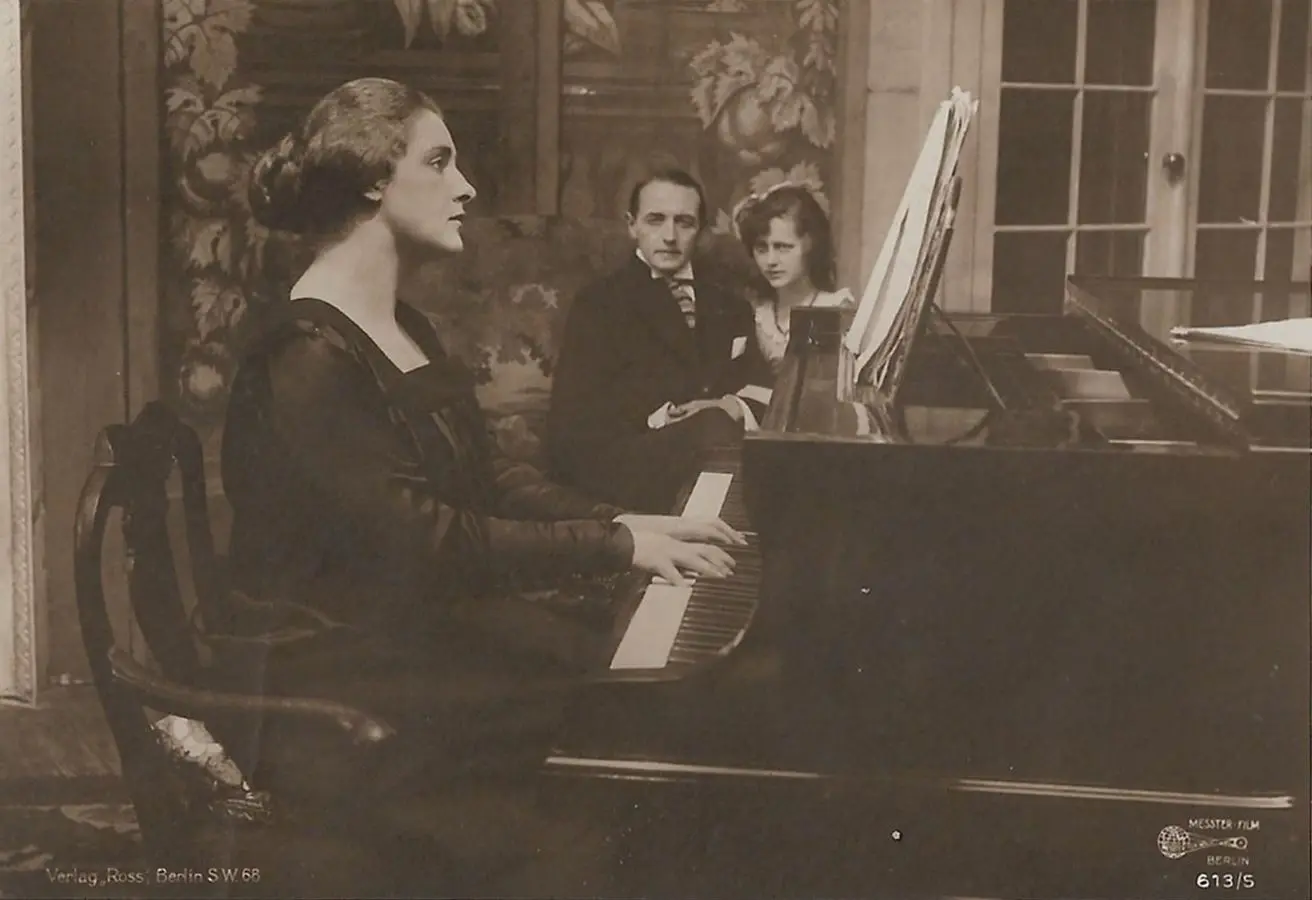
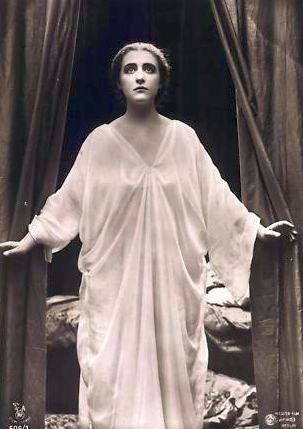
still_frame
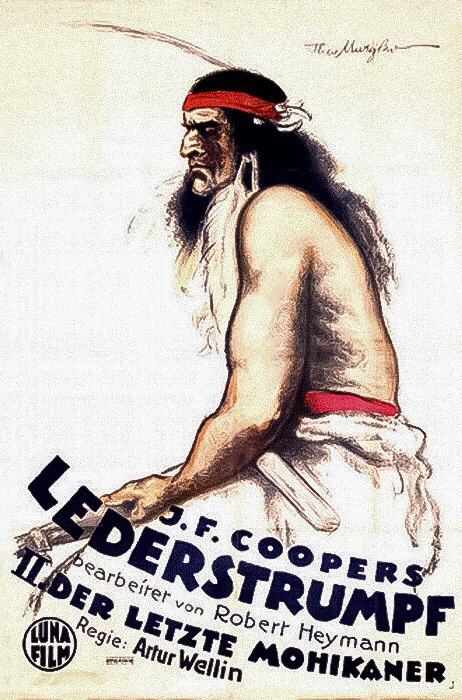
Comparing the cinematic DNA and archive impact of two defining moments in cult history.
Rudolf Biebrach
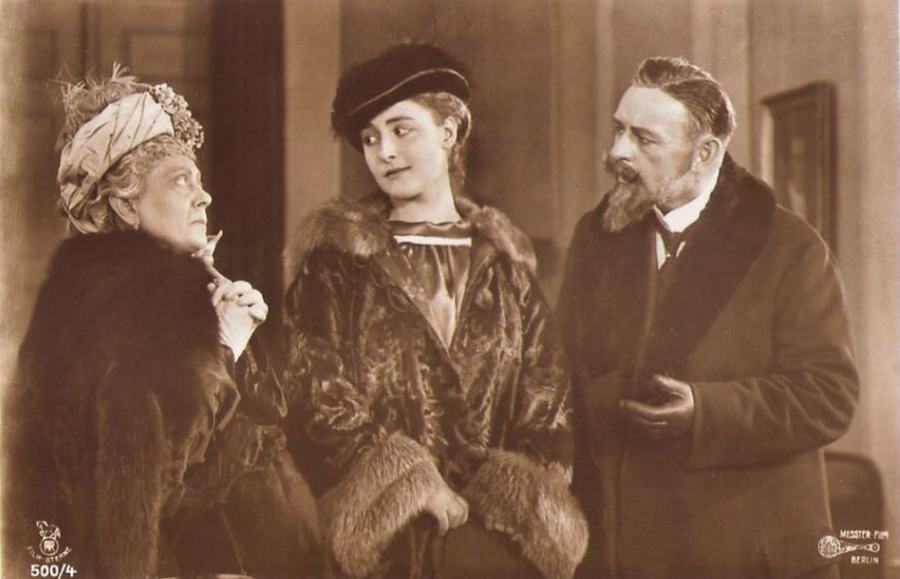
Rudolf Biebrach
Community
Log in to comment.
"body{background-color:#000;color:#fff;font-family:Arial,Helvetica,sans-serif;line-height:1.6;margin:0;padding:20px;}a{color:#0E7490;text-decoration:none;}a:hover{color:#EAB308;} Robert Wiene, best known for his expressionist landmark Die Teufelskirche, turns his meticulous eye toward the moral labyrinth of a small town in "Guilt", a silent drama that feels both of its era and startlingly contemporary. The film opens with a rain‑soaked tableau of cobblestones glistening under gas‑lamp light, a vi..."