DbcultAccessing Vault...
8/10
Senior Film Conservator
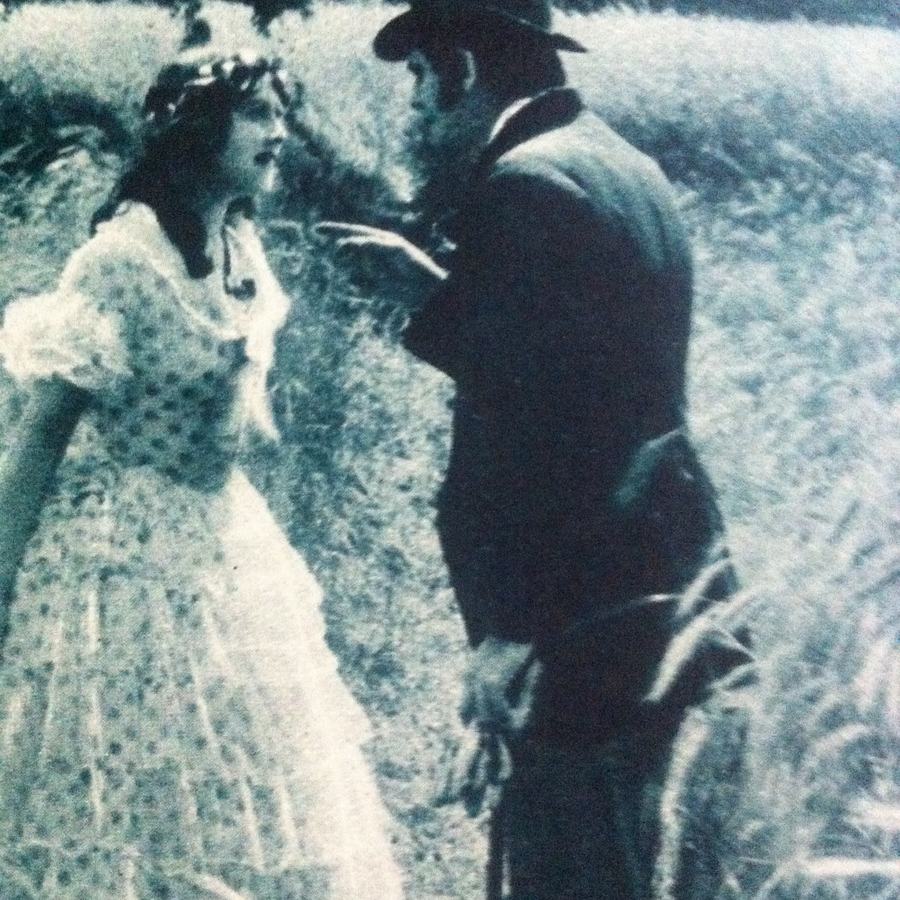
A definitive 8/10 rating for a film that redefined the boundaries of cult cinema. Comin' Thro' the Rye remains a cornerstone of transgressive art.
Stepping back into the cinematic past, particularly to the nascent days of British filmmaking, offers a unique lens through which to observe the enduring power of human emotion. Comin' Thro' the Rye, a 1923 silent drama adapted from Helen Mathers' popular novel, emerges not merely as a relic of its time but as a potent exploration of themes that resonate with unsettling familiarity even a century later. Directed with a keen eye for melodrama and character, it stands as a testament to the era's narrative sensibilities, where grand gestures and deeply felt passions were conveyed through the eloquent language of gesture and expression, unburdened by dialogue.
The film's premise, deceptively simple, unravels into a complex web of emotional turmoil. At its core lies the corrosive force of jealousy, personified by an unnamed antagonist whose covetous gaze falls upon the burgeoning romance of a friend. This isn't a tale of grand villainy or epic struggle; rather, it's an intimate, almost claustrophobic study of how a singular, unchecked emotion can poison relationships and shatter lives. The narrative pivots on a cruel act of deception: the fabrication of a wedding announcement, a seemingly innocuous piece of paper imbued with the power to unravel an engagement and plunge innocent hearts into despair. This specific plot device, while perhaps quaint by modern standards, perfectly encapsulates the social anxieties and communication limitations of the period, where information, once disseminated, held an almost irreversible authority.
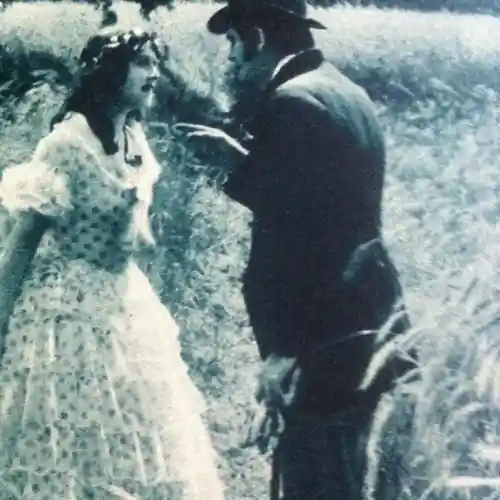
In the silent era, the actor's face was the primary vehicle for storytelling, a canvas upon which the most intricate emotions were painted with broad strokes and subtle nuances. Alma Taylor, a prominent star of British cinema at the time, likely carried much of the film's emotional weight. Her ability to convey innocence, heartbreak, and eventual resilience would have been paramount to the film's success. While the specific details of her character's journey are distilled into the core plot, one can imagine her performance as a masterclass in silent acting, relying on expressive eyes, delicate gestures, and a physicality that spoke volumes without uttering a single word. The supporting cast, including James Carew and Henry Vibart, would have likewise contributed to this tapestry of non-verbal communication, their interactions building the dramatic tension that was the lifeblood of silent melodrama. The very essence of 1920s cinema demanded a theatricality that could transcend the lack of spoken dialogue, and films like Comin' Thro' the Rye relied heavily on the charisma and skill of its performers to bridge this gap, drawing audiences into their emotional plight.
The mechanism of the fake wedding announcement is a particularly potent narrative engine for a silent film. It creates an immediate, tangible conflict that is easily understood visually. The audience witnesses the creation of the lie, the delivery of the deceit, and the devastating impact on the unsuspecting recipients. This direct causal chain, free from the need for explanatory dialogue, makes the villain's malice stark and the victim's pain palpable. It’s a classic trope, perhaps, but one that gains particular efficacy in the silent medium, where the visual communication of betrayal and heartbreak is paramount. The film, therefore, becomes a study in the anatomy of a lie – its conception, its execution, and its far-reaching consequences. This focus on internal, psychological conflict, even when externalized through a tangible plot device, distinguishes it from more action-oriented silent films such as The Americano or the grand historical sweep of Martyrs of the Alamo, positioning it closer to character-driven dramas of the period.
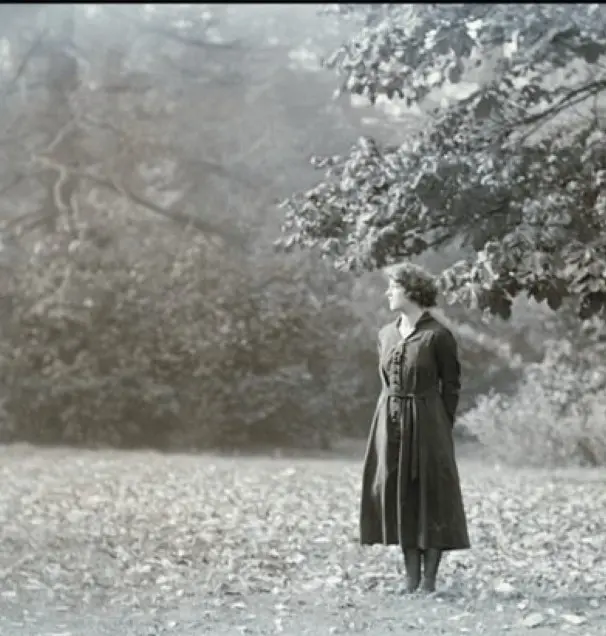
In an era devoid of synchronized sound, the visual aesthetic of Comin' Thro' the Rye would have been meticulously crafted. Cinematography, even in its nascent form, played a crucial role in establishing mood and conveying character. One can imagine shots that emphasize the innocence of the engaged couple, perhaps through soft lighting or pastoral settings, contrasting sharply with the shadowed or more angular framing used for the jealous antagonist. Intertitles, the textual inserts that provided dialogue and narration, would have been carefully worded to advance the plot and heighten emotional impact, acting as the film's poetic voice. The pacing, too, would have been deliberate, allowing audiences time to absorb the visual information and emotional beats before moving to the next scene. Unlike the rapid-fire editing of modern cinema, silent films often employed longer takes and carefully composed tableaux, inviting viewers to linger on expressions and gestures. This deliberate rhythm is a hallmark of silent-era storytelling, allowing for a deeper immersion into the characters' inner lives, a characteristic shared with other European silent dramas like Coeur de grenouille which similarly explored intimate emotional landscapes.
Beyond the immediate plot, Comin' Thro' the Rye delves into universal human themes. Jealousy, in its most insidious form, is laid bare as a destructive force, capable of tearing apart the fabric of relationships. The film implicitly explores the fragility of trust and the profound impact of betrayal, particularly within the close-knit social circles often depicted in period dramas. The era's societal norms, with their emphasis on reputation and propriety, would have amplified the stakes of such a deception. A broken engagement, especially one publicly announced, carried significant social stigma. This provides a rich backdrop for the emotional turmoil, making the antagonist's act not just personally cruel but socially devastating. The film, in its quiet way, reflects the anxieties of a society grappling with changing mores while still holding fast to traditional values of honor and commitment. It's a fascinating counterpoint to films like The Sheik, which explored more exotic and untamed forms of romance, grounding Comin' Thro' the Rye firmly in the domestic and psychological drama of its time.
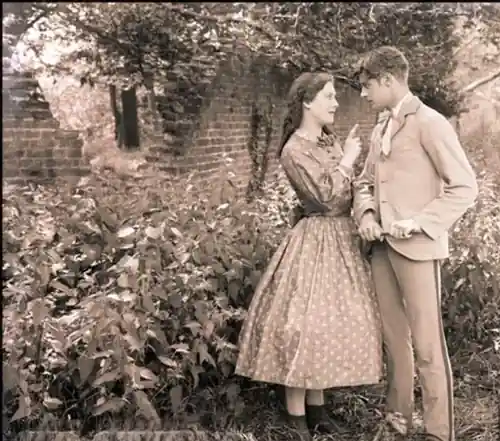
The British film industry in the 1920s, while often overshadowed by its American counterpart, produced a significant body of work, much of which is now unfortunately lost or difficult to access. Comin' Thro' the Rye, as an adaptation of a popular novel, would have been aimed at a broad audience, leveraging the familiarity of the source material. Films like this were instrumental in shaping the nascent cinematic language and developing a distinct British style, often characterized by a more restrained emotionality compared to Hollywood's grander theatrics, yet still capable of profound dramatic impact. The involvement of experienced actors like Alma Taylor, who had been a child star and continued her career into adulthood, speaks to the professionalization of the industry. Her presence would have guaranteed a certain level of performance and audience appeal, much like the consistent draw of established stars in any era. The film's existence serves as a valuable historical artifact, offering insight into the stories that captivated audiences of the period and the ways in which those stories were brought to life on screen. It is part of a tradition that includes other British productions of the era, such as The Mystery of a Hansom Cab, showcasing the range of narratives being explored.
Melodrama, a genre often derided in later critical discourse, was the very backbone of early cinema. It provided the emotional stakes and clear-cut conflicts that audiences craved, and Comin' Thro' the Rye is a prime example of its effective deployment. The exaggerated emotions, the clear delineation between good and evil (or in this case, innocence and malicious jealousy), and the heightened dramatic situations were perfectly suited to the silent screen. These films weren't merely entertainment; they were moral plays, illustrating the consequences of human actions and exploring the complexities of the heart. The narrative's resolution, though not explicitly detailed in the plot summary, would undoubtedly have involved the unmasking of the deception and a journey towards reconciliation or justice, providing the catharsis essential to the melodramatic form. The very title, evoking a sense of pastoral English charm, belies the simmering intensity of the human drama unfolding beneath its surface, a common characteristic of literary adaptations of the time which often cloaked profound emotional conflicts within genteel settings.
In revisiting Comin' Thro' the Rye, one is reminded that the fundamentals of compelling storytelling remain constant. The power of a lie, the agony of betrayal, and the resilience of the human spirit are timeless motifs. While the cinematic techniques have evolved dramatically since 1923, the core emotional truths explored in this silent drama continue to resonate. It serves as a potent reminder of the ingenuity of early filmmakers who, with limited technology, managed to craft narratives that moved and captivated audiences, laying the groundwork for the cinematic art form we know today. Its place in the pantheon of silent films, particularly those from the British Isles, is secured by its thoughtful exploration of a deeply human flaw, delivered with the visual artistry and emotional depth characteristic of its era. It’s a film that, despite its age, speaks volumes about the enduring human condition.
IMDb 7
1936
Community
Log in to comment.