DbcultAccessing Vault...
7.5/10
Senior Film Conservator
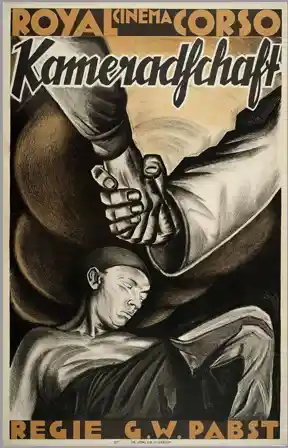
A definitive 7.5/10 rating for a film that redefined the boundaries of cult cinema. Comradeship remains a cornerstone of transgressive art.
You know, for a film from 1931, G.W. Pabst’s Comradeship really does hit different. If you’re into the history of cinema, or just want to see a powerful, simple story about folks helping folks, this one’s absolutely worth seeking out. Don't go in expecting flashy anything or quick cuts though. It’s a slow burn, for sure, but the message? It still rings true, maybe even more so today. If you're someone who thinks old black-and-white movies are automatically “boring,” you probably won't find your groove here. But if you’re patient, you might just get something real from it. 🌱
The whole thing kicks off with a disaster. A French mine, deep underground, just explodes with firedamp. The sheer chaos in those first few minutes, before the dust even settles, it’s just palpable. You see the miners scrambling, the desperate faces. It’s not just noise; you feel the sudden, terrifying silence that follows. Like the air itself got sucked out of the screen. 😮
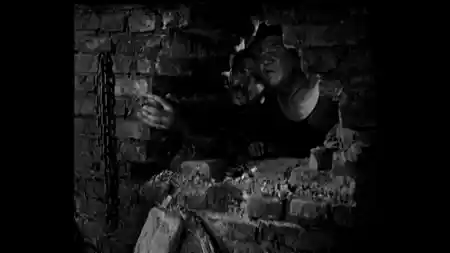
Then we’re with the trapped miners. Their faces, covered in grime and soot. The claustrophobia, it’s a real thing. One guy, I think it was Naupel, his eyes just had this raw, tired look. Not even acting, just… existing in that terrible space. The little bit of water dripping from the ceiling feels like a huge deal, a tiny, precious victory in a hopeless situation.
Up top, the French community is reeling. The wives, the mothers, just waiting, pacing, crying. It’s a pretty universal scene of grief, no matter the language. But then, across the border, the German miners, they hear the news. And this is where the film really starts to *work*.
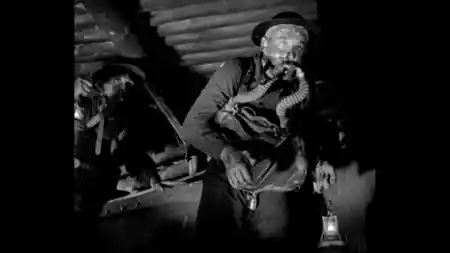
There's this almost immediate decision. They don't hesitate. Politics, borders, all that old bad blood from the war… it just melts away in the face of human suffering. They see fellow miners in trouble, and that’s it. No big speeches, just a quiet, determined resolve. The scene where they get their equipment ready, it’s not dramatic, just efficient. Like, “we do this.”
The journey to the French mine, past the border guards. That could have been a whole drama thing, right? A big dramatic standoff. But it’s not. The guards, they seem a bit confused, a bit reluctant, but ultimately, they let the Germans through. It’s a small detail, but it speaks volumes. It’s like the film is saying, “See? Common sense, common humanity, it can win out.”
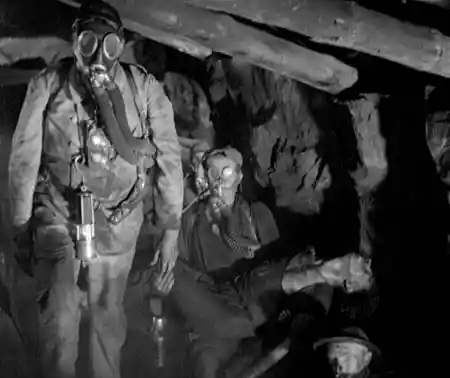
Once they’re in the French mine, it’s just this incredible display of teamwork. Germans and French, side-by-side, digging, shoring up, pushing through rubble. The physical labor shown is _exhausting_. You can almost feel the dust in your own throat watching them work. The way the light from their lamps cuts through the darkness, it’s a constant reminder of how vulnerable they are, how much danger. ✨
There’s a moment, a really small one, where a German miner offers a French miner a swig from his water bottle. No words are exchanged, just a nod. And the look on the French miner’s face, that *gratitude*, it’s powerful. It’s a quiet rebuke to all the jingoism and hatred that had been brewing in Europe for decades. Pabst really knew how to show something without needing to spell it out. Which is good, cause it's early sound film, and sometimes the dialogue can feel a little... clunky.
The rescue itself is tense. Every creak, every falling rock, it puts you on edge. And when they finally reach the trapped men… the relief is just immense. It’s not just for the characters, it’s for you, watching. You’ve been holding your breath right along with them. The way they pull them out, gently, carefully. It’s a testament to the fact that when things get truly dire, people just _do_ for each other.
What stuck with me, too, was the general atmosphere of the mining town. The small houses, the way everyone knew each other. It made the disaster feel even more personal. When one of the rescued miners gets carried out, his wife rushes to him, not with a big, theatrical cry, but just this quiet, desperate embrace. It felt so real, you know?
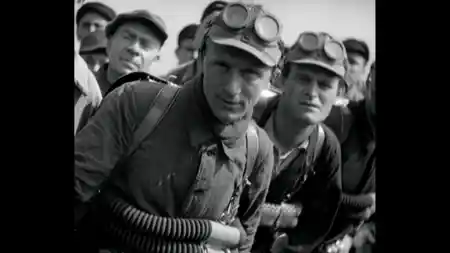
The film isn't perfect, no. Sometimes the editing feels a little jumpy, like they had to cut around technical issues. And some of the characters, outside of the main few, are pretty much just “miner #3” or “worried wife.” But honestly, that barely matters. The core story, the message, it shines through all of it.
It’s almost stark in its simplicity. A natural disaster, human response. That's it. No complicated villains, no intricate subplots. Just people facing a common enemy – the earth itself – and choosing to face it together, regardless of invisible lines on a map. For a film made just a few years before the world went crazy again, it feels like a desperate, hopeful plea. A plea that, sadly, wasn't quite heard.
But still, we have the film. And it’s a good one. A really important reminder, even today, of what we can be when we set aside our differences. It makes you think. 🤔
IMDb 5.6
1925
Community
Log in to comment.