DbcultAccessing Vault...
3.8/10
Senior Film Conservator
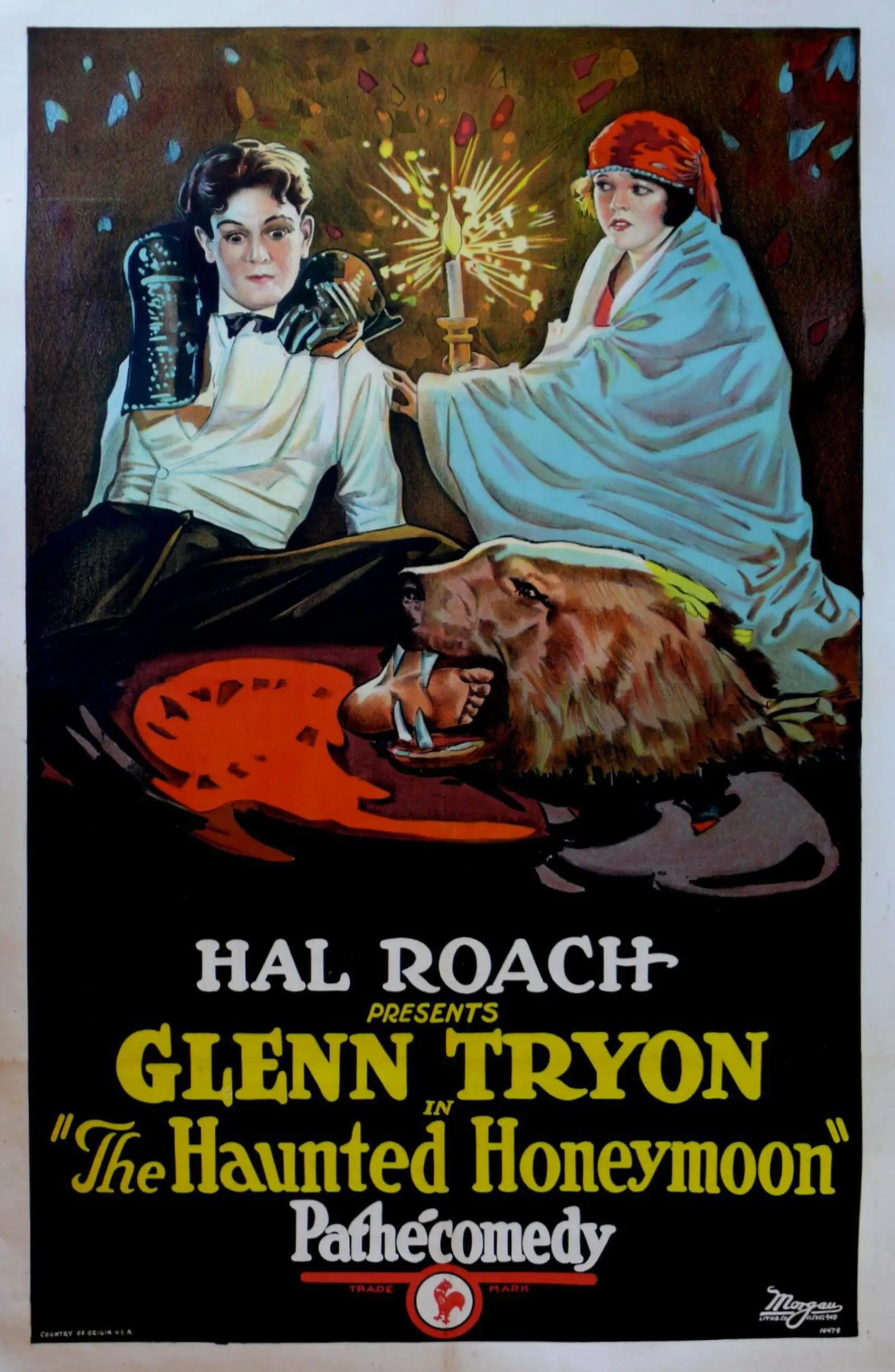
A definitive 3.8/10 rating for a film that redefined the boundaries of cult cinema. The Haunted Honeymoon remains a cornerstone of transgressive art.
Ah, the silent era! A time when narratives were spun not by booming dialogue but by the eloquent ballet of light and shadow, by the exaggerated expressiveness of faces, and by the evocative power of intertitles. Among the myriad cinematic gems from this epoch, Fred Guiol's 1925 offering, The Haunted Honeymoon, stands as a fascinating, if somewhat overlooked, curio. It’s a film that, even a century later, manages to charm, amuse, and occasionally mystify with its peculiar blend of romantic mishap and ghostly shenanigans. Far from a straightforward genre piece, it playfully dances between the realms of screwball comedy, domestic drama, and nascent horror, creating a viewing experience that is both unique and deeply reflective of its time.
At its core, the narrative of The Haunted Honeymoon hinges on a wonderfully absurd premise that immediately sets a tone of delightful chaos. Imagine the most joyous occasion, a wedding, irrevocably derailed by a clerical error of monumental proportions: the sanctity of the marriage certificate brazenly undermined by the substitution of a dog license. This single, ludicrous mistake casts a long shadow over the proceedings, plunging our eager bride and groom into an unwitting state of pseudo-matrimony. It’s a stroke of comedic genius, laying the groundwork for misunderstandings and farcical developments that are characteristic of the best silent comedies. This isn't merely a minor mix-up; it's a fundamental flaw in the very foundation of their union, an existential crisis cloaked in slapstick.
Compounding this administrative nightmare, the newly, yet illicitly, 'wedded' couple finds themselves ensconced in a house that carries a rather ominous reputation. This isn't just any quaint cottage for a romantic getaway; it's a dwelling steeped in whispers of the supernatural, a place where shadows seem to stretch a little longer and floorboards creak with a life of their own. The juxtaposition of their uncertain marital status with the spectral inhabitants of their temporary abode creates a truly unique dynamic. Is the haunting real, or merely a manifestation of their own anxieties regarding their irregular union? The film cleverly plays with this ambiguity, keeping the audience on edge while simultaneously eliciting genuine laughter. It’s a testament to Guiol's directorial prowess that he manages to balance these disparate elements without allowing the film to descend into tonal incoherence.
No discussion of The Haunted Honeymoon would be complete without reverently acknowledging the luminous presence of Janet Gaynor. Even in these nascent stages of her illustrious career, Gaynor's star quality is undeniable. She embodies the bewildered bride with a captivating blend of innocence, vulnerability, and burgeoning resilience. Her expressive eyes convey volumes, oscillating between the joy of anticipated wedded bliss, the crushing confusion of the dog license debacle, and the mounting terror of their haunted surroundings. Gaynor possessed a rare ability to communicate complex emotional states with remarkable clarity, a skill paramount in the silent era. Her reactions—from wide-eyed wonder to trembling fear to exasperated frustration—are meticulously calibrated, making her character instantly relatable and deeply sympathetic. She isn't merely reacting to the plot; she's driving the emotional core of the film, allowing the audience to experience the absurdity and the fright through her eyes. Her performance here, while early, offers a tantalizing glimpse into the talent that would soon earn her the very first Academy Award for Best Actress, a testament to her profound impact on the cinematic landscape.
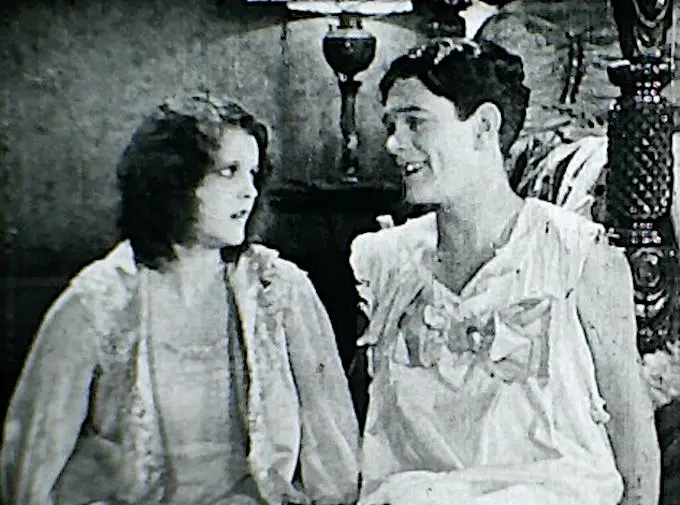
While Gaynor is undoubtedly the film's radiant centerpiece, the supporting cast provides a robust framework for her brilliance. Yorke Sherwood, as the bewildered groom, offers a commendable foil to Gaynor's character. His portrayal captures the escalating panic and confusion of a man whose perfect wedding day has spiraled into an inexplicable nightmare. He navigates the comedic pitfalls with a commendable earnestness, his reactions often mirroring the audience's own incredulity. The dynamic between Gaynor and Sherwood is crucial; their chemistry, even amidst the chaos, feels authentic, grounding the more fantastical elements of the plot in a believable human relationship.
The film also benefits from the contributions of talents like Glenn Tryon, who often specialized in comedic roles during the silent era. His presence, alongside others such as Jules Mendel, George Rowe, Blanche Mehaffey, Helen Gilmore, and James Finlayson, enriches the tapestry of the narrative. These actors, many of whom were veterans of early cinema, understood the nuanced demands of silent performance, using physical comedy, gesture, and facial expressions to convey character and advance the plot. Finlayson, in particular, known for his exasperated glares and distinct comedic timing, likely adds a layer of delightful frustration to the proceedings, even in a role that might be smaller. The collective efforts of this ensemble elevate the film from a simple premise to a rich, engaging experience, demonstrating the collaborative artistry inherent in silent filmmaking.
At the helm of this whimsical production was Fred Guiol, a director and writer whose career spanned several decades, moving from shorts to features and across the transition from silent to sound. In The Haunted Honeymoon, Guiol demonstrates a keen understanding of silent film aesthetics and comedic pacing. His direction is fluid, allowing the narrative to unfold with a natural rhythm, despite the escalating absurdity of the plot. He masterfully orchestrates the physical comedy, ensuring that each pratfall and frantic scramble serves to enhance the story rather than merely acting as an isolated gag. The visual storytelling is paramount, with Guiol employing careful framing and inventive camera angles to emphasize both the comedic potential of the situations and the eerie atmosphere of the haunted house. He understood how to build suspense without dialogue, using shadows, sudden movements, and the characters' reactions to convey an underlying sense of dread, all while maintaining the film's lighthearted tone. His ability to balance these seemingly contradictory elements is a hallmark of his craft, turning what could have been a messy genre mash-up into a cohesive and entertaining whole.
Beyond its immediate comedic appeal, The Haunted Honeymoon touches upon several intriguing themes. The central conceit of the invalid marriage certificate speaks to anxieties surrounding social norms and the often-fragile foundations of institutions. It playfully questions the very definition of marriage: Is it merely a piece of paper, or something more profound? The film suggests that while legalities are important, the emotional bond between the couple is what truly matters, enduring even through bureaucratic blunders and spectral encounters. This echoes sentiments found in other romantic comedies of the era, where true love often triumphs over societal obstacles, albeit usually less supernatural ones.
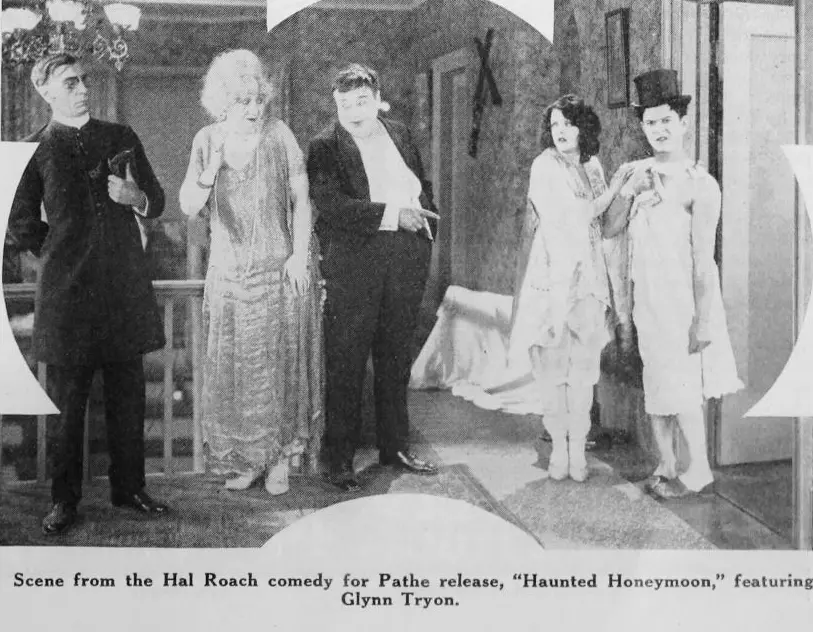
Furthermore, the 'haunted house' element, while played for laughs, taps into a universal fascination with the unknown and the uncanny. It's a comedic take on early horror tropes, where the bumps in the night are more likely to be a clumsy relative than a malevolent spirit. This genre-bending approach is particularly captivating. While not a horror film in the vein of later, more terrifying productions, it cleverly utilizes the aesthetics and expectations of the horror genre to amplify its comedic effect. It's a delightful example of how silent cinema, unburdened by the complexities of synchronized sound, could freely experiment with tone and atmosphere, creating a unique hybrid that satisfied multiple audience appetites. One might draw a parallel to the romantic entanglements and societal pressures explored in Eyes of Youth, though The Haunted Honeymoon injects a much larger dose of whimsy into its dramatic proceedings. Similarly, the dramatic irony and misunderstandings could be seen in the light of Charge It to Me, though the supernatural element here sets it apart dramatically.
The visual language of The Haunted Honeymoon is a masterclass in silent film craftsmanship. The set design for the titular haunted house is particularly noteworthy, eschewing overtly terrifying gothic architecture for something more subtly unsettling. It's a house that feels lived-in, yet carries an undeniable aura of mystery, with its shadowy corridors, creaking staircases, and hidden passages. The cinematography, while perhaps not groundbreaking for its era, effectively uses chiaroscuro lighting to create suspense and comedic effect. Shadows dance on walls, figures appear and disappear with disorienting speed, and close-ups amplify the characters' exaggerated reactions to the unseen forces at play. This deliberate manipulation of light and shadow is crucial in a medium reliant solely on visual cues, allowing the film to conjure both chills and chuckles without uttering a single word. The film's visual style contributes significantly to its enduring charm, demonstrating how much could be conveyed through meticulous design and careful composition.
In the grand tapestry of silent cinema, The Haunted Honeymoon might not possess the epic scope of a D.W. Griffith masterpiece or the profound social commentary of a F.W. Murnau, but it holds its own as a delightful and expertly crafted piece of entertainment. It offers a fascinating window into the comedic sensibilities of the 1920s, showcasing how filmmakers could blend disparate genres to create something fresh and engaging. Its enduring appeal lies in its timeless themes of love, misunderstanding, and the human reaction to the absurd, all wrapped up in a package of charming performances and clever direction.
While many films from this period focused on more overt drama, such as The Danger Line or the historical romance of The Betrothed, The Haunted Honeymoon carves out its own niche with its lighthearted approach to potentially serious subjects. It reminds us that even in an era grappling with rapid social change and the aftermath of global conflicts, there was still a place for pure, unadulterated escapism and laughter. Its unique blend of romantic comedy and supernatural farce could be seen as a precursor to many 'spooky house' comedies that would follow in subsequent decades.
To watch The Haunted Honeymoon today is to engage in a delightful act of cinematic archaeology. It's an opportunity to appreciate the artistry of a bygone era, to marvel at the expressive power of silent performers like Janet Gaynor, and to commend the ingenuity of writers like Fred Guiol (who also penned the screenplay) in crafting narratives that resonate without the aid of spoken dialogue. It's a film that, despite its age, feels remarkably fresh in its comedic timing and its playful subversion of expectations. For enthusiasts of silent cinema, classic comedy, or simply those seeking a charming, albeit peculiar, cinematic experience, The Haunted Honeymoon is an absolute must-see. It's a testament to the enduring power of storytelling, proving that a good tale, well-told, can transcend the limitations of time and technology, continuing to enchant audiences for generations to come. This film serves as a poignant reminder of the enduring magic of the silver screen, a century-old whisper that still evokes smiles and gasps in equal measure. Its peculiar charm ensures it remains more than just a historical artifact; it is a genuinely enjoyable piece of cinematic entertainment.
IMDb —
1932
Community
Log in to comment.