DbcultAccessing Vault...
6.7/10
Senior Film Conservator
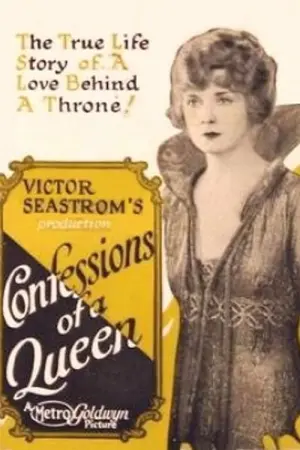
A definitive 6.7/10 rating for a film that redefined the boundaries of cult cinema. Confessions of a Queen remains a cornerstone of transgressive art.
In the grand tradition of cinematic storytelling, 'Confessions of a Queen' presents a nuanced exploration of the human condition, set against the opulent backdrop of the kingdom of Illyris. This 1920s silent film, directed by an uncredited filmmaker, boasts a talented ensemble cast, including John Bowers, Frankie Darro, and Alice Terry.

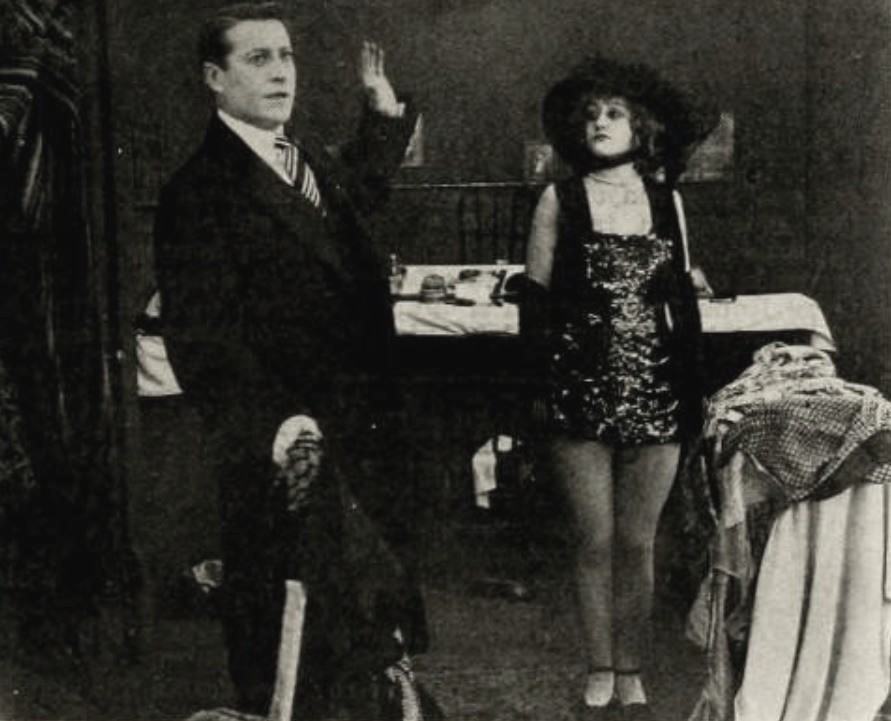
The narrative, an adaptation of Alphonse Daudet's work, masterfully interweaves themes of love, power, and deception. The King of Illyris, in a calculated move to secure his reign, marries a neighboring princess. However, this union is soon revealed to be a facade, as the monarch maintains a clandestine relationship with a courtesan. The princess, upon discovering this duplicity, must navigate the treacherous waters of royal politics, where her own desires are secondary to the demands of her station.

A critical examination of the film's character dynamics reveals a complex web of relationships, expertly crafted by writers Alphonse Daudet, Agnes Christine Johnston, and Marian Ainslee. The princess, portrayed by Alice Terry, embodies the struggle for agency within a patriarchal society. Her character arc, a testament to the human spirit, serves as a poignant counterpoint to the King's Machi theopolitics.
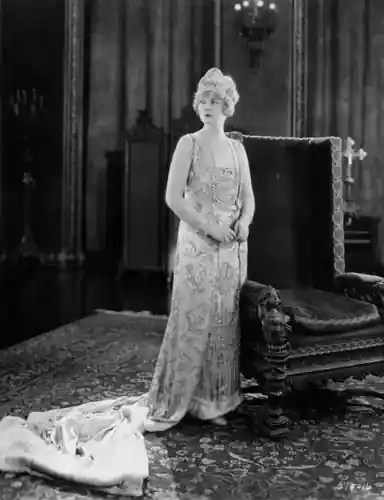
The cinematography, a notable aspect of the film, showcases the grandeur of the palace and the surrounding landscapes. The visual narrative, augmented by the performances of the cast, including John Bowers and Frankie Darro, creates a immersive experience for the viewer.
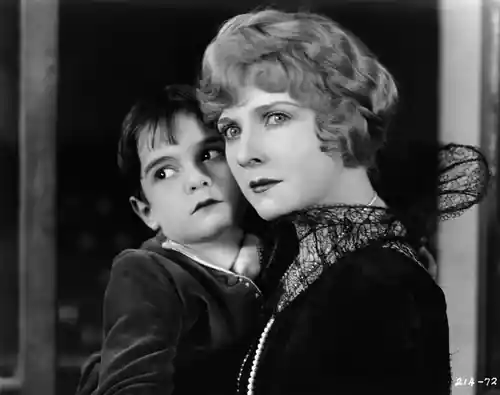
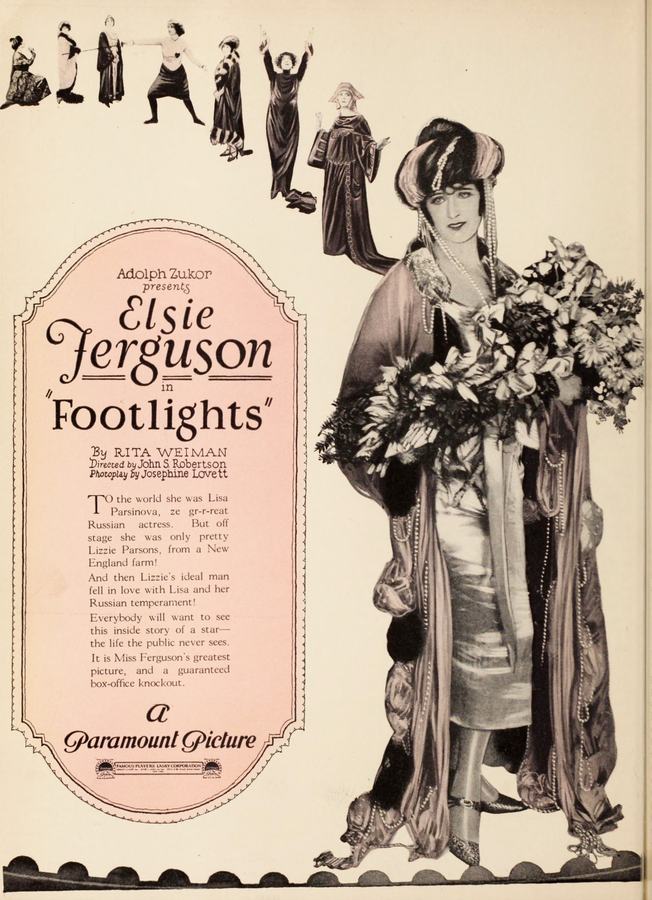
In comparison to contemporaneous films, such as Footlights and The Heart of Jennifer, 'Confessions of a Queen' distinguishes itself through its thought-provoking exploration of the human condition. While Man's Plaything and Why Elephants Leave Home also delve into themes of love and deception, they lack the scope and nuance presented in 'Confessions of a Queen'.

The film's portrayal of the monarch's mistress serves as a fascinating case study in the societal norms of the era. This character, skillfully portrayed by Eugenie Besserer, functions as a foil to the princess, highlighting the limited agency afforded to women within the palace walls. The tension between these characters serves as a catalyst for the narrative, driving the plot towards a thought-provoking conclusion.
Upon reflection, it becomes evident that 'Confessions of a Queen' shares thematic similarities with Disraeli and The Lone Round-Up, in its examination of power dynamics and the consequences of deception. However, the film's unique blend of romance, drama, and social commentary sets it apart from these films.
A closer analysis of the film's mise-en-scène reveals a deliberate use of visual motifs, reinforcing the narrative's exploration of love, power, and deception. The palace, a character in its own right, serves as a symbol of the monarch's authority, while the courtesan's chambers represent a space of secrecy and indulgence.
The performances of the cast, including James McElhern and Maude George, add depth and complexity to the narrative. The chemistry between the leads is palpable, drawing the viewer into the world of the film. The score, though not explicitly mentioned, undoubtedly enhances the viewing experience, elevating the emotional impact of key scenes.
In conclusion, 'Confessions of a Queen' is a masterful silent film, distinguished by its thought-provoking narrative, memorable performances, and impressive cinematography. This cinematic gem, much like The Lover of Camille and Political Pull, has aged remarkably well, offering a captivating viewing experience for audiences today.
Ultimately, 'Confessions of a Queen' stands as a testament to the enduring power of cinema, inviting viewers to immerse themselves in the intricate world of Illyris, and to ponder the timeless themes that have captivated audiences for generations.
IMDb —
1921
Community
Log in to comment.