DbcultAccessing Vault...
4.3/10
Senior Film Conservator
A definitive 4.3/10 rating for a film that redefined the boundaries of cult cinema. Congestion remains a cornerstone of transgressive art.
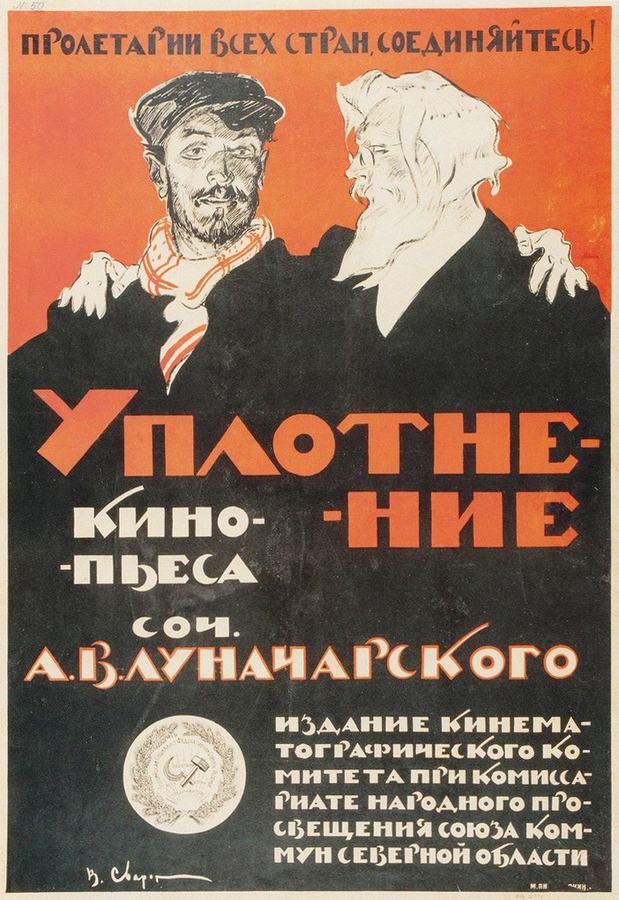
Delving into the cinematic archives, particularly those from the early 20th century, often feels like unearthing a time capsule, a direct conduit to the prevailing ideologies, anxieties, and artistic aspirations of a bygone era. Anatoli Lunacharsky's Congestion (1918), a product of the nascent Soviet film industry, serves precisely this purpose, offering a fascinating glimpse into the cultural landscape immediately following the October Revolution. It’s a film less concerned with grand battles or overt political declarations than with the subtle, yet profound, shifts in social consciousness and interpersonal dynamics that were reshaping Russian society. This isn't just a historical artifact; it's a testament to the power of cinema as a tool for social commentary and ideological dissemination, even in its earliest, most rudimentary forms.
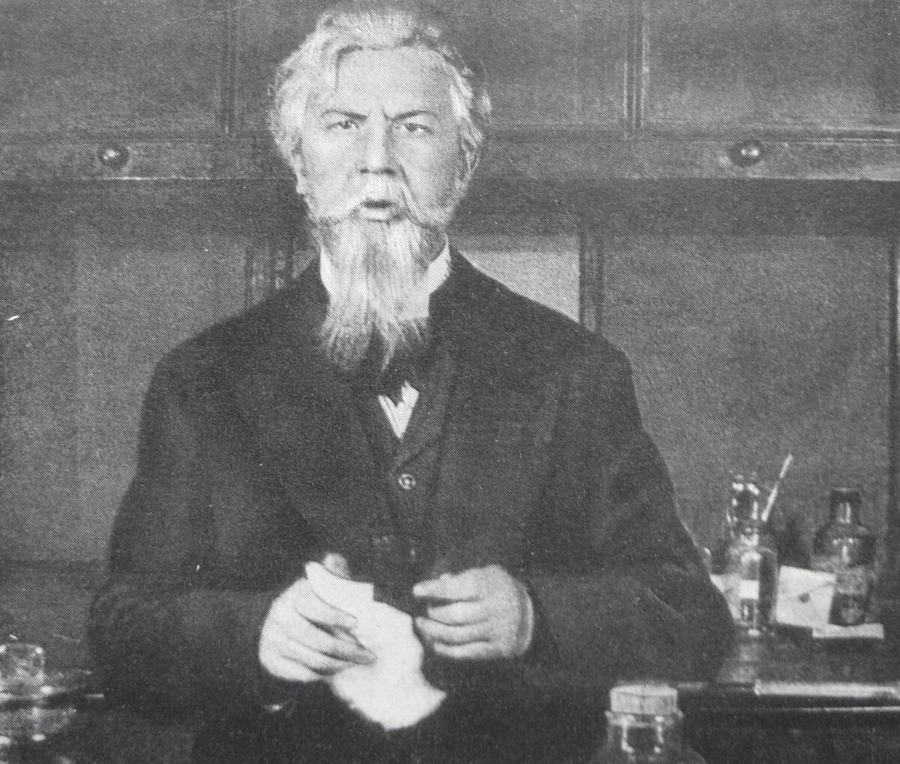
The narrative core of Congestion, co-written by Lunacharsky himself and Aleksandr Panteleyev, is deceptively simple, yet rich with symbolic resonance. It centers on a professor, a figure traditionally ensconced within the confines of academia, whose insulated world is gradually permeated by the realities of the working class. This initial contact, spurred by factory workers seeking knowledge or perhaps simply a connection to intellectual discourse, acts as a catalyst. The professor's apartment, initially a sanctuary of scholarly pursuits, transforms into an impromptu forum, a crucible where theoretical knowledge and practical experience begin to intertwine. This interaction is pivotal, marking the professor's transition from an isolated intellectual to an engaged participant in the broader societal project. His decision to lecture at the workers' club isn't merely a plot point; it's a powerful statement about the democratization of knowledge and the bridging of the perceived chasm between the intelligentsia and the proletariat, a central tenet of the revolutionary ethos.
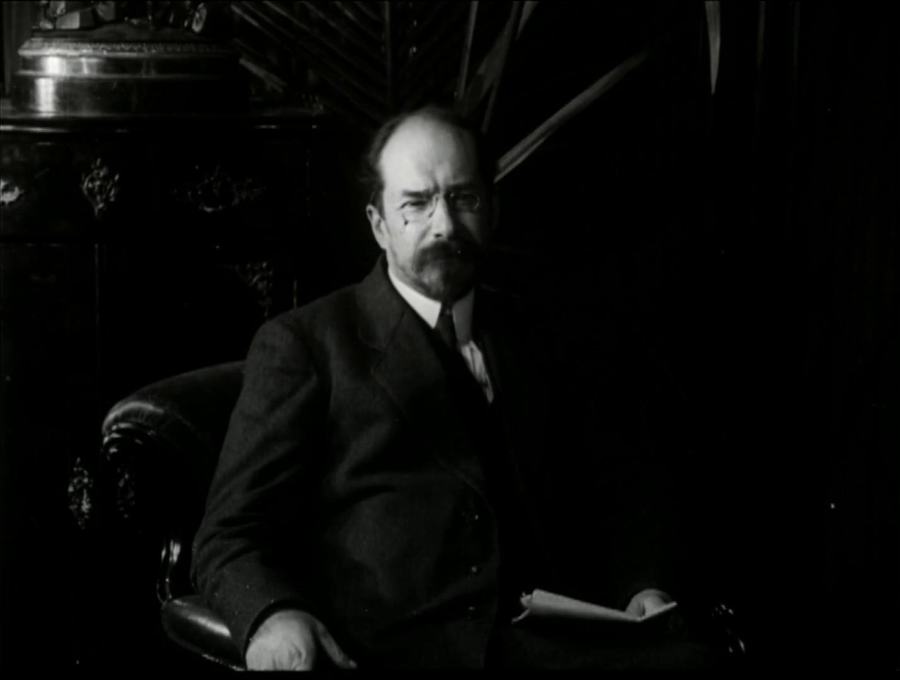
The casting, featuring Ivan Lerskiy and Dmitri Leshchenko alongside Lunacharsky himself, adds another layer of intrigue. Lunacharsky, as the People's Commissar of Education, was not just a writer but a key architect of Soviet cultural policy. His direct involvement in front of the camera, embodying a character or at least influencing the portrayal, imbues the film with an almost documentary-like authenticity, or at least a powerful endorsement of its message. It signifies an era where art and state ideology were inextricably linked, where cultural production was seen not merely as entertainment, but as an essential component of nation-building and ideological instruction. The performances, while adhering to the often broad, expressive style characteristic of silent cinema, convey the earnestness of the characters' convictions and the emotional weight of their journeys. Lerskiy, in particular, captures the nuanced evolution of the professor, from initial academic detachment to a more fervent, socially conscious engagement.
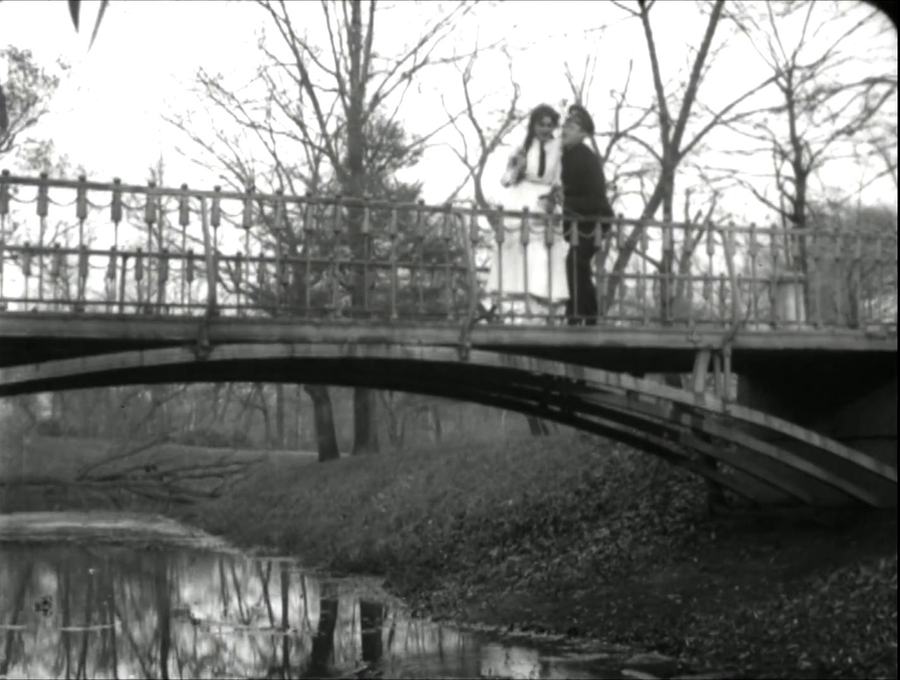
Beyond the professor's intellectual awakening, the film intricately weaves in a more personal, romantic subplot that serves as a potent metaphor for the broader societal changes. The younger son of the professor falls deeply in love with a factory worker's daughter, a union that transcends traditional class boundaries. This romance is not merely a saccharine diversion; it's a powerful symbol of the new social order being forged, one where individual merit and human connection supersede inherited status or economic standing. Their decision to marry is the ultimate manifestation of the revolutionary ideal of unity, a tangible representation of the merging of previously disparate social strata. It suggests that the future of the new society rests not just on intellectual enlightenment, but on genuine human bonds that defy the old divisions. The film uses this personal narrative to humanize the grander ideological project, making the abstract ideals of class unity relatable and emotionally resonant.
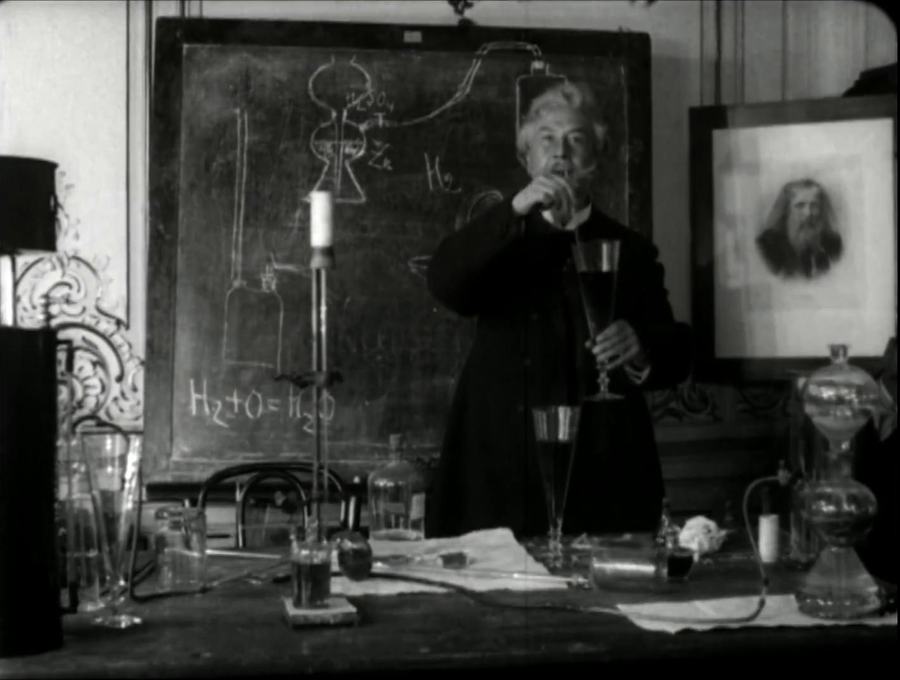
Visually, Congestion, like many films of its period, might appear stark by contemporary standards. Yet, within its aesthetic limitations, there's a compelling simplicity and directness. The cinematography, while likely straightforward, would have utilized close-ups to emphasize character emotions and medium shots to establish the social interactions within the professor's apartment and the workers' club. The use of intertitles, a ubiquitous feature of silent cinema, would have been crucial not just for dialogue but for conveying ideological pronouncements and narrative exposition, guiding the audience through the film's thematic landscape. One can imagine the subtle visual cues used to differentiate the professor's initially ordered, perhaps even cluttered, academic environment from the more communal, bustling atmosphere of the factory and the workers' club. The contrast in settings would underscore the journey from individualistic intellectualism to collective social engagement.
Thematically, Congestion grapples with the profound questions of class, education, and social mobility in a revolutionary context. It posits that true societal progress requires not just political upheaval but a fundamental reorientation of individual values and collective aspirations. The professor's arc is central to this, illustrating the importance of intellectuals in guiding and educating the masses, but also the necessity for intellectuals to shed their aloofness and engage directly with the people. This film, in essence, champions the idea of a symbiotic relationship between theory and practice, between the intellectual and the laborer, a cornerstone of Marxist thought. It advocates for a society where knowledge is a shared resource, not a guarded privilege, and where personal relationships can transcend the artificial barriers of class.
Comparing Congestion to other films of its era provides valuable context. While films like The Girl Without a Soul or Her Condoned Sin might have explored individual moral quandaries or melodramatic interpersonal conflicts, Congestion firmly plants its feet in the fertile ground of social realism and ideological messaging. Where many American or European films of the time, such as Hazel Kirke or Her Greatest Love, often focused on romantic entanglements within existing social hierarchies, Congestion explicitly aims to dismantle those hierarchies through its central romance. It shares a certain didactic quality with some early Soviet works, yet its humanistic approach to bridging class divides through education and love gives it a particular warmth. It's less about the grand, sweeping gestures of revolution and more about the quiet, internal transformations that underpin societal change.
The film's title itself, 'Congestion,' is open to intriguing interpretations. It could refer to the intellectual 'congestion' within the professor's mind, a wealth of knowledge waiting to be disseminated. Or perhaps it alludes to the societal 'congestion' of old ideas and class structures that the revolution sought to alleviate. More subtly, it might even hint at the 'congestion' of human interaction and burgeoning ideas within the professor's apartment, a space becoming crowded with new thoughts and new people. This ambiguity allows for a deeper engagement with the film's core themes, inviting viewers to ponder the multi-faceted nature of the societal transformation it depicts. It underscores the idea that progress often involves a breaking down of old barriers, a clearing of paths for new ideas and relationships to flourish.
The legacy of Congestion, while perhaps not as globally recognized as some later Soviet masterpieces, is significant within the context of early revolutionary cinema. It demonstrates the immediate turn towards using film as a means of popular education and ideological unification. Lunacharsky, a visionary in his own right, understood the power of the moving image to shape public consciousness and to articulate the complex ideals of a new political system. The film's emphasis on the professor's journey reflects the party's desire to integrate the pre-revolutionary intelligentsia into the new order, to harness their expertise for the benefit of the working class. It’s a call for collaboration, for mutual respect between intellectual labor and manual labor, an ideal that was central to the communist vision.
In an era where cinema was still finding its voice, Congestion stands out as an earnest attempt to craft a narrative that was both engaging and ideologically purposeful. It avoids the overt agitprop often associated with later Soviet films, instead opting for a more nuanced portrayal of societal evolution through individual transformation. The film's enduring message, that education and genuine human connection can dismantle the most entrenched social barriers, resonates even today. It reminds us that revolutions, whether political or personal, are often built upon a series of small, significant interactions that gradually shift the collective consciousness. The decision of the professor's son and the worker's daughter to marry isn't just a happy ending; it's a symbolic declaration of a new dawn, a future forged on principles of equality and shared destiny.

The film's exploration of intellectual responsibility is particularly compelling. The professor isn't just a passive recipient of working-class interest; he actively embraces the call to share his knowledge, moving from the cloistered environment of his home to the public sphere of the workers' club. This outward movement signifies a crucial ideological shift: knowledge is not to be hoarded but disseminated, becoming a tool for collective empowerment. This concept was revolutionary in itself, challenging centuries of elitist academic traditions. The film, therefore, acts as a blueprint for the role of intellectuals in the new Soviet society, positioning them as guides and educators rather than detached observers. It’s a testament to Lunacharsky's vision for a culturally rich and intellectually engaged populace, where learning is accessible to all, irrespective of social standing.
Furthermore, the depiction of the factory workers is noteworthy. They are not portrayed as an undifferentiated mass but as individuals with a genuine desire for self-improvement and intellectual growth. This humanization of the working class, showing their initiative in seeking out the professor, counters any simplistic portrayal of them as merely objects of instruction. It underscores the film's belief in the inherent capacity for learning and development within all members of society. This perspective lends a profound sense of dignity to the characters and strengthens the film's overarching message about the potential for a truly egalitarian society. The workers' club, therefore, becomes more than just a setting; it's a vibrant hub of intellectual exchange, symbolizing the collective thirst for knowledge that would drive the new nation forward.
In conclusion, Congestion is far more than a historical curiosity. It’s a thoughtfully constructed piece of early Soviet cinema that uses an intimate narrative to explore grand societal themes. Its portrayal of intellectual awakening, class bridging, and revolutionary romance offers a unique window into the ideals and aspirations of a nation in flux. For anyone interested in the origins of Soviet film, the intersection of art and ideology, or the social commentary inherent in silent cinema, Congestion remains a vital and illuminating watch. It’s a testament to the fact that even in its nascent stages, cinema possessed the power to not only reflect but actively shape the world around it, offering visions of a transformed future through compelling human stories.

IMDb —
1918
Community
Log in to comment.