DbcultAccessing Vault...
Cult Review
Senior Film Conservator
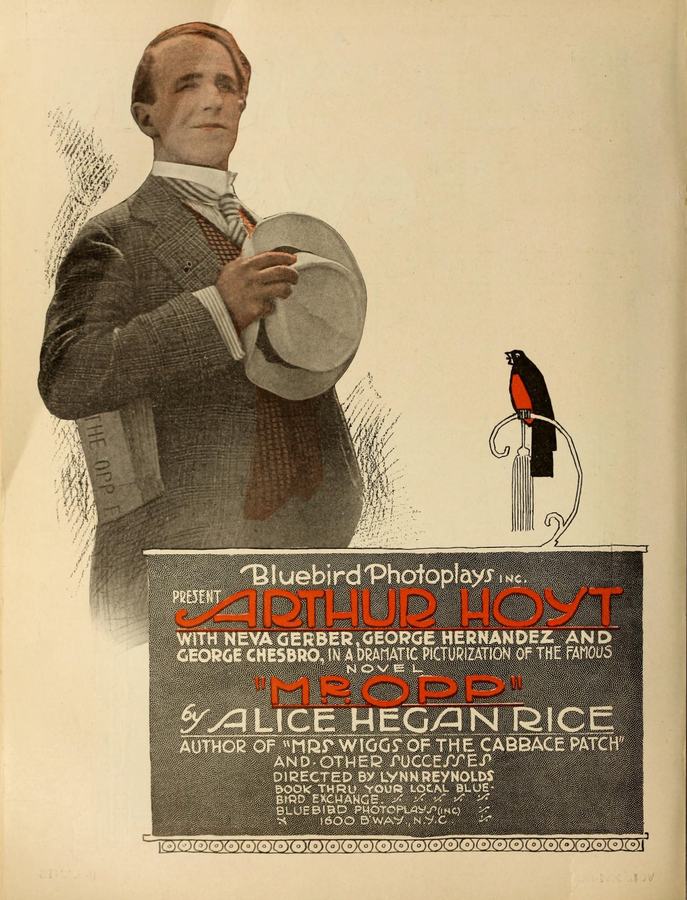
In the annals of early cinema, where the grand gestures and expressive visages of silent performers communicated narratives with an eloquence beyond words, certain films emerge as timeless testaments to the human spirit. Mr. Opp, a 1917 production, is precisely one such cinematic artifact, a poignant and often surprisingly resilient portrayal of an individual whose unwavering optimism serves as both his greatest strength and, at times, his most profound vulnerability. This is not merely a recounting of events, but a deep dive into the soul of a character who, despite facing a relentless barrage of setbacks, refuses to surrender to cynicism, embodying a uniquely American brand of perseverance that resonates even a century later.
The film introduces us to Daniel Webster Opp, a figure whose very name seems to echo a forgotten era of earnestness and aspiration. Initially, Opp is a man adrift, his entrepreneurial ventures often teetering on the brink of comical failure. Yet, through it all, his spirit remains stubbornly buoyant, a quality that eventually propels him to a modest but significant triumph as a traveling salesman for a shoe firm. This initial success, however, is but a fleeting moment of sunshine before the inevitable storm clouds gather. The news of his stepfather's death calls him back to Cove Junction, a sleepy, unassuming town that will soon become the crucible for his most significant trials and, ultimately, his most profound transformations. It is here that the narrative truly begins to unfurl, revealing the intricate tapestry of Opp's character against the backdrop of familial obligation and community aspiration.
Upon his return, Opp finds himself confronting not only grief but also the stark reality of his brother Ben's avarice. Ben, a character painted with broad strokes of self-interest, swiftly manipulates the estate settlement, seizing the family's financial assets and leaving Daniel with little more than the ancestral homestead and a far greater burden: the care of their feeble-minded half-sister, Kippy. This pivotal moment could easily have broken a lesser man, plunging him into despair. Instead, it serves as a catalyst for Opp's most profound act of selflessness. He accepts Kippy's custody with an admirable grace, sacrificing his newfound professional mobility and any lingering personal ambitions to remain in Cove Junction, dedicating himself entirely to her well-being. This decision is the linchpin of the entire narrative, cementing Opp's identity not just as an optimist, but as a man of deep, unwavering principle.
It is from this crucible of sacrifice that The Opp Eagle takes flight. Recognizing the stagnation of Cove Junction and imbued with an unshakeable belief in its dormant potential, Opp founds a local newspaper. His editorials, brimming with an almost evangelical zeal for civic improvement, become the heartbeat of the town. They are not merely reports but fervent exhortations, a clarion call to action, promoting Cove Junction with an enthusiasm that borders on the infectious. This venture is more than a business; it’s a personal mission, a testament to his conviction that every place, every person, holds the seed of greatness waiting to be nurtured. George Chesebro, in the titular role, conveys this blend of earnestness and slight naivete with remarkable subtlety for the silent era, using his expressive face and body language to paint a vivid portrait of a man driven by an almost childlike faith in the good of the world.
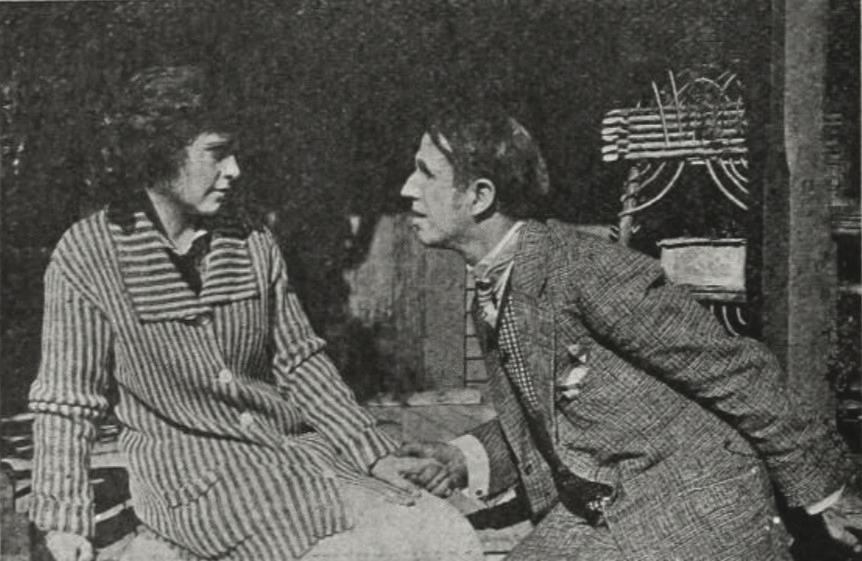
Opp's tireless advocacy for Cove Junction eventually attracts the attention of John Mathews, a wealthy and astute promoter. Mathews, intrigued by Opp's optimistic pronouncements of the town's potential, particularly the rumored presence of coal deposits, arrives to investigate. This development introduces a new dynamic, pitting Opp's guileless idealism against Mathews' calculating pragmatism. Opp, ever the community champion, becomes an unwitting pawn in Mathews' grand design, passionately urging his fellow townspeople to invest their hard-earned savings in the prospective mine. The vision of prosperity, of Cove Junction transforming into a bustling industrial hub, is a powerful lure, fanned by Opp's genuine belief.
However, the promise of black gold proves to be nothing more than a mirage. The mine is worthless, a cruel twist of fate that leaves the townspeople disillusioned and Opp himself reeling from the devastating impact of his unwitting complicity. Mathews, devoid of Opp's moral compass, swiftly decides to cut his losses, preparing to sell his interests to a rival, a move that directly contravenes Opp's desperate pleas. This betrayal is a crushing blow, not just to the town's economic prospects, but to Opp's faith in humanity's better angels. It's a stark reminder that not everyone shares his benevolent worldview, and that cynical self-interest can easily exploit genuine goodwill. The film, through this narrative turn, subtly explores the dangers of unchecked capitalism and the vulnerability of small communities to external forces, a theme that remains profoundly relevant.
Adding to Opp's mounting tribulations is a personal heartache that resonates deeply with the viewer. His affection for Guinevere Gusty, a vivacious and charming woman, is palpable, yet their paths diverge. In a cruel twist, Guinevere finds herself drawn to Willard Hinton, Mathews' smooth and sophisticated secretary. This romantic entanglement further isolates Opp, stripping away another layer of his personal happiness. It's a classic cinematic trope – the good-hearted but slightly awkward hero losing the girl to the more polished, if less sincere, rival. Yet, even in the face of this profound personal disappointment, Opp's spirit refuses to be extinguished. His heartbreak is evident, conveyed through Chesebro's subtle shifts in expression, but it does not diminish his core essence. This resilience in the face of both public and private sorrow is what elevates Mr. Opp beyond a simple melodrama, making it a study in unwavering character.
The central thesis of Mr. Opp lies in its exploration of optimism as a driving force, a philosophy of life that transcends mere naiveté. Is Opp simply a fool, perpetually blind to the harsh realities of the world? Or is his unwavering cheerfulness a form of profound strength, a deliberate choice to seek the good even when surrounded by adversity? The film argues for the latter. His optimism isn't a passive state; it's an active, generative force. It compels him to care for Kippy, to found a newspaper, to fight for his town, even when others would have long since given up. This makes the film a compelling companion piece to other narratives of selfless dedication, perhaps echoing the quiet heroism found in films like The Little Samaritan, where individual acts of kindness ripple through a community. Opp’s journey offers a powerful counter-narrative to the cynicism that often pervades modern storytelling, reminding us of the enduring value of hope.
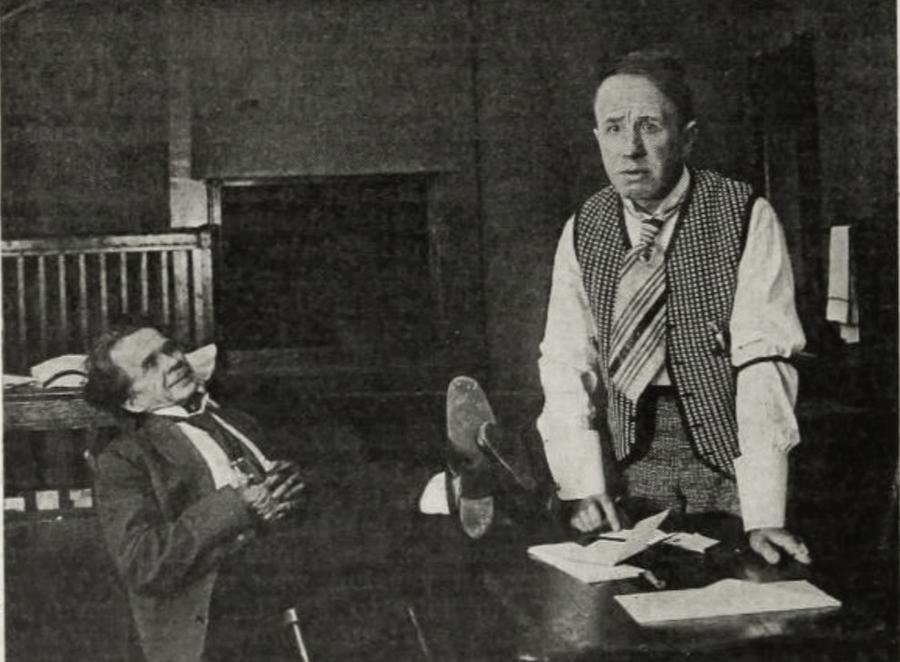
The film also delves into the intricate relationship between the individual and the community. Opp's dedication to Cove Junction is absolute, even when the townspeople, swayed by Mathews' promises or their own despair, turn against him. Yet, in the end, it is this very dedication, this unyielding belief in their collective future, that earns him their ultimate respect and admiration. His nomination for mayor is not just a reward; it is a recognition that true leadership stems not from shrewdness or wealth, but from an unblemished heart and an unwavering commitment to the common good. This theme of community resilience, often tested by external pressures, can be seen in other films of the era that celebrated local spirit, perhaps even drawing parallels to the subtle social commentaries found in films like The Suburban, though with a distinct emphasis on internal fortitude rather than external relocation.
As a product of the silent era, Mr. Opp relies heavily on visual storytelling and the nuanced performances of its cast. George Chesebro, in particular, delivers a masterclass in silent acting. His portrayal of Daniel Webster Opp is a delicate balance of earnestness, vulnerability, and an almost preternatural resilience. He avoids caricature, ensuring that Opp's optimism never tips into outright foolishness, but rather appears as a deeply ingrained aspect of his character. Through subtle facial expressions, gestures, and body language, Chesebro conveys Opp's internal struggles, his moments of doubt, and his unwavering resolve, making him a profoundly empathetic figure. The supporting cast, including Anne Lockhart as Guinevere Gusty and Arthur Hoyt as the cunning John Mathews, provide solid performances that anchor the narrative, allowing Opp's character to truly shine.
The direction, while perhaps not groundbreaking in its technical innovation, effectively serves the story. The film utilizes intertitles judiciously, allowing the dramatic weight to fall squarely on the actors' performances and the visual composition of each scene. The pacing is deliberate, allowing the audience to fully immerse themselves in the small-town setting and the emotional journey of its protagonist. While the cinematic language of 1917 might appear simplistic by today's standards, it possesses a raw charm and directness that is often refreshing. The film doesn't rely on elaborate special effects or complex camera movements; instead, it focuses on the power of human emotion and narrative clarity, a hallmark of effective early filmmaking. This unadorned approach allows the core message of the film to resonate with an unblemished sincerity that might be lost in more elaborate productions.
Ultimately, Mr. Opp is more than just a historical curiosity; it is a timeless narrative about the power of the human spirit. It asks us to consider the true meaning of success and happiness, suggesting that they are not merely found in material wealth or romantic fulfillment, but in the unwavering commitment to one's values, to one's community, and to the well-being of those we hold dear. Daniel Webster Opp's journey is a powerful reminder that even in the face of betrayal, loss, and apparent failure, an optimistic heart can endure, and indeed, inspire. His eventual nomination for mayor is not a sudden reversal of fortune but a culmination of his consistent character, a recognition by the community that his persistent belief in them, and in himself, was never truly misguided.
In an era often characterized by rapid change and societal upheaval, both within the film's narrative and in the actual historical context of its production, Mr. Opp offers a comforting, yet challenging, vision of resilience. It champions the quiet heroism of the everyday man, the one who keeps striving, keeps believing, even when the odds seem insurmountable. For those seeking a glimpse into the emotional landscape of early American cinema, or simply a story that affirms the enduring power of a positive outlook, Mr. Opp remains a compelling and deeply moving experience. It is a film that, like its protagonist, leaves an indelible mark, proving that the brightest lights often shine from the most unexpected places.
IMDb —
1927
Community
Log in to comment.