DbcultAccessing Vault...
5.5/10
Senior Film Conservator
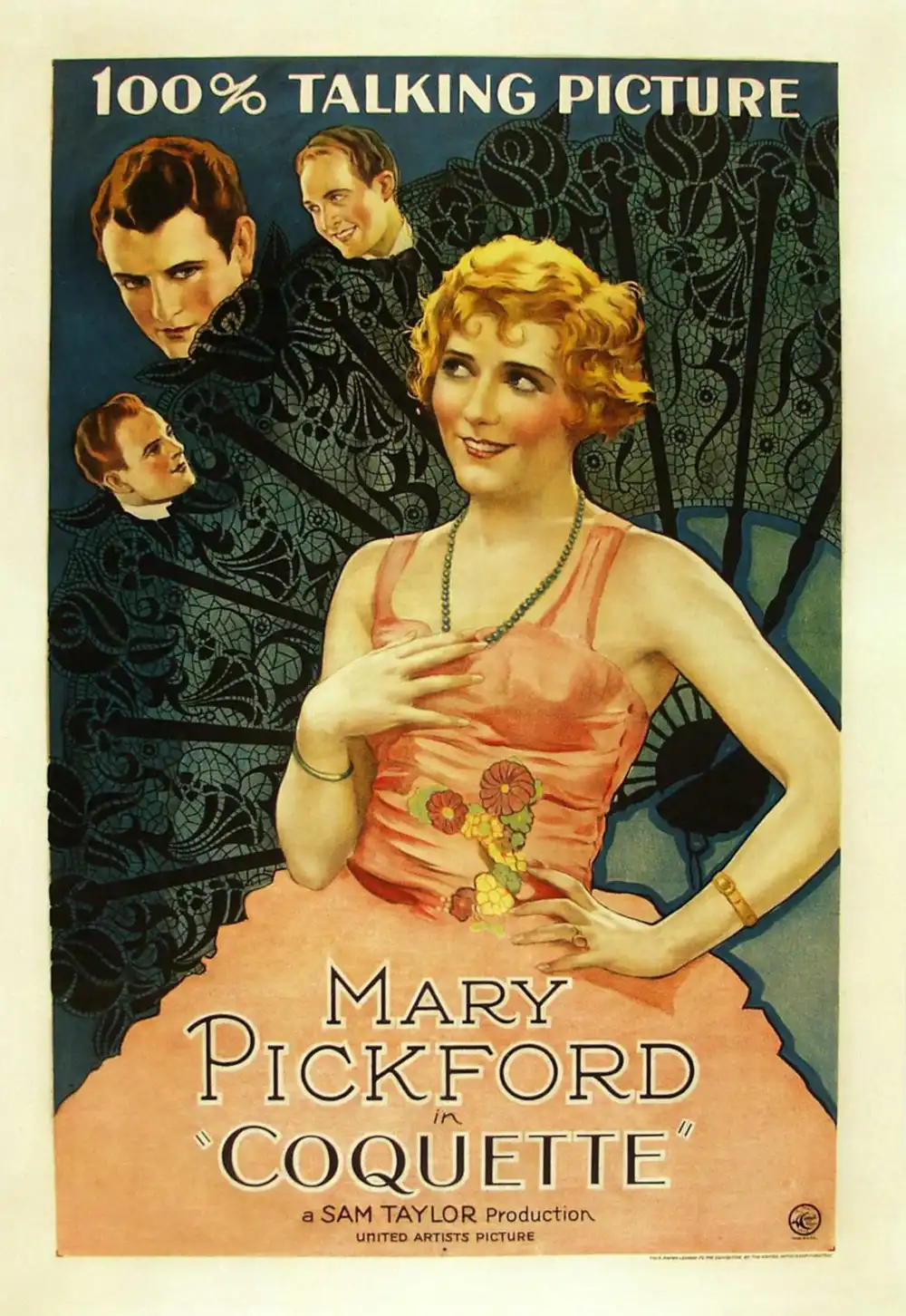
A definitive 5.5/10 rating for a film that redefined the boundaries of cult cinema. Coquette remains a cornerstone of transgressive art.
If you are looking for a masterpiece, Coquette is definitely not it. But if you want to see a legend like Mary Pickford try to figure out how to act with a microphone for the first time, it is worth a look today. 📺
History buffs will love the sheer weirdness of it. People who want fast-paced action or a logical plot will probably turn it off after ten minutes.
The movie is famous because Mary Pickford cut off her legendary curls for this role. It was a huge deal back then, like a cultural reset or something.
She plays Norma, a Southern belle who flirts with every man in town. She does this thing where she tilts her head and looks up through her lashes that feels very rehearsed.
The sound quality is... well, it's 1929. You can hear the hiss of the recording and sometimes the actors sound like they are shouting at a flower pot where the mic is hidden. 🎙️
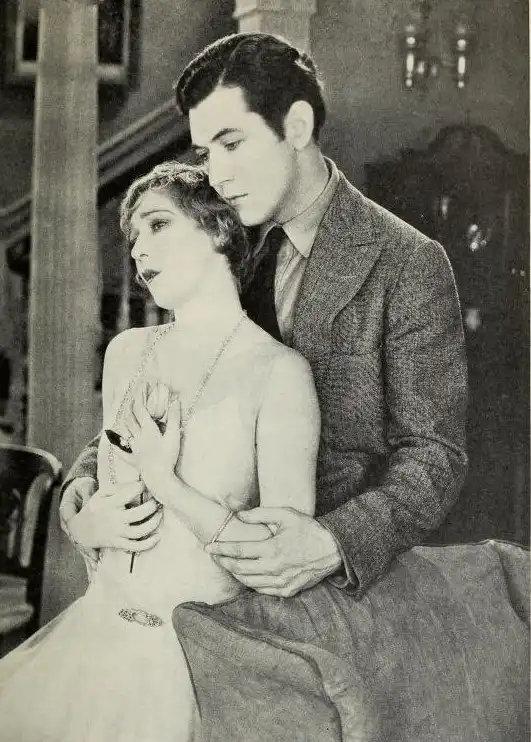
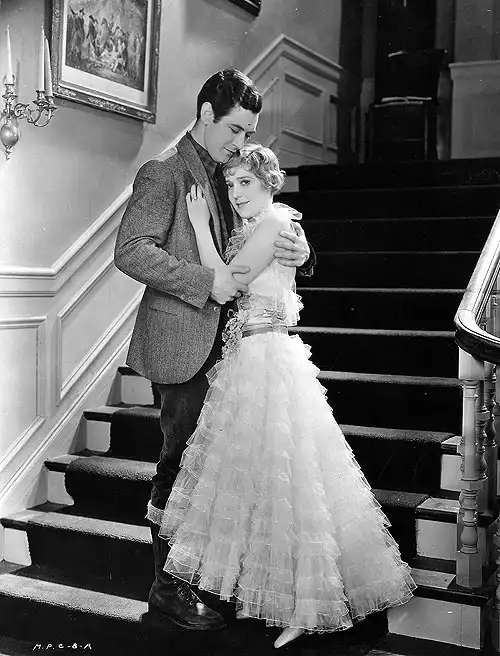
Norma falls for Michael, played by Johnny Mack Brown. He’s supposed to be this rugged guy from the hills, but he just seems a bit stiff.
Her father, Dr. Besant, is played by John St. Polis. He is the kind of movie dad who thinks he owns his daughter’s soul, which is super uncomfortable to watch now.
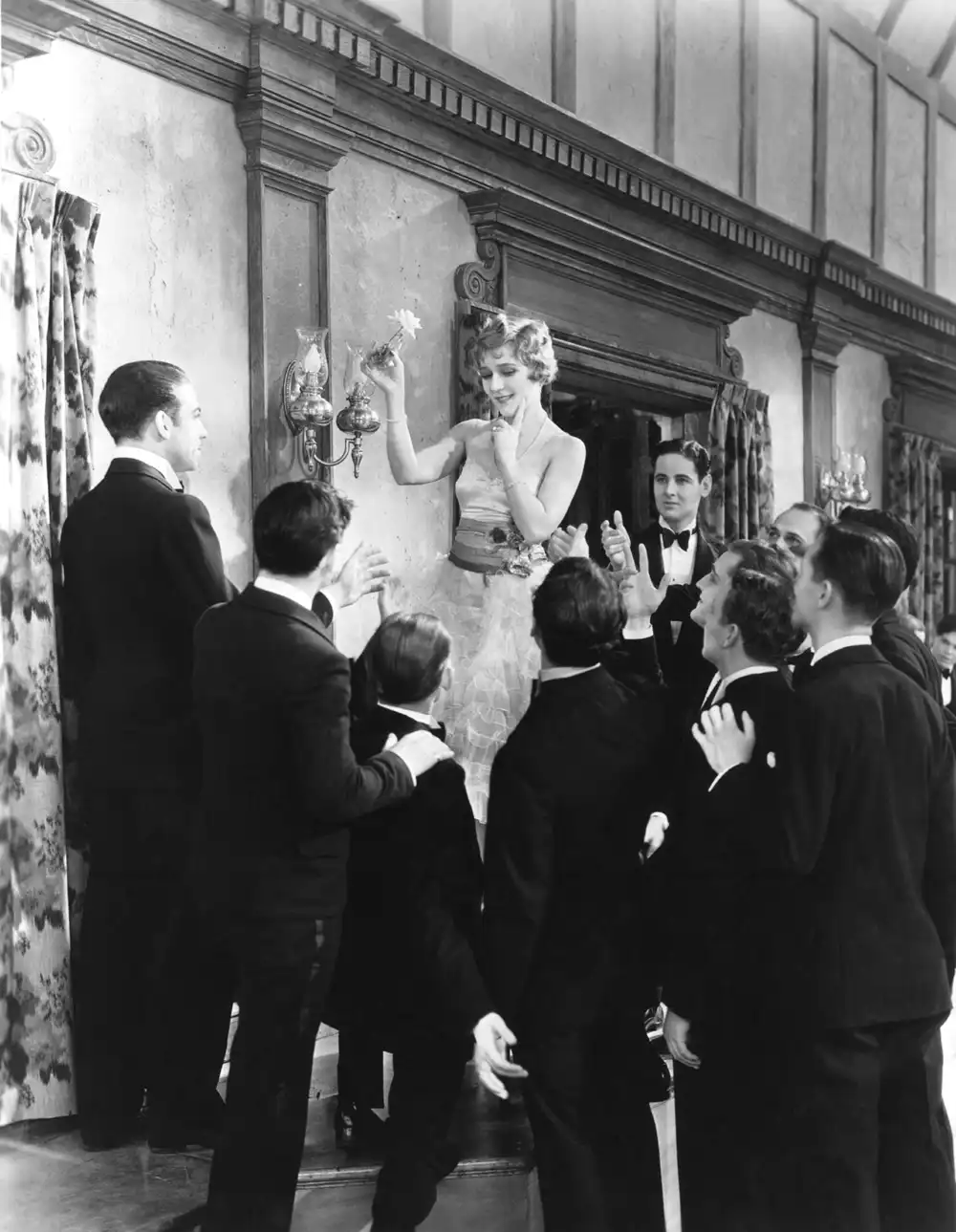
There is a scene early on where they are all at a party. The extras in the background look like they aren't sure if they are allowed to move or breathe because of the cameras.
It reminds me a bit of the awkward energy in Betty Be Good, where the transition to sound just felt heavy. The camera barely moves at all here.
The whole middle of the movie is just people sitting in living rooms talking about honor. So much talk about honor and what a lady should do.
Norma’s Southern accent is a choice. It comes and goes, mostly sounding like someone who heard a rumor about how people in Georgia speak. 🍑
One moment that really stuck with me is when Michael and the Dad finally have a confrontation. The silence in the room is so thick you can almost feel the dust on the set.
The dad ends up doing something pretty extreme. I won't spoil it, but it turns the movie from a light rom-com into a very dark tragedy almost instantly.
The shift in tone is jarring. It’s like the movie forgot what it was for the first forty minutes.
Then we get to the courtroom. I usually like legal dramas, but this one feels like it lasts three years.
Mary has to do a lot of crying on the stand. She’s good at it, but after the fifth minute of sobbing, I started looking at the wallpaper in the background.
The wallpaper is actually quite nice. Very ornate and typical of that 1920s stage-play aesthetic.
There is a maid character, played by Louise Beavers, who is basically there to give Norma tea and look worried. It’s a very small, stereotypical role that feels like a waste of her talent.
I kept thinking about The Young Lady and the Hooligan and how much more life silent films had compared to these early talkies. Sound really trapped the actors in place for a few years.
Mary Pickford won an Oscar for this. Honestly? It feels more like a lifetime achievement award than a win for this specific performance.
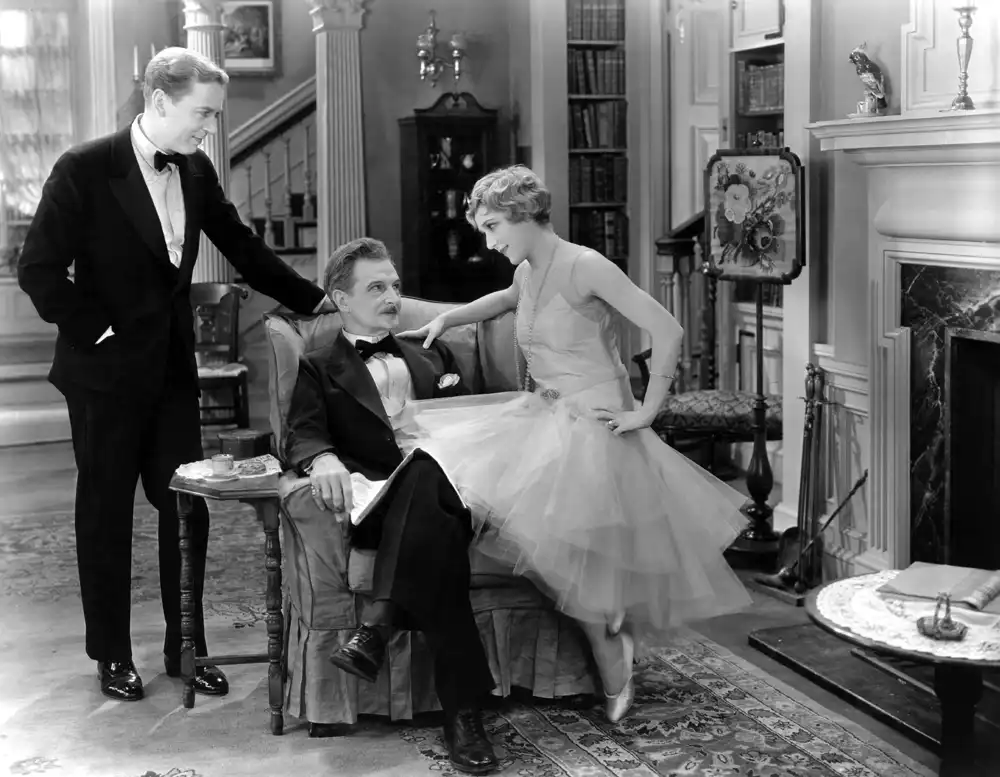
She is trying so hard to be modern and 'flapper-esque' but you can still see the silent film actress in her eyes. She reacts to things with her whole face in a way people don't really do anymore. 😮
There’s a bit where she’s holding a pistol and it looks way too heavy for her. The way she stares at it is actually one of the few genuinely chilling moments in the film.
The ending is abrupt. It just... stops. No real closure, just a fade to black that feels like the film ran out of money or the actors just wanted to go home.
Is it a good movie? Not really. It’s clunky and the pacing is like a car stalling in the mud.
But it’s a fascinating relic. You can see the exact moment the silent era died and the talkies took over, and it’s messy and loud and weirdly charming.
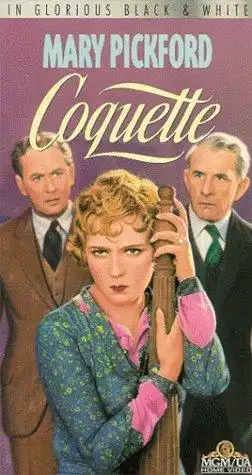
If you've seen things like The Pioneers, you know how rough early cinema can be. This is just a different kind of rough.
I’m glad I watched it, mostly so I can say I did. I probably won't ever watch it again though. 🤷♂️
The way the light hits the dust motes in the Besant house is probably the most beautiful thing about the whole production. It has this soft, hazy glow that makes everything look like a dream.
Sometimes the dialogue is so melodramatic it becomes funny. Like, people don't talk like this, even in 1929.
"My heart is a cold stone," or something like that. 🪨
Anyway, watch it if you like Mary Pickford. Skip it if you want to be entertained in a normal way.
IMDb —
1928
Community
Log in to comment.