DbcultAccessing Vault...
Cult Review
Senior Film Conservator
In the dark orange hues of a Texas sunset, a lone figure emerges, a former Ranger driven by an unyielding sense of justice and an unwavering commitment to those he holds dear. As the narrative of His Own Law unfolds, the complexities of the human condition are laid bare, revealing a tale of redemption, loyalty, and the unrelenting pursuit of truth. Set against the unforgiving backdrop of the Texan landscape, this 1922 film is a testament to the power of the human spirit, a spirit that perseveres in the face of overwhelming adversity.
The film's protagonist, a man of unimpeachable integrity, finds himself at the center of a maelstrom, as he endeavors to exonerate his sweetheart's brother, who has become embroiled in a treacherous dope smuggling affair. As the story progresses, the former Ranger's actions are misconstrued, and he is suspected of a heinous crime, one that threatens to destroy everything he holds dear. Yet, through a series of intricate plot twists, the truth begins to emerge, and the true culprits are brought to justice, their sea blue eyes blinded by the darkness of their own deceit.
In comparison to other films of the era, such as The Fable of the Romantic Mouse and At the Front, His Own Law stands out for its nuanced exploration of the human condition. While films like Little Miss Jazz and The Wolf and His Mate delve into the realms of romance and drama, His Own Law offers a more complex, multifaceted narrative, one that challenges the viewer to confront the darker aspects of human nature.
The film's cinematography, with its dark orange and sea blue hues, adds a layer of depth and complexity to the narrative, drawing the viewer into the world of the film. The use of lighting, in particular, is noteworthy, as it serves to underscore the emotional intensity of the scenes, creating a sense of tension and foreboding that propels the narrative forward. In this regard, His Own Law is reminiscent of films like Wild Honey and A Message from Mars, which also employ innovative cinematographic techniques to create a sense of atmosphere and mood.
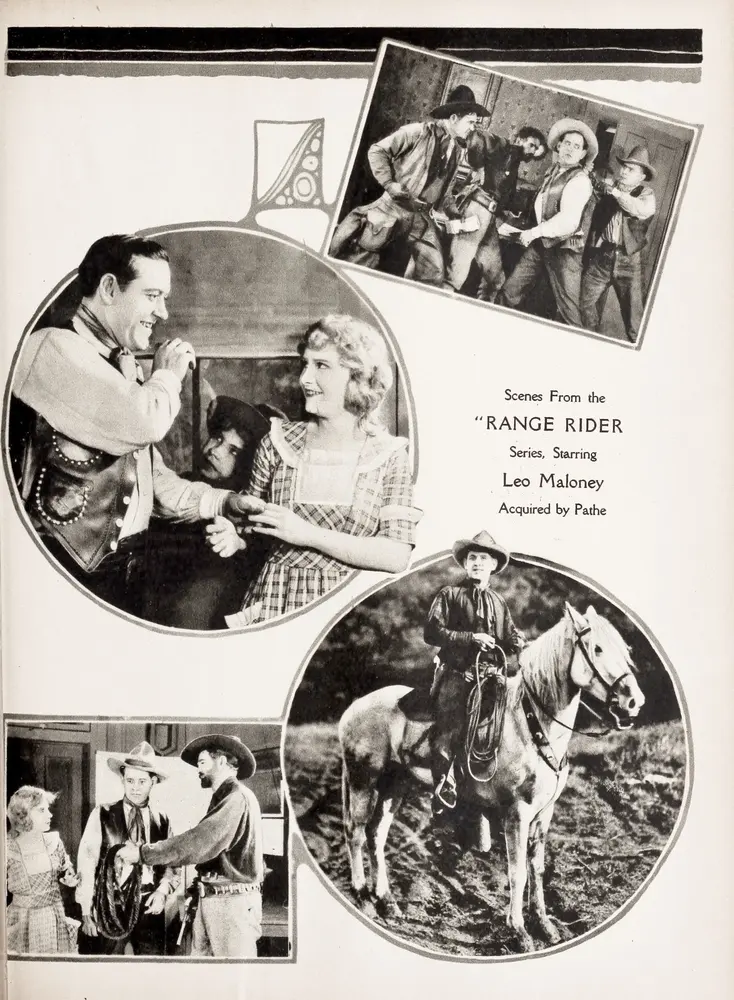
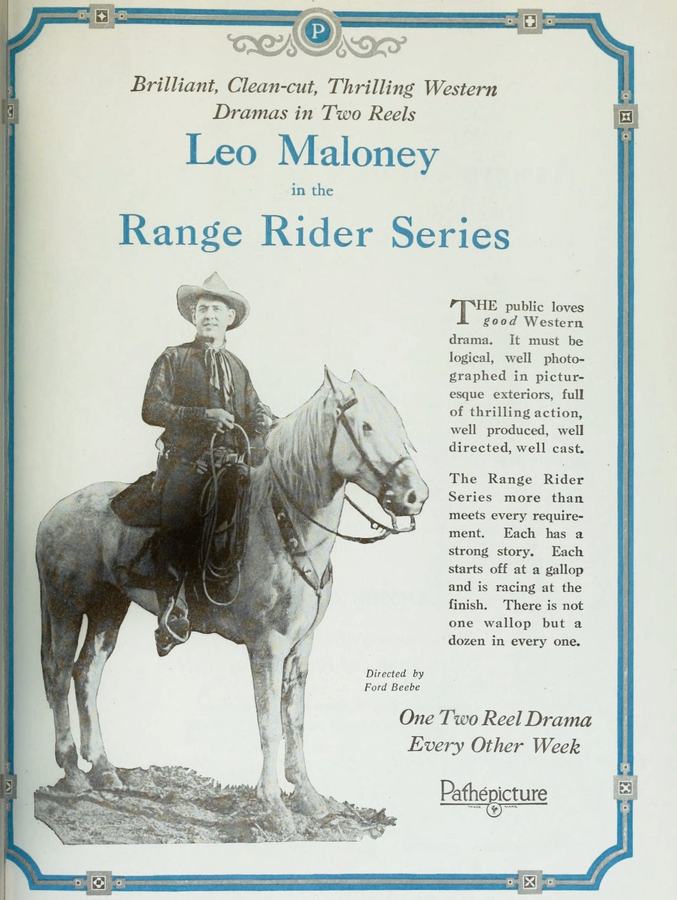
The cast, comprising Josephine Hill, Leo D. Maloney, Tom London, and Chet Ryan, delivers performances that are at once nuanced and compelling, bringing depth and complexity to their respective characters. The chemistry between the leads is palpable, and their interactions serve to underscore the emotional intensity of the narrative, creating a sense of tension and drama that propels the story forward. In comparison to other films of the era, such as The Restless Three and The Valley of Doubt, the cast of His Own Law stands out for its ability to convey the complexities and nuances of the human experience.
The screenplay, penned by Leo D. Maloney and Ford Beebe, is a masterful exploration of the human condition, weaving a complex narrative that is at once engaging and thought-provoking. The use of dialogue is noteworthy, as it serves to reveal the characters' inner thoughts and emotions, creating a sense of intimacy and immediacy that draws the viewer into the world of the film. In comparison to other films of the era, such as The Man Who Turned White and A Full House, the screenplay of His Own Law stands out for its nuance and complexity, offering a rich and rewarding cinematic experience.
In conclusion, His Own Law is a film that defies easy categorization, a complex and multifaceted narrative that challenges the viewer to confront the darker aspects of human nature. With its nuanced exploration of the human condition, its complex characters, and its thought-provoking themes, this 1922 film is a must-see for anyone interested in the art of cinema. Whether you are a fan of The Gasoline Buckaroo or High Heels, His Own Law is a film that will leave you spellbound and eager for more. So, if you haven't already, do yourself a favor and experience this cinematic masterpiece for yourself. You won't be disappointed.
As we reflect on the film's significance, it becomes clear that His Own Law is more than just a movie - it's a time capsule, a window into the past that offers a glimpse into the social, cultural, and historical context of the era in which it was made. Like Kino-Pravda No. 13: Yesterday, Today, Tomorrow. A Film Poem Dedicated to the October Revolution, His Own Law is a film that transcends its historical context, speaking to universal themes and emotions that continue to resonate with audiences today. Whether you're a film historian, a cinephile, or simply someone who appreciates great storytelling, His Own Law is a film that is sure to captivate and inspire, a true masterpiece of the cinematic art form.
In the end, His Own Law is a film that will leave you thinking long after the credits roll, a complex and multifaceted narrative that challenges you to confront the darker aspects of human nature. With its nuanced exploration of the human condition, its complex characters, and its thought-provoking themes, this 1922 film is a must-see for anyone interested in the art of cinema. So, if you're looking for a film that will challenge, inspire, and captivate you, look no further than His Own Law. Trust us, you won't be disappointed. For more great films like Oh'phelia and The Fall of Babylon, be sure to check out our other reviews and articles, and don't forget to follow us for the latest updates and news from the world of cinema.
IMDb —
1920
Community
Log in to comment.