DbcultAccessing Vault...
6/10
Senior Film Conservator
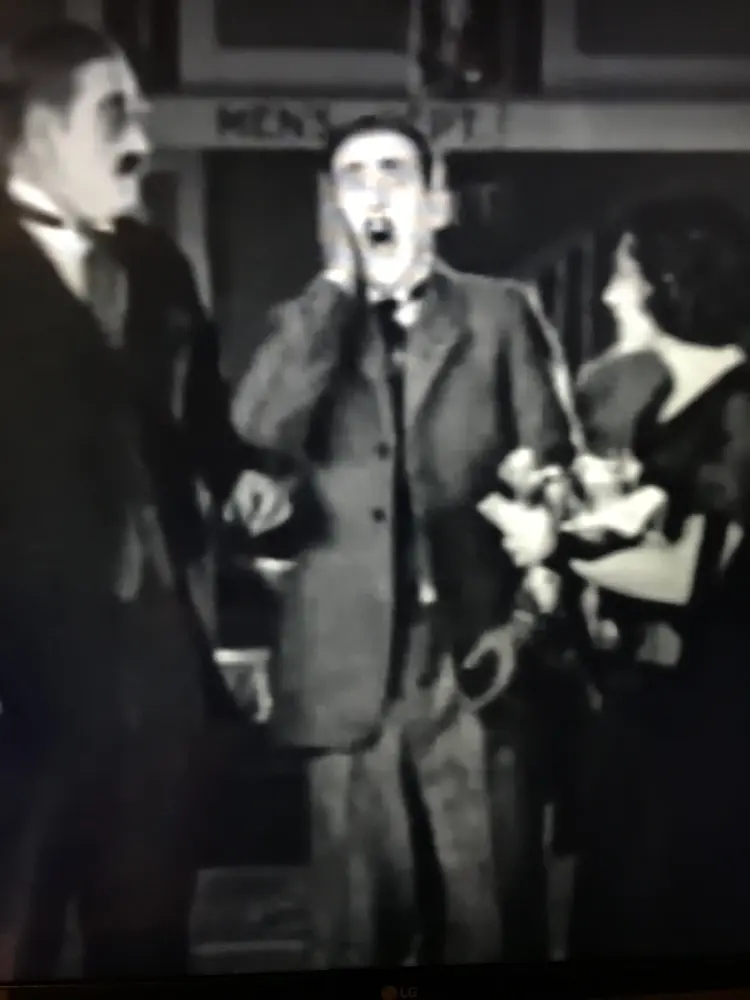
A definitive 6/10 rating for a film that redefined the boundaries of cult cinema. Tight Shoes remains a cornerstone of transgressive art.
To examine Tight Shoes is to peer into the high-octane laboratory of Hal Roach during a period when the grammar of screen comedy was being written in real-time. This 1923 short film doesn't merely depict the struggles of a novice clerk; it weaponizes the retail environment, turning every shoebox and stool into a potential catalyst for disaster. Unlike the sprawling epic realism found in Greed, which sought to capture the crushing weight of human avarice, Tight Shoes finds its resonance in the micro-aggressions of the service industry. It is a film that understands the inherent comedy in the 'green' employee—the individual who is perpetually two steps behind the rhythm of his own environment.
The film operates on a principle of escalating tension. We see the protagonist (James Parrott, often navigating these roles with a blend of bewilderment and misplaced confidence) attempting to maintain a veneer of professional decorum while his physical surroundings conspire against him. This is a recurring theme in the Roach oeuvre, where the protagonist is often an island of sincerity in a sea of absurdity. When compared to the domestic fragility explored in Old Lady 31, Tight Shoes trades sentimentality for pure, unadulterated velocity. The pacing is relentless, a hallmark of the Roach studio's 'gag-factory' approach that prioritized visual wit over narrative complexity.
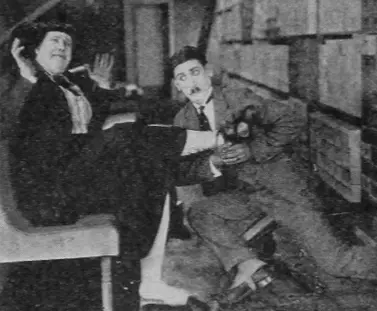
One cannot discuss Tight Shoes without acknowledging the inclusion of Jocko the Monkey. In the lexicon of silent comedy, the animal interloper was a frequent device used to inject a sense of primal unpredictability into structured social settings. Jocko doesn't just exist within the frame; he disrupts the very logic of the shoe store. This disruption serves to highlight the clerk's incompetence. While the clerk struggles with the civilized task of lacing boots, the monkey effortlessly navigates the verticality of the shop, mocking the rigid hierarchies of the human world. This juxtaposition creates a layer of satire that elevates the film beyond mere pratfalls.
The casting of Jobyna Ralston adds a layer of ethereal charm to the proceedings. Known primarily for her later work with Harold Lloyd, Ralston possesses a screen presence that is both luminous and grounded. In Tight Shoes, she represents the 'ideal' customer or the romantic interest that the protagonist is constantly trying to impress, yet failing miserably due to his own physical ineptitude. Her presence serves as the 'straight' element against which the madness of the store is measured. It is a dynamic we see echoed in other contemporary works, though perhaps with more somber undertones in films like A Tokio Siren.
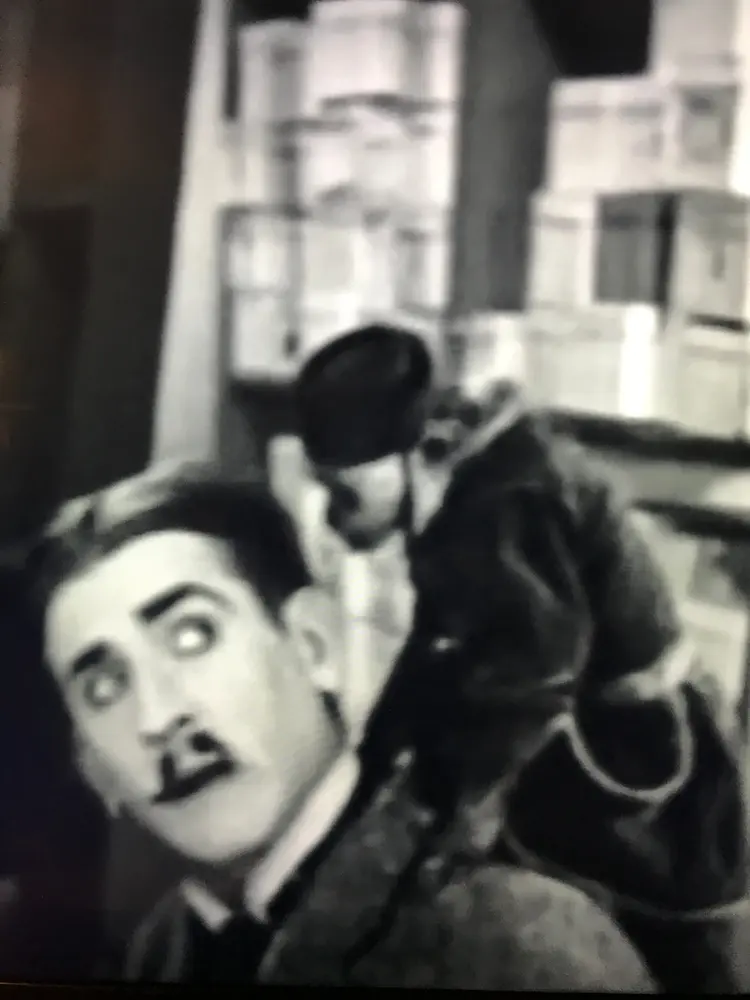
Technically, the film utilizes the cramped quarters of the shoe store to maximize the impact of its physical gags. The use of deep focus—or as close as 1923 technology allowed—permits the audience to see the impending doom in the background while the clerk is occupied in the foreground. This 'layered' comedy is what separates Roach's productions from the more simplistic 'run-and-jump' comedies of the era. There is a choreographed precision to the way the boxes fall, the way the ladders slide, and the way the customers react. It is a ballet of the mundane, much like the rhythmic movements found in Andy's Dancing Lesson, though here the 'dance' is one of survival rather than instruction.
The screenplay by Hal Roach himself demonstrates a keen understanding of the 'rule of three' and the importance of the 'slow burn.' We see the clerk fail once, fail twice, and then, just as he seems to have regained his footing, the third failure arrives with catastrophic proportions. This structural reliability is what made these shorts so digestible for audiences of the time, yet looking back, we can see the seeds of sophisticated situational comedy. It lacks the psychological darkness of La dixième symphonie, but it possesses a visceral honesty about the frustrations of the working man that is equally valid.
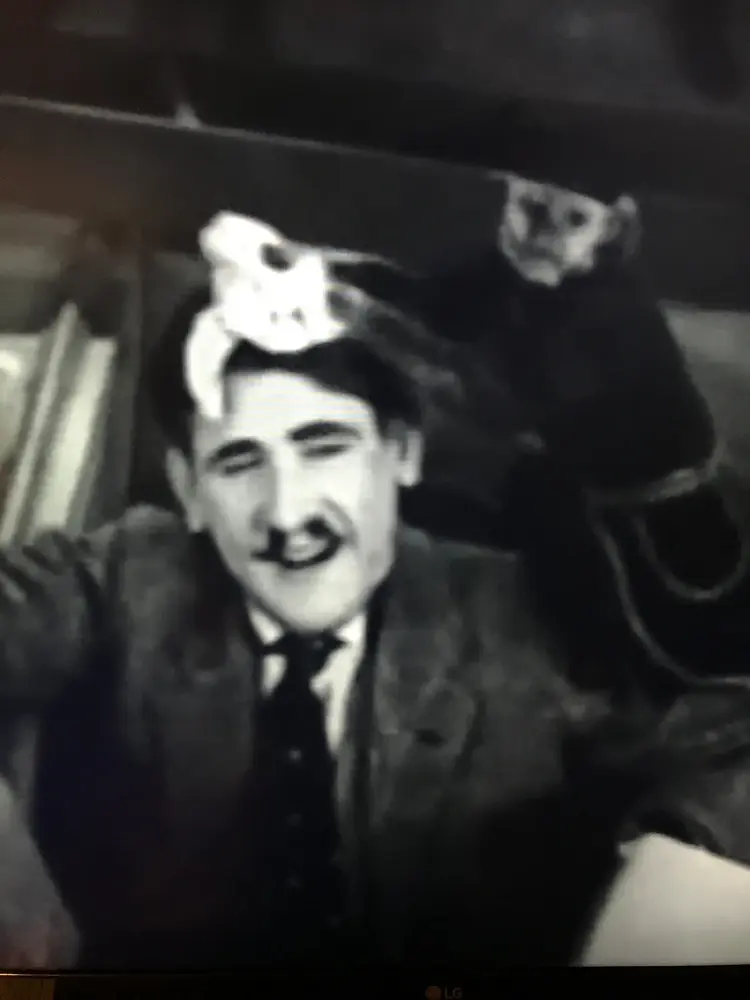
When situating Tight Shoes within the broader landscape of 1920s cinema, it serves as a fascinating counterpoint to the more dramatic or experimental works of the time. While European cinema was exploring expressionism in films like Die lachende Seele or the brooding atmosphere of Mysteriet paa Duncan Slot, the American comedy short was perfecting the art of the 'gag.' Tight Shoes is a testament to the fact that comedy does not require a vast canvas to be effective; it only requires a relatable plight and a perfectly timed reaction shot.
The 'green boob' archetype seen here is a precursor to the modern 'loser' protagonist. He is the man for whom the world is a series of sharp corners and slippery floors. This theme of social awkwardness and the struggle for dignity is universal, appearing in various guises across genres, from the crime-tinged The Adventures of Lieutenant Petrosino to the more primitive settings of Some Cave Man. However, in the setting of a shoe store, the struggle becomes uniquely tactile. The leather, the laces, the smell of polish—these are elements that the audience can almost sense, making the clerk's failure all the more palpable.
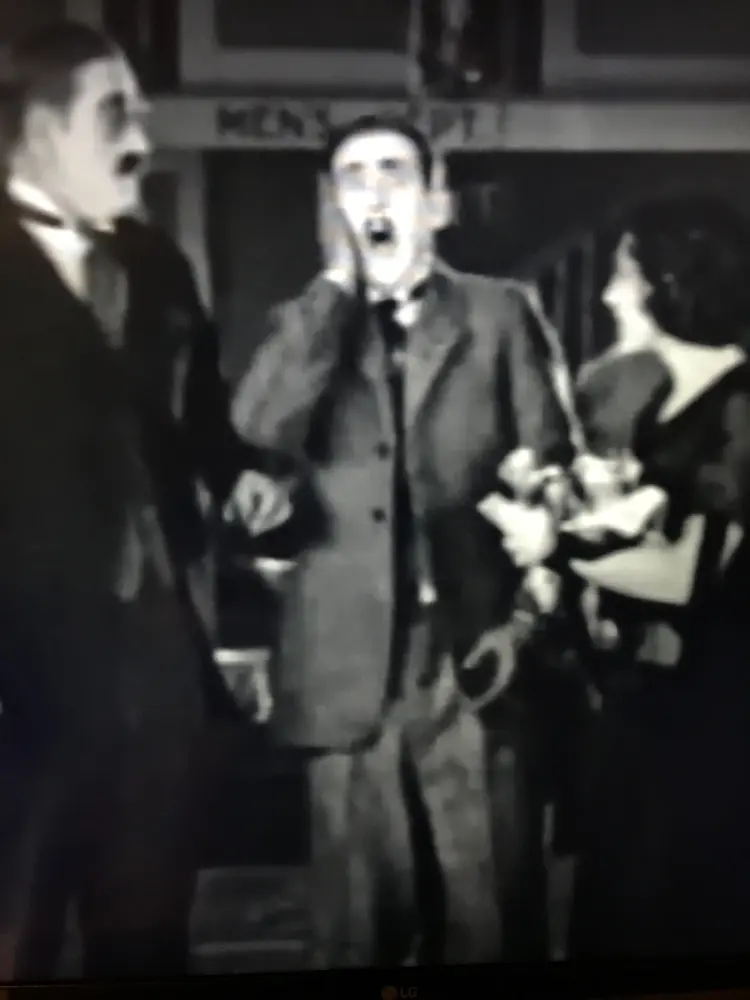
James Parrott, who would later go on to be a prolific director for Laurel and Hardy, displays here his innate understanding of the 'loser's' psychology. His performance is not merely about falling down; it's about the attempt to stay upright. His interactions with Sammy Brooks and Eddie Baker create a vibrant ensemble feel that was a hallmark of the Roach studio. Each character, no matter how small their role, feels like a permanent fixture of this shoe-centric purgatory. The film's ability to create a fully realized world within a few reels is a masterclass in economical storytelling.
In contrast to the moralizing tone of The Enemy Within or the heavy-handedness of Des Goldes Fluch, Tight Shoes offers no grand lessons. It does not preach about Humility, though the protagonist certainly experiences plenty of it. Instead, it celebrates the absurdity of the human condition. It suggests that while we may strive for professional excellence and social grace, we are all just one banana peel—or one unruly monkey—away from total humiliation. This egalitarian view of failure is perhaps the film's most enduring quality.
Ultimately, Tight Shoes remains a vital piece of the silent comedy puzzle. It lacks the polish of the later sound era but possesses a raw, unbridled energy that is often lost in more sophisticated productions. It is a film that rewards close viewing, revealing subtle nuances in the performances of Helen Gilmore and Mark Jones that might be missed on a first pass. The film's DNA can be found in everything from the physical comedy of Jerry Lewis to the retail-based frustrations of modern sitcoms.
For those interested in the evolution of the genre, Tight Shoes is an essential text. It occupies a space between the primitive slapstick of the 1910s and the refined feature-length comedies of the mid-20s. It is as much a historical document of 1920s retail culture as it is a comedy. Whether compared to the Western tropes of The Cowboy Ace or the dramatic intensity of Kvinden med de smukke Øjne, this short film holds its own by focusing on the small, painful, and hilarious truths of everyday life. The shoes might be tight, but the comedy is perfectly fitted for any era.
"In the world of Hal Roach, the shoehorn is not a tool; it is a weapon of mass embarrassment, and the clerk is the primary casualty of a war waged in the name of customer service."
Review by the Cineaste Critic | Exploring the depths of the Leon Drey era and beyond.
IMDb —
1926
Community
Log in to comment.