DbcultAccessing Vault...
5.5/10
Senior Film Conservator
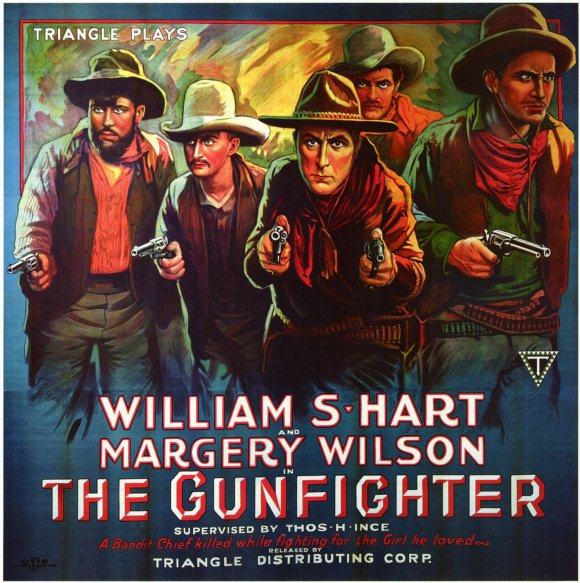
A definitive 5.5/10 rating for a film that redefined the boundaries of cult cinema. The Gun Fighter remains a cornerstone of transgressive art.
In the nascent days of cinematic storytelling, when the flickering images on silver screens were still finding their voice, a genre emerged from the dust and legends of the American West that would forever imprint itself upon the global consciousness: the Western. At its very heart stood figures of mythic proportion, none more compelling or authentically portrayed than William S. Hart. His stoic gaze, weathered features, and an unwavering commitment to a nuanced depiction of frontier life elevated him beyond mere cowboy heroics. Among his most poignant and enduring contributions is The Gun Fighter, a film that transcends simple action to delve into the very soul of a man haunted by his past, desperately seeking a path to absolution in a world he helped forge with lead and blood.
This isn't merely a tale of shootouts and daring escapes; it's a profound psychological drama cloaked in the rugged garb of the Arizona frontier. Hart's portrayal of Cliff Hudspeth is a masterclass in silent acting, conveying volumes with a subtle shift of expression, a weary slump of the shoulders, or the hard glint in his eyes. Hudspeth, the undisputed leader of a ruthless outlaw band, has carved his dominion through sheer force, his reputation as a gun-bully killer preceding him like a chilling wind across the desolate plains. His headquarters in the formidable Gila Mountains are less a refuge and more a fortress, a testament to his isolated power. Here, with his loyal lieutenant, Ace High, he plots further depredations, his existence a relentless cycle of violence and territorial defense. The film immediately establishes Hudspeth not as a caricature of evil, but as a product of his environment, a man whose very survival hinges on his capacity for ruthlessness.
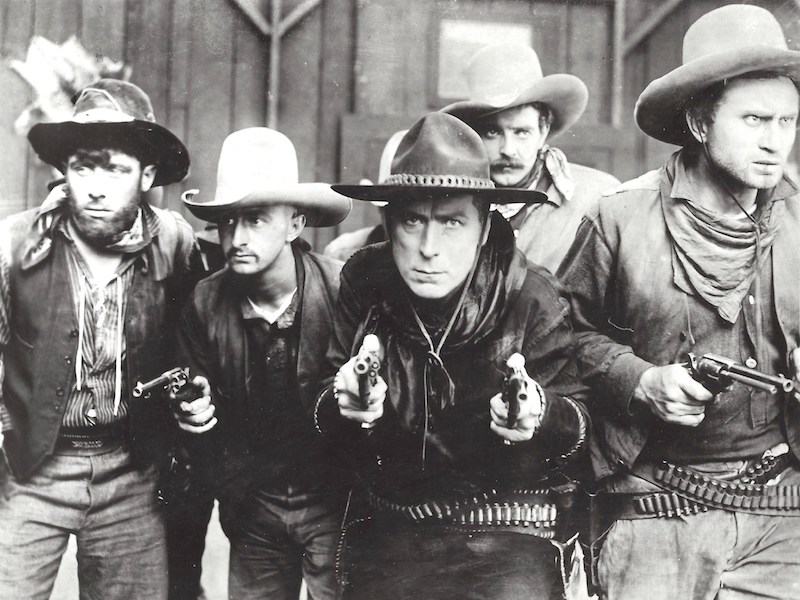
The narrative quickly introduces the primary antagonist to Hudspeth's reign: El Salvador, a cunning half-breed desperado whose own faction fiercely contests Hudspeth's authority. Their rivalry is not merely a clash of personalities but a struggle for control over a lawless land, epitomized by the constant, brutal skirmishes in the aptly named Desert Pass. The arrival of miners, their pockets heavy with gold, acts as a potent accelerant to the simmering tensions. El Salvador, ever opportunistic, dispatches his coarse henchman, Cactus Fuller, to orchestrate a hold-up, a scheme that proves brazenly successful. Fuller, emboldened by his triumph and perhaps too much liquid courage, retreats to the 'Golden Fleece' saloon, where he indulges in a boisterous, self-congratulatory display, boasting of the ignominies he would inflict upon Cliff Hudspeth should their paths ever cross. This moment of hubris sets the stage for Hudspeth's dramatic entrance, a pivotal scene that showcases his formidable presence and swift, decisive action. Without a word, Hart communicates Hudspeth's quiet menace, his reputation alone enough to silence the room. The subsequent humiliation of Cactus, unceremoniously ejected from the saloon, is not just an act of dominance but a symbolic assertion of Hudspeth's unbroken will, shattering Cactus's inflated ego and setting the wheels of personal vengeance in motion.
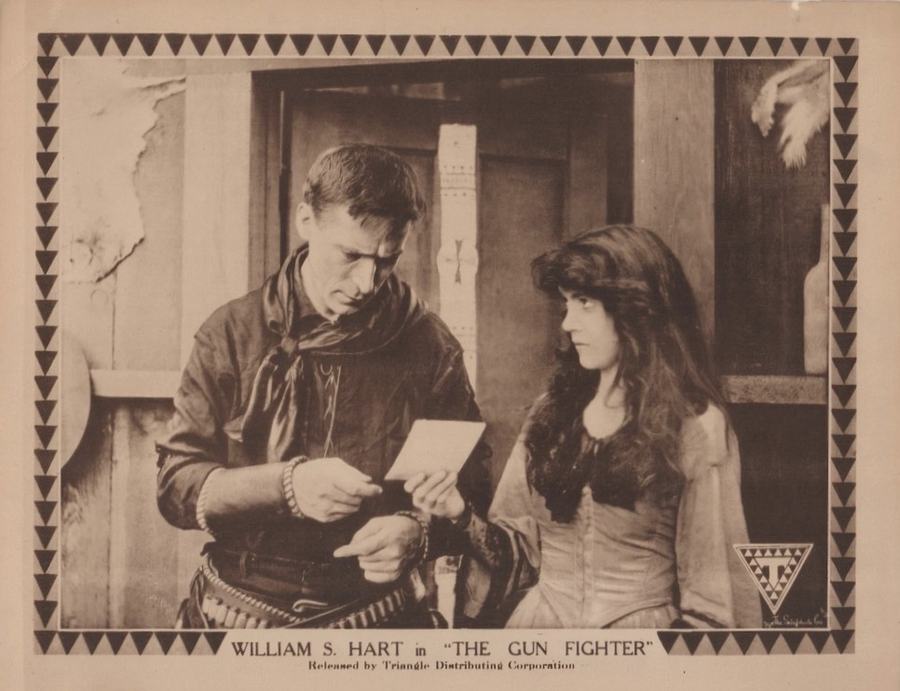
It is in the immediate aftermath of this confrontation that the film introduces its moral compass: Norma Wright, a milliner whose small, unassuming store stands in stark contrast to the saloon's boisterous chaos. Hudspeth, with an almost paternal instinct, waves her inside, anticipating the inevitable eruption of violence that follows his presence. The ensuing shootout, deftly choreographed for its era, sees Cactus defeated, further cementing Hudspeth's lethal efficacy. However, it is Norma's reaction that truly alters the trajectory of Hudspeth's existence. Her searing denouncement of him as a "cold-blooded murderer" strikes a chord deep within the outlaw's hardened exterior. This isn't the judgment of a rival or a lawman; it is the pure, unvarnished condemnation from an innocent, a voice of moral clarity in a world steeped in shades of gray. Her words, sharper than any bullet, pierce his armor of indifference, stinging him into a desperate, almost unthinking act. He seizes her, not out of malice but out of a profound, almost bewildered rage at her accusation, galloping out of town with his stupefied captive. This abduction, while morally reprehensible, is presented as an impulsive reaction to a shattered self-perception, a desperate attempt to silence the voice of his newly awakened conscience.
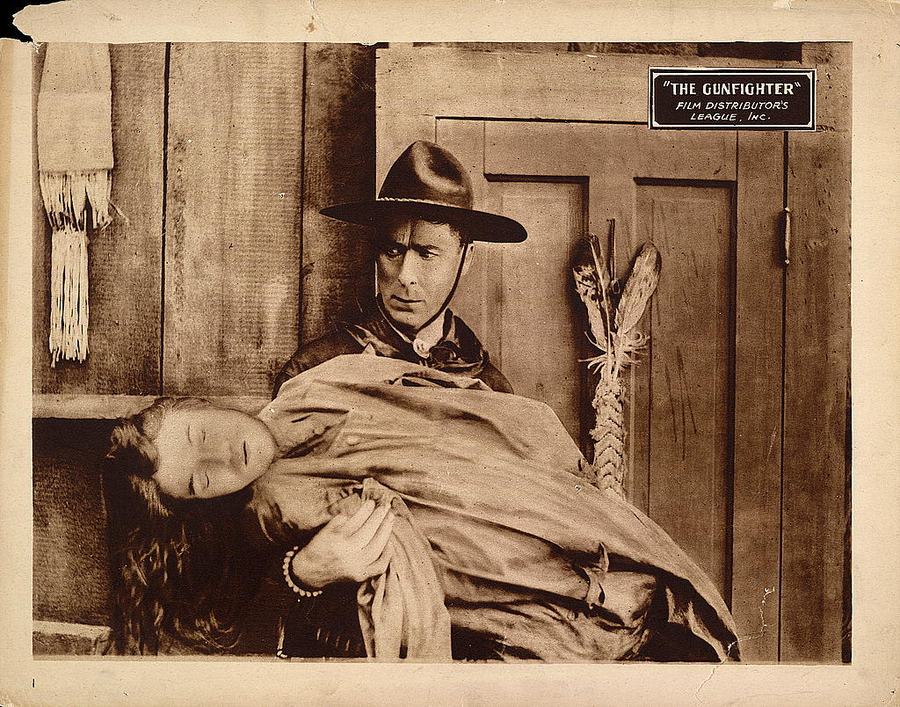
At his secluded retreat, the emotional maelstrom within Hudspeth intensifies. He locks Norma in a room, a prisoner of his turmoil, and seeks refuge in the numbing embrace of whiskey. Yet, the alcohol, far from providing solace, only serves to amplify his inner torment. It becomes a conduit for a hallucinatory journey into his past, a terrifying procession of his victims passing reproachfully before him. This sequence, a brilliant piece of silent film expressionism, vividly portrays Hudspeth's burgeoning guilt and the immense weight of his deeds. It is during this crucible of self-reflection that Norma, observing him from her confinement, begins to perceive the human side of the man beneath the hardened exterior. She witnesses his vulnerability, his anguish, and the profound regret that gnaws at his soul. This subtle shift in her perception is crucial; it transforms her from a mere victim into an agent of change. By morning, her quiet counsel, her unwavering moral stance, and her innate compassion bring him to a profound realization. She extracts from him a solemn pledge: he will never willingly take another human life. This vow, born of introspection and the gentle, persistent influence of a good woman, marks the true beginning of Hudspeth's arduous journey toward redemption.
The narrative then presents Hudspeth with an unexpected avenue for societal reintegration. An offer arrives from a member of the legislature: a full pardon and restoration of his citizenship, contingent upon his willingness to rid Arizona of the menace posed by El Salvador. The irony is palpable: to embrace a life of peace, he must first commit one final act of sanctioned violence. This complex moral dilemma is a hallmark of the Western genre, where the line between law and lawlessness is often blurred, and justice frequently demands a heavy toll. Hudspeth accepts, his new appointment as a sanctioned enforcer of justice reaching the ears of El Salvador. Predictably, the news ignites a furious rage in the half-breed desperado. In a brutal act of vengeance, El Salvador descends upon the town, setting it ablaze and forcibly dragging Norma away to his mountain stronghold. This act of wanton destruction and abduction serves as El Salvador's final, desperate challenge to Hudspeth's newfound path, forcing him to confront his past one last time.
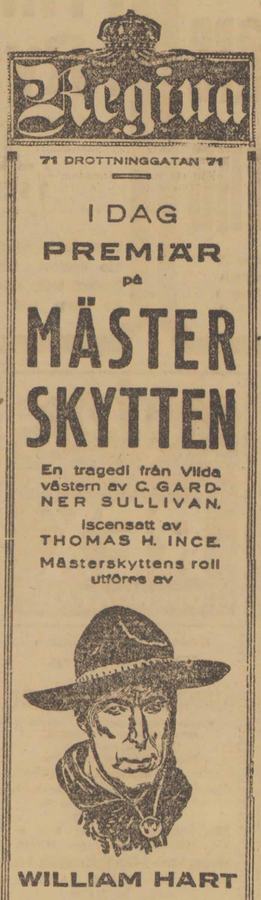
The climax of The Gun Fighter is a masterclass in tension and emotional payoff. Cliff Hudspeth, now driven by a dual purpose – his pledge to justice and his unwavering commitment to Norma's safety – embarks on a relentless pursuit. The final confrontation with El Salvador is inevitable, brutal, and tragically poetic. Hudspeth, true to his word and his new moral code, vanquishes his long-standing rival, but not without paying the ultimate price. Mortally wounded in the struggle, he performs one last, selfless act of heroism. He places Norma, safe but shaken, upon a horse, ensuring her escape to civilization and a future free from the violence that has defined his life. As the horse bears her to safety, Hudspeth succumbs to his wounds, passing away in the desolate mountains. His final moments are not of despair but of profound consolation, knowing that his last act of killing, the one that cost him his life, was not for personal gain or out of cold-blooded malice, but in the defense of the innocent. It is a death that redefines his life, transforming him from a feared outlaw into a tragic hero, a man who found redemption through sacrifice.
William S. Hart's performance as Cliff Hudspeth is arguably one of the most significant in early American cinema, defining the stoic, conflicted Western anti-hero for generations. His approach to the character was rooted in a deep understanding of the real West, a realism that resonated with audiences weary of simplistic portrayals. Hart's gunfighter is not a swaggering braggart but a man burdened by his own legend, seeking solace and meaning in a world that offers little of either. His ability to convey complex internal struggles without the aid of spoken dialogue is a testament to his artistry. Every gesture, every flicker of his eyes, every measured movement tells a story of regret, resolve, and ultimately, redemption. He imbues Hudspeth with a quiet dignity, even in his darkest moments, making his transformation all the more believable and emotionally impactful. The film's power lies not just in its action sequences, but in its meticulous exploration of Hudspeth’s internal landscape, a journey made palpable through Hart’s nuanced performance.
The film's visual language is equally compelling. The vast, sweeping landscapes of Arizona are more than mere backdrops; they are active participants in the drama, reflecting the characters' isolation, the harshness of their existence, and the boundless opportunities for both lawlessness and rebirth. The cinematography, though rudimentary by today's standards, effectively captures the grandeur and desolation of the frontier, enhancing the sense of scale and the perilous nature of Hudspeth's world. The use of intertitles, far from being a mere functional necessity, is skillfully integrated, often conveying Hudspeth's inner turmoil or Norma's moral pronouncements with poetic economy. For instance, the spectral visions of Hudspeth's victims, conjured by his whiskey-addled conscience, are a powerful visual metaphor for his guilt, a technique that transcends the limitations of silent film to deliver a truly visceral emotional experience. The film understands the power of suggestion and imagery, allowing the audience to fill in the unspoken gaps, drawing them deeper into the narrative's emotional core.
What truly elevates The Gun Fighter beyond a typical Western of its era is its profound thematic depth. It grapples with universal questions of morality and the possibility of redemption for those who have committed grievous wrongs. Is a lifetime of violence an insurmountable barrier to finding peace? Can one truly atone for their past deeds, especially when the path to atonement itself demands further violence? The film suggests a complex answer: redemption is not a simple absolution but a hard-won struggle, often culminating in personal sacrifice. Hudspeth's final act, dying to save Norma, is not an escape from justice but a profound embrace of a higher moral code. It’s a powerful statement that true heroism isn't about avoiding conflict, but about choosing the right battles and, if necessary, paying the ultimate price for a righteous cause. This nuanced exploration of an anti-hero's journey distinguishes the film, making Hudspeth a figure far more complex and compelling than many of his cinematic contemporaries.
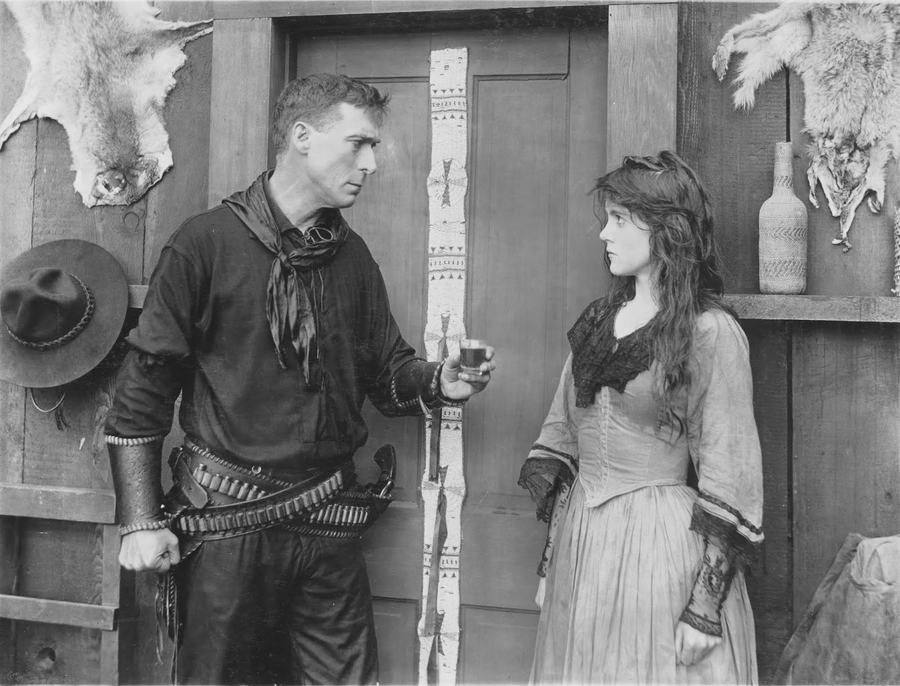
The enduring legacy of The Gun Fighter lies in its foundational influence on the Western genre. It helped to establish the archetype of the conflicted outlaw, the man of violence seeking a better path, a character type that would be revisited and refined in countless films for decades to come. Hart's commitment to portraying the psychological nuances of such a character, rather than simply glorifying his exploits, set a new standard for dramatic realism in the genre. His work, alongside writer Monte M. Katterjohn, crafted a narrative that was both thrilling and thought-provoking, demonstrating that silent cinema was capable of tackling complex moral dilemmas with grace and power. While other films of the period might have focused on grander spectacles or simpler narratives of good versus evil, The Gun Fighter dared to explore the internal landscape of its protagonist, making his journey of self-discovery and sacrifice its most compelling feature. It stands as a testament to the fact that even in an era without synchronized sound, profound human stories could be told with immense emotional resonance.
In conclusion, The Gun Fighter is far more than a relic of early cinema; it is a vibrant, compelling work that continues to resonate with audiences today. It is a powerful testament to William S. Hart's singular vision and his ability to craft a character of immense depth and complexity. Through Hudspeth's arduous journey from ruthless outlaw to tragic hero, the film explores the enduring themes of violence, conscience, and the arduous, often painful, path to redemption. It reminds us that even in the most lawless of landscapes, the human spirit yearns for meaning and grace, and that sometimes, the greatest acts of heroism are born from the deepest wells of regret. It is a cinematic triumph, a foundational pillar of the Western genre, and a timeless exploration of the human condition.
IMDb 6.2
1932
Community
Log in to comment.