DbcultAccessing Vault...
6.8/10
Senior Film Conservator
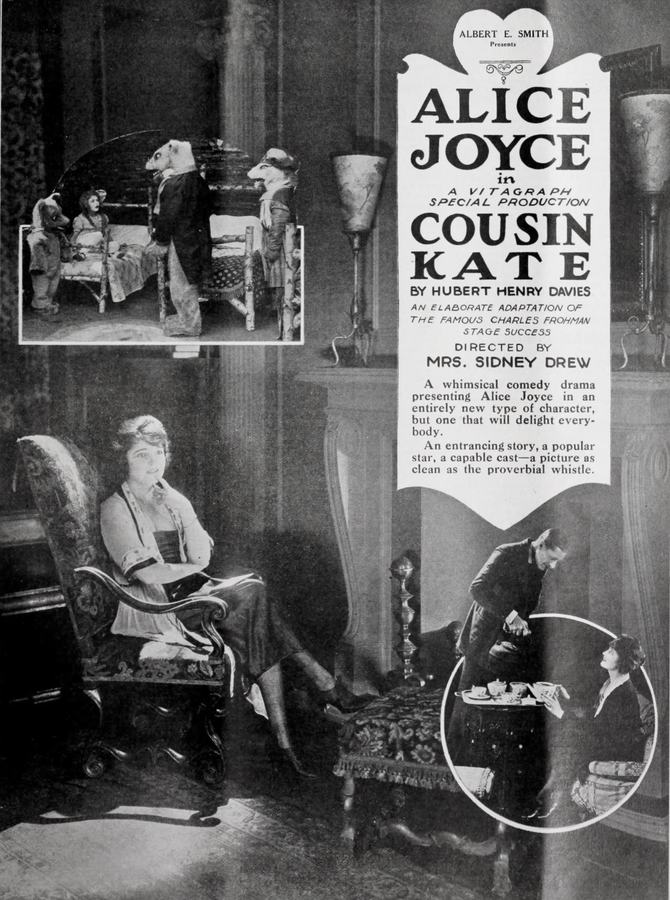
A definitive 6.8/10 rating for a film that redefined the boundaries of cult cinema. Cousin Kate remains a cornerstone of transgressive art.
Cousin Kate, a relic of the 1920s cinematic landscape, unfolds like a delicate watercolor painting—subtle in its hues, yet charged with emotional saturation. Directed with a painter’s eye for framing, the film weaves a narrative where the natural world mirrors the inner turbulence of its characters. Leslie Austin’s portrayal of Amy Spencer is a masterclass in restrained vulnerability; her engagement to Heath Desmond, the nature-worshipping artist (Henry Hallam), is a love affair with the untamed, a bond that resists the neat confines of societal expectation. Heath’s disdain for organized religion is not mere rebellion but an existential choice, a devotion to the raw, unfiltered beauty of the earth that stands in stark contrast to James Bartlett’s (Freddie Verdi) fervent, doctrine-bound passion for Amy.
The film’s first act crackles with tension as James, a minister whose love for Amy borders on the possessive, sows discord in her engagement. His sermons, delivered with a zeal that veers into manipulation, become a weapon against Heath, reducing their union to a casualty of moral policing. The breakup is handled with aching realism—no grand gestures, only the gradual erosion of trust. Amy’s anguish is palpable, a silent scream captured in Austin’s weary gaze, while Heath retreats into his art, finding solace in the wilderness that he perceives as untouchable by human folly.
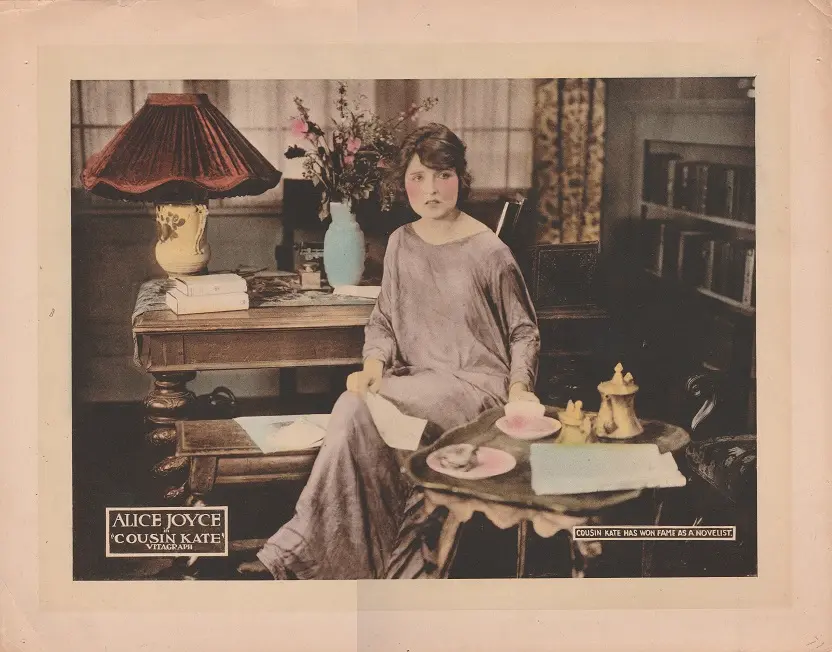
Enter Kate Curtis (Alice Joyce), the cousin summoned as a peacemaker but who emerges as the story’s linchpin. A novelist whose views on love defy the narrow parameters of her era, Kate is a character of contradictions: a romantic at heart yet unafraid to challenge the status quo. Her chance encounter with Heath on a rain-soaked train is a stroke of narrative genius. Their flirtation, conducted in anonymity, is a fleeting interlude of authenticity—a dance of two souls unburdened by prior allegiances. Joyce’s performance is a tour de force of sly wit and simmering emotion; her dialogue with Hallam crackles with an energy that suggests a deeper connection, one that transcends the superficial roles they play in the lives of others.
The storm that drives Kate to Heath’s home is more than a plot device; it is the catalyst for the film’s most resonant themes. Isolated in the artist’s sanctuary, Kate’s admission that her flirtation with Heath was a mere indulgence—a performance, not a revelation—strikes at the heart of the narrative. This moment, fraught with regret and clarity, is rendered with aching poignancy. Heath’s reaction is a masterclass in stoic despair, his love for Kate now entangled with the bitter truth of her ruse. Yet, the storm’s fury cleanses the air, allowing for a reckoning: Heath and Kate, stripped of pretense, confront the tangled web of their emotions, ultimately finding a resolution that is as unexpected as it is inevitable.
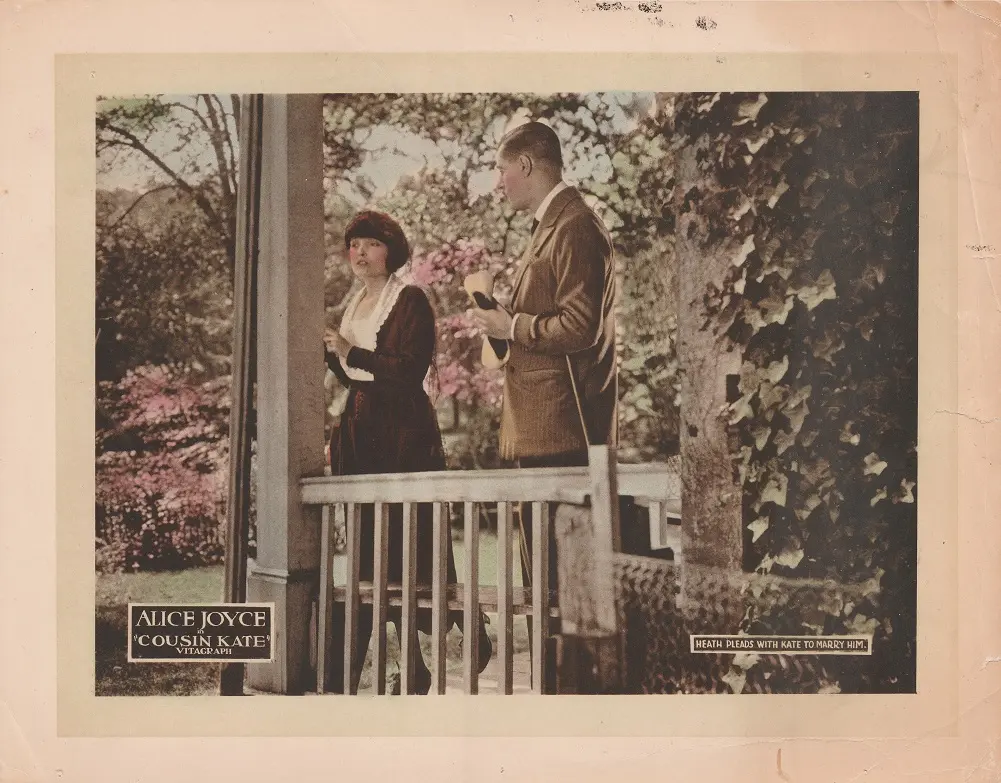
James’s proposal to Amy, delivered with the self-righteous conviction of a man who has won a battle he did not fully understand, underscores the film’s critique of moral absolutism. Bartlett’s love, though pure in intent, is a cage of dogma, a contrast to Heath and Kate’s more fluid, if fraught, connection. The final act, where the reunited pair emerge from their trials with a hardened understanding of love’s complexities, is a testament to the film’s thematic depth. It is not a tidy resolution but one that acknowledges the messiness of human connection, a truth that resonates with modern audiences.
The film’s visual language is equally compelling. The natural landscapes that frame Heath’s world—dense forests, stormy skies, and the golden hues of dappled sunlight—are not mere backdrops but active participants in the narrative. When Heath retreats into these spaces, he is not escaping his problems but confronting them, his art a reflection of his inner turmoil. The cinematography, with its soft focus and chiaroscuro lighting, enhances the dreamlike quality of the film, blurring the line between reality and the characters’ emotional states.
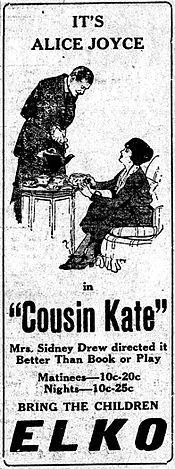
Comparisons to Widow by Proxy are inevitable, given the similarly charged romantic dynamics, but Cousin Kate distinguishes itself through its focus on the psychological rather than the theatrical. Where Vengeance Is Mine! leans into melodrama for effect, this film tempers its drama with a quiet, introspective tone. The supporting cast—Inez Shannon as the skeptical matriarch and Gilbert Emery as the bemused servant—adds texture to the narrative, their performances grounding the story in a world where even minor characters have depth.
Cousin Kate thrives in its ambiguity. The film does not offer easy answers, instead inviting viewers to ponder the nature of love as both a force of chaos and a path to self-discovery. Kate’s unconventional views, articulated through Joyce’s razor-sharp delivery, challenge the viewer to reconsider the societal constraints placed on women of the era. She is not a feminist icon in the modern sense but a woman who understands that love cannot be legislated, a perspective that makes her both radical and relatable.
The film’s pacing, though deliberate, is never languid. Each scene builds toward the next with a precision that echoes the careful brushstrokes of a portrait. The score, though largely absent in the surviving print, can be imagined as a whisper of strings and woodwinds, underscoring the emotional undercurrents without overwhelming them. The dialogue, penned by Hubert Henry Davies and Lillian Case Russell, is a blend of wit and pathos, with one-liners that sting as deeply as the silences that follow.
In the pantheon of silent cinema, Cousin Kate holds a unique place. It is a film that values introspection over spectacle, offering a nuanced exploration of love’s dual nature. The storm that breaks over Heath’s home metaphorically mirrors the tempest within its characters, a reminder that clarity often follows chaos. For modern audiences, the film’s enduring appeal lies in its refusal to sanitize its narrative, presenting instead a world where love is neither a panacea nor a curse but a force as fickle and enduring as the natural world Heath so fervently admires.
Ultimately, Cousin Kate is a triumph of emotional authenticity. It is a film that understands that the heart’s truest battles are fought in the shadows of doubt and the quiet moments of self-reflection. In an era where cinema often prioritized grandeur over introspection, this film stands as a testament to the power of subtlety. Its legacy endures not as a relic of the past but as a beacon of the timeless, universal truths it so deftly illuminates.
IMDb 6.5
1923
Community
Log in to comment.