DbcultAccessing Vault...
Cult Review
Senior Film Conservator
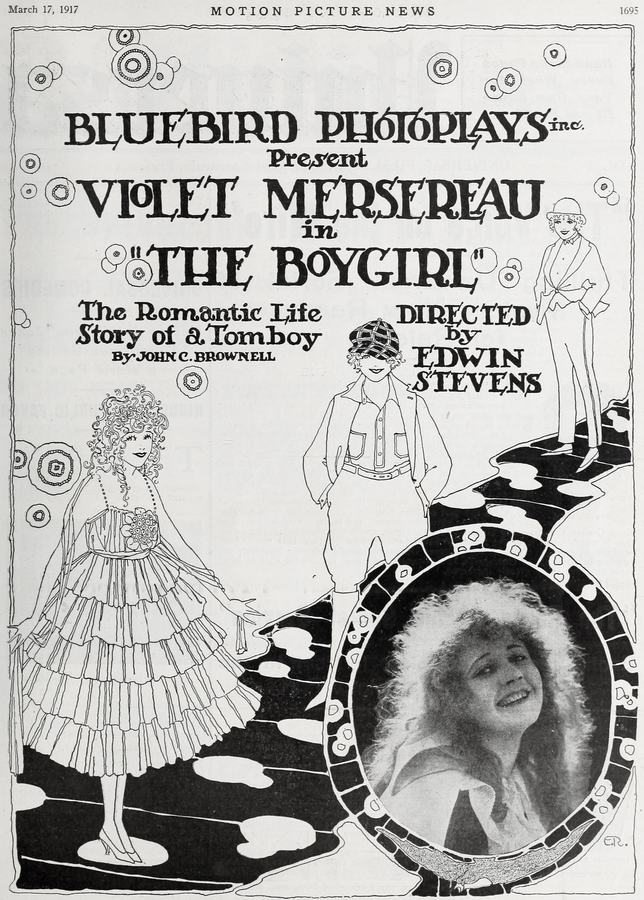
In the annals of early cinema, few narratives resonate with such intriguing complexity and prescient thematic depth as John C. Brownell's 'The Boy Girl,' brought to life by a compelling ensemble including Violet Mersereau, Sidney Mason, and Edwin Stevens. This 1917 silent film, far from being a mere relic of its era, emerges as a remarkably nuanced exploration of identity, societal expectation, and the indomitable spirit of a young woman forced to navigate a world not designed for her. Its plot, a rich tapestry woven with threads of gender performance, corporate intrigue, and romantic entanglement, offers a fascinating lens through which to examine the evolving roles of women at the dawn of the 20th century. The story of Jack, a character whose very existence challenges conventional dichotomies, transcends its historical context to speak to contemporary audiences about authenticity, agency, and the sheer audacity required to forge one's own path.
The film introduces us to Channing, or 'Jack' as she is affectionately – and tellingly – known, a young woman whose life trajectory is dictated by a patriarchal decree from birth. Her mother's untimely death during childbirth leaves King Channing, her father, to grapple with the disappointment of a daughter where a son was desperately desired. This profound yearning for a male heir casts a long shadow over Jack's upbringing, manifesting in a curious and ultimately restrictive form of gender assignment. From her earliest days, Jack is not merely dressed in boy's clothes but is ostensibly raised as a boy, a performance of masculinity enforced by her father's will. This isn't just a superficial sartorial choice; it's a comprehensive conditioning, shaping her worldview, her interactions, and her very sense of self. For sixteen years, she inhabits this prescribed role, a silent defiance of her biological reality, yet an unwavering obedience to her father's unspoken desire. This initial setup immediately plunges the viewer into a compelling examination of nature versus nurture, and the profound psychological implications of such a formative deception. It invites us to consider the fluid boundaries of identity and how external pressures can mould, or indeed warp, one's intrinsic self. What kind of resilience is forged in a young soul constantly performing a role assigned by paternal expectation?
Amidst this carefully constructed existence, a fleeting moment of genuine connection blossoms. Jack, still clad in the garb of a boy, encounters Bob Ridgeway, the son of the aristocratic neighbors. This meeting, brief as it may be, hints at a deeper, unspoken attraction, a spark that ignites despite the societal and performative barriers separating them. It's a poignant foreshadowing of the romantic entanglements to come, a whisper of a potential future where Jack might find love and acceptance not as her father's desired son, but as her authentic self. However, this nascent possibility is quickly overshadowed by a significant turning point: the death of King Channing. This event, while tragic, serves as the ultimate catalyst for Jack's liberation, yet simultaneously plunges her into a new, equally restrictive set of circumstances. The king's will, a final testament to his enduring influence, places Jack's considerable fortune in trust, to be overseen by two maiden aunts until she reaches legal age or, significantly, marries. This clause is not merely a financial arrangement; it's a societal mandate, a subtle yet powerful push towards conventional femininity and domesticity, starkly contrasting with her tomboy upbringing.
Life with her maiden aunts proves to be an almost unbearable ordeal for Jack. The transition from the freedom of boyhood to the restrictive confines of traditional femininity is jarring. She is compelled to shed her comfortable boy's attire for proper girl's clothes, a symbolic stripping away of her former identity. The aunts, likely well-meaning but utterly out of touch with Jack's spirited nature, embody the rigid societal expectations of the era, attempting to mold her into a demure, marriageable young lady. This clash of wills and identities ultimately leads to her being sent to boarding school. Initially, the novelty of new surroundings and the superficial acceptance of her new feminine presentation offer a brief period of contentment. Yet, the inherent restraint, the constant pressure to conform, eventually chafes against her independent spirit. This isn't just about clothes; it's about the suppression of her innate drive, her intelligence, and her adventurous soul. The rigid curriculum and the stifling atmosphere of the boarding school become a gilded cage, and like any creature yearning for freedom, Jack eventually makes the audacious decision to escape. Her flight from the school isn't just an act of rebellion; it's a profound declaration of self, a desperate bid for autonomy in a world that seems determined to define her.
Her escape propels Jack into the bustling anonymity of urban life, where she secures board and lodging with a woman who happens to host another paying guest – a young woman recently departed from a position at the esteemed firm of Ridgeway and Son. This seemingly serendipitous encounter provides Jack with an unexpected opportunity. Advised to apply for the vacant position, she does so, and to her credit, secures employment. This marks a pivotal moment in her narrative, as Jack, now properly dressed as a woman, enters a sphere traditionally dominated by men: the corporate world. Her arrival at Ridgeway and Son, however, coincides with a period of severe financial distress for the venerable establishment. The affairs of the firm have been steadily deteriorating, pushing them to the brink of disaster. This precarious situation is not merely a result of economic hardship; it's exacerbated by insidious internal sabotage. The chief clerk, a character embodying corporate treachery, is systematically leaking vital business secrets to a rival firm, cunningly undermining Ridgeway and Son's every move. This clandestine espionage creates a palpable tension, raising the stakes considerably and setting the stage for Jack's eventual, heroic intervention. The film subtly highlights the vulnerability of businesses to internal corruption, a theme as relevant today as it was over a century ago.
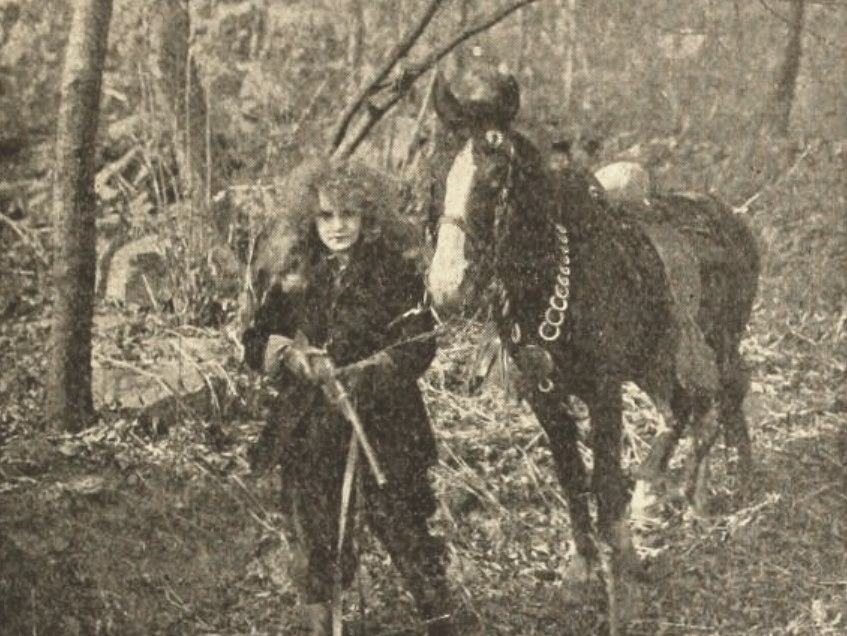
The turning point for Ridgeway and Son arrives with the discovery of a valuable piece of mining property available at a significant bargain. This asset represents their last, best hope for salvation, a lifeline in a sea of impending bankruptcy. Bob Ridgeway, the very man Jack encountered in the woods, travels west to secure this crucial property. He manages to obtain a promise from the owner to sell at a definite figure, but critically, he fails to secure an option. This oversight leaves the door open for rivals, who, thanks to the chief clerk's betrayals, are now fully aware of Ridgeway and Son's interest in the copper property. The lack of immediate funds further cripples the Ridgeways' ability to act decisively, leaving them in a desperate bind. It is in this moment of profound crisis that Jack, demonstrating an intelligence and strategic acumen far beyond her years, steps forward with a truly audacious plan. Her proposal to Bob is startling: they should marry, thereby allowing her to draw upon her trust fund – the fortune bequeathed by her father – to purchase the mining property. This isn't merely a business proposition; it's a societal challenge, a direct confrontation with the era's norms regarding women's financial autonomy and agency. The sheer daring of the plan leaves Bob breathless, yet he is swayed not just by its logical brilliance, but by a deeper, long-standing affection for Jack. The spark ignited in the woods years prior has matured into mutual love, adding a layer of emotional resonance to this calculated gamble. Their marriage, while initially a pragmatic solution, is underscored by genuine sentiment, making their partnership all the more compelling.
With the marriage solemnized and the funds secured, the stage is set for the crucial journey west to close the deal. However, fate intervenes once more. The elder Ridgeway falls gravely ill, rendering Bob unable to leave his bedside. This unexpected turn of events places the entire burden of saving the firm squarely on Jack's shoulders. Without hesitation, she embraces the responsibility, demonstrating a remarkable courage and resolve. This segment of the film becomes a thrilling race against time and rival interests. Jack, embodying the resourcefulness and independence cultivated during her unconventional upbringing, undertakes the perilous trip herself. Her mission is clear: beat the Ridgeways' rivals to the property and secure the deed. The narrative builds suspense as she navigates the challenges of travel and outmaneuvers the competitors, showcasing her sharp intellect and unwavering determination. Her success in securing the deed is not just a business triumph; it's a deeply personal victory, a testament to her capabilities and a definitive assertion of her agency. She proves, unequivocally, that her worth extends far beyond societal expectations of womanhood, and that her intelligence and bravery are assets invaluable to any enterprise.
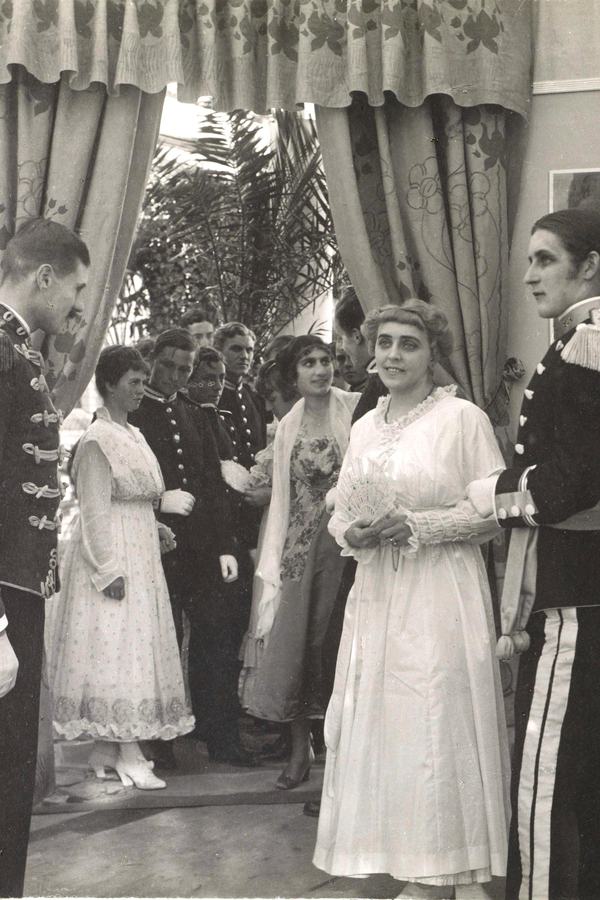
Jack's triumphant return home is met with immense relief and celebration. Not only has she saved Ridgeway and Son from the precipice of bankruptcy, but her cleverness and swift action have also contributed significantly to the elder Ridgeway's restoration to health. The firm is revitalized, its future secured, and the insidious chief clerk's treachery presumably exposed and neutralized. This resolution underscores the profound impact of Jack's actions, positioning her not merely as a wife or an employee, but as the true savior of the Ridgeway legacy. The closing scene offers a powerful visual summary of Jack's journey and transformation: she is shown moving seamlessly within social life, a woman who has not only found love and purpose but has also carved out a respected place for herself within society. Her story is one of profound self-discovery and empowerment, a narrative arc that moves from an enforced, performative masculinity to a confident, self-actualized femininity. She defies the rigid gender roles of her time, proving that intellect, courage, and business acumen are not exclusive to one gender. 'The Boy Girl' thus concludes on a note of triumphant individualism, celebrating a woman who, through sheer force of will and ingenuity, redefines her own destiny and, in so doing, provides a compelling blueprint for female agency that remains inspiring even today.
As a product of the silent film era, 'The Boy Girl' relies heavily on visual storytelling, expressive acting, and intertitles to convey its intricate plot and emotional nuances. The performances, particularly that of Violet Mersereau as Jack, would have been crucial in communicating the character's internal struggles and external resolve without the aid of dialogue. The film's strength lies not just in its engaging narrative but in its boldness to tackle themes that were, for its time, remarkably progressive. It challenges the prescriptive nature of gender roles and champions the idea of a woman's capacity for intelligence and leadership outside the domestic sphere. While films like The Dream Girl or The Pretty Sister of Jose might have explored romantic themes, 'The Boy Girl' elevates its central character beyond mere romantic interest into a figure of economic and personal salvation. Its depiction of corporate espionage and high-stakes business dealings adds a layer of sophisticated drama that elevates it beyond a simple romance or coming-of-age story.
The film serves as a fascinating historical document, reflecting both the constraints and the burgeoning possibilities for women in the early 20th century. Jack's journey from a life dictated by male desire to one defined by her own formidable capabilities is a powerful testament to the human spirit's drive for authenticity and self-determination. It suggests that true strength lies not in conforming to imposed identities, but in embracing one's inherent talents and forging a path that aligns with one's true self. The narrative’s conclusion, depicting Jack seamlessly integrated into social life, is not a surrender to convention but a triumphant integration, where her unique experiences and proven abilities are recognized and valued. This silent masterpiece, therefore, offers more than just entertainment; it provides a compelling argument for the enduring power of female agency and intelligence, making it a film well worth rediscovering and appreciating for its timeless message and narrative ingenuity.

IMDb —
1923
Community
Log in to comment.