DbcultAccessing Vault...
5.8/10
Senior Film Conservator
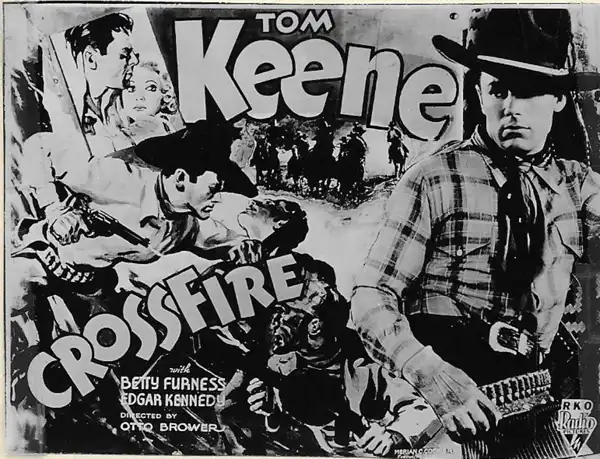
A definitive 5.8/10 rating for a film that redefined the boundaries of cult cinema. Cross Fire remains a cornerstone of transgressive art.
Look, if you have an hour to kill and want something that feels like it was unearthed from a dusty time capsule, sure. It is for people who like their westerns short, punchy, and completely lacking in fluff. If you need complex character arcs or modern pacing, stay away. You will probably hate this if you get bored by guys in hats shouting at each other across wide-open desert plains.
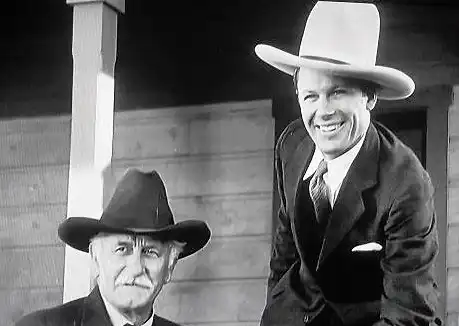
Tom Keene plays the returning soldier with that specific 1930s brand of earnestness. He walks back into town and finds his life has been essentially erased. It is the kind of plot point that moves at light speed. There is no mourning period. Just straight to the point.
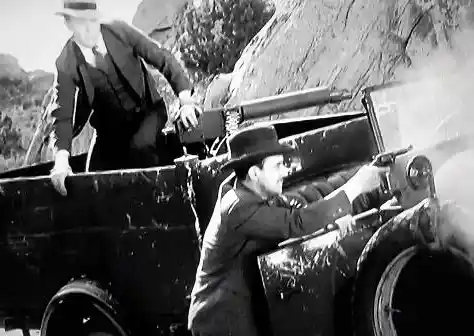
I couldn't help but think about The Silent Man while watching this. There is that same stiff, formal way people interact before the shooting starts. It feels less like a real conversation and more like a checklist of plot necessities. Sometimes the dialogue just lands with a thud.
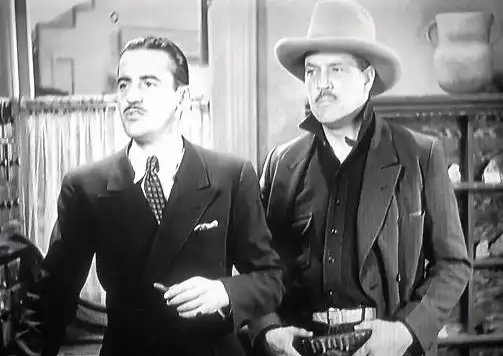
The bandits hanging out in the hills are honestly more interesting than the town scenes. They have this pathetic, desperate energy that makes the mine dispute feel real. It is not just about gold; it is about pride. Or maybe just pure boredom.
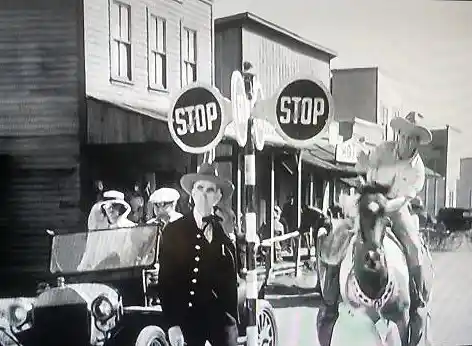
Edgar Kennedy shows up, and he is a total delight, even if he looks like he wandered in from a different movie entirely. He breaks the tension in a way the script clearly didn't intend. It’s those little moments that keep you watching when the main story starts to drag.
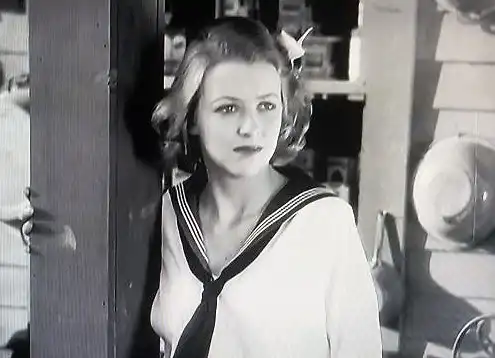
The whole thing wraps up so fast you might miss the point if you blink. It lacks the grit of some of the harder-edged stuff like Southern Justice, but it gets the job done. It’s not trying to be a masterpiece. It just wants to be a movie that plays at the matinee. 🤠
Did I mention the horses? They seem to be the best actors on set, honestly. They have a way of looking confused that perfectly matches my own state of mind during the third act.