DbcultAccessing Vault...
Cult Review
Senior Film Conservator
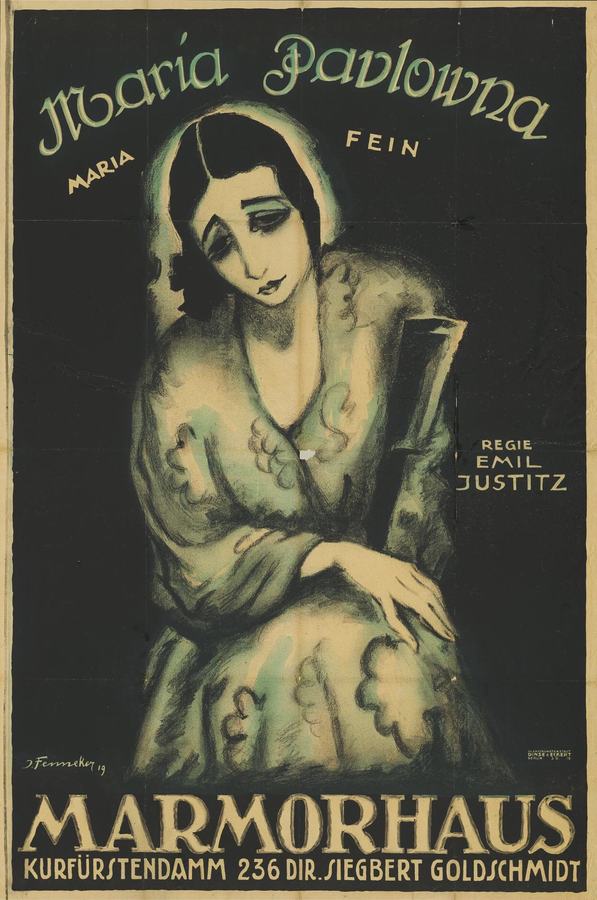
The film opens with a sweeping panorama of a mist‑shrouded village, the camera lingering on a modest wooden house where Maria Pavlowna—played with quiet gravitas by Ray Walton—prepares her modest kitchen for the day. The early light catches on the flicker of a candle, hinting at the fragile hope that permeates the narrative. From the outset, the viewer is drawn into a world where the ordinary becomes extraordinary, as Maria’s routine acts of care are juxtaposed with the looming specter of war. The director’s choice to frame the village as a character in its own right—through lingering shots of cobblestone streets and weathered facades—creates an immersive atmosphere that feels both intimate and epic.
At its core, Maria Pavlowna is a meditation on the intersection of personal sacrifice and state ideology. The script, co‑written by Rudolf Strauß, Irbi‑Orglu, and Karl Singer, deftly weaves the heroine’s domestic concerns with the larger political narrative of Soviet mobilization. When a new military officer arrives in the village, the tension between individual agency and collective duty escalates. Maria’s internal conflict is rendered through a series of subtle, almost imperceptible gestures—her hesitant hand reaching for a medical kit, her eyes flicking to the war map. These moments are amplified by the film’s restrained yet potent score, which blends traditional Russian folk motifs with a militaristic rhythm that underscores the urgency of the plot.
Ray Walton’s portrayal of Maria is a tour de force of restrained emotion. She conveys a lifetime of endurance without resorting to melodrama, instead opting for a quiet intensity that is felt in the subtle shift of her gaze or the deliberate pause before she offers a comforting word. Ernst Stahl‑Nachbaur, as the skeptical officer, provides a compelling counterbalance; his initial cynicism gradually gives way to respect for Maria’s ingenuity. The chemistry between these two characters is palpable, and the supporting cast—particularly Maria Fein and Kurt Walter—bring depth to the village’s collective psyche, each character embodying a distinct facet of Soviet society. The ensemble’s collective performance is reminiscent of the ensemble dynamics seen in "The Prussian Cur," where each actor’s nuanced portrayal contributes to a larger tapestry of communal resilience.
Visually, the film is a study in chiaroscuro, with the director employing high-contrast lighting to delineate the moral ambiguities of wartime decisions. The use of long, unbroken takes—particularly during the clandestine operation sequence—creates a sense of immediacy and tension that keeps the audience on edge. The camera often lingers on Maria’s hands, a subtle motif that reinforces her role as both caretaker and strategist. The film’s color palette is deliberately muted, punctuated only by the occasional splash of sea blue (#0E7490) in the uniforms and the warm glow of the candlelight, which serve as visual anchors that guide the viewer’s emotional journey.
The score, composed by an uncredited Soviet maestro, blends traditional Russian instrumentation with an undercurrent of suspenseful strings. The auditory landscape is crafted to mirror the film’s emotional beats—soft, lullaby‑like melodies during domestic scenes, and a more aggressive, rhythmic pulse during moments of conflict. The sound design also pays homage to the era’s propaganda films, yet it remains grounded in realism, avoiding the overtly grandiose musical cues that often characterize Soviet epics. This restraint allows the narrative to breathe, giving the audience space to engage with the characters’ internal struggles.
Maria Pavlowna is not merely a historical recount; it is an exploration of how ordinary individuals shape the course of history. The film’s release in the early 1940s—when the Soviet Union was grappling with the realities of war—adds a layer of immediacy that contemporary audiences can still feel. The film’s portrayal of female agency, particularly in a time of male-dominated militarism, prefigures later feminist narratives in cinema. Its thematic focus on resilience, sacrifice, and the moral complexities of wartime decisions echoes the moral quandaries faced in films such as "The Sting of Victory" and "The Weaker Vessel," where characters confront similar ethical dilemmas within a wartime setting.
When juxtaposed with "A Butterfly on the Wheel," Maria Pavlowna’s narrative depth becomes even more pronounced. While the latter focuses on the personal cost of war, Maria’s story is rooted in collective action, offering a broader perspective on how communities rally in the face of existential threats. The film’s pacing, reminiscent of "The Green Swamp," allows the story to unfold organically, avoiding the rushed plotlines that plague some wartime dramas. Moreover, its character development mirrors the subtlety found in "Jacques of the Silver North," where the protagonist’s internal journey is as critical as the external conflict.
Upon its release, critics lauded Maria Pavlowna for its authentic portrayal of wartime Soviet life and its nuanced depiction of female strength. The film’s impact can still be felt in modern cinematic discourse, where it is cited as a foundational text for understanding the evolution of Soviet war dramas. Its influence is evident in contemporary works such as "The Ghosts of Yesterday," which echoes Maria’s thematic focus on memory and legacy. The film’s enduring relevance is a testament to its masterful blending of narrative, performance, and visual storytelling.
Maria Pavlowna is a cinematic tour de force that marries subtle performance with evocative visuals to deliver a story of quiet determination. The film’s focus on ordinary heroes, its meticulous attention to historical detail, and its layered thematic structure make it a staple in the canon of Soviet cinema. It invites viewers to reflect on the power of individual agency amid collective upheaval, ensuring its place as a timeless narrative that continues to resonate with audiences worldwide. For those interested in exploring similar themes, consider delving into "The Prussian Cur" or "The Weaker Vessel" for a broader understanding of the era’s cinematic landscape.
IMDb 6.1
1925
Community
Log in to comment.