DbcultAccessing Vault...
7.1/10
Senior Film Conservator
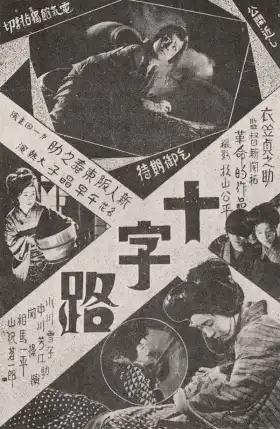
A definitive 7.1/10 rating for a film that redefined the boundaries of cult cinema. Crossroads remains a cornerstone of transgressive art.
Teinosuke Kinugasa’s 1928 silent film, Crossroads (Jujiro), is a fascinating, often unsettling piece of early Japanese cinema that absolutely holds up for the right audience today. It’s a compelling watch for cinephiles interested in the avant-garde experiments of the silent era, particularly those drawn to expressionistic visual storytelling and raw, melodramatic performances. However, mainstream viewers accustomed to modern pacing and dialogue-driven narratives may find its silent conventions and heightened emotionality a challenging, perhaps even frustrating, experience. This isn't a casual watch; it demands engagement with its unique cinematic language.
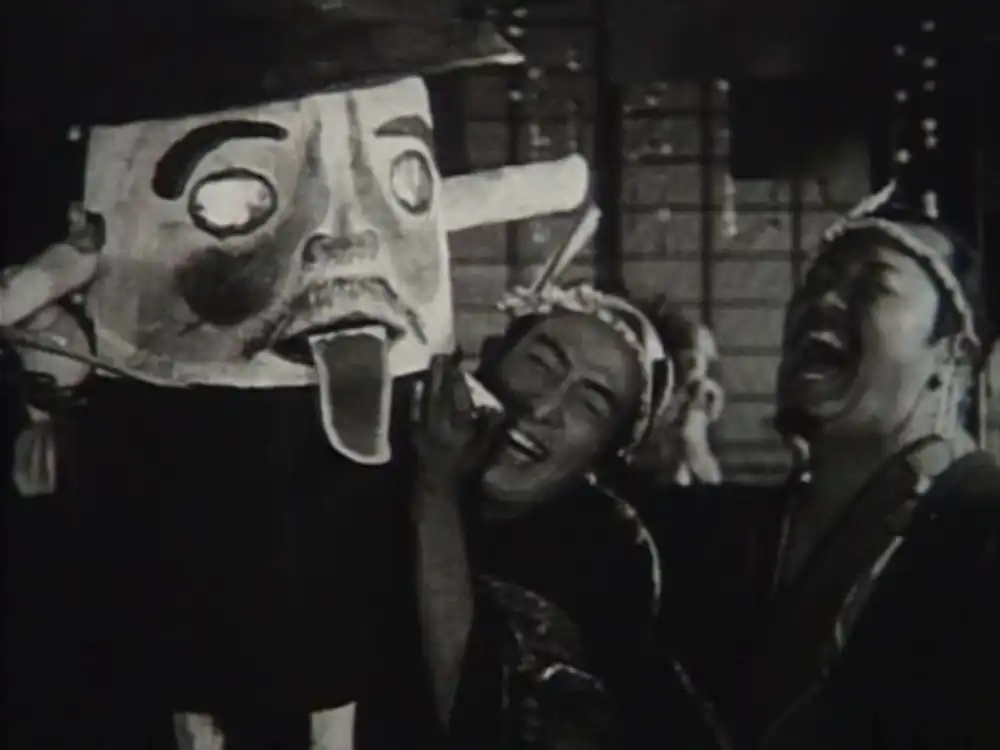
Crossroads plunges us into a grim, feverish world from its opening frames. The narrative centers on Rikiya (Junosuke Bandô), a young man whose life takes a catastrophic turn after a fight in a brothel leaves him blinded by ash. Believing he has killed his assailant, he retreats to the care of his devoted sister, Okiku (Akiko Chihaya). The film is less concerned with the mechanics of plot and more with the visceral, psychological impact of these events on its protagonists. Kinugasa, a director known for his adventurous spirit, uses every tool at his disposal to render their internal turmoil visible.
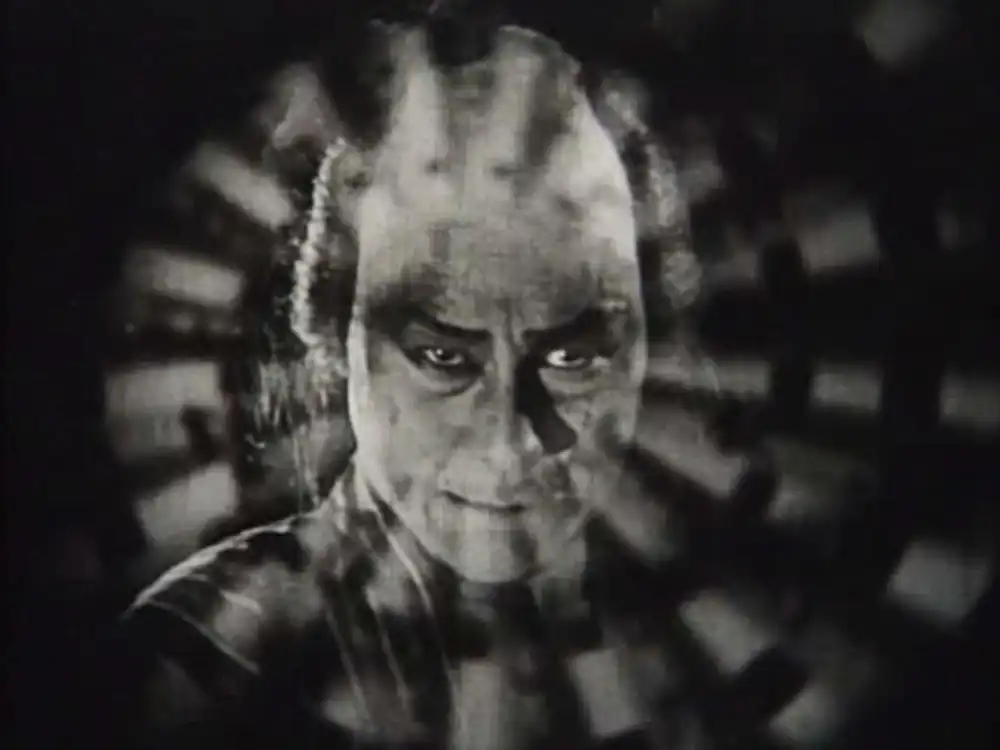
The film’s most immediate impact comes from its visual style. Kinugasa employs a stark, almost brutal aesthetic, heavily influenced by German Expressionism. Shadows swallow faces, distorting features and emphasizing the characters’ inner torment. The brothel scenes, for instance, are not merely settings but extensions of Rikiya’s chaotic internal state, a swirling vortex of desire and violence. When Rikiya is blinded, it’s not a clean cut but a sudden, choking cloud of ash, rendered with a visceral immediacy that makes you flinch. Bandô’s performance immediately shifts, his eyes becoming glassy and unfocused, his movements tentative and fumbling. It's a striking transformation that sells his sudden, absolute loss.
As Rikiya, Junosuke Bandô delivers a performance that feels both of its era and remarkably potent. His portrayal of blindness is particularly compelling; it’s not just a physical state but a psychological one. We see his frustration manifest in clumsy, desperate gestures, the way he reaches out into the void, or the vacant stare that replaces his earlier intensity. It’s a performance built on broad strokes, certainly, but within those, there's a genuine sense of a man utterly lost.
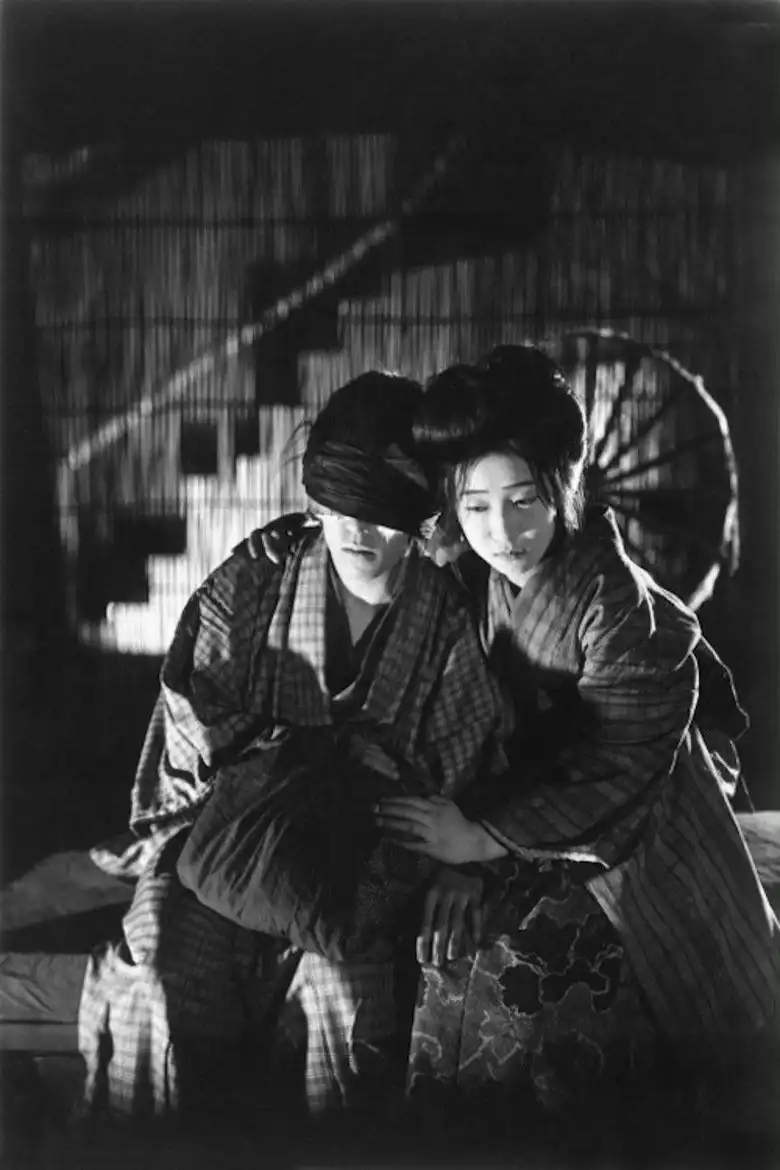
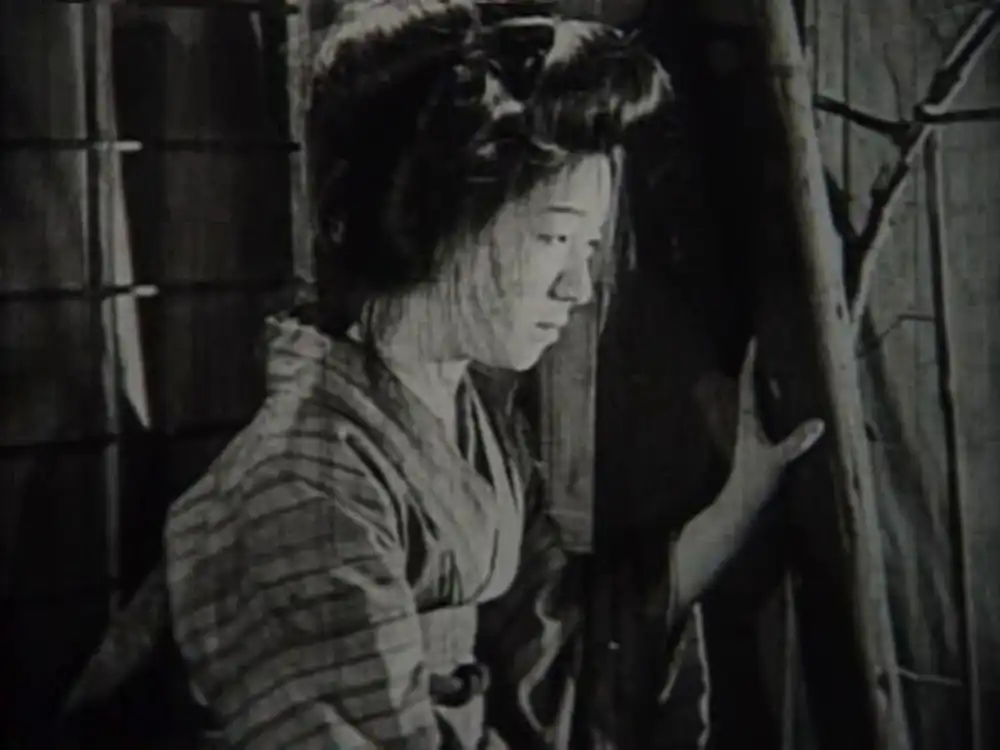
Akiko Chihaya, as Okiku, carries much of the film’s emotional weight. Her desperation to save her brother, even at the cost of her own dignity, is the film’s moral compass. Chihaya communicates a profound, almost silent anguish. There’s a scene where she sits alone, contemplating her decision to become a prostitute to pay for Rikiya's treatment. The camera holds on her face for an extended period, allowing her subtle shifts in expression – a tightening of the jaw, a faraway gaze – to convey the enormity of her sacrifice. It’s a moment of quiet, agonizing resolve, far more impactful than any intertitle could convey.
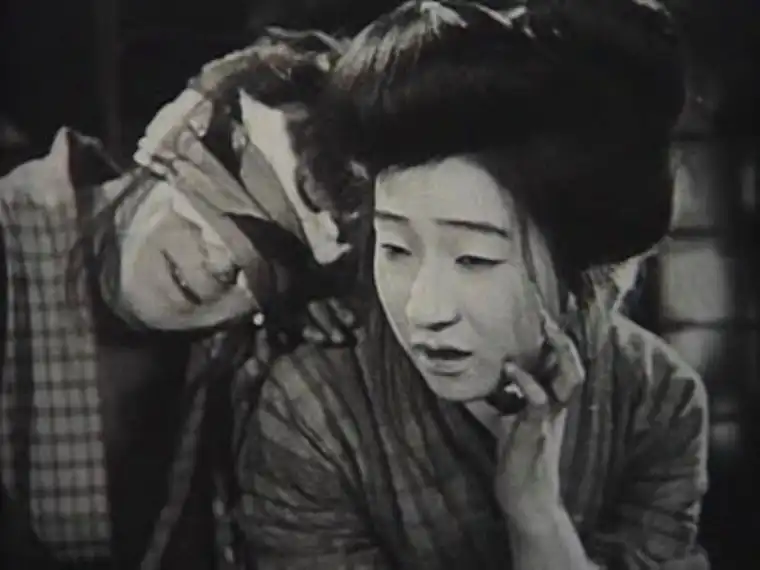
The pacing of Crossroads is deliberate, sometimes even languid, especially in its later acts. Kinugasa isn't afraid to linger on reaction shots or extended sequences of a character simply existing in their despair. This can, at times, feel slow to modern viewers accustomed to rapid-fire editing. Yet, this very slowness allows the film’s visual poetry to breathe. The recurring motif of Rikiya's hallucinatory visions, depicted through disorienting superimpositions and rapid cuts, offers a jarring contrast to the otherwise measured pace, effectively conveying his fractured mental state.
One particularly memorable visual involves Okiku's shadow. As she walks through the narrow, dark alleys, her shadow often precedes or follows her, elongated and distorted, a silent, ominous companion reflecting her inner turmoil and the dark path she considers. It’s a simple trick, but profoundly effective in deepening the film's oppressive atmosphere without a single word. Similarly, the way Kinugasa uses light filtering through paper screens to illuminate parts of a room, leaving others in impenetrable darkness, reinforces Rikiya's new, limited perception of the world.
The film's greatest strength lies in its uncompromising visual ambition. Kinugasa experiments with extreme close-ups, distorted perspectives, and sophisticated lighting techniques that were well ahead of their time. The opening sequence, depicting the chaos of the pleasure district, is a masterclass in visual composition, bustling with life and menace. The way Kinugasa handles the brother-sister relationship, particularly Okiku's fierce, almost maternal protectiveness, is genuinely moving.
However, the film is not without its minor stumbles. Some of the melodrama, particularly in the more exaggerated gestures typical of silent film acting, occasionally verges on the unintentionally theatrical for modern sensibilities. There are a few instances where an intertitle feels redundant, simply stating what the actors have already conveyed with their bodies and faces. And while the deliberate pacing generally works, a sequence involving a dream-like chase feels slightly overextended, breaking the tension rather than building it.
Despite its occasional narrative stutters or the inherent challenges of silent cinema for contemporary audiences, Crossroads remains a vital, compelling work. It’s a testament to Teinosuke Kinugasa’s audacious vision and a powerful example of how silent film could explore complex psychological states through purely visual means. For those willing to immerse themselves in its unique language, it offers a raw, emotionally charged experience that transcends its age. It’s not just a historical curiosity; it’s a film that still has something to say about desperation, sacrifice, and the haunting power of guilt, all delivered with an unmistakable artistic flair.

IMDb —
1925
Community
Log in to comment.