DbcultAccessing Vault...
Cult Review
Senior Film Conservator
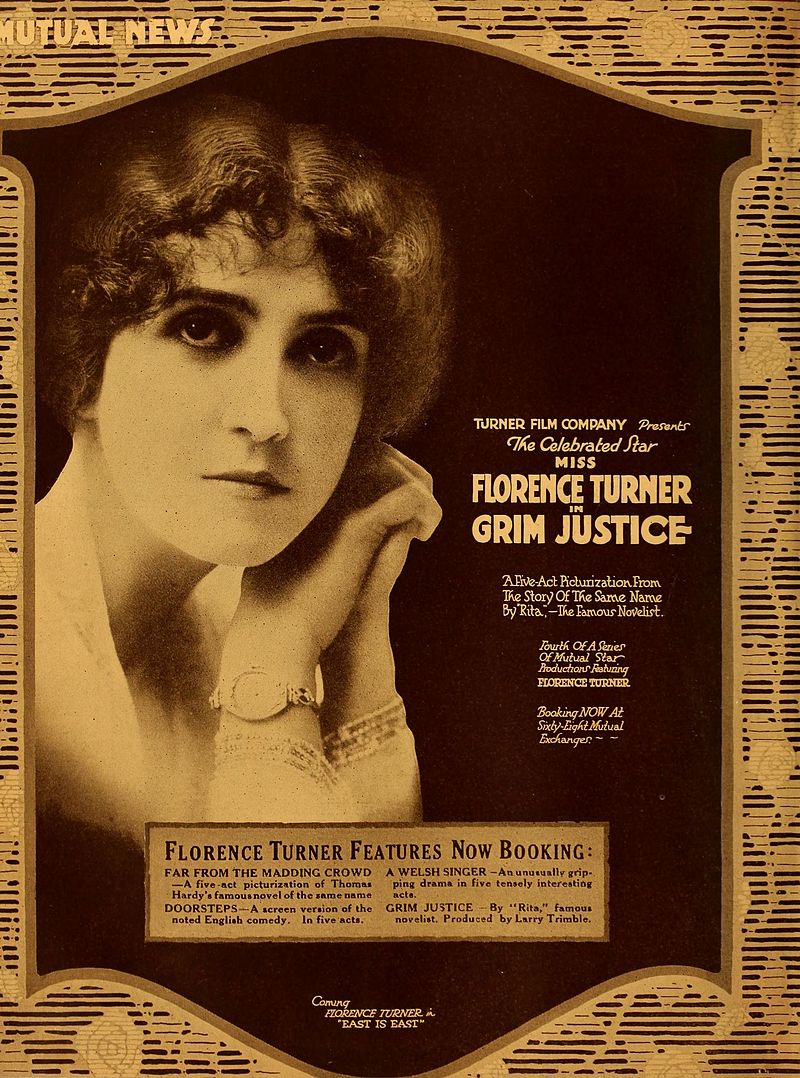
From the shadowy annals of early cinema emerges Grim Justice, a silent film that, even a century after its debut, retains a potent, almost visceral capacity to shock and provoke. It’s a work that doesn’t merely tell a story; it plunges the viewer into a maelstrom of familial treachery, societal hypocrisy, and the chilling abuse of power. This isn't a tale of quaint morality plays; it's a raw, unflinching exposé of human depravity, where the sanctity of marriage and the bonds of family are mere pawns in a wealthy man's twisted game. The narrative, conceived by Laurence Trimble and Rita, unfolds with a relentless, almost predatory logic, leaving little room for saccharine resolutions.
At the heart of this somber drama lies a patriarch whose wealth is matched only by his moral bankruptcy. His son, tragically incapacitated by an injury, becomes not an object of paternal solace but a tool for further manipulation. The father's subsequent declaration—that his son's marriage is somehow null and void—is a stroke of villainous genius. It's a legalistic sleight of hand designed to strip the son's wife of her legitimate status, her social standing, and her very identity. This act of disinheritance, both legal and emotional, sets the stage for a cascade of injustices that reverberate through the lives of all involved. One cannot help but ponder the societal context that would allow such a powerful figure to wield such absolute control over the destinies of others. The film, in its stark portrayal, critiques not just individual malice but the systemic vulnerabilities that permit such tyranny to flourish.
The casting of Una Venning in the pivotal role of the wronged wife is a stroke of interpretive brilliance. In the silent era, an actor's ability to convey profound emotion through gesture, facial expression, and the very posture of their being was paramount. Venning, one imagines, would have imbued this character with a tragic dignity, her silent suffering speaking volumes. Her portrayal would have been a masterclass in controlled agony, a testament to resilience in the face of overwhelming adversity. The film's title, Grim Justice, becomes particularly poignant when viewed through her character's lens, as the 'justice' meted out is anything but equitable or humane. It’s a chilling reminder of how vulnerable individuals, particularly women, were to the arbitrary whims of powerful men and rigid social structures.
As if the initial annulment weren't enough, the patriarch's malevolence takes an even darker turn. He forces his son's now-dispossessed wife into a new, abhorrent marriage with a drunken wastrel. This act is not merely punitive; it's designed to utterly break her spirit, to ensure her complete subjugation and remove any lingering threat to his control or reputation. The character of the wastrel, likely portrayed with a blend of pitiable weakness and crude menace, serves as a stark contrast to the wife's former life and perhaps even to the injured son's presumed nobility. This forced union echoes the thematic strains found in other melodramas of the era, where women's fates were often dictated by men, and societal expectations could trap them in inescapable predicaments. One might draw parallels to the constrained choices faced by women in films like My Wife, though the sheer villainy here elevates it to a more extreme form of marital cruelty.
The depiction of this wastrel, a figure of societal decay, also offers a window into the anxieties of the early 20th century regarding social class and moral rectitude. Is he merely a puppet in the patriarch's grand design, or does he possess his own rudimentary agency, however warped by vice? Moore Marriott, a prolific actor of the period, could have brought a compelling, perhaps even sympathetic, nuance to such a character, preventing him from becoming a mere caricature of depravity. The interplay between the wife's forced compliance and the wastrel's own struggles with his addiction would have provided fertile ground for powerful, non-verbal storytelling, a hallmark of silent film's unique expressive capacity.
Laurence Trimble, a significant figure in early American cinema, not only co-wrote the screenplay but also took on the directorial mantle. His approach to storytelling, often characterized by a keen eye for emotional detail and a penchant for dramatic realism, would have been crucial in elevating Grim Justice beyond mere sensationalism. Trimble understood the power of the visual medium to convey complex psychological states without dialogue. One can imagine his direction emphasizing close-ups to capture Una Venning's anguish, the patriarch's cold resolve, or the wastrel's fleeting moments of regret or aggression. The pacing would have been deliberate, building tension through sustained sequences and dramatic revelations, a technique perfected in many of his earlier works, including perhaps some of his more adventure-oriented films like The Secret Man, but here applied to the internal landscape of human suffering.
Trimble's experience working with animal actors, famously with his dog Jean, often taught him the importance of clear, non-verbal communication and precise staging. While Grim Justice is firmly in the human drama camp, this background likely informed his ability to direct actors to convey profound emotion and narrative progression through purely visual means. The intertitles, the textual explanations interspersed throughout the film, would have been carefully crafted by Trimble and Rita to provide just enough context without diluting the visual impact, allowing the performances to carry the emotional weight. This delicate balance was a hallmark of effective silent film direction.
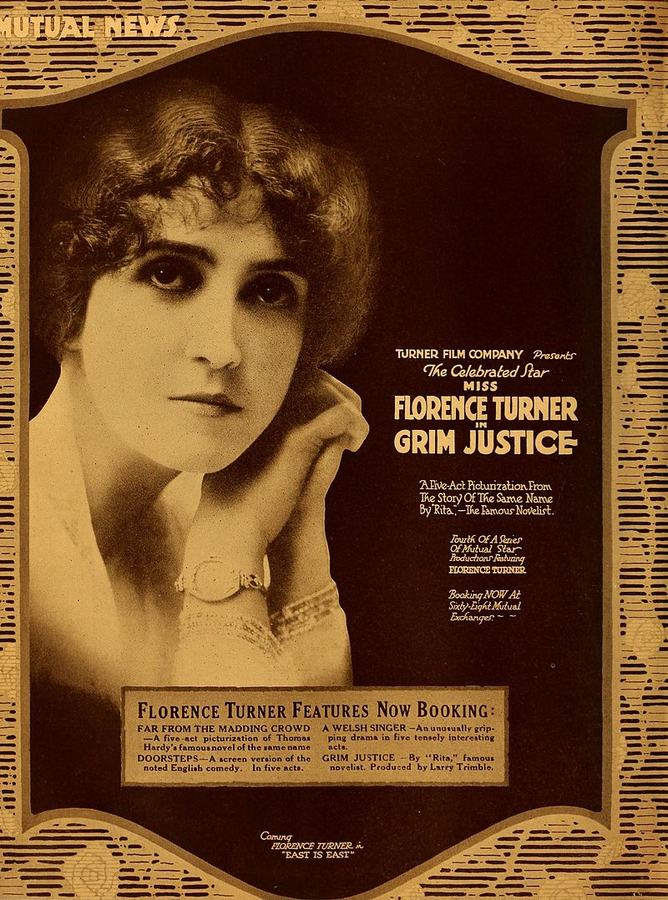
Beyond Venning and Marriott, the supporting cast, including Malcolm Cherry, Maud Williams, Dorothy Rowan, Winnington Barnes, Henry Edwards, and Florence Turner, would have been instrumental in building the oppressive world of Grim Justice. Each actor, in their respective roles, no matter how minor, contributes to the overall atmosphere of tension and despair. From the silent, complicit servants to the legal figures who may or may not be aware of the patriarch's true intentions, every character serves to reinforce the wife's isolation and the pervasive nature of the injustice. Florence Turner, a prominent star of the era, might have played a role of a sympathetic confidante or perhaps even another victim of the patriarch's machinations, adding another layer of complexity to the film's moral landscape.
The performances in silent cinema often required a heightened physicality, a dramatic flair that could translate complex emotional states across the screen without the aid of spoken dialogue. This required immense skill and a deep understanding of human psychology. The ensemble cast of Grim Justice would have been tasked with portraying not just individual characters, but archetypes of power, victimhood, and moral compromise. Their collective efforts would have been essential in creating a believable, albeit deeply unsettling, world where the lines between right and wrong are constantly blurred by wealth and influence.
Beyond its surface-level melodrama, Grim Justice delves into profound thematic territory. It’s a scathing indictment of a society where legal technicalities can be twisted to serve malevolent ends, where wealth can insulate individuals from accountability, and where the most vulnerable are systematically exploited. The film challenges the very notion of 'justice,' presenting a world where it is often anything but fair or impartial. The 'grimness' in its title is not merely descriptive; it's a commentary on the inherent darkness that can pervade human institutions and relationships. This exploration of moral ambiguity and the struggle against overwhelming odds positions it alongside other contemporary films that grappled with social issues, such as Shall We Forgive Her?, which similarly probes questions of culpability and redemption within a rigid social framework.
The film also subtly critiques the patriarchal structures prevalent at the time. The father's unquestioned authority, his ability to dictate the fates of his son and daughter-in-law, speaks volumes about the limited agency afforded to women and the younger generation. It's a stark portrayal of familial despotism, where love and loyalty are sacrificed at the altar of control and perceived social standing. The narrative, therefore, functions as more than just entertainment; it's a social commentary, a mirror reflecting the darker aspects of human nature and societal norms in the early 20th century. This makes it a valuable historical artifact for understanding the anxieties and moral compass of the period.
While silent films are often viewed through the lens of historical curiosity, works like Grim Justice remind us of their enduring power and artistic merit. The film's reliance on visual storytelling, intense performances, and carefully constructed dramatic arcs allowed it to transcend linguistic barriers and resonate deeply with audiences. The absence of spoken dialogue forced filmmakers to be incredibly inventive with their visual language, utilizing symbolism, mise-en-scène, and the raw expressiveness of the human form to convey complex narratives. This film, with its potent blend of domestic drama and social critique, stands as a testament to the sophistication of early cinematic storytelling.
Its influence, though perhaps not as widely recognized as some of the more epic productions of its time like Joan the Woman, lies in its contribution to the rich tapestry of silent-era melodrama. It demonstrated that compelling drama didn't always require grand historical settings or sweeping romantic gestures; it could be found in the intimate, often harrowing, struggles within a single household. The film's exploration of themes like betrayal, resilience, and the search for genuine justice continues to resonate, proving that good storytelling, regardless of its technological constraints, possesses an timeless quality. It serves as a stark reminder that the human heart, in its capacity for both profound cruelty and unwavering endurance, remains the most compelling subject for cinematic exploration.
Ultimately, Grim Justice is more than just a historical artifact; it is a gripping, emotionally charged narrative that speaks to universal themes of power, morality, and the resilience of the human spirit in the face of overwhelming adversity. Its continued relevance lies in its unflinching portrayal of the darker aspects of human nature and the societal structures that can enable such cruelty. A true gem of the silent era, deserving of rediscovery and critical appreciation.
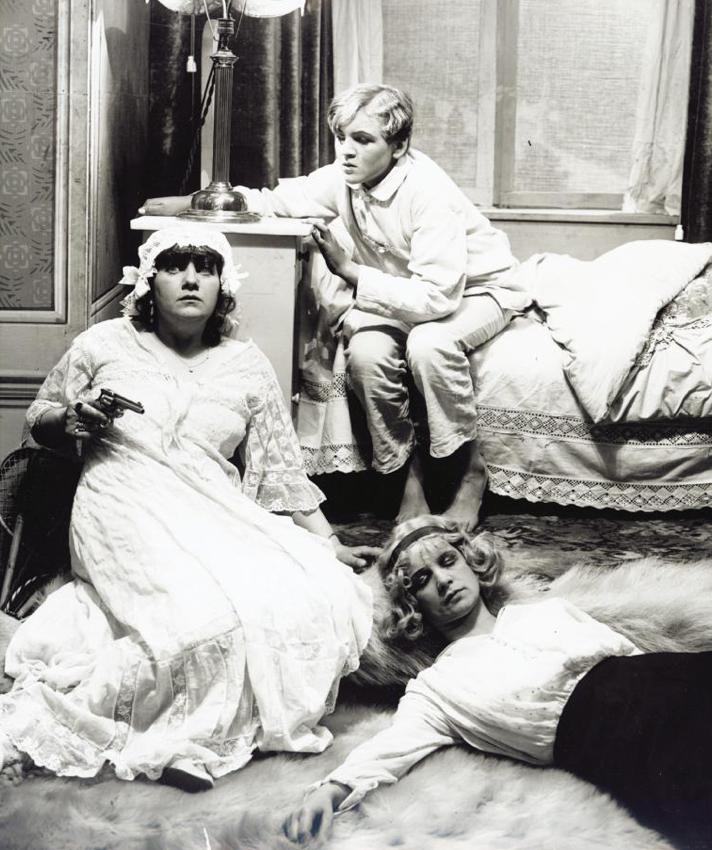
IMDb —
1916
Community
Log in to comment.