DbcultAccessing Vault...
6.6/10
Senior Film Conservator
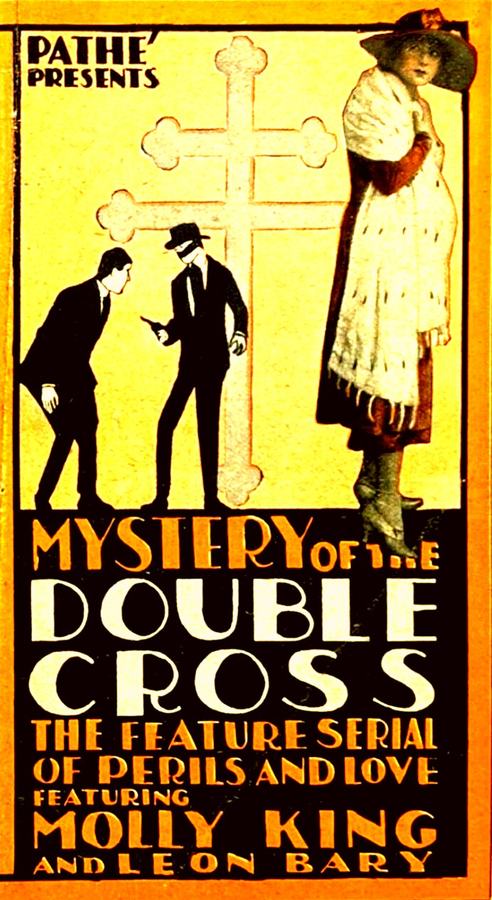
A definitive 6.6/10 rating for a film that redefined the boundaries of cult cinema. The Mystery of the Double Cross remains a cornerstone of transgressive art.
Ah, the silent era! A time when storytelling transcended spoken dialogue, relying instead on the nuanced choreography of human expression, the evocative power of cinematography, and the rhythmic pulse of a live orchestra. Among the myriad cinematic gems from this epoch, 'The Mystery of the Double Cross' stands out as a compelling, if often overlooked, testament to the period's capacity for intricate narrative and psychological suspense. Released in 1917, this film, penned by Gilson Willets and Bertram Millhauser, is a masterclass in building tension through suggestion, a veritable whispered secret unfurling across the vast expanse of the Atlantic.
From the moment the S. S. Huron embarks on its return journey from Europe, laden with the usual mélange of societal strata, an undercurrent of unease begins to permeate the ship's otherwise convivial atmosphere. This isn't just a leisure cruise; it's a floating crucible where human nature, with all its foibles and clandestine agendas, is put under the microscope. The initial spark of intrigue ignites with the spectral presence – or rather, absence – of a passenger in Room 7. Who is this mysterious lady? Why is she never seen? The ship's denizens, a microcosm of early 20th-century society, quickly become a hotbed of speculation, each rumour adding another layer to the woman's enigmatic aura. This early establishment of a pervasive, almost contagious, gossip mill is brilliantly executed, drawing the audience into the collective curiosity of the passengers.
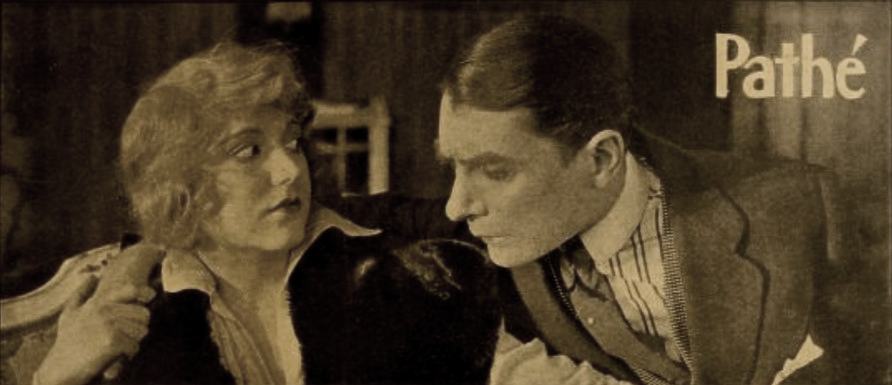
But the plot, like a well-crafted clockwork mechanism, doesn't rely on a single spring. Juxtaposed with the phantom of Room 7 is the sudden, jarring arrival of a telegram for Peter Hale, occupying the cabin directly opposite the unseen woman's quarters. The message is cryptic, ominous, hinting at a 'Double Cross' and, more profoundly, linking back to his father's will. This immediately elevates the stakes, transforming a mere shipboard curiosity into a deeply personal quest, imbued with the weight of inheritance and familial legacy. The convergence of these two seemingly disparate mysteries – the unseen woman and the symbolic 'Double Cross' – is the narrative engine that propels the film forward, promising a labyrinthine journey into deception and discovery.
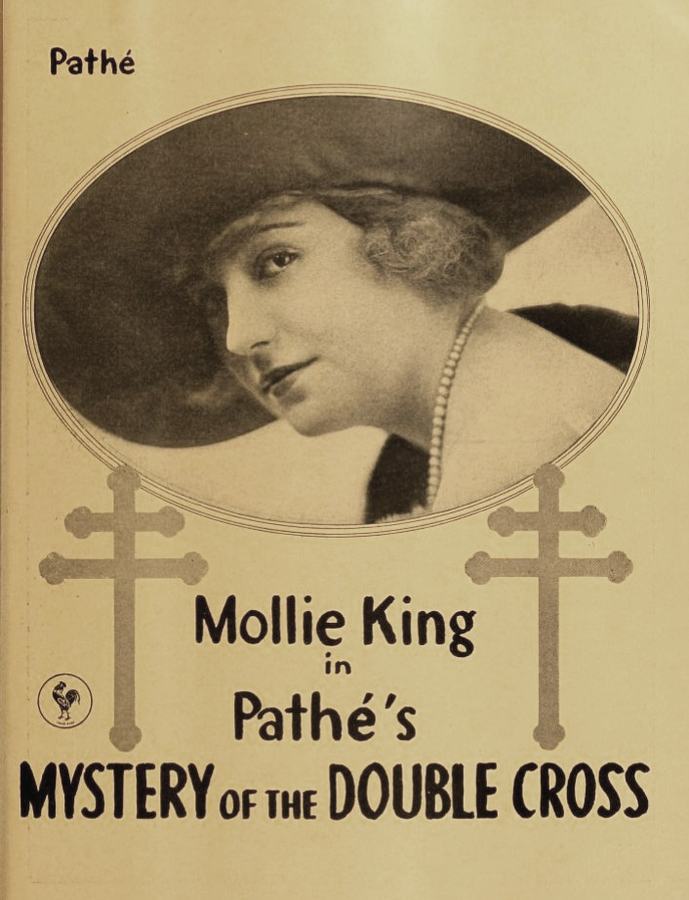
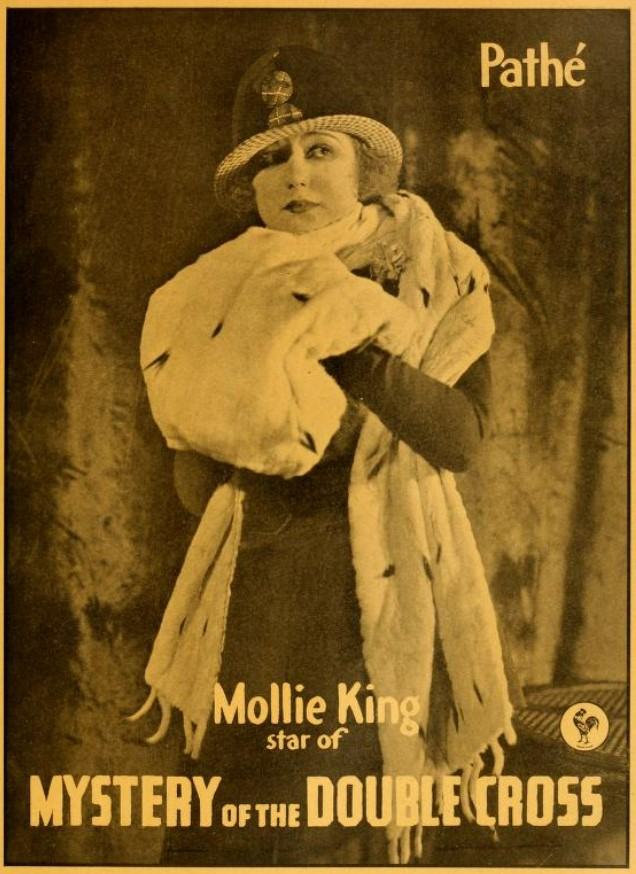
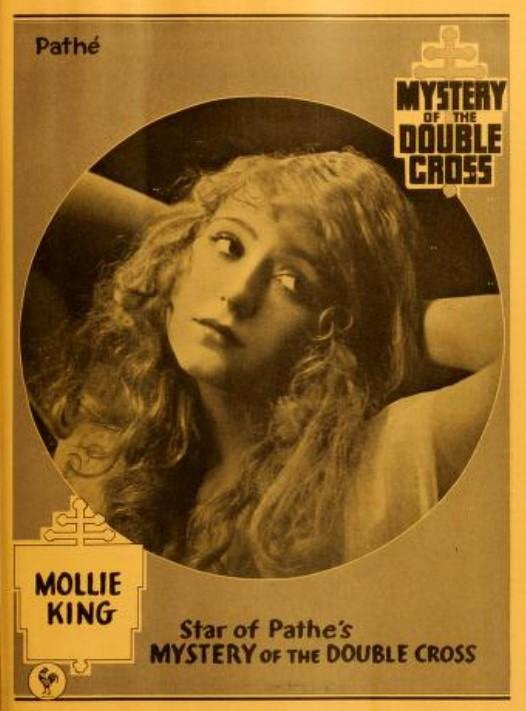
The strength of a silent film often rests squarely on the shoulders of its performers, their ability to convey complex emotions and motivations without the aid of dialogue. In 'The Mystery of the Double Cross', the cast delivers with remarkable finesse. Gladden James, Theodore Friebus, and Harry L. Fraser bring a gravitas to their roles, each subtle gesture and facial expression speaking volumes. Helene Chadwick, Mollie King, and Clarine Seymour, often relegated to more conventional 'damsel in distress' roles in the era, here imbue their characters with a resilience and an active participation in the unfolding drama that feels refreshingly progressive. Léon Bary and Robert Brower, alongside Ralph Stuart, round out an ensemble that is clearly committed to the intricate dance of suspicion and revelation.
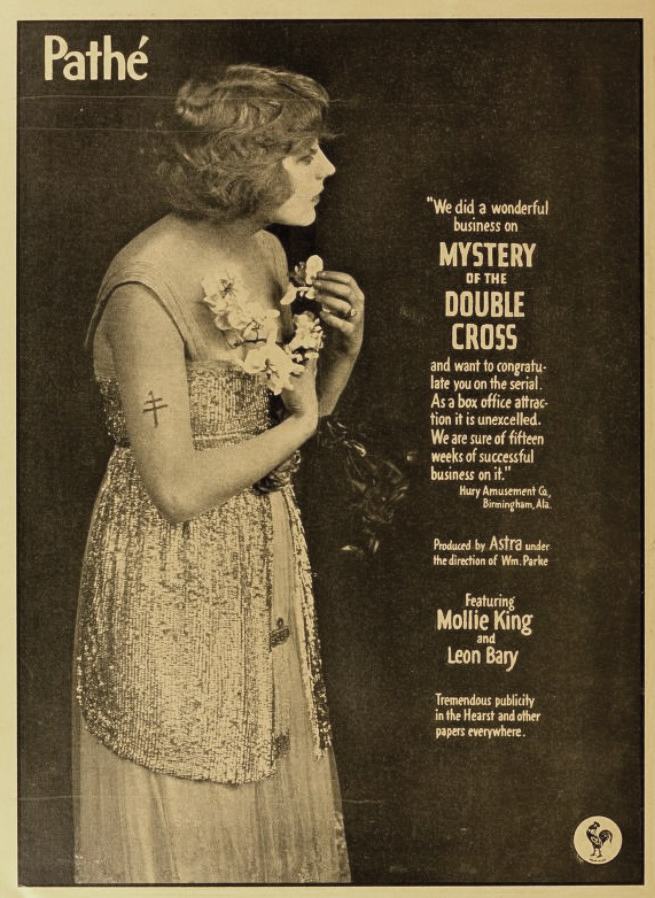
The silent film actors of this period were truly pioneers, developing a unique acting style that balanced theatricality with nascent cinematic realism. The exaggerated gestures and expressions, often misunderstood by modern audiences, were essential for conveying emotion across the distance of the screen and without auditory cues. Here, the cast navigates this delicate balance with aplomb, ensuring that the audience remains tethered to the characters' plights and triumphs. The unspoken tension between Peter Hale and the various individuals who might hold clues to the 'Double Cross' is palpable, a testament to the actors' skill in non-verbal communication. It's a reminder that truly great acting transcends the medium, finding its truth in the universal language of human experience.
What truly elevates 'The Mystery of the Double Cross' beyond a mere potboiler is its intelligent use of cinematic language. The film, like many of its contemporaries, was still exploring the nascent grammar of cinema, yet it employs techniques that feel remarkably sophisticated for its time. The camera isn't merely a static observer; it becomes an active participant in the mystery, subtly guiding our gaze, lingering on suggestive details, and framing the characters in ways that amplify their hidden motives or burgeoning fears. The use of close-ups, though perhaps not as pervasive as in later films, is impactful, drawing us into the characters' inner turmoil and revealing unspoken thoughts.
The pacing is another noteworthy aspect. Unlike some silent films that could feel ponderous, this narrative maintains a steady, compelling rhythm. The gradual unfolding of clues, the strategic introduction of new suspects or complications, and the rising crescendo of suspense are expertly managed. The writers, Gilson Willets and Bertram Millhauser, clearly understood the power of episodic storytelling, building each scene to a small climax that propels the viewer toward the next revelation. This episodic structure, reminiscent of popular serials of the day, keeps the audience engaged, eager to unravel the next layer of the mystery.
One can draw parallels to other films of the era that explored similar themes of hidden identities and complex legal battles. For instance, the dramatic tension surrounding a will and inheritance might echo sentiments found in films like My Lady's Slipper or even the social commentary in Should a Woman Tell?, where societal expectations and personal secrets intertwine with legal ramifications. The confined setting of the S. S. Huron also creates a unique pressure cooker, a technique that would be utilized in countless thrillers across cinematic history. This isolation amplifies the sense of paranoia and makes escape from the escalating danger an impossibility, much like the inescapable fate often depicted in films like On Dangerous Ground, albeit in a different context.
Beyond the thrilling surface, 'The Mystery of the Double Cross' delves into several enduring themes. The pervasive gossip on the ship, for example, serves as a commentary on human nature's insatiable appetite for scandal and the rapid spread of misinformation. It highlights how easily perception can be swayed by conjecture, often with profound consequences for those at the center of the whispers. This theme remains remarkably relevant today, perhaps even more so in an age of instant communication and social media.
The film also explores the complexities of identity and the masks people wear. The unseen lady in Room 7 is, in essence, a blank canvas onto which the fears and desires of the other passengers are projected. Her anonymity allows for the construction of myriad narratives, each reflecting the biases and imaginations of those creating them. This exploration of identity, both concealed and revealed, is a timeless narrative device, often seen in films dealing with espionage or hidden pasts, perhaps in a more overt manner than in Darkest Russia or Escaped from Siberia, where identities are frequently forged or obscured for survival.
The 'Double Cross' itself, as a symbol, is rich with meaning. It suggests betrayal, a reversal of expectations, and perhaps even a duality within the characters themselves. Is it a literal sign, or a metaphorical representation of the treacherous path Peter Hale must navigate? The ambiguity here is one of the film's greatest strengths, inviting the audience to actively participate in the decipherment of its mysteries. This kind of symbolic storytelling, where objects or phrases carry multiple layers of meaning, is a hallmark of sophisticated narrative, enabling a deeper engagement than a purely literal plot.
As we reflect on films like 'The Mystery of the Double Cross', it's impossible to ignore the broader context of silent cinema's legacy. This era, often dismissed as primitive by those unfamiliar with its artistic achievements, was a period of immense innovation and creativity. Filmmakers were grappling with a new art form, inventing its rules as they went along, and often producing works of astonishing depth and visual poetry. The preservation of these films is crucial, as each one offers a unique window into the cultural landscape, social anxieties, and artistic sensibilities of a bygone era.
The meticulous craftsmanship evident in the sets, costumes, and overall production design of 'The Mystery of the Double Cross' speaks to the dedication of the crews working in the early studios. Even without the benefit of sound, these productions strived for realism and spectacle, transporting audiences to different worlds. The S. S. Huron, for instance, feels like a living, breathing entity, its corridors and cabins imbued with a palpable sense of history and impending drama. This attention to detail is something that modern blockbusters, despite their immense budgets, sometimes struggle to replicate organically.
Comparing the film to other period pieces, one might consider how different narratives unfolded within similar constraints. The Rug Maker's Daughter, for instance, might offer insight into the portrayal of class or exoticism, while The College Widow or May Blossom could highlight the different genres and narrative structures popular at the time. Each film contributed to the evolving language of cinema, pushing boundaries and exploring new storytelling possibilities. The sheer volume of films produced, many now lost, underscores the vibrant experimental spirit of the era.
In conclusion, 'The Mystery of the Double Cross' is far more than a historical curiosity; it is a meticulously crafted thriller that holds its own even against the backdrop of contemporary cinema. Its narrative ingenuity, compelling performances, and sophisticated use of cinematic techniques make it a compelling watch for anyone interested in the evolution of film or simply a good, old-fashioned mystery. The film’s ability to evoke a pervasive sense of dread and intrigue without a single spoken word is a testament to the power of visual storytelling and the enduring appeal of a well-spun yarn.
The journey aboard the S. S. Huron is a voyage into the heart of human deception and the relentless pursuit of truth. For those willing to immerse themselves in the unique rhythm and visual poetry of the silent era, this film offers a rewarding experience, a reminder that the fundamentals of compelling storytelling transcend technological advancements. It's a film that lingers in the mind, prompting further thought about its symbols, its characters, and the clever ways it plays with audience expectations. Seek it out, and allow yourself to be transported to a time when mysteries were solved not with dialogue, but with the silent, powerful language of the lens.
Reviewed by a passionate cinephile.
IMDb —
1925
Community
Log in to comment.