DbcultAccessing Vault...
Cult Review
Senior Film Conservator
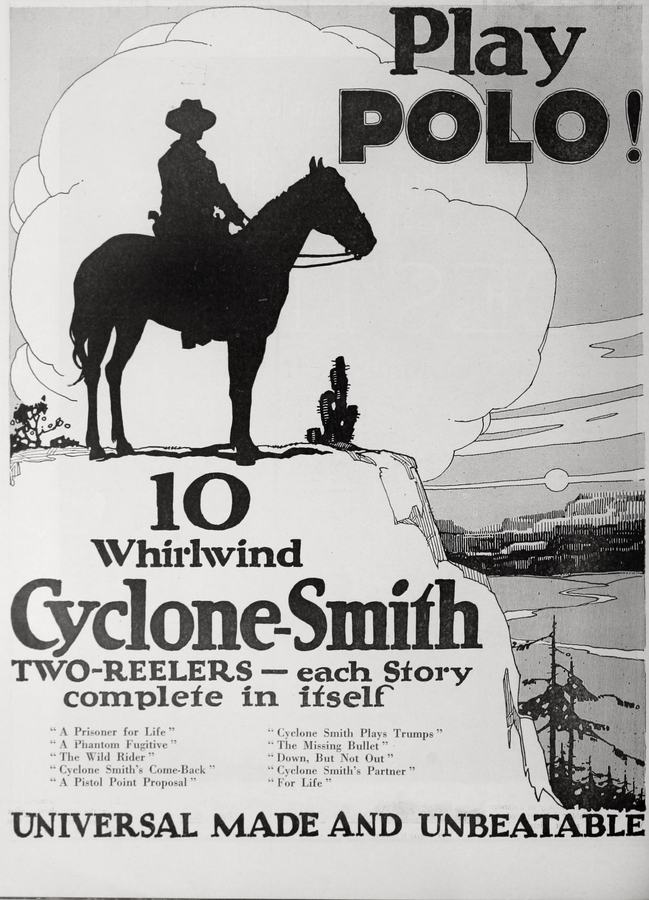
Stepping back into the dusty, sun-baked world of 'Cyclone Smith's Partner' is akin to unearthing a time capsule from the nascent days of cinematic storytelling. This isn't merely a film; it's a vibrant, kinetic artifact, a testament to the raw energy and narrative directness that defined the silent Western. Directed with a sure hand by Jacques Jaccard and penned by him alongside George Hively, the picture plunges us headfirst into a frontier where honor is currency, and betrayal lurks in every shadow. At its core, the film is an impassioned ode to brotherhood, an unwavering exploration of the lengths one man will go to for a friend unjustly accused. Jack Perrin, in the role of Cyclone Smith, embodies the archetype of the stoic, morally unassailable cowboy with an almost mythic grace. His performance, a masterclass in understated intensity, speaks volumes through his piercing gaze and resolute actions, cementing his status as a true hero of the silver screen's early epoch.
The narrative, while adhering to many of the genre's established conventions, distinguishes itself through its relentless pacing and the palpable stakes it establishes from its opening frames. We are introduced to Cyclone Smith and his jovial, loyal partner, a character imbued with a rough-hewn charm by Eddie Polo. Their camaraderie is immediately evident, a bond forged in the crucible of frontier life, making the subsequent betrayal all the more gut-wrenching. When Polo's character is framed for a brazen gold shipment robbery, a crime orchestrated with cunning malice by Jim Corey's 'Snake-Eye' Saunders and his henchmen, the narrative thrusts Cyclone into a desperate race against time. Corey, a veteran of countless Westerns, brings a chilling authenticity to his villainy, his very presence radiating menace. The film deftly portrays the swift, often unforgiving nature of frontier justice, where circumstantial evidence can condemn an innocent man to the gallows, creating an urgent, almost breathless tension that propels the story forward.
Beatrice Burnham, as the partner's sister, provides a crucial emotional anchor, her character's initial fragility evolving into a quiet resilience as she navigates the perilous landscape alongside Cyclone. Her performance avoids the typical damsel-in-distress trope, instead presenting a woman who, despite her vulnerability, possesses an inner strength that complements Cyclone's unwavering resolve. The danger she faces at the hands of Saunders' gang, including the subtly sinister Karl Silvera and the deceptively smooth Leonard Trainor, adds another layer of urgency and personal peril to Cyclone's quest. The screen crackles with the unspoken promise of romance, yet it never overshadows the primary conflict, allowing the themes of justice and loyalty to remain paramount. This careful balance is a hallmark of Jaccard and Hively's writing, demonstrating an understanding of how to weave intricate character dynamics into a high-stakes adventure without sacrificing either.
Visually, 'Cyclone Smith's Partner' is a marvel of its era. The cinematography, though rudimentary by modern standards, captures the vast, intimidating beauty of the Western landscape with stark realism. Wide shots emphasize the isolation and scale of the frontier, while closer compositions highlight the intensity of the actors' expressions. The action sequences, particularly the numerous horseback chases and standoffs, are executed with a visceral energy that belies the film's age. There's a tangible sense of speed and danger in these moments, a testament to the skill of the stunt performers and the director's ability to orchestrate chaotic scenes with clarity. Unlike some of its contemporaries, which could sometimes feel stage-bound, this film embraces its outdoor settings, utilizing them not just as backdrops but as active participants in the unfolding drama. The dust kicked up by galloping horses, the glint of sunlight on a rifle barrel, the stark silhouettes against a setting sun – these are the brushstrokes of a cinematic world brought vividly to life.
The film's thematic depth extends beyond mere good-versus-evil dichotomies. It delves into the very fabric of community and the fragility of law in an undeveloped land. When Cyclone's partner is accused, it's not just an individual's fate at stake, but the trust and order of the entire settlement. The film subtly critiques the mob mentality that can quickly take hold when fear and misinformation run rampant, highlighting the importance of due process, even in the most lawless of territories. This nuanced approach elevates 'Cyclone Smith's Partner' beyond a simple genre piece, imbuing it with a social commentary that remains relevant. The writers, Jacques Jaccard and George Hively, demonstrate a keen understanding of the moral complexities inherent in tales of frontier justice, opting for a narrative that, while thrilling, also encourages reflection on societal values.
Jack Perrin's portrayal of Cyclone Smith is particularly noteworthy. He eschews theatrical histrionics, relying instead on a quiet determination that makes his character profoundly relatable. His struggles are internal as much as external; we sense the burden of responsibility he carries, the weight of his friend's life resting squarely on his shoulders. This nuanced performance stands in contrast to some of the broader, more exaggerated acting styles prevalent in early silent cinema. Perrin's Cyclone is a man of action, certainly, but also a man of thought and deep conviction. One might draw a parallel to the steadfast heroism seen in films like God's Man, where the protagonist's moral fortitude is his greatest weapon against adversity, or the resolute individualism central to The Learnin' of Jim Benton, where character development is intrinsically tied to overcoming moral quandaries. Perrin's interpretation here is less about a transformative journey and more about an unwavering adherence to a personal code, a beacon of integrity in a tumultuous world.
The supporting cast, too, delivers performances that, while perhaps less central, are no less impactful. Jim Corey's 'Snake-Eye' is a genuinely despicable villain, his every sneer and calculating glance solidifying his place as a memorable antagonist. Karl Silvera and Leonard Trainor, as his lieutenants, provide credible support, embodying various shades of villainy from brute force to cunning deception. Eddie Polo, as the framed partner, brings a sympathetic humanity to his role, making his predicament all the more poignant. His scenes, though often brief, are crucial in establishing the emotional core of Cyclone's mission. Beatrice Burnham, navigating the perilous landscape of the frontier and the machinations of the villains, imbues her character with a quiet dignity, refusing to be merely a plot device. Her portrayal is a refreshing departure from the more passive female roles sometimes found in films of the era, hinting at the burgeoning strength of women in cinematic narratives.
Jaccard’s direction skillfully orchestrates the various elements of the story into a cohesive and compelling whole. He understands the power of visual storytelling, allowing actions and expressions to convey much of the narrative without over-reliance on intertitles. This is a crucial aspect of silent film artistry, and Jaccard excels at it. The pacing is remarkably tight for a film of its period, maintaining a brisk momentum that keeps the audience engaged. Even the expositional scenes feel purposeful, efficiently setting up the conflicts and character motivations. The climactic showdowns, characteristic of the Western genre, are staged with genuine excitement, utilizing the natural environment to maximum effect. One might compare the efficacy of these action sequences to the robust, no-nonsense brawling seen in The Trouble Buster, where practical stunts and clear choreography take precedence over elaborate camera trickery, resulting in a more immediate and thrilling experience for the audience.
The film's exploration of loyalty is arguably its most potent theme. The bond between Cyclone and his partner is the engine of the entire plot, driving every decision and every risk taken. It's a testament to the enduring power of friendship, a concept that transcends time and genre. In an era where individual survival was often paramount, 'Cyclone Smith's Partner' champions the idea that some bonds are worth fighting, even dying, for. This unwavering commitment to another's welfare imbues the film with a moral clarity that is both inspiring and deeply affecting. It's a narrative choice that resonates strongly with the core values often depicted in early American cinema, providing a heroic ideal for audiences to rally behind. The stakes are never just about gold or land; they are fundamentally about human connection and the preservation of personal integrity in a world constantly threatening to erode it.
While 'Cyclone Smith's Partner' certainly adheres to the established tropes of the Western, it manages to infuse them with a vitality that prevents it from feeling derivative. The writers, Jacques Jaccard and George Hively, demonstrate a knack for crafting scenarios that, while familiar, still manage to surprise and engage. The mechanisms of the frame-up, the twists and turns of the investigation, and the dramatic reveals are all handled with a practiced hand, ensuring that the audience remains invested in Cyclone's arduous quest for truth. The film avoids overly simplistic resolutions, instead building towards a satisfying, albeit hard-won, triumph of justice. It speaks to a certain authenticity, a recognition that justice on the frontier was rarely easy or clean, but always worth fighting for, much like the challenging journeys seen in films such as A Daughter of the West, where characters must overcome formidable obstacles to achieve their goals.
The legacy of 'Cyclone Smith's Partner' lies not just in its entertainment value, but in its contribution to the evolving language of cinema. It showcases how silent films, through expert direction, compelling performances, and tight scripting, could tell stories with profound emotional resonance and thrilling action. The film is a vital piece of the Western genre's foundational tapestry, demonstrating the genre's enduring appeal and its capacity for exploring universal themes. It’s a reminder that even without spoken dialogue, the power of visual storytelling, combined with the evocative performances of actors like Jack Perrin and Jim Corey, can create an indelible impression. For enthusiasts of early cinema, or anyone curious about the roots of the Western, this film offers a captivating glimpse into a bygone era of moviemaking, where the grit and glory of the frontier were brought to life with passion and ingenuity. It stands as a robust example of how simple narratives, when executed with conviction, can achieve a timeless quality, continuing to entertain and resonate with new generations of viewers.
In terms of its technical execution, the use of intertitles is particularly effective. They are concise, impactful, and used sparingly, allowing the visual narrative to dominate. This judicious application ensures that they enhance the storytelling without disrupting the flow of the action. The decision to let the actors' expressions and body language carry the emotional weight is a testament to their talent and Jaccard's directorial vision. The editing, too, is surprisingly sophisticated for the period, employing cuts that build suspense and maintain a rhythmic cadence throughout the film. There are moments of cross-cutting between Cyclone's pursuit and his partner's plight that heighten the dramatic tension, a technique that was still evolving at the time. This thoughtful craftsmanship elevates 'Cyclone Smith's Partner' beyond mere serial fodder, positioning it as a thoughtfully constructed piece of cinematic art.
The inherent optimism, despite the perilous journey, is another distinguishing factor. While the stakes are dire, there's an underlying belief in the triumph of good over evil, a characteristic often found in the classic Western. Cyclone Smith never wavers, never succumbs to despair, even when the odds seem insurmountable. This steadfast resolve is not naive; it's a deep-seated conviction that justice, however elusive, will ultimately prevail. This aspect connects it to the broader American mythological landscape, where the individual, through sheer will and moral rectitude, can overcome systemic injustice. It’s a powerful message, delivered without pretense, a testament to the enduring appeal of heroic narratives. The film, in its unyielding pursuit of a just outcome, offers a glimpse into the values that audiences of the era cherished, and indeed, values that continue to resonate with us today.
Ultimately, 'Cyclone Smith's Partner' is more than just an antiquated Western; it's a robust piece of early American cinema that deserves renewed appreciation. Its narrative clarity, dynamic performances, and thoughtful direction coalesce to create a compelling experience. It reminds us of a time when stories were told with a straightforward honesty, driven by fundamental human emotions and timeless struggles. The film serves as a compelling argument for the enduring power of silent film, showcasing its capacity for generating genuine excitement, profound emotion, and lasting moral resonance. It is a vibrant, thrilling ride through the rugged terrain of the old West, a cinematic journey that continues to captivate and impress, cementing its place as a significant entry in the annals of the genre. The vibrant spirit of the frontier, with all its dangers and its profound loyalties, is captured here with an authenticity that few films, even today, manage to achieve.
The interplay between the natural landscape and the human drama is particularly striking. The vastness of the plains and the ruggedness of the mountains are not merely backdrops but active participants in the unfolding narrative. They amplify the sense of isolation, the struggle for survival, and the sheer scale of the challenges faced by Cyclone Smith. The wind-swept vistas and the harsh sunlight contribute to the film’s authentic atmosphere, making the audience feel truly immersed in this untamed world. This careful attention to setting is a hallmark of the best Westerns, and 'Cyclone Smith's Partner' exemplifies it beautifully. It’s a powerful reminder of how early filmmakers harnessed the raw power of their environments to enhance their storytelling, creating a sensory experience that transcended the limitations of the technology.
The casting, too, is impeccable. Jack Perrin, with his chiseled features and earnest demeanor, is the quintessential silent Western hero. His ability to convey complex emotions through subtle shifts in expression and posture is remarkable. Jim Corey, on the other hand, is perfectly cast as the nefarious antagonist, his presence radiating a palpable sense of threat. Beatrice Burnham brings a compelling blend of vulnerability and nascent strength to her role, making her character far more than a mere plot device. The chemistry between the leads, particularly the unspoken bond between Cyclone and his partner, as well as the budding connection with Burnham's character, adds considerable emotional depth to the proceedings. The ensemble works in perfect concert, each actor contributing to the rich tapestry of this frontier saga, demonstrating a collective understanding of the heightened, yet often subtle, demands of silent performance.
In conclusion, for those seeking a genuine article of silent-era Westerns, 'Cyclone Smith's Partner' offers an enthralling experience. It is a film that, despite its age, retains an incredible immediacy and power, a testament to the enduring craft of its creators. It stands as a vibrant example of how effective visual storytelling can be, even without the aid of dialogue. The themes of loyalty, justice, and the struggle against overwhelming odds are universal and timeless, making this film as relevant today as it was upon its release. It's a journey into the heart of the American frontier, guided by a hero whose moral compass shines brightly, and a narrative that never loses its grip. A must-see for aficionados of classic cinema, and a compelling introduction for those new to the genre, it truly is a masterclass in silent storytelling.
IMDb 2.6
1932
Community
Log in to comment.