DbcultAccessing Vault...
5.8/10
Senior Film Conservator
A definitive 5.8/10 rating for a film that redefined the boundaries of cult cinema. Daddy's Gone A-Hunting remains a cornerstone of transgressive art.
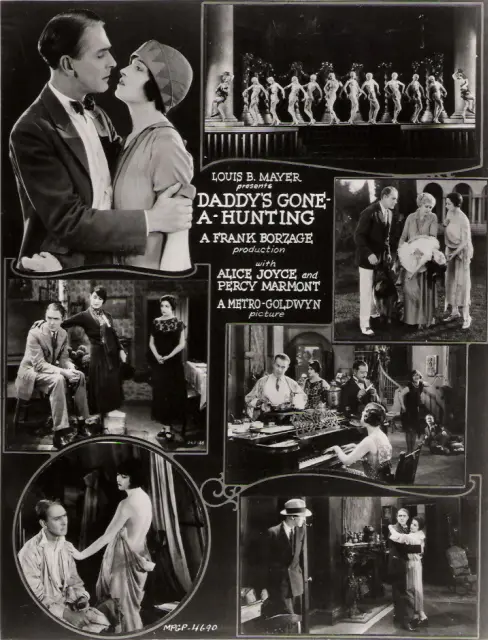
Daddy's Gone A-Hunting is a narrative that intricately weaves the personal and professional struggles of a young couple, Julian and Edith, against the backdrop of early 20th-century urban America. This film, directed by Kenneth B. Clarke and Zoe Akins, with a stellar cast including Percy Marmont and Alice Joyce, offers a nuanced exploration of the complexities of artistic aspiration, marital commitment, and the allure of foreign lands.
Julian (Percy Marmont), a painter with a flair for creativity, finds himself at the crossroads of his dreams and his reality. The harsh realities of poverty and the constant struggle to make ends meet force him to abandon his artistic pursuits and take up work in the magazine industry. His decision is a testament to the harsh economic climate of the time, where artistic ambitions often had to be shelved in favor of financial stability. The film beautifully captures the essence of his struggle, showing the toll it takes on his spirit and his relationship with Edith. The transition from artistic passion to mundane routine is poignantly illustrated, highlighting the sacrifices made in the name of survival.
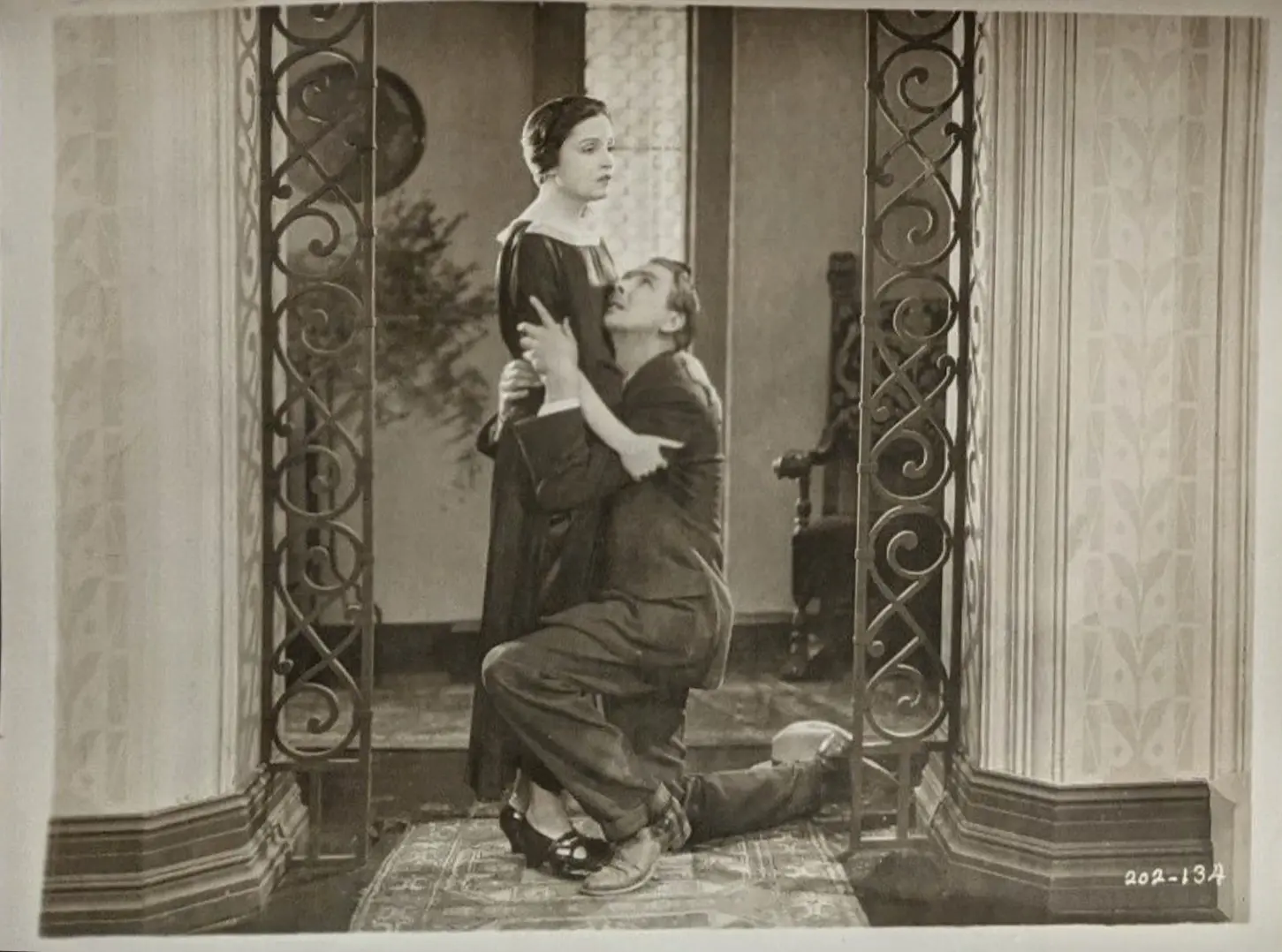
Edith (Alice Joyce), Julian's wife, remains an anchor of hope and support. Despite her own aspirations, she chooses to stand by Julian, believing in his potential. Her character is one of unwavering loyalty and an understanding nature. The film delves into her journey as she grapples with the reality of Julian's absence and the allure of a wealthy suitor, while still harboring deep-seated emotions for her husband. Her character arc is a reflection of the societal norms of the time, where women often had to navigate between their desires and the expectations placed upon them. The contrast between her initial loyalty and the subsequent disillusionment forms a poignant subplot that enriches the narrative.
The decision to move to Paris is a turning point in Julian's life, marking a departure from the familiar and a leap into the unknown. The film captures the allure of Paris with its vibrant artistic scene, but also the harsh realities of expatriate life. Julian's failure to achieve his dreams in Paris and his eventual return to New York introduces a bittersweet element to the story. The reunion between Julian and Edith, after a three-year absence, is a moment of emotional catharsis, though it is one tinged with the realization of how much they have changed. Their encounter serves as a mirror, reflecting the divergent paths they have taken and the sacrifices they have made.
Through its meticulously crafted characters and settings, 'Daddy's Gone A-Hunting' offers a rich tapestry of human emotions and experiences. The film's exploration of the intersection between art and life, and the complexities of personal and professional aspirations, resonates with a universal audience. It is a reminder of the enduring nature of love and the challenges it faces, even in the face of adversity.
The film's setting in Harlem and New York City provides a vivid backdrop, adding depth to the narrative. The contrast between the bustling urban landscapes and the serene beauty of Paris is a visual metaphor for the characters' journeys. The cinematography, while simple, effectively captures the essence of each location, enhancing the storytelling. The use of period-appropriate costumes and set designs further immerses the audience in the world of the film, making the characters and their experiences feel authentic and relatable.
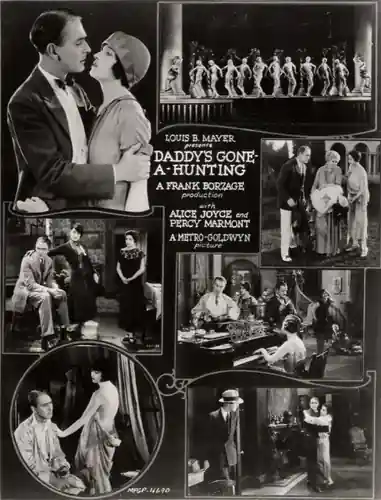
The performances by the cast, particularly Percy Marmont and Alice Joyce, are commendable. Marmont's portrayal of Julian is both passionate and vulnerable, capturing the essence of a man torn between his dreams and his obligations. Joyce's Edith is a character of deep emotion and resolve, her performances bringing a sense of realism and depth to the narrative. The supporting cast, including Ford Sterling and Barbara Tennant, adds layers to the story, enriching the overall narrative with their nuanced portrayals.
The film's script, penned by Kenneth B. Clarke and Zoe Akins, is a testament to its writers' skill in weaving a compelling narrative. The dialogue is both natural and evocative, capturing the essence of the characters and their experiences. The script is rich in emotional depth, allowing the audience to connect with the characters on a profound level. The pacing of the film is deliberate, giving ample time for the audience to absorb the emotional nuances and the evolving dynamics of the characters.
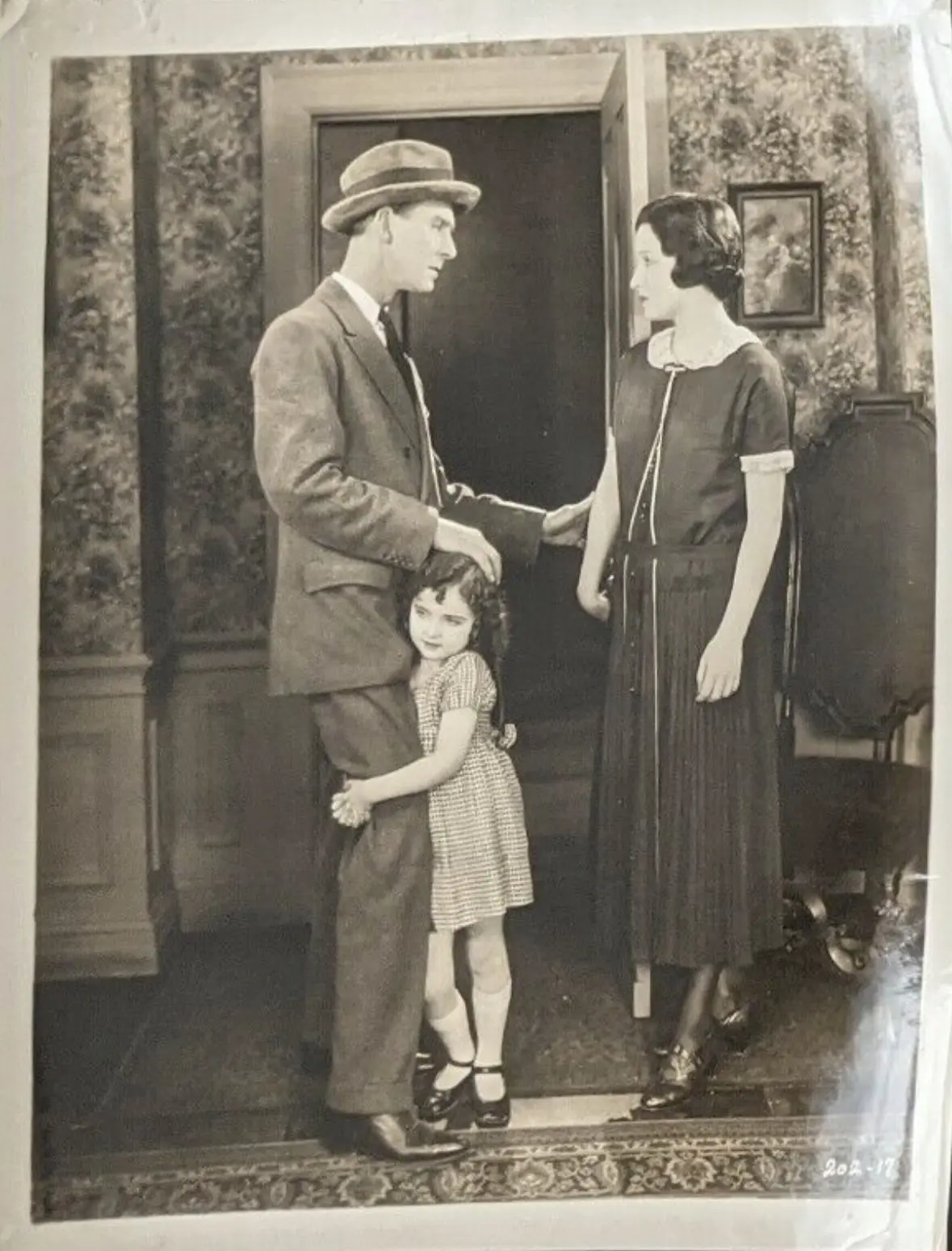
While 'Daddy's Gone A-Hunting' is a period piece, its themes and emotional resonance transcend the era in which it was made. The film's exploration of the struggles of artistic aspiration, the challenges of marital commitment, and the allure of the unknown are universal themes that continue to resonate with audiences. The film serves as a poignant reminder of the sacrifices made in the pursuit of dreams and the importance of personal integrity and resilience.
For those interested in exploring similar narratives, 'It Happened in Paris' (href="/movies/it-happened-in-paris") and 'The Book Agent' (href="/movies/the-book-agent") are worth considering. Both films delve into the lives of artists and writers in the early 20th century, offering a glimpse into the artistic and cultural milieu of the time.
In conclusion, 'Daddy's Gone A-Hunting' is a masterful exploration of the human condition, offering a rich and nuanced narrative that resonates with both the past and the present. Its ability to capture the essence of love, loss, and the pursuit of dreams makes it a must-watch for any film enthusiast.
IMDb 5.2
1931
Community
Log in to comment.