DbcultAccessing Vault...
Cult Review
Senior Film Conservator
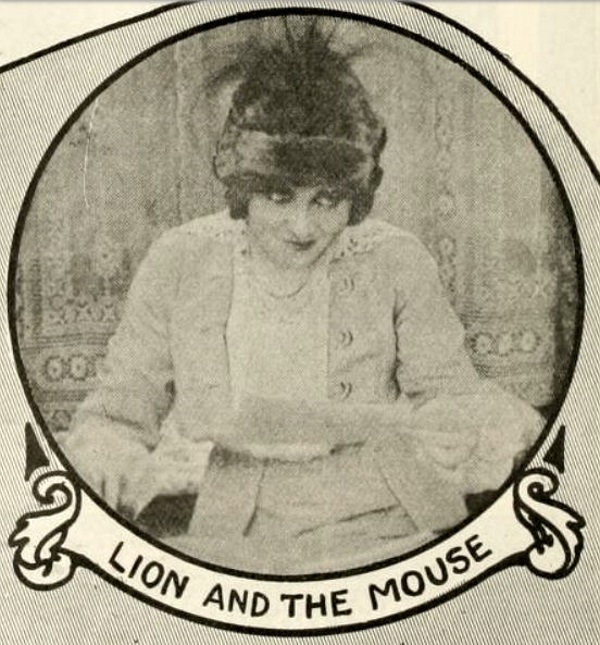
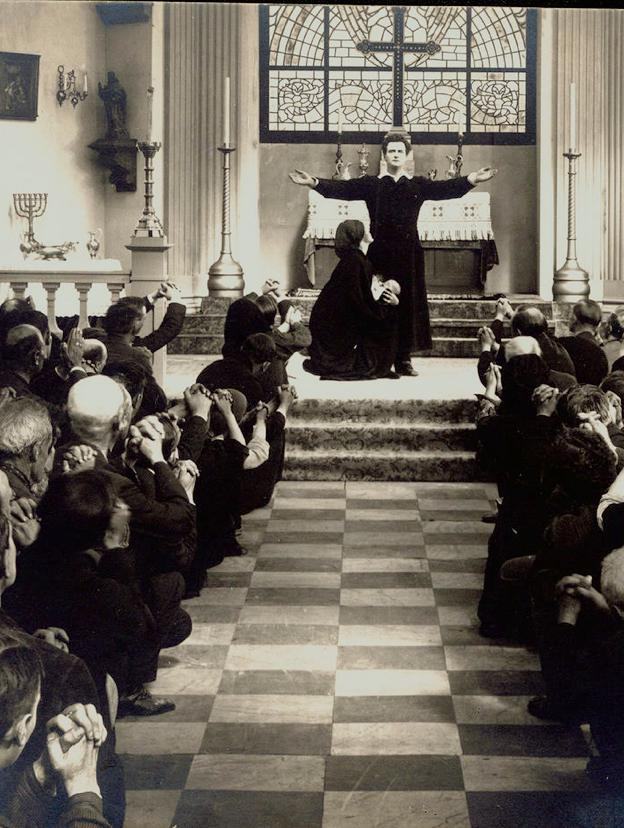
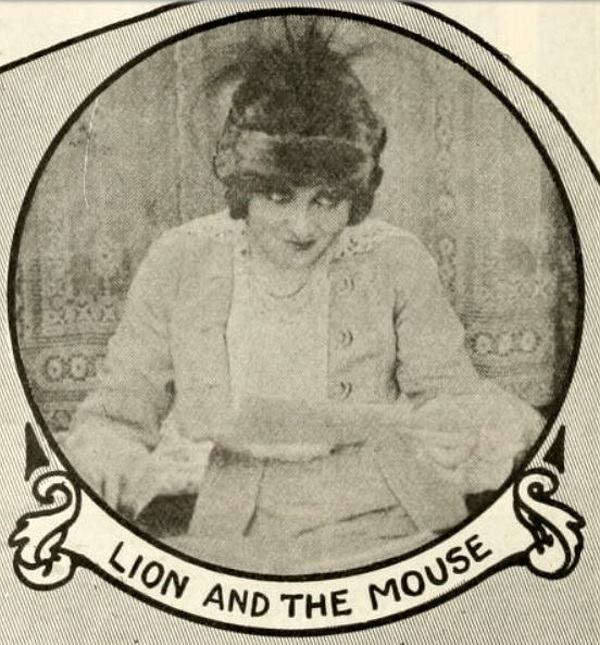
A single match struck in a cavernous library: that is how Barry O’Neil and Charles Klein open The Lion and the Mouse—a 1914 silent that feels anything but mute. From its first iris-in, the film crackles with the ozone scent of fiduciary warfare; title cards bloom like subpoenas across the screen, each one indicting the audience for our own complicity in wealth worship.
The Plot as Palimpsest
Forget the tidy melodrama you half-remember from high-school stage adaptations; this celluloid predator has claws of ticker tape. Ryder’s empire is built on margin calls and broken judges, not mustache-twirling villainy. When Shirley’s manuscript—alias Sarah Green—lands in that mahogany sanctum, the scene plays like a blood transfusion: ink for blood, paper for bone. The financier caresses the pages the way a collector fondles a Rembrandt, aroused less by art than by the mirror it holds to his own magnificence.
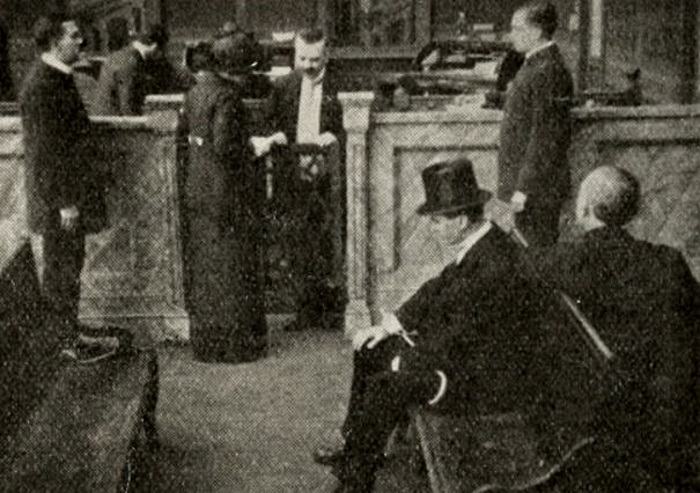
Notice the blocking: Ryder (Richard Morris) sits high in a throne-like swivel chair; Shirley (Ethel Clayton) stands, diminutive, yet her silhouette swells to fill the wideshot thanks to a deft low-angle lens. The power dynamic flips without a single cut. It’s pure visual rhetoric worthy of Eisenstein—five years before Eisenstein.
Performances That Quake
Ethel Clayton’s Shirley is no wilting ingénue; her smile arrives a half-second late, as though vetted by legal counsel, and when she doffs her pseudonym like a glove, the gesture feels simultaneously regal and reckless. Opposite her, Gaston Bell’s Jefferson is all Ivy League diffidence—until the climactic denunciation, where his tenor of entitlement fractures into something raw, almost Oedipal. Their chemistry is less swoon than slow-burn combustion, a credit to Bell’s ability to look simultaneously lovesick and embarrassed by his own pedigree.
Richard Morris towers without pyrotechnics; he lets the bulk of his three-piece suit do the menacing. Watch the way he removes a cigar: a single thumb roll, the ash held pinched like a verdict. It’s the gestural equivalent of a closing bell.
Color as Moral Barometer
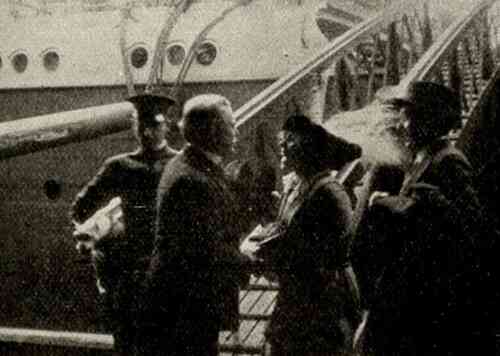
Though monochromatic by technical mandate, the film drips with chromatic suggestion via tinting. Nighttime exposition swims in cobalt, Ryder’s cigars glow amber, and the final reconciliation scene is bathed in a pale citrus wash—yellow like dawn, yellow like caution, yellow like the first fragile daisy through asphalt. Modern restorations that flatten these hues to graphite do the picture a disservice; seek out the Kino hand-tinted Blu-ray if you can.
A Script That Snaps Like Sailcloth
Charles Klein’s intertitles deserve their own essay. He favors serrated aphorisms: “Wealth is the whistle that calls the dog—Power is the hand that throws the bone.” Or Shirley’s riposte to Ryder’s marriage scheme: “I would rather dine on my own indigestible scruples than sup at your banquet of second-hand souls.” Try finding dialogue that chewy in most 2023 blockbusters.
Cinematographic Currency
Cinematographer Max Schneider shoots Manhattan like a battlefield. The stock-exchange set is lit from below, turning the trading floor into a forge where men hammer hot steel into cold cash. Note the repeated motif of doors: iron gates, mahogany portals, elevator cages—every threshold frames Ryder like a monarch surveying fiefdoms. When Shirley finally exits, the door stays ajar, a sliver of white cutting across the black foyer; hope, literally wedged open.
If you’re chasing similar power-tableaux, curl up with The Million Dollar Mystery for another tale of fortunes bartered over betrayals. The European fatalism of Das Modell likewise pits creation against capital, though its Berlin Expressionist angles make Ryder’s skyscraper lair feel almost homey. Meanwhile, Obryv dissects Russian aristocracy mid-collapse; swap rubles for dollars and you’ll hear the same hollow clang of coins hitting marble.
The Feminist Pendulum
1914 was no golden age for suffrage on-screen, yet Shirley’s victory is not marital but narrative: she rewrites the ledger, literally. The pilfered letters she wields aren’t MacGuffins—they’re her byline on justice. Compare her to the damsel-fairies of The Princess’s Dilemma and you realize how radical her agency felt amid Edwardian mores.
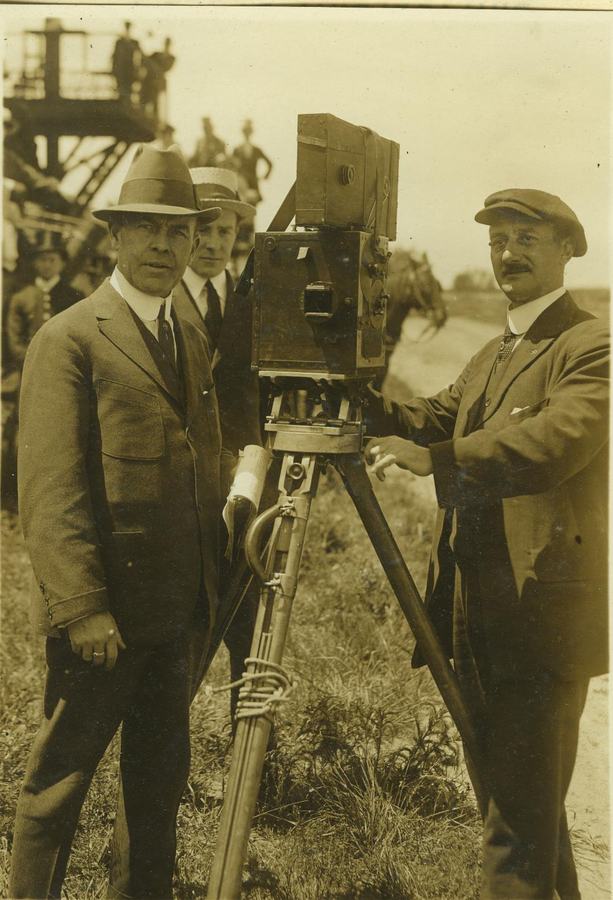
Modern audiences occasionally scoff at silents, mistaking quiet for emptiness. Watch this with a live accompanist—preferably one who understands that ragtime undercuts while dissonant chords indict—and the film detonates. During a recent Brooklyn revival, every time Ryder exhaled cigar smoke, the organist hit a low C-sharp that rattled ribcages. The room gasped in unison; silence became communal.
Box-Office & Afterlife
Released the same autumn Europe began digging trenches, The Lion and the Mouse minted over half a million domestically—serious coin when tickets cost a nickel. Critics hailed it as “the first photoplay to make Mammon the villain and win.” Unfortunately, only two of the original seven reels survive in complete 35 mm; the rest are patched from a 1922 reissue and a 16 mm classroom print discovered in a Duluth attic. What remains, however, is less fragment than fever dream—lacunae you fill with your own moral dread.
Great cinema ages into prophecy. Ryder’s credo—“Markets mend morals”—rings across a century of recessions, crypto bubbles, and too-big-to-fail bailouts. Shirley’s retort—“A pen can unwrite a prison”—is the mantra every whistle-blower, blogger, or tweetstormer clings to when David squares off against an armored Goliath. Watch it once for the history, twice for the cautionary shimmer, a third time to remind yourself which species—lion or mouse—still rules the savanna of public opinion.
Stream it legally via Criterion Channel’s “Silent Power & Politics” bundle, or haunt your local cinematheque; either way, bring a cigar—just don’t expect to smoke it. By the closing iris, you’ll find your lungs already full of smoke and scandal.
IMDb 5.4
1921
Community
Log in to comment.