
DbcultAccessing Vault...
4.8/10
Senior Film Conservator
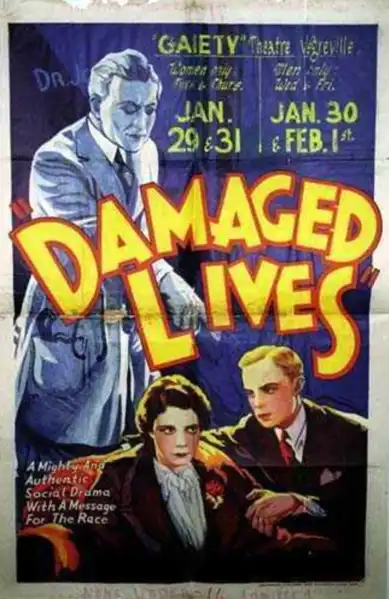
A definitive 4.8/10 rating for a film that redefined the boundaries of cult cinema. Damaged Lives remains a cornerstone of transgressive art.
If you have a weird fascination with early exploitation cinema or public health propaganda, you might find Damaged Lives kind of a hoot. If you are looking for a nuanced romantic drama, turn away now. This thing has all the subtlety of a sledgehammer to the kneecaps. 🔨
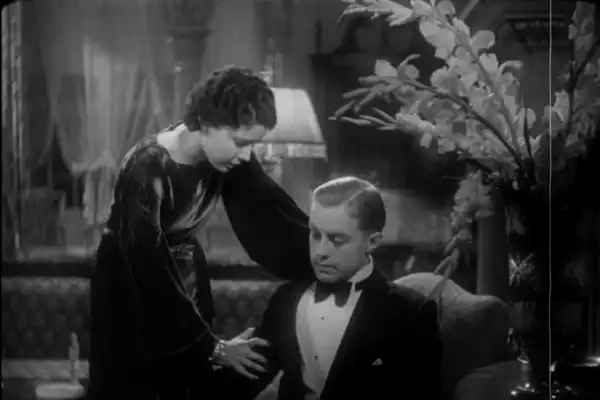
The whole premise is framed as a big, serious medical warning. It feels less like a narrative and more like an episode of a show you’d be forced to watch in a dark high school gymnasium. You can tell the filmmakers were more interested in the lesson than the actual characters.
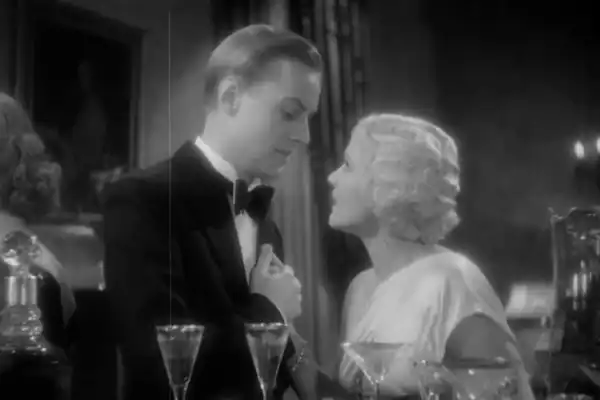
The acting is stiff, bordering on robotic at times. There’s a specific scene in a doctor’s office that goes on for, I swear, ten minutes of pure, unadulterated dialogue. It’s like they forgot they were making a movie and just started reading a textbook out loud.
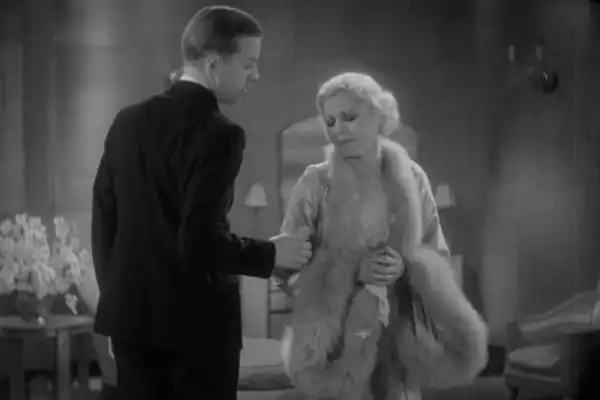
I found myself staring at the wallpaper in the background more than listening to the plot. That’s usually a bad sign. But, there is something oddly endearing about how earnest it all is.
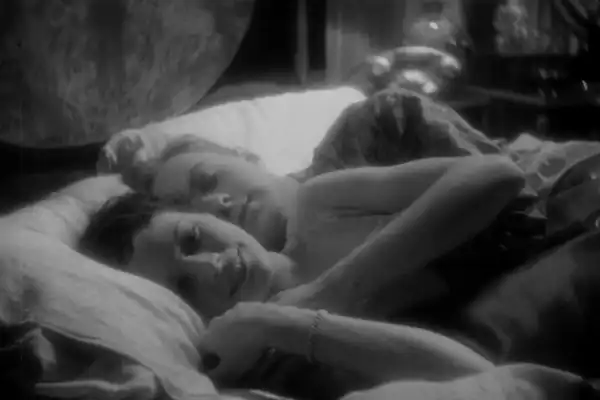
It’s a far cry from the lighthearted nature of something like The Fast Worker. While that film is just trying to be a bit of fun, Damaged Lives is trying to save your soul and your bloodstream at the same time. It’s a very different animal.

It reminds me slightly of the moralizing you find in Kentucky Pride, though that one had horses to look at. Here, you just have a lot of worried faces and ominous lighting. 🏥
The pacing is a mess. It’s slow when it should be frantic and frantic when you just want a moment to breathe. Honestly, I think the writers were just terrified of the audience missing the point. So they just kept repeating the point until the credits rolled.
Would I watch it again? Probably not. Is it interesting as a relic of 1930s fear-mongering? Absolutely. Just keep your expectations low and maybe keep a snack nearby. It’s a dry watch.