DbcultAccessing Vault...
Cult Review
Senior Film Conservator
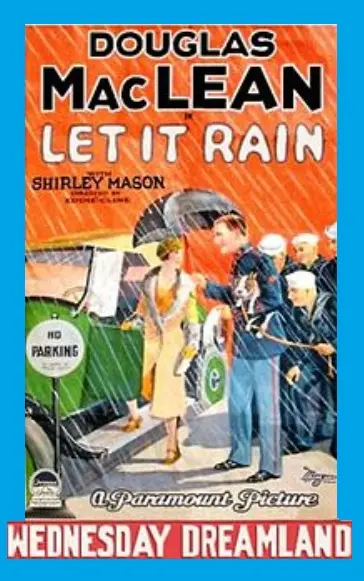
Is Let It Rain a forgotten classic or a relic of a bygone era? Short answer: yes, it is a delightful time capsule, but its appeal is strictly limited to those who appreciate the rhythmic chaos of silent-era slapstick. If you are looking for a deep military drama, look elsewhere. This is for the fans of physical comedy and those curious about the early, unmasked screen presence of Boris Karloff.
Released in 1927, Let It Rain serves as a primary vehicle for Douglas MacLean, the 'Smiling' comedian who often occupied the space between the acrobatic genius of Buster Keaton and the everyday-man charm of Harold Lloyd. This film captures a specific American cultural moment where the rivalry between the Navy and the Marine Corps was a staple of populist entertainment. It is fast, frequently absurd, and surprisingly grounded in the technical realities of shipboard life.
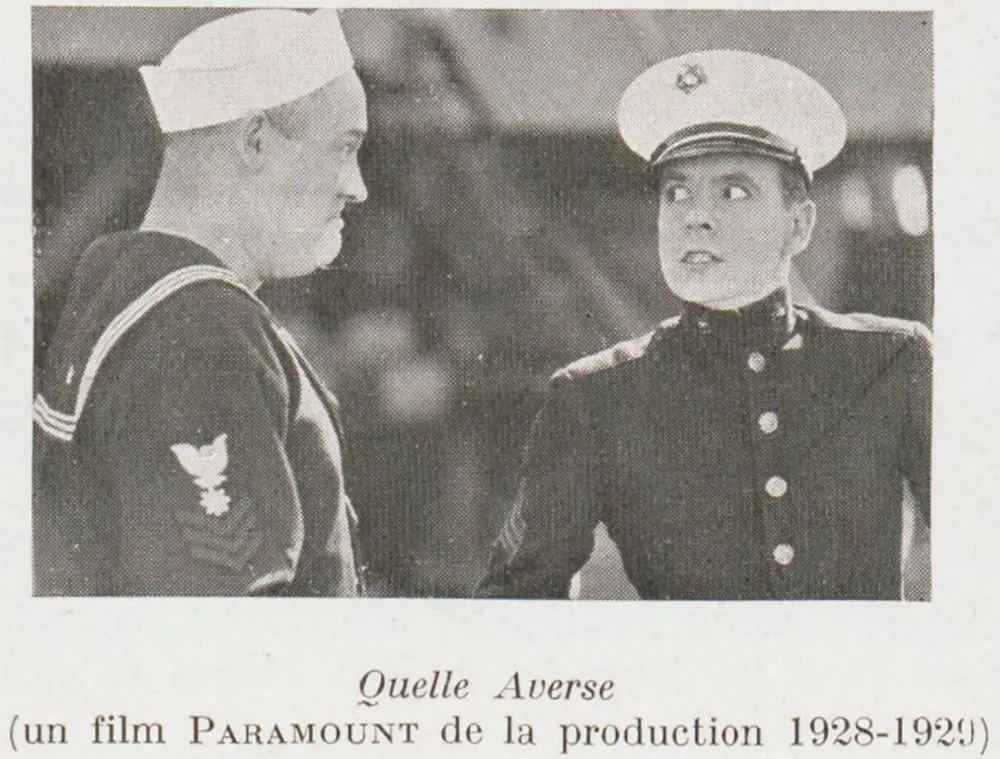
1) This film works because Douglas MacLean possesses a kinetic, infectious energy that prevents the thin plot from ever feeling stagnant.
2) This film fails because the transition from a broad military farce to a serious crime thriller in the final act feels like two different movies stitched together with little warning.
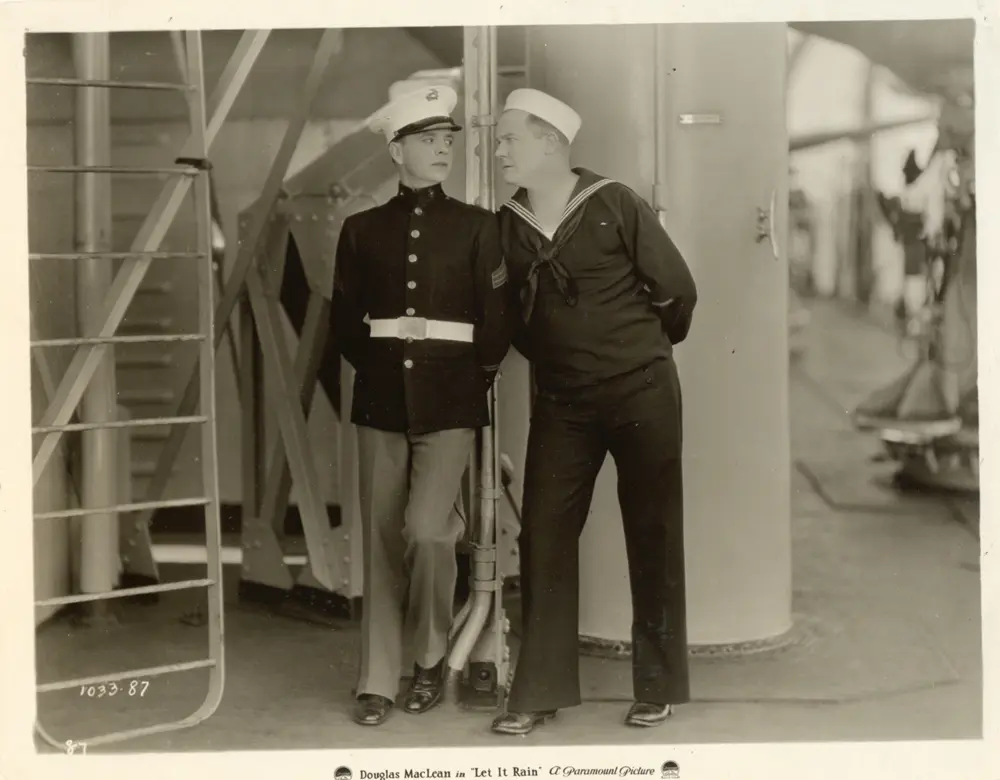
3) You should watch it if you want to see the DNA of the modern 'buddy-cop' rivalry or if you are a completionist looking for early silent-era genre-blending.
The heart of the film is the friction between Sergeant Riley (MacLean) and the sailors, specifically his 'pet enemy' Kelly. This isn't the gritty realism of modern warfare. It is a playground. The film spends a significant amount of its runtime establishing the hierarchy of the ship and the creative ways these men find to annoy one another. In one specific scene, the elaborate setup for a prank involves a sequence of pulleys and coincidences that feels like a Rube Goldberg machine of military discipline. It is here that MacLean shines, using his face as a canvas of smug satisfaction.
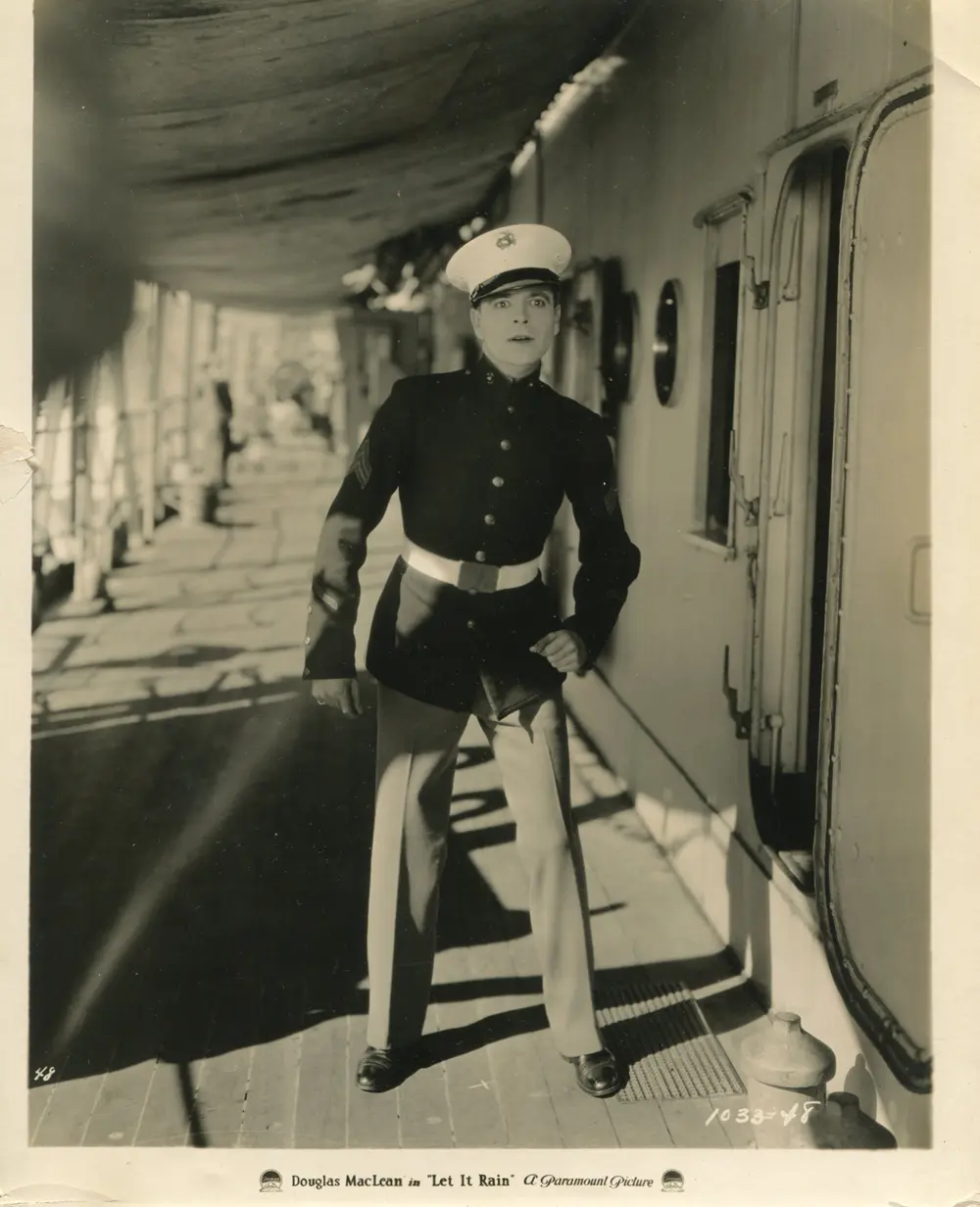
Unlike the heavy-handed drama found in The Moment Before, Let It Rain refuses to take itself seriously for the first forty-five minutes. The direction by Edward Sloman (though often credited to the production team's oversight) focuses on the geometry of the ship. We see the tight corridors and the vast decks not as a setting, but as an obstacle course. This physicality is what keeps the film alive today. When Riley breaks arrest, the choreography of his escape is a masterclass in silent timing. He doesn't just run; he flows through the environment.
Shirley Mason plays the love interest, a telephone operator who represents the 'modern girl' of 1927. While her role is primarily that of a catalyst for Riley’s rebellion, Mason brings a level of earnestness that balances MacLean's frantic performance. Her presence reminds us of the stakes in The Splendid Sinner, where the female lead often dictates the moral trajectory of the hero. Here, she is the reason Riley is willing to throw away his career.
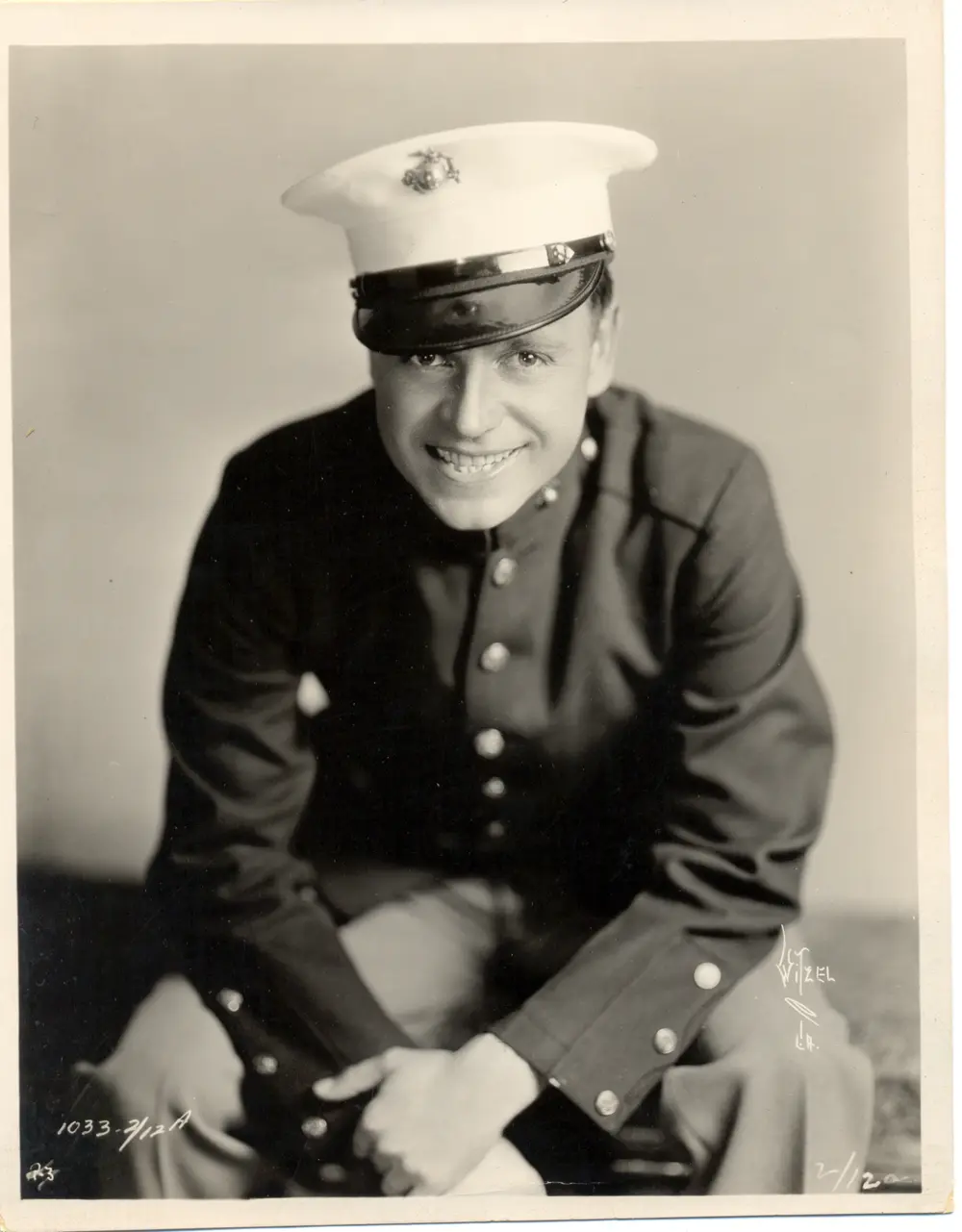
The romance is handled with the typical sweetness of the era. There are no long, brooding dialogues—partly because it’s a silent film, but mostly because MacLean’s Riley is a man of action. He falls in love not through conversation, but through a series of frantic, desperate attempts to impress her. It is charming, if a bit dated. However, the film takes a sharp, jagged turn when a mail robbery plot is introduced. Suddenly, we are no longer in a comedy. We are in an adventure film.
Yes, Let It Rain is worth watching for anyone interested in the evolution of the action-comedy genre. It provides a rare look at Douglas MacLean at the height of his powers, delivering a performance that is both athletic and endearingly smug. While the plot is predictable, the execution of the physical gags and the historical novelty of the Marine Corps setting make it a compelling watch for silent film enthusiasts. It is a breezy, 70-minute experience that offers more laughs than many of its contemporaries.
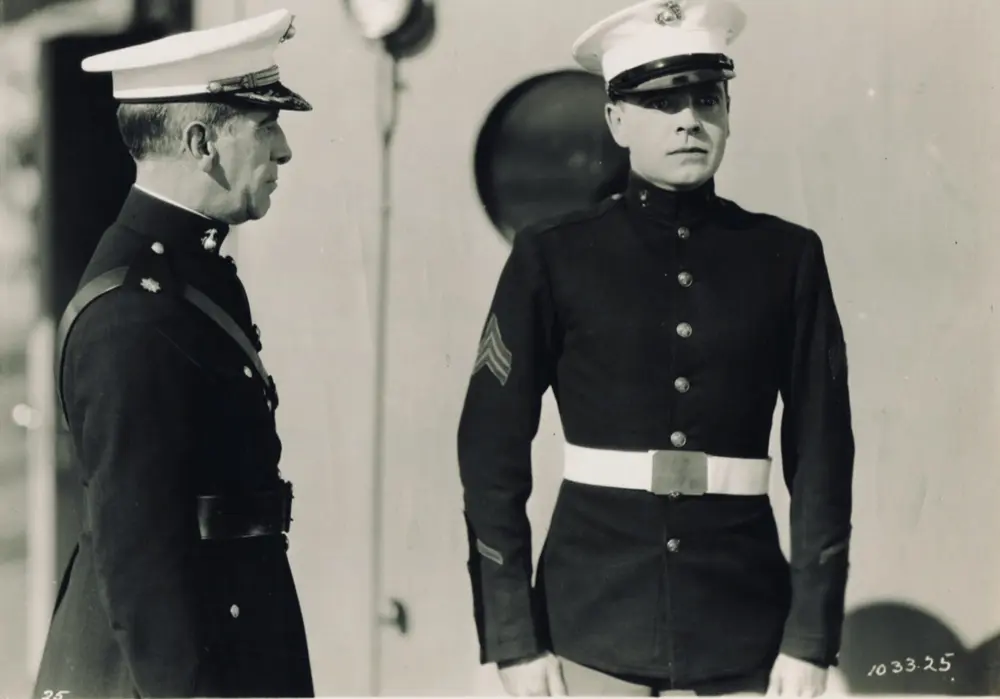
One of the most fascinating aspects for modern viewers is the appearance of Boris Karloff. Long before he became the face of Universal Horror, Karloff was a working character actor, often playing villains or 'heavies' in films like this. In Let It Rain, he plays one of the crooks involved in the mail robbery. He doesn't have much to do, but his presence is unmistakable. Even in a silent farce, Karloff’s physicality is imposing. He provides a genuine sense of threat that the film otherwise lacks. It is a jarring contrast to the 'rollicking farce' promised by the marketing of the time.
His involvement in the climax elevates the stakes. When Riley and his rival Kelly have to put aside their differences to take down the robbers, the film moves into a territory that feels surprisingly modern. It’s the classic 'enemy of my enemy is my friend' trope, executed with 1920s flair. This transition is handled better than in Shoot Straight, which struggled with similar tonal shifts. Here, the action is fueled by the same energy as the comedy.
The pacing of Let It Rain is its greatest strength. It does not linger. In an era where many films like My Official Wife could sometimes feel bogged down by their own melodrama, this film keeps the gears turning. The editing is sharp, focusing on the reactions of the sailors and the frantic movements of Riley. The cinematography captures the scale of the ship and the chaos of the final chase with a clarity that was quite advanced for 1927.
The use of titles is also worth noting. They are punchy and often serve as the punchline to the visual gags. There is a specific rhythm to the way the dialogue cards are interspersed with the action, ensuring that the audience never loses the thread of the rivalry. It’s a lean piece of filmmaking. No fat. No filler. Just pure, unadulterated entertainment designed for a Saturday afternoon audience.
Pros:
- Exceptional physical timing by MacLean.
- A rare, pre-fame look at Boris Karloff.
- Authentic 1920s military atmosphere.
- Short, punchy runtime that never drags.
Cons:
- The 'mail robbery' plot feels tacked on.
- The romantic subplot is very thin.
- Some of the military humor requires historical context to fully land.
Let It Rain is a fascinating relic. It works. But it’s flawed. The film succeeds as a showcase for Douglas MacLean’s unique brand of comedy, which feels more modern and less 'staged' than many of his peers. While it doesn't reach the heights of the great silent masterpieces, it is a superior example of the 'B-side' of 1920s cinema—films made to entertain quickly and efficiently. If you can forgive the sudden shift into a robbery thriller, you will find a film that is genuinely funny and surprisingly exciting. It is a rollicking farce that earns its 'adventure finish'. For those who have enjoyed Homer Comes Home, this is a natural next step in exploring the lighter side of the silent era.
IMDb 6.6
1935
Community
Log in to comment.