DbcultAccessing Vault...
6.7/10
Senior Film Conservator
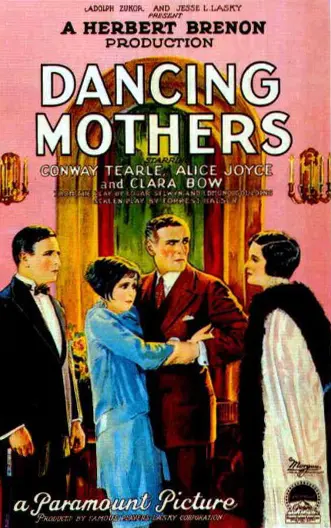
A definitive 6.7/10 rating for a film that redefined the boundaries of cult cinema. Dancing Mothers remains a cornerstone of transgressive art.
Short answer: Yes, but not without its flaws. 'Dancing Mothers' is a fascinating glimpse into the early 1920s, with Clara Bow delivering a standout performance as Gwen, a young girl who dares to be different. This film is worth watching if you're interested in the cultural shifts of the flapper era and the complexities of family dynamics.
First and foremost, this film works because of Clara Bow's magnetic presence. Her performance as Gwen is a perfect blend of charm and rebellion, making her character relatable and endearing. The film also excels in capturing the essence of the flapper era, with its fashion, music, and social norms all woven seamlessly into the narrative.
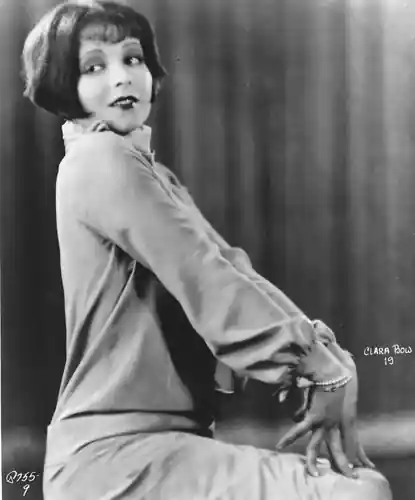
The film fails, however, in its attempts to balance Gwen's personal journey with the broader societal context. While the flapper movement is well-represented, the film occasionally feels more focused on Gwen's individual struggles rather than the larger cultural shift.
For those interested in the cultural history of the early 20th century, particularly the rise of the flapper, 'Dancing Mothers' offers a compelling look at a pivotal moment in American society. Clara Bow's performance is a major draw, and the film's exploration of generational conflict is both relatable and thought-provoking. However, the film's occasional lack of historical context and uneven pacing may make it less engaging for those seeking a more polished historical drama.
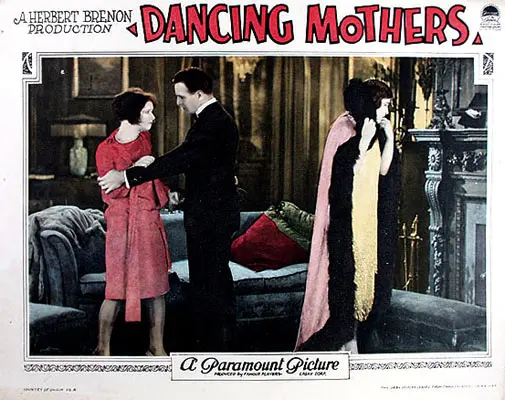
It works. But it’s flawed. 'Dancing Mothers' is a fascinating look at a pivotal moment in American history, thanks largely to Clara Bow's magnetic performance. While the film occasionally struggles with pacing and historical context, it remains a worthwhile watch for those interested in the early 1920s and the rise of the flapper. Clara Bow's performance is a highlight, and the film's exploration of generational conflict is both relatable and thought-provoking. However, the film's occasional lack of historical context and uneven pacing may make it less engaging for those seeking a more polished historical drama.
Bow's Performance: Clara Bow's portrayal of Gwen is a standout element of the film. Her ability to convey both charm and rebellion makes her character relatable and endearing. The film's exploration of the flapper era is also well-represented, with its fashion, music, and social norms all woven seamlessly into the narrative.
Deuce Duncan (1928): Similar to 'Dancing Mothers,' 'Deuce Duncan' also explores the rise of the flapper and the challenges faced by young women trying to navigate societal expectations. Both films offer a glimpse into the cultural shifts of the early 1920s, but 'Dancing Mothers' is perhaps more focused on the individual struggles of its protagonist.
Mästertjuven (1926): This Swedish film, known for its exploration of youth and rebellion, shares thematic similarities with 'Dancing Mothers.' Both films delve into the complexities of family dynamics and the challenges of growing up in a rapidly changing world. However, 'Dancing Mothers' offers a more American perspective on these themes.
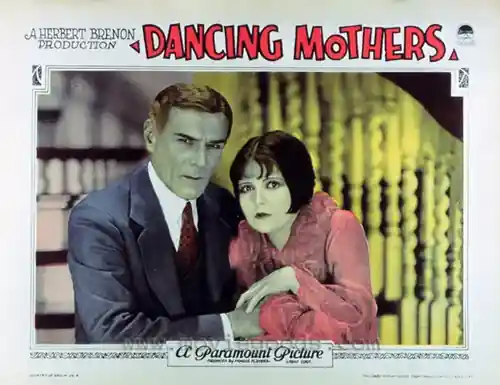
While 'Dancing Mothers' is a product of its time, its exploration of generational conflict and the challenges faced by young women trying to navigate societal expectations still resonates today. The film's portrayal of Gwen's rebellion and her struggle to be true to herself is a timeless theme that continues to be relevant in contemporary society.
For those interested in the cultural history of the early 20th century, 'Dancing Mothers' offers a compelling look at a pivotal moment in American society. Clara Bow's performance is a standout element, and the film's exploration of generational conflict is both relatable and thought-provoking. While the film occasionally struggles with pacing and historical context, it remains a worthwhile watch for those seeking a glimpse into the rise of the flapper era.
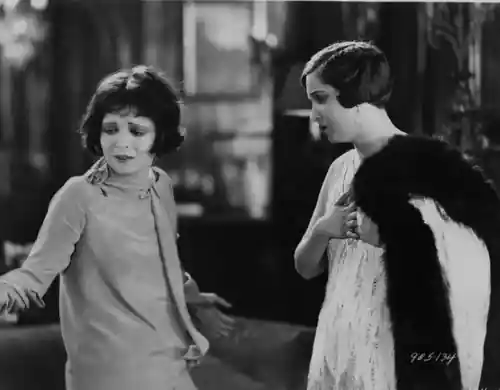
Best for: Those interested in the cultural history of the early 1920s, particularly the rise of the flapper. Fans of Clara Bow and classic American cinema.
Not for: Those seeking a more polished historical drama or a film with a more focused historical context. Viewers looking for a more straightforward and less complex narrative.
IMDb —
1924
Community
Log in to comment.