DbcultAccessing Vault...
Cult Review
Senior Film Conservator
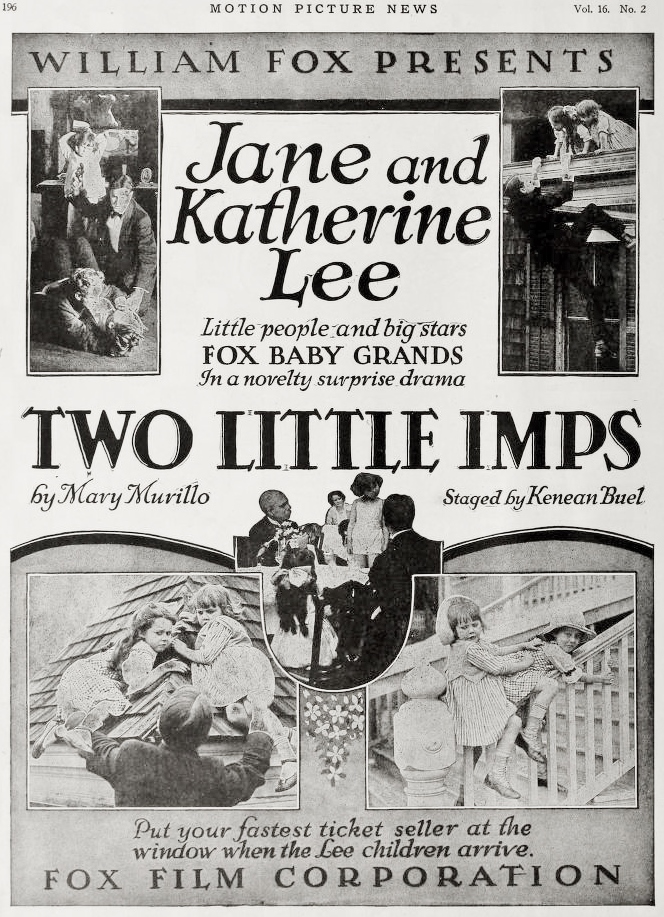
The first time we see Jane Lee’s face—half-devil, half-snowdrop—she is peering through the balustrade of a hotel corridor as though the world were her private aquarium. That single flicker, no longer than a heartbeat in 1917 time, contains the whole anarchic thesis of Two Little Imps: childhood as an occupying force, adorable only to those who have never been occupied.
Mary Murillo’s screenplay understands something modern family comedies often forget: kids are not miniature grown-ups with better cheekbones; they are pint-sized metaphysicians interrogating the cosmos with jam-smeared fingers. The plot, deceptively as light as taffeta, spirals from that premise like a Catherine wheel. Mama departs for the city, Uncle Billy—Leslie Austin’s matinée-idol shoulders still wet with collegiate optimism—steps into the breach, and within twenty minutes the resort’s potted palms have been uprooted, the elevator boy has developed shell-shock, and the electric wheelchair that serves as both chariot and Trojan horse lies drowned beneath the moonlit surf, its brass bell tolling a requiem for propriety.
What astonishes is not the chaos itself but the film’s tonal sleight-of-hand: it pirouettes from custard-pie bedlam to something aching and penitential without tripping over its own shoelaces. Consider the moment when Katherine—played by Jane’s real-life sibling Katherine Lee, their chemistry so instinctive it feels like shared blood—finds Bob Murray (Sidney D’Albrook) holed up in a beach hut, his face a bruised atlas of shame. The camera lingers on her small hand brushing the stubble of his cheek; the gesture is maternal, almost ecclesiastical, and suddenly the entire film tilts on its axis. The same child who earlier piloted a wheelchair into the Atlantic now becomes the ferryman steering a lost soul back across the river of his own making.
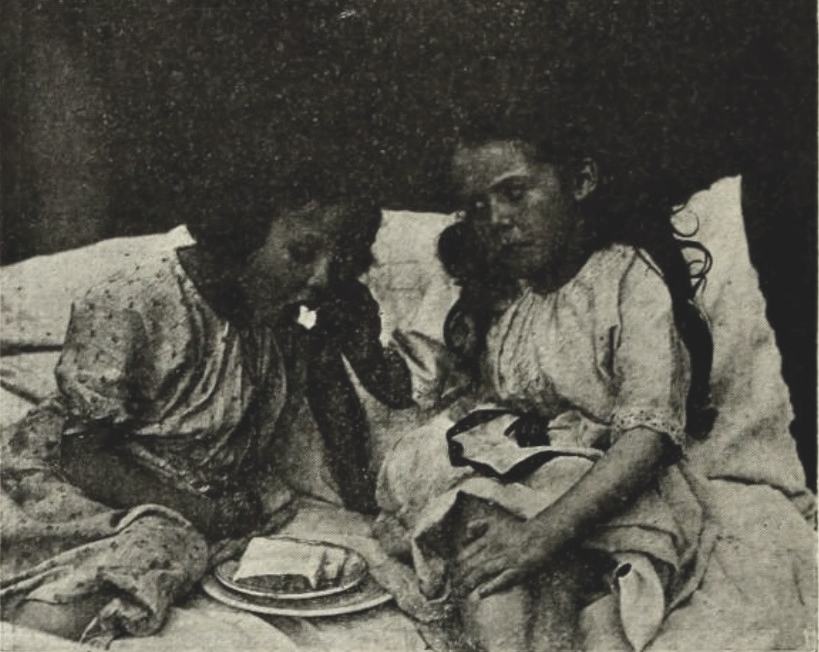
Director William Harvey stages this redemption without sanctimony. Note the chiaroscuro when Bob, forced by his criminal confederates to rob his father’s suite, trains his flashlight on the portrait of his dead mother: the beam carves a halo that is also a police interrogation lamp. In that confluence of light—salvation and accusation—Harvey achieves a moral complexity most prestige pictures of the era reserved for temperance sermons.
The film’s gender politics, meanwhile, are a fascinating tangle. Betty Murray (Edna Hunter) initially appears as the standard ingénue—eyes like periwinkles, spine made of meringue—but Murillo keeps letting her dart sideways out of the frame of expectation. Watch Betty commandeer a telephone exchange during the climactic burglary, barking orders to the switchboard girl with the crisp authority of a field marshal. The suffrage moment is nascent, but it crackles like static electricity around the edges of the narrative.
Comparative glances are instructive. Should a Woman Tell? treats its juvenile characters as plot ballast; Two Little Imps hands them the ignition keys. Where The Scarlet Road moralizes its prodigal’s return with hymn-book solemnity, Harvey’s film insists that grace can arrive wearing a bathing suit two sizes too small and still be holy.
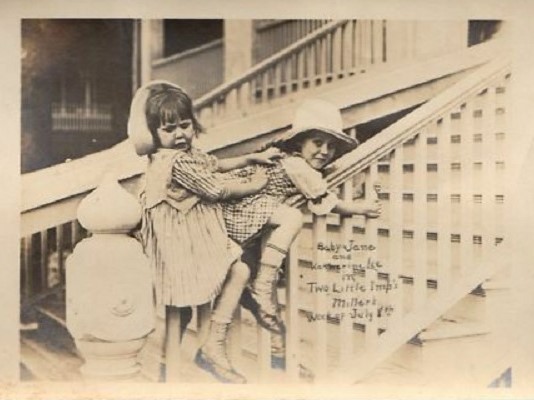
Visually, the picture is a time-capsule of 1917 leisure culture: striped cabanas flap like prayer flags against the Atlantic wind; women in hobble skirts navigate sand drifts as though walking on hidden stilts. The cinematographer—uncredited, as was lamentably common—composes several deep-focus shots that anticipate Wyler: in the dining-room sequence, foreground, middle ground, and background each teem with micro-narratives, a kaleidoscope of gossip, flirtation, and impending calamity.
Yet the true special effect is Jane Lee’s performance. Watch her pupils dilate the instant she registers the word uncle—the transformation from random urchin to heat-seeking missile is cinema’s earliest depiction of a tactical warhead in a pinafore. Her comic timing is so surgical it feels modern; you half expect a rim-shot after every pratfall. When she hides inside the bureau drawer during the burglary, the camera cuts to her saucer eyes peering through keyhole darkness, and the moment is simultaneously hilarious and terrifying—Alice rewritten by Poe.
The film’s Achilles heel, if we must search for one, is structural: the reconciliation between Bob and his father arrives so briskly it risks whiplash. But even here Harvey salvages sentiment with specificity—Mr. Murray (Stuart Sage) does not merely forgive; he removes from his waistcoat the forged check, now tear-stained, and tears it twice, the sound of ripping paper as brittle as old bone. Restitution becomes visceral, not rhetorical.
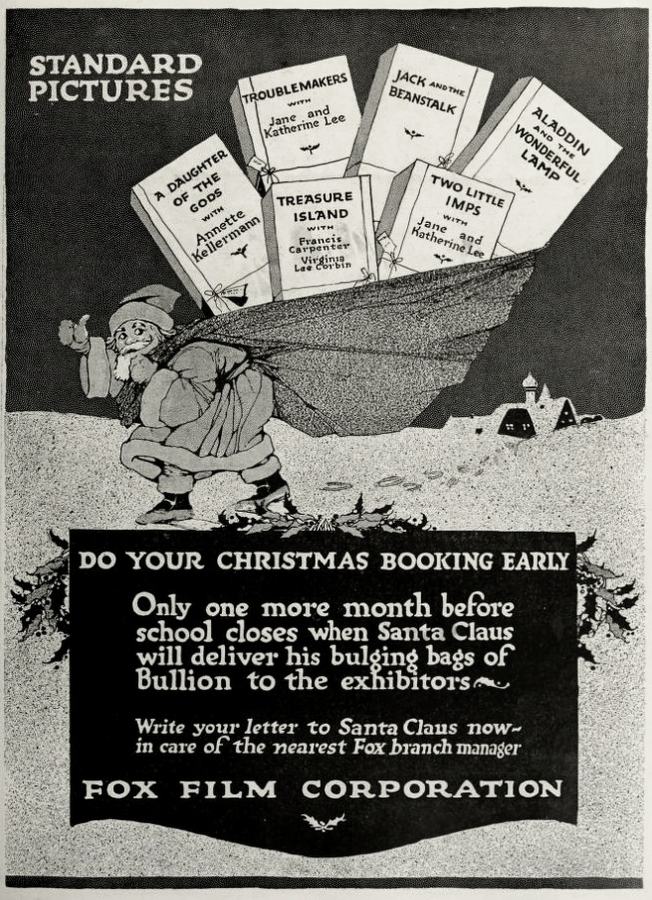
Silent cinema too often gets caricatured as mime in pancake makeup. Two Little Imps refutes the slur: it is loud with surf, with children’s shrieks, with the soft thud of a burglar’s body hitting Persian carpet. The intertitles—Murillo’s poetry—deserve anthology: “Childhood is a burglar too—it steals the hours we never meant to give away.” Read that line aloud and try not to feel the sand between your toes a century later.
Restoration status remains vexed. A 16-mm print circulates among private collectors, flecked with nitrate measles yet weirdly immortal—like the imps themselves. A crowd-funded 4K scan is rumored; may it arrive before the last projector bulb burns out. Until then, the film survives through the fervor of archivists who screen it at 3 a.m. in hotel ballrooms that once echoed with the same gull-cries heard on the soundtrack of our imaginations.
I have seen Two Little Imps four times—once on a phone held together with gaffer tape, once in a Paris cinémathèque where a child in the balcony provided unauthorized sound effects, perfectly in sync. Each viewing reveals new contraband tucked inside the frames: a bellboy pocketing a silver spoon, the reflection of a boom shadow that anticipates the burglar’s entrance, the way Katherine’s thumb rubs the hem of her pinafore when she lies—tiny confessions the camera swore to keep.
So, is it a masterpiece? The term feels embalmed. Let us say instead that Two Little Imps is a living organism—mischievous, bruised, and astonishingly contemporary. It believes, as all great films must, that human folly is not the opposite of grace but its rehearsal space. And it remembers, as we too often forget, that every adult is merely an imp who has learned to hide inside a collar and tie.
Watch it if you can. Hide your wheelchair first.
IMDb —
1927
Community
Log in to comment.