DbcultAccessing Vault...
Cult Review
Senior Film Conservator
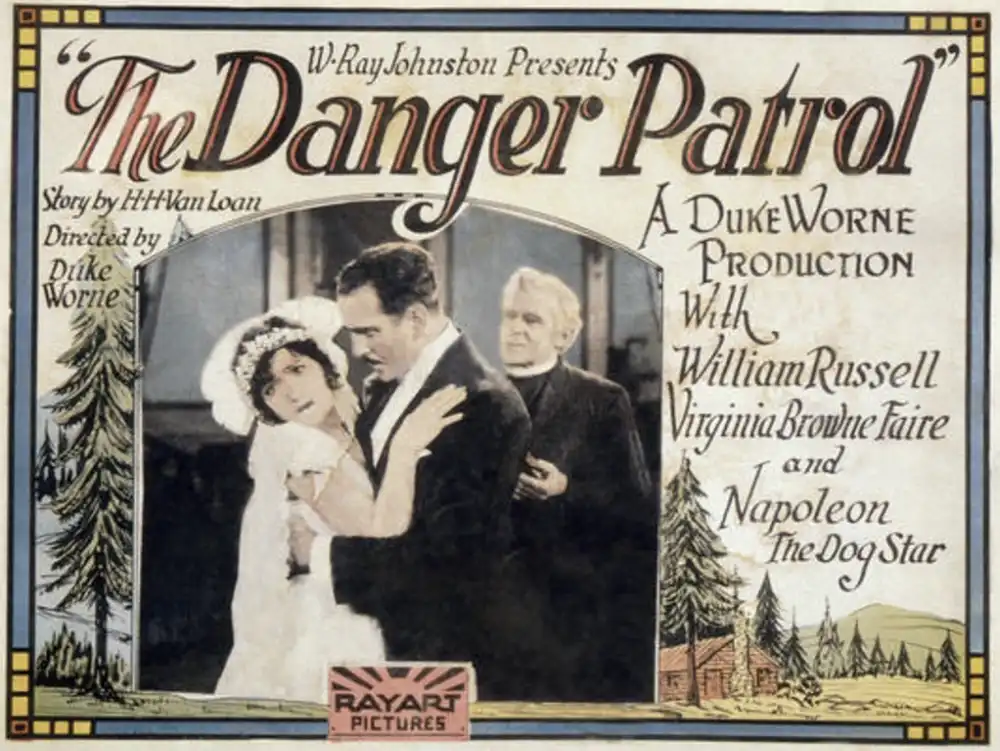
Danger Patrol is certainly a film for a very specific kind of viewer. If you’re someone who genuinely enjoys digging into the silent era's lesser-known action pictures, the kind with a bit of grit and perhaps more ambition than budget, then yeah, there’s something here to chew on. You’ll probably appreciate the sheer earnestness of it all. But if you’re looking for anything resembling polished storytelling or a film that holds up against, say, a classic Buster Keaton, you’re going to find this a bit of a slog. For the dedicated silent film completist, maybe. For anyone else? Probably best to keep scrolling.
The title cards, for one, are surprisingly clunky. Not just the language, which is period-appropriate enough, but the way they break up the action. Sometimes a card appears just as a character is about to react, then immediately cuts back to their reaction, making the whole thing feel disjointed. It pulls you out of the moment, which is a shame, especially in the more dramatic sequences.
Virginia Brown Faire has some truly intense moments, particularly when she's trying to convey worry or fear. Her eyes get wide, almost comically so in a few of the close-ups. It’s not necessarily 'bad' acting, but it’s definitely big acting, the kind that was common in the era, and it can be a lot to take in. You feel her effort, that's for sure.
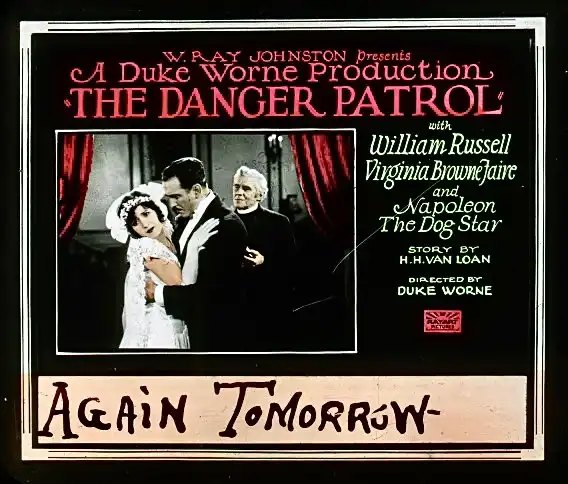
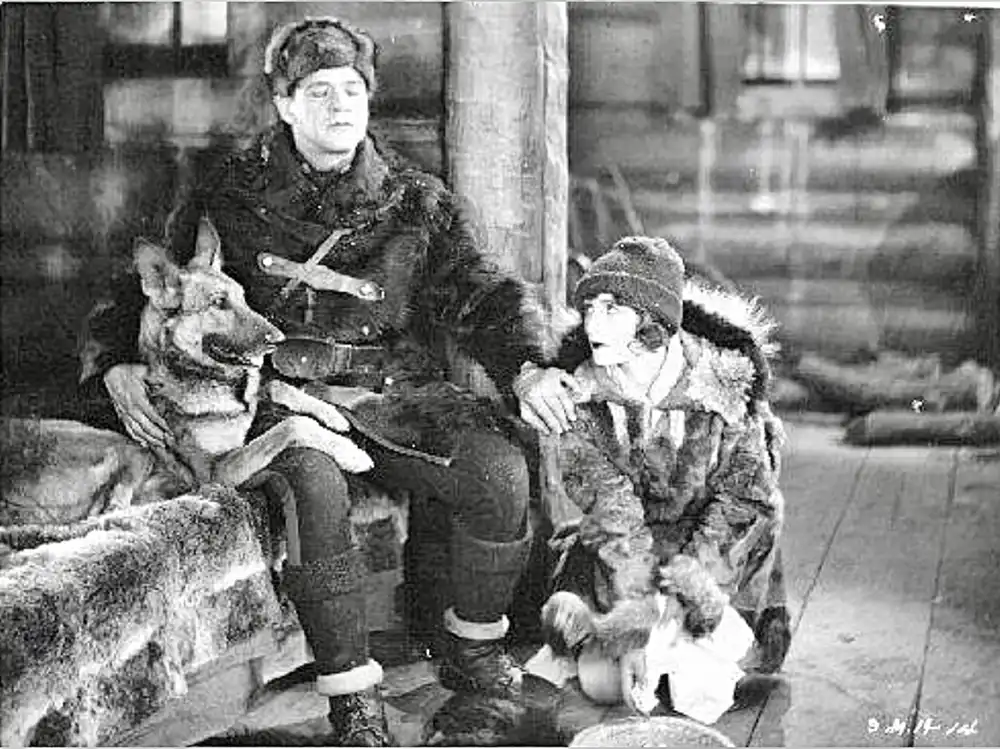
And then there’s Napoleon the Dog. Honestly, the dog often steals the scene. There’s this bit where he’s supposed to be tracking something, and the camera just lingers on him sniffing around, really getting into it. He’s so focused. You almost forget what the humans are even doing. It’s a genuine highlight, a moment of unexpected charm.
The 'patrol' aspect itself often feels less like a cohesive, well-drilled unit and more like a collection of guys running around with a general idea of what they're doing. Wheeler Oakman, bless him, has this one scene where he’s supposed to be looking determined, but he just looks a bit confused, like he missed his cue or wasn't quite sure where to stand. It’s a small thing, but it sticks with you.
There's a chase sequence, fairly early on, that just drags. It’s less about the thrill of the pursuit and more about watching people slowly move across a landscape. The editing doesn't help; it cuts between three different perspectives without really building any tension. You can almost feel the movie trying to convince you this moment matters, but it just fizzles out before it can really ignite.
One of the villains, I think it was Ethan Laidlaw, has this fantastic sneer. It's very effective. He doesn't need a lot of screen time to make an impression. You just know he's bad news from that one expression alone. A real silent film villain.
The costumes are pretty standard for the era, nothing too flashy, but there's a quick shot where William Russell's character is in a slightly too-tight uniform, and it just looks a little uncomfortable. Not important to the plot, just something you notice in the background. A tiny visual hiccup.
The climax feels a bit rushed after the slow build-up. All of a sudden, everything happens very quickly, and then it's over. The resolution is so abrupt you almost wonder if a reel was missing. It leaves you feeling like you missed a beat.
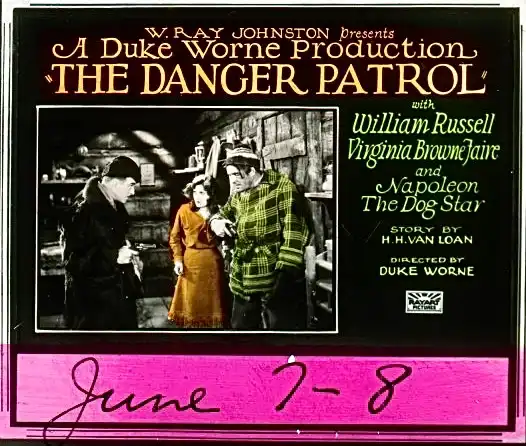
There’s a strange shot of a teacup sitting on a table during a particularly tense conversation. It just sits there, perfectly still, while the characters are gesticulating wildly around it. It’s an odd visual choice, almost like an accidental still life in the middle of a melodrama. It certainly catches your eye, makes you wonder why the director held on it.
The music, or rather, the lack of a consistent score in some of the versions floating around, really highlights the silence. When there is music, it's often generic library stuff, but when it drops out, the film feels even more raw, almost like a home movie. That can be good, sometimes, adding an unexpected layer of starkness.
The chemistry between Faire and Russell is… okay. It’s not electric. They do the standard 'hero saves heroine' thing, but there's no real spark you can feel across the screen. You believe they're characters in a story, but not necessarily people with a deep, undeniable connection. It’s functional, but nothing more.
I kept thinking about Riddle Gawne while watching this, not because they're similar in plot, but because that one also had these moments of unexpected charm despite its flaws. Danger Patrol has fewer of those, but the dog helps. A lot.
This isn't a film you'll likely revisit often, unless you're on a very specific silent film deep dive. It's a curiosity, a snapshot of its time, with its own peculiar rhythm and a few genuinely memorable, if sometimes awkward, moments. It makes you appreciate the craft of more polished silent pictures all the more.
IMDb —
1917
Community
Log in to comment.