DbcultAccessing Vault...
Cult Review
Senior Film Conservator
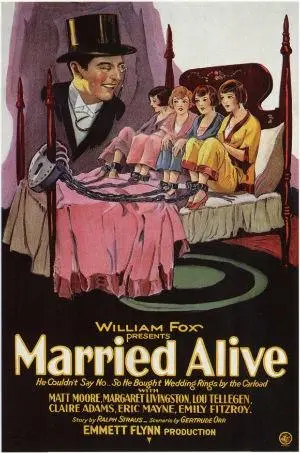
Is Married Alive worth watching today? Short answer: No, unless you are a dedicated scholar of silent-era social mores or a completionist of the Fox filmography.
This film is for those who enjoy archival curiosities and the specific, theatrical acting styles of the late 1920s; it is NOT for anyone looking for a tight narrative, modern pacing, or a comedy that actually elicits laughter in the 21st century.
1) This film works because it highlights the absurdity of 1920s moral hypocrisy through an ironic lens.
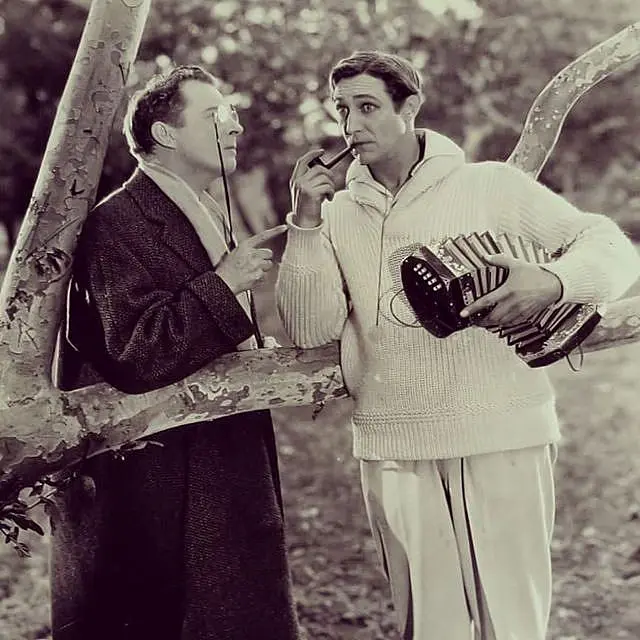
2) This film fails because its central protagonist is often more unlikable and meddlesome than the bigamist he seeks to expose.
3) You should watch it if you have an interest in the career of Lou Tellegen or the transition of silent comedy into more sophisticated, albeit flawed, social satire.
Married Alive begins with a premise that feels modern in its cynicism. We are introduced to a college professor who spends his days studying the 'lower forms of animal life' and their penchant for multiple partners. It is a classic setup: the man of theory meeting the man of practice. When he goes to the seashore, he isn't looking for a case study, but he finds one in James Duxbury.
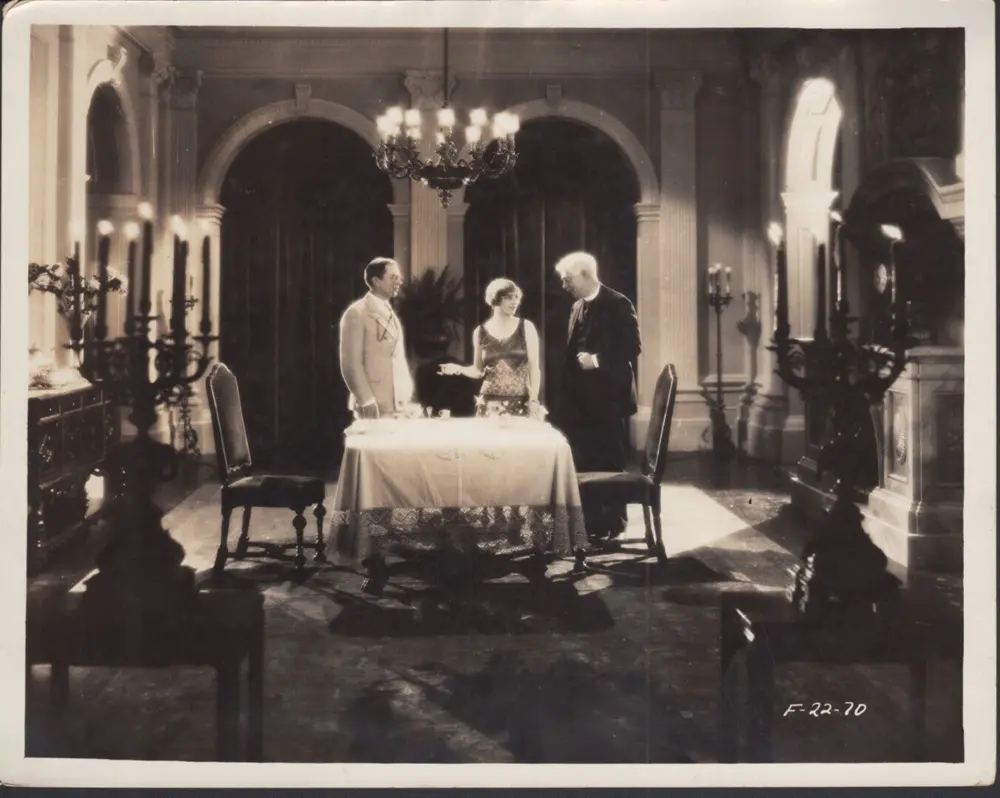
Lou Tellegen plays Duxbury with a greasy, fading charm that was his trademark. By 1927, Tellegen was no longer the 'Great Lover' who had starred in A Sainted Devil. There is a weariness to his performance here that actually suits a man juggling four households. It is a performance of exhaustion rather than exuberance.
The professor’s decision to intervene is where the film’s moral compass begins to spin wildly. He is not acting out of a sense of justice for the women, but rather a rigid, almost scientific need to correct a 'dishonor.' It makes the character feel cold. We see this trope often in silent films like Young Mrs. Winthrop, where domestic meddling is framed as heroism.
The seaside setting is underutilized. In a film like Up in Betty's Bedroom, the location serves the farce. Here, it feels like a backdrop for a series of static conversations. The direction lacks the kinetic energy found in better comedies of the era.
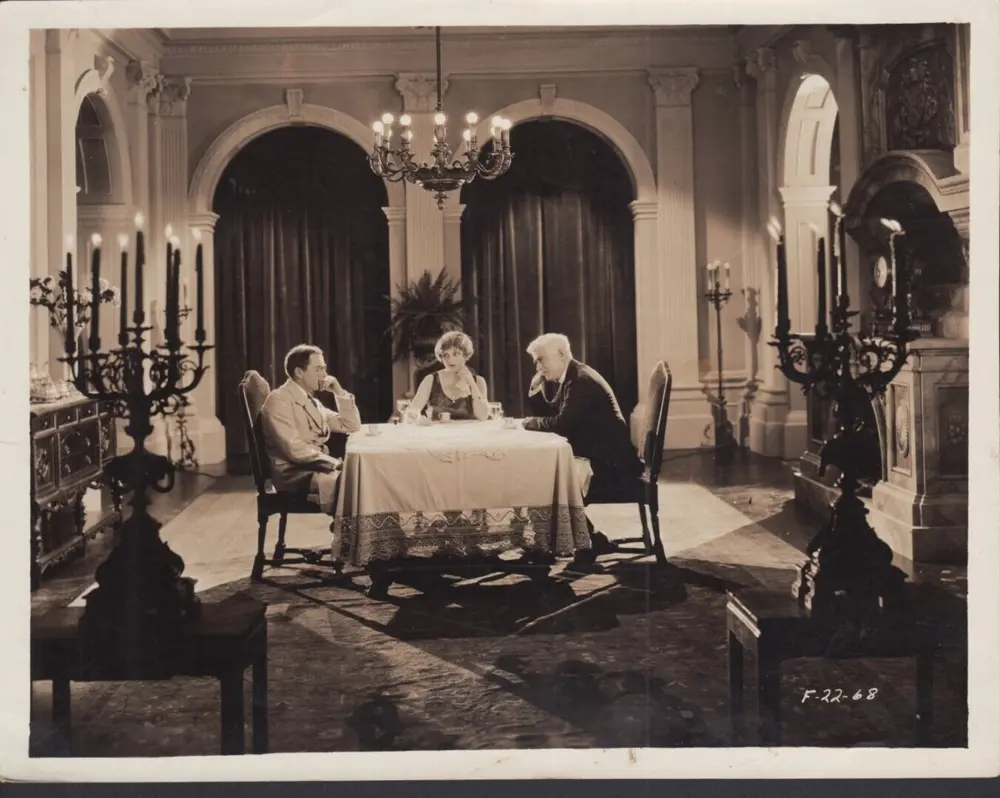
The film’s greatest strength—and its greatest weakness—lies in its depiction of the four wives. Each is a distinct 1920s archetype. Margaret Livingston plays the actress with a wonderful sense of detachment. When told her husband is a bigamist, her lack of concern is the film’s most honest moment. It reflects the 'New Woman' of the jazz age who was often depicted as cynical and worldly.
Contrast this with the preacher’s daughter. Her reaction is pure melodrama, a throwback to the emotional heights of From the Manger to the Cross. The film doesn't seem to know whether it wants to mock her grief or sympathize with it. This tonal inconsistency plagues the entire second act.
Then we have the 'battle-ax,' played by Emily Fitzroy. Fitzroy was a master of the formidable woman trope, often seen in films like The Iron Woman. Her reveal as the only legal wife is meant to be the 'punishment' for Duxbury. The film suggests that being married to a strong, older woman is a fate worse than prison. It’s a dated, misogynistic gag that falls flat today.
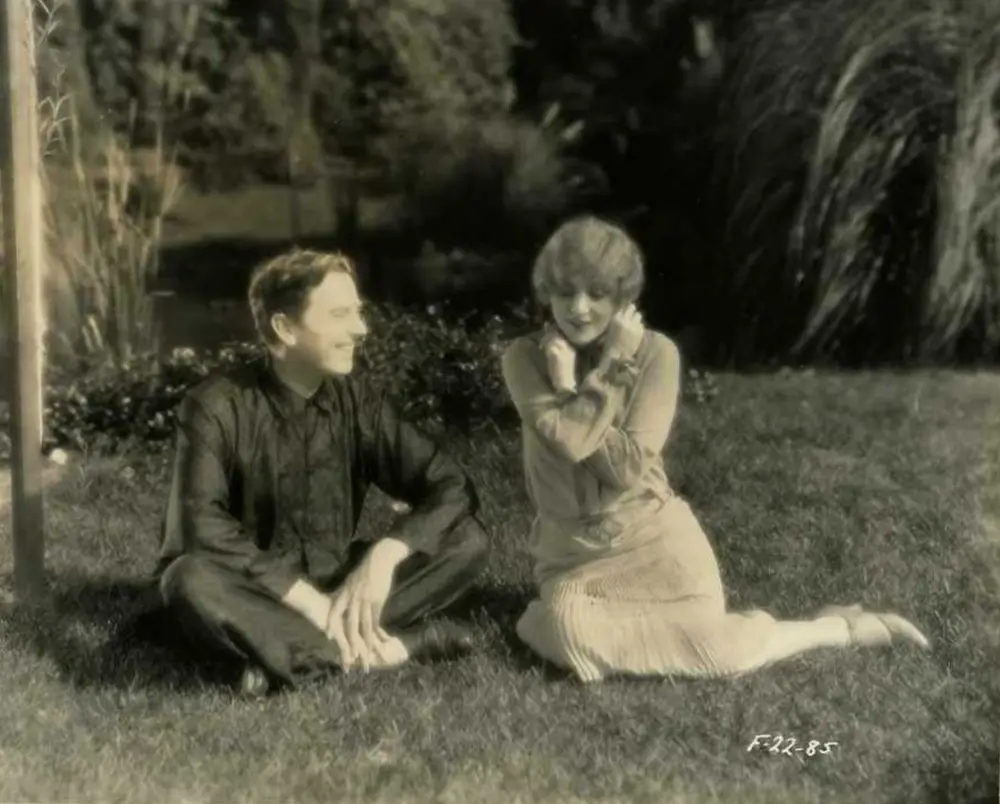
The final wife, the royal lady, is where the film completely abandons its satirical edge. The professor’s 'reward' for breaking up four marriages is to marry the royal one himself. It is a hypocritical ending. He 'saves' her from a bigamist only to claim her for himself. The movie is a lie in its final moments.
The central appeal is seeing how 1927 Hollywood attempted to navigate the line between 'naughty' comedy and moral conservatism. It is a film that wants to talk about bigamy without being scandalous. It wants to be funny without being lighthearted. It is a fascinating failure of tone that provides a window into the industry just before the arrival of the Hays Code.
If you are interested in the evolution of the domestic farce, comparing this to Rose of the World or Shadows from the Past reveals a lot. It shows a transition away from pure Victorian sentiment toward a more biting, albeit clumsy, social commentary.
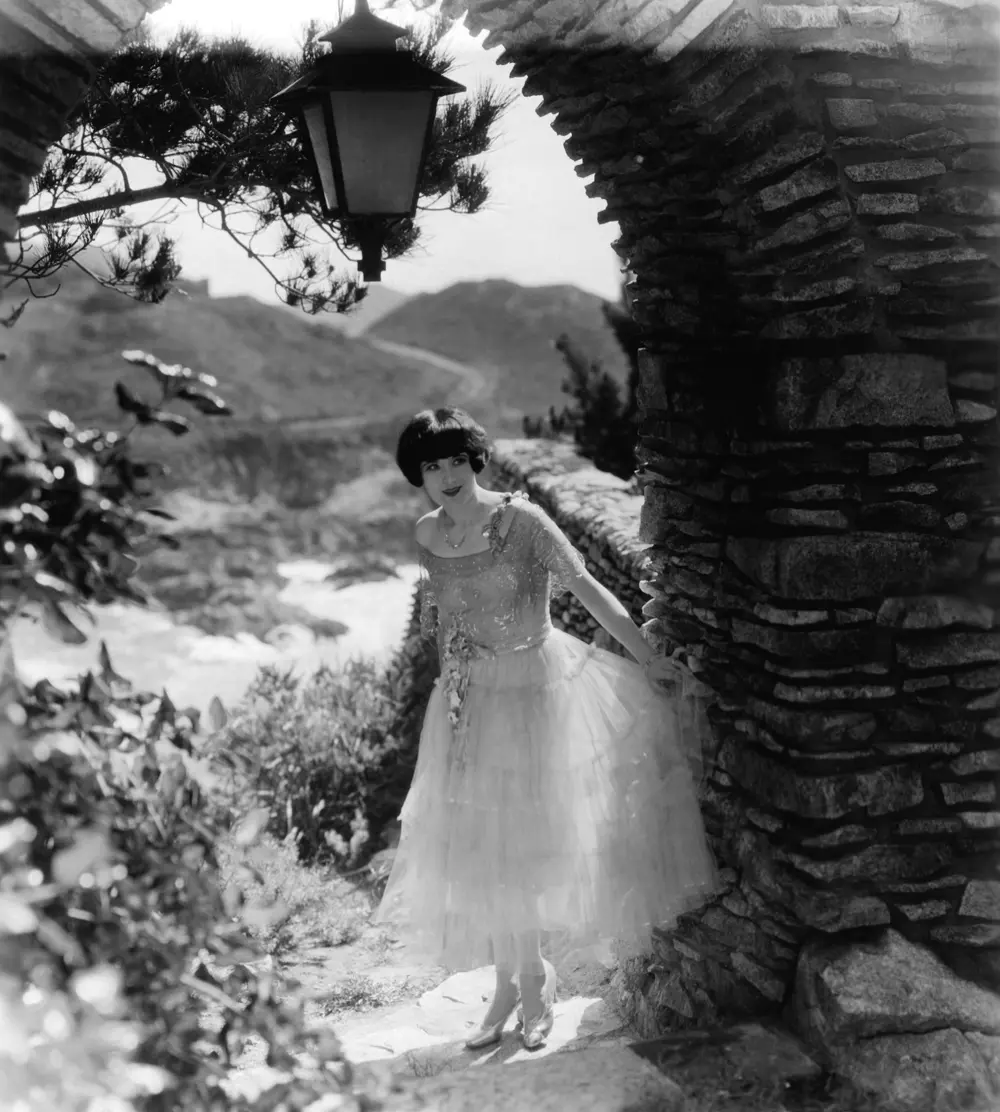
Technically, Married Alive is workmanlike. The cinematography does not strive for the expressionistic heights seen in European imports like Protéa or the atmospheric tension of The House of Mystery. It is shot in the flat, brightly lit style common to Fox comedies of the time.
The pacing is glacial. For a farce, the timing is strangely off. A scene where the professor explains the situation to the actress goes on for several minutes longer than necessary. In a more capable hands, this would be a brisk 60-minute romp. At its current length, it feels bloated.
The title cards are surprisingly literal. There is little of the wit found in the intertitles of better silent comedies. Instead, they serve mostly to move the plot from Point A to Point B. It lacks the visual storytelling found in Captain Alvarez or even the simpler Balloons.
Married Alive is a curious relic that fails to justify its existence as a comedy but succeeds as a sociological artifact. It is a film that is deeply confused about its own morals. It punishes the bigamist but rewards the meddler with the same prize: a woman he barely knows.
The film lacks the charm of Fearless Flanagan or the raw emotional power of Los niños del hospicio. It sits in a middle ground of mediocrity. It is not bad enough to be campy, nor good enough to be memorable. It simply exists.
If you find yourself watching it, do so for the performances of the 'wives.' They are far more interesting than the men at the center of the story. Ultimately, Married Alive is a reminder that even in the silent era, Hollywood was struggling to figure out how to make 'sophisticated' comedy work. It works. But it’s flawed. In the end, it’s a skip for most.
IMDb —
1926
Community
Log in to comment.