DbcultAccessing Vault...
Cult Review
Senior Film Conservator
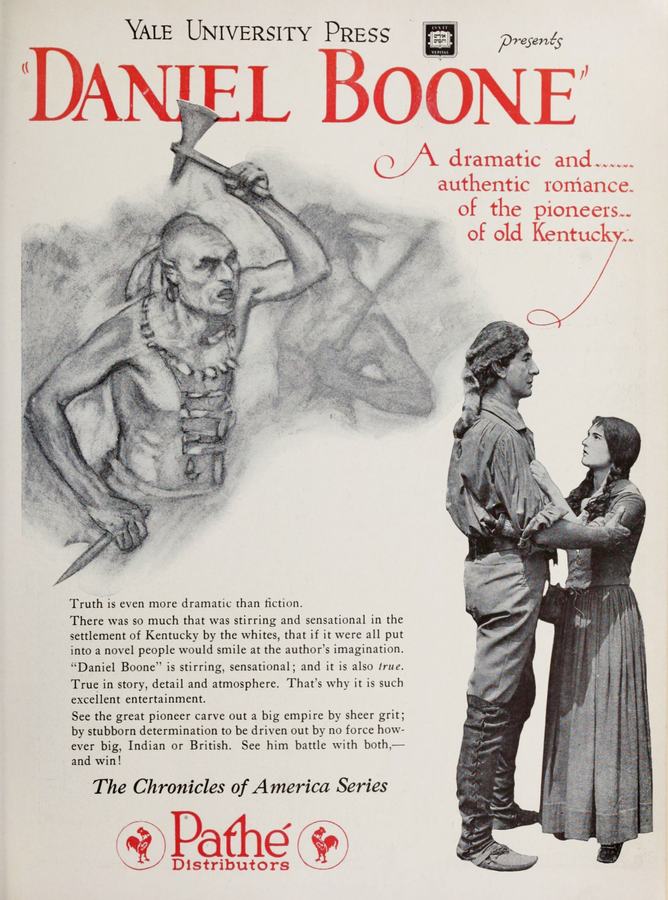
In the nascent days of cinematic storytelling, when the silver screen was still finding its voice, a film emerged from the nascent American industry to immortalize one of its most enduring legends: Daniel Boone (1923). This silent epic, a product of an era fascinated by historical figures and grand adventures, attempts to distill the formidable spirit of the American frontier into a visual narrative. It's a fascinating artifact, not just for its portrayal of a pivotal moment in American expansion, but also for what it reveals about the filmmaking sensibilities of the early 20th century. Far from a mere historical reenactment, the film endeavors to capture the essence of a larger-than-life figure, a trailblazer whose very name became synonymous with courage, exploration, and the relentless push westward. Viewing it today offers a unique window into how historical narratives were constructed and consumed almost a century ago, devoid of spoken dialogue yet rich with visual drama and emotional breadth.
The film plunges us directly into the crucible of 1775-1776, a period pregnant with the promise of expansion and the perils of the unknown. Daniel Boone, portrayed with a rugged stoicism by Elmer Grandin, is depicted not merely as an intrepid hunter, but as a strategic visionary. His mission, on behalf of the formidable Transylvania Trading Company, is nothing short of audacious: to breach the formidable natural rampart known as the Cumberland Gap and establish a permanent settlement—Boonesboro—deep within the contested territory of what would become Kentucky. This wasn't a casual stroll into the wilderness; it was a calculated gamble, fraught with the immense challenges of forging a path through dense forests, navigating treacherous rivers, and confronting the inherent dangers of an untamed land. The narrative meticulously charts this arduous journey, emphasizing the sheer physical and mental fortitude required to not only survive but to lay the groundwork for a burgeoning community, transforming a speculative dream into a tangible reality on the very edge of civilization. It’s a narrative that, despite its silent nature, speaks volumes about the indomitable human spirit.
Elmer Grandin's interpretation of Daniel Boone is a study in understated heroism, a performance reliant entirely on physical presence and nuanced facial expressions. In an era before synchronized sound, the burden of conveying character depth rested heavily on the actor's ability to communicate through gesture and gaze. Grandin embodies Boone as a man of quiet resolve, his eyes often scanning the horizon with a mixture of determination and caution, reflecting the constant vigilance demanded by the frontier. He eschews grand theatrics, opting instead for a grounded portrayal that suggests a man more comfortable with the silence of the wilderness than with overt displays of emotion. This deliberate restraint enhances the authenticity of his character, making Boone feel less like a mythic figure and more like a hardened leader grappling with immense responsibilities. His interactions, particularly with the indigenous populations and his fellow settlers, are conveyed through a series of carefully modulated reactions, allowing the audience to infer the complexities of his decisions and the weight of his leadership. It's a performance that stands as a testament to the power of silent acting, creating a memorable portrait without uttering a single word.
IMDb —
1928
Community
Log in to comment.