DbcultAccessing Vault...
Cult Review
Senior Film Conservator
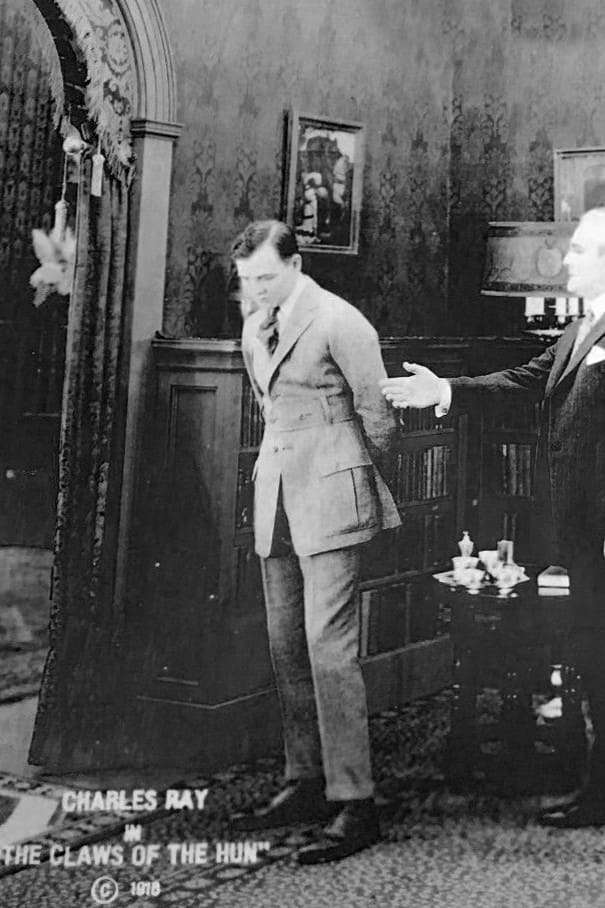
Stepping back into the cinematic annals of 1918, we encounter a fascinating artifact of wartime propaganda and dramatic tension: The Claws of the Hun. This silent era production, emerging from the crucible of the First World War, offers more than just a glimpse into the filmmaking techniques of its time; it serves as a vivid socio-political document, reflecting the fervent patriotism and deep-seated anxieties gripping the American populace. Long before the sophisticated spy thrillers of today, this film masterfully wove a narrative of insidious foreign threats infiltrating the domestic sphere, a theme that resonated profoundly with audiences then and still holds a certain historical gravitas now.
The narrative, penned by R. Cecil Smith and Ella Stuart Carson, plunges us directly into the heart of a nation at war, not on distant battlefields, but within the very industrial sinews of America. The plot centers on an American munitions manufacturer, a crucial cog in the Allied war machine, whose enterprise becomes the prime target for a network of German agents. This setup immediately establishes a high-stakes scenario, transforming the mundane world of manufacturing into a clandestine battleground. The stakes are not merely profits or production quotas, but the lives of soldiers and the very outcome of the global conflict.
What truly elevates The Claws of the Hun beyond a simple patriotic melodrama is its intricate web of personal entanglement. The manufacturer's son, a character often portrayed in silent films as either impetuous or earnest, becomes ensnared in this dangerous game. This personal dimension adds a layer of emotional vulnerability to the grander narrative of espionage, making the threat feel more immediate and personal. It's not just about abstract national security; it's about a family's struggle, a son's honor, and a father's legacy, all imperiled by the unseen, yet omnipresent, 'claws' of the enemy.
The performances, a cornerstone of any silent film, are particularly noteworthy here. Robert McKim, often cast in villainous or morally ambiguous roles, likely brought a chilling intensity to his portrayal of an enemy agent, embodying the foreign menace with a nuanced malevolence that transcended mere caricature. Silent film acting, with its reliance on exaggerated gesture, facial expression, and physical presence, demanded a particular kind of performer, and McKim was certainly among the era's most effective. His ability to convey deceit and threat without spoken dialogue would have been pivotal in establishing the film's pervasive sense of danger.
Jane Novak, a prominent leading lady of the time, would have provided the necessary emotional anchor, perhaps as a love interest, a daughter, or a figure caught between loyalties. Her screen presence often imbued her characters with both strength and vulnerability, making her a compelling figure in dramatic narratives. The interplay between her character and the male protagonists, particularly the son, would have been crucial in humanizing the grander conflict and providing moments of tender respite amidst the escalating tension. One can imagine her conveying anxiety and resolve with powerful, yet subtle, expressions, a testament to the artistry of silent screen acting. Similarly, Charles Ray, known for his 'country bumpkin' or earnest young man roles, might have played the son, bringing a relatable innocence or initial naiveté that makes his journey into the world of espionage all the more dramatic. His transition from a sheltered existence to a participant in covert operations would have provided a compelling character arc.
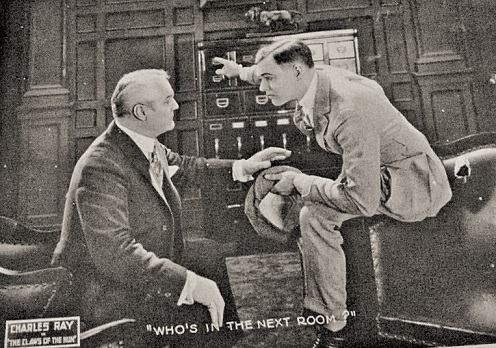
The supporting cast, featuring stalwarts like Mollie McConnell, Melbourne MacDowell, Henry A. Barrows, and Dorcas Matthews, would have filled out the world of the munitions factory and the shadowy network of spies. Each actor, in their own way, contributed to the tapestry of the narrative, whether as loyal employees, unsuspecting citizens, or additional members of the enemy cell. Their collective presence helped to ground the fantastical elements of espionage in a believable, albeit heightened, reality, typical of the dramatic conventions of the era.
From a technical perspective, silent films like The Claws of the Hun relied heavily on visual storytelling. The director would have employed techniques such as dramatic lighting, strategic camera angles, and carefully constructed sets to convey mood and advance the plot. Intertitles, the textual inserts that provided dialogue and narration, were more than mere explanations; they were an integral part of the cinematic rhythm, often stylized to enhance the emotional impact. The pacing, crucial for building suspense in an espionage thriller, would have been meticulously controlled through editing, alternating between moments of quiet tension and rapid-fire action sequences. Imagine the visual cues for a clandestine meeting, a secret message being passed, or a daring escape – all communicated through precise blocking and evocative imagery.
The film's inherent value as propaganda cannot be overstated. Released in the midst of the war, it served to galvanize public opinion, fostering a sense of vigilance and patriotism. It painted a clear picture of the enemy, not just as a distant military force, but as an omnipresent threat lurking within American society. This narrative strategy was common during wartime, with films like Fighting Along the Piave, though a documentary, similarly aiming to inform and inspire nationalistic sentiment. While modern audiences might view some of these portrayals as simplistic or jingoistic, it's essential to understand them within their historical context, as reflections of a nation united against a perceived existential threat.
Comparing The Claws of the Hun to other films of its period reveals interesting insights into the evolving art of cinema. While not a direct comparison in genre, films like The Scarlet Crystal or The Law of Compensation from around the same time demonstrate the diverse narrative approaches being explored. Where some focused on social drama or romance, The Claws of the Hun leaned into the urgent, contemporary relevance of war. It shares a thematic kinship with other 'spy' or 'war' films of the era, where national loyalty and the thwarting of enemy plots were paramount. The emphasis on espionage, a relatively nascent genre in popular cinema, allowed for unique plot devices and characterizations that differed significantly from, say, the more character-driven narratives of Love's Law or the frontier tales embodied by The Virginian.
The writers, R. Cecil Smith and Ella Stuart Carson, played a crucial role in shaping this compelling narrative. Their ability to craft a story that not only entertained but also served a patriotic purpose speaks to their understanding of the cultural zeitgeist. They had to balance the demands of dramatic storytelling with the need to convey a clear message about the dangers of espionage and the importance of national unity. This dual imperative often resulted in narratives that were both thrilling and morally instructive, a common characteristic of silent era cinema. Their work laid the groundwork for the tension, the character arcs, and the ultimate resolution, ensuring that the film delivered on its promise of an exciting and meaningful experience for its audience.
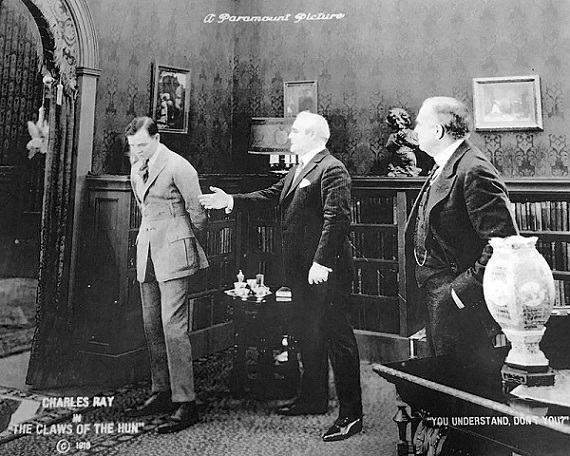
One can surmise that the climax of The Claws of the Hun would have involved a dramatic confrontation, perhaps a desperate race against time to expose the spies or protect a vital shipment of munitions. The silent film era excelled at these grand, often melodramatic, finales, designed to elicit strong emotional responses from the audience. The resolution would undoubtedly reinforce the triumph of American ingenuity and patriotism over foreign perfidy, leaving viewers with a renewed sense of national pride and vigilance. This type of narrative closure was not just satisfying; it was an affirmation of national values during a period of global uncertainty.
The film's legacy, while perhaps not as widely discussed as some canonical silent features, remains significant. It offers film historians and enthusiasts a unique window into how war was portrayed on screen during its actual unfolding. It showcases the talents of actors like Robert McKim and Jane Novak in a genre that demanded both subtlety and overt expression. Moreover, it reminds us of the power of cinema as a tool for shaping public discourse and influencing national sentiment. While films like Rip Van Winkle offered escapism and fantasy, The Claws of the Hun brought the war home, making the abstract threat tangible and immediate.
Viewing The Claws of the Hun today is an exercise in historical empathy. It requires an understanding of the cinematic language of the past, as well as the socio-political climate in which it was created. It's a testament to the enduring power of storytelling, even in its earliest forms, to reflect, shape, and influence the world around it. The film, in its dramatic portrayal of espionage and national defense, solidifies its place as a compelling and historically valuable piece of early American cinema. It's a reminder that even in an age without sound, the visual narrative could be incredibly powerful, conveying complex themes and urgent messages with remarkable efficacy. The 'claws' of its narrative, though silent, still grasp at the imagination, revealing the anxieties and resolves of a nation at war.
The sheer scope of films produced during this period, from the lightheartedness of Irish Eyes to the more serious tones of The Triumph of the Weak, illustrates a burgeoning industry adapting to global events. The Claws of the Hun stands out by tackling a very specific, pressing issue with dramatic flair. Its portrayal of espionage, while perhaps melodramatic by modern standards, was effective for its time, creating a sense of palpable danger that could be thwarted only by vigilance and patriotism. This film, alongside others like The Silent Man or The Catspaw, contributed to a rich tapestry of narratives exploring good versus evil, loyalty versus betrayal, themes that remain timeless regardless of the historical backdrop.
Ultimately, The Claws of the Hun is more than just a historical curiosity; it’s a vibrant, if silent, cry from a past era, reflecting a nation grappling with its role on the world stage. Its intricate plot, compelling performances, and underlying patriotic fervor make it a significant piece for anyone interested in the evolution of cinema, the history of propaganda, or simply a gripping tale of wartime intrigue. The film embodies the spirit of its age, a cinematic echo of the struggles and triumphs of a world at war, reminding us of the enduring human fascination with heroes, villains, and the clandestine battles fought in the shadows. The intricate dance between the munitions family and the German agents, set against the backdrop of a nation galvanized for war, makes for a truly captivating historical viewing experience.
IMDb —
1921
Community
Log in to comment.