DbcultAccessing Vault...
Cult Review
Senior Film Conservator
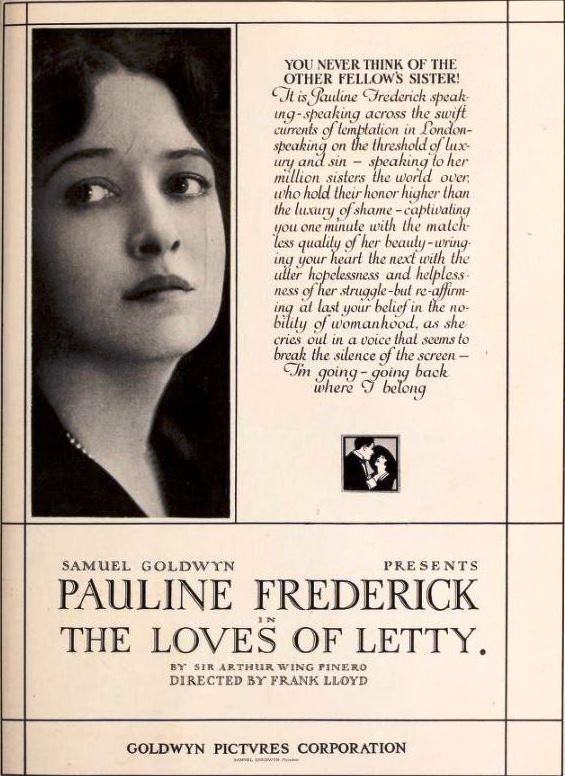
Stepping back into the cinematic past, one often encounters narratives that, despite their antiquated presentation, resonate with an astonishing contemporaneity. Such is the case with The Loves of Letty (1919), a silent drama that, with its nuanced exploration of class, ambition, and the elusive nature of genuine affection, transcends the limitations of its era to offer a profoundly human story. Directed with a keen eye for the social mores of its time, this film, adapted from Arthur Wing Pinero's play by J.E. Nash, plunges us into the tumultuous emotional landscape of a young woman navigating the treacherous waters of early 20th-century London society. It’s a compelling journey of self-discovery, painted with the broad, expressive strokes characteristic of the silent screen, yet possessing a psychological depth that feels remarkably modern.
At the heart of this narrative tempest is Letty Shell, portrayed with captivating intensity by the incomparable Pauline Frederick. Letty is not merely a clerk in a London brokerage; she is a vibrant spirit yearning for a life beyond the confines of her humble station. Her desires are palpable: a hunger for fine clothes, for social recognition, for a place in the sun that her current circumstances deny her. This isn't just about material gain; it's about dignity, about escaping the anonymity that often accompanies a life of labor. Frederick imbues Letty with a potent blend of vulnerability and nascent resolve, her expressive eyes conveying volumes without a single spoken word. One can almost feel her frustration, her quiet rebellion against the invisible chains of class, a sentiment that might echo the struggles of characters in films like The Discard, grappling with societal rejection and the search for belonging.

Letty's initial misstep in judgment leads her into the orbit of Nevill Letchmere, played by Lawson Butt. Letchmere is the epitome of superficial charm and aristocratic idleness. He is debonair, yes, but fundamentally vacuous, a man whose social standing grants him an effortless ease that he mistakes for inherent superiority. Letty, blinded by his veneer of sophistication and her own aspirations, convinces herself that he genuinely desires to marry her. This infatuation is less about true love and more about what Letchmere represents: a gateway to the life she craves. It's a poignant illustration of how societal pressures can distort perception, leading one to project ideals onto unsuitable partners. The film masterfully delineates this initial enchantment, showcasing the allure of a world Letty believes will offer her fulfillment.
Enter Bernard Mandeville, Letty's boss, brought to life by Willard Louis. Mandeville is a self-made man, a titan of industry who has ascended through sheer will and acumen. He embodies the ruthless ambition that Letty herself, in a different vein, possesses. He desires Letty, seeing her perhaps as another acquisition, a beautiful object to complement his newfound wealth and power. His proposal is pragmatic, devoid of the romantic flourishes Letty initially seeks. When Mandeville, sensing Letchmere's frivolous intentions, warns him away from Letty, it precipitates the first of Letty's harsh awakenings. Letchmere's subsequent confession of his marriage rips through Letty's carefully constructed fantasy, leaving her bruised and disillusioned. The stark contrast between Mandeville's blunt, possessive advances and Letchmere's deceptive charm creates a fascinating dynamic, forcing Letty to confront the uncomfortable realities of her choices.
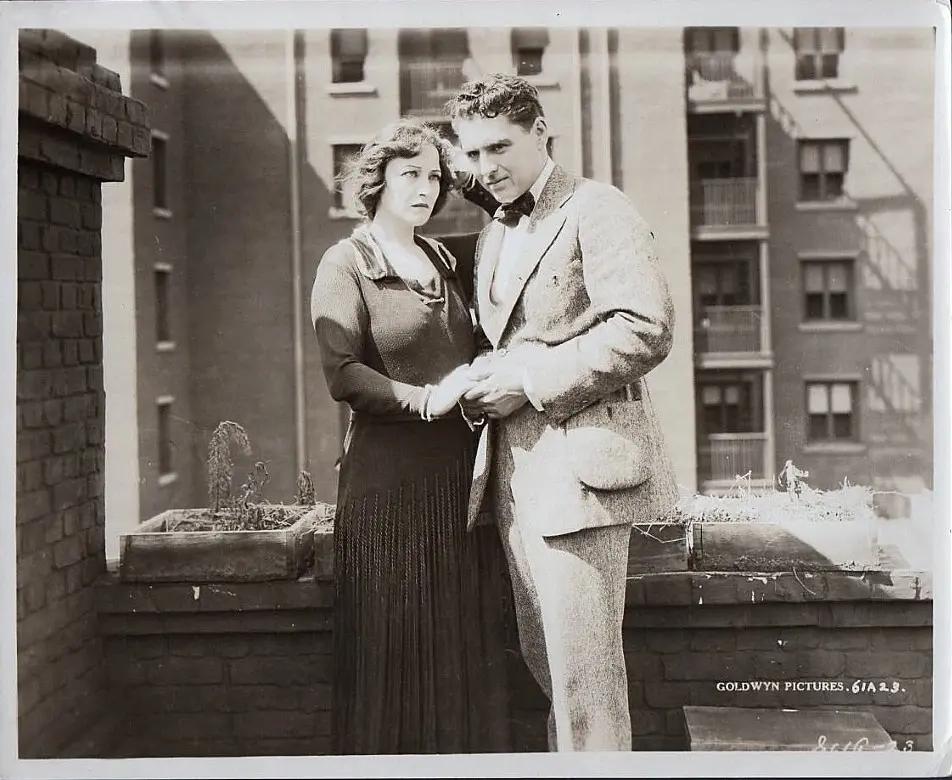
In the aftermath of this initial heartbreak, Letty, in a moment of emotional exhaustion and perhaps pragmatic resignation, accepts Mandeville's proposal. It’s a decision born not of love, but of a desperate desire for security and the social elevation she still craves. However, the film's brilliance lies in its refusal to allow Letty to settle for a life devoid of genuine connection. A pivotal scene unfolds in a restaurant, where Mandeville's boorishness, his lack of refinement, is laid bare for Letty to see. It’s a moment of profound revelation, a stark contrast to the sophisticated world she imagined. His coarseness, juxtaposed against the elegant setting, becomes unbearable. This scene, though silent, speaks volumes about the chasm between perceived status and true character, a theme that might find resonance with films exploring the danger game of marrying for convenience rather than affection.
Impulsively, Letty flees from Mandeville and, in a moment of desperation, returns to Letchmere. She is on the precipice of becoming his mistress, a desperate act born of a desire for connection, however illicit, and a lingering pull towards the 'glamour' he represents. This is a precarious moment for Letty, a moral tightrope walk that could define her future irrevocably. However, fate, or rather, the shrewd writing of Pinero and Nash, intervenes with a devastating clarity. Letchmere receives news that his married sister has eloped with a lover. His reaction is swift, visceral, and utterly revealing. He curses his sister, disparaging her for acting like a "shop girl."
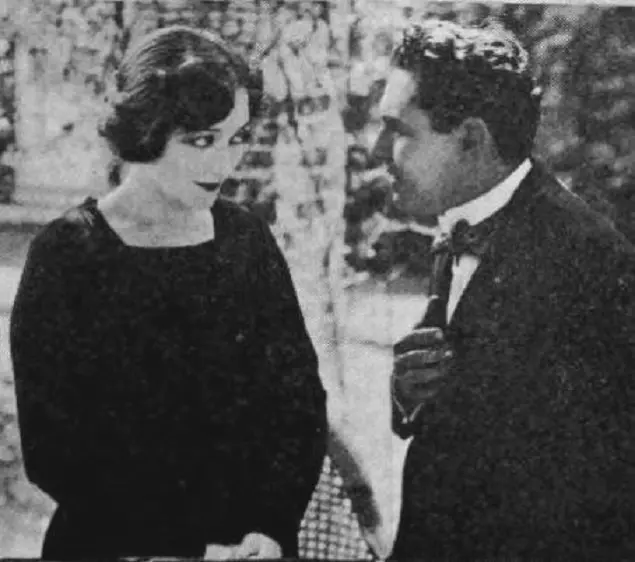
This single phrase, delivered with aristocratic disdain, shatters any remaining illusions Letty harbored about Letchmere. It's a moment of stark, brutal honesty that rips away the veil of charm and reveals the profound class prejudice that lies beneath. He views her, and her entire class, with contempt, a mere plaything, certainly not worthy of genuine respect or equal standing. This epiphany is the true turning point for Letty. It's not just about Letchmere's infidelity or his initial deception; it's about the fundamental lack of respect, the inherent classism that dictates his worldview. This moment of profound disillusionment is a powerful example of how silent cinema, through masterful acting and well-placed intertitles, could deliver emotional gut punches with precision. This theme of a 'captured soul' finding liberation through a painful truth is profoundly explored here.
With this revelation, Letty finally understands. She leaves Letchmere, not in anger, but with a quiet, profound sense of self-respect. Her journey has led her through the dazzling, yet ultimately hollow, promises of social climbing and superficial charm. She has seen the ugliness beneath the gilded surface and the boorishness beneath the veneer of wealth. It is at this juncture that she turns to Richard Perry, played by John Bowers, her faithful friend and a struggling photographer. Perry has been a constant, unassuming presence, offering genuine affection and unwavering support without expectation. His love is not transactional; it is pure, built on respect and understanding.
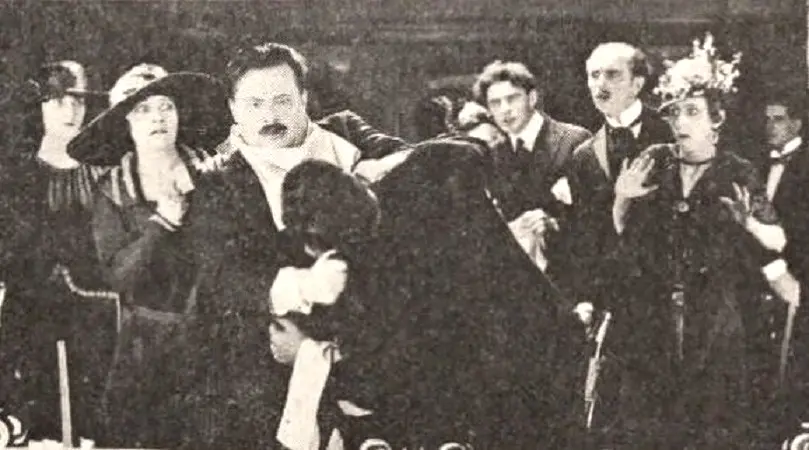
The resolution of Letty's journey with Richard Perry is perhaps less melodramatic than her previous entanglements, but infinitely more satisfying. Perry, we learn, is about to receive assistance from his rich uncle, promising him a stable future in business. This plot point, while a convenient resolution, serves to underscore the idea that genuine worth and affection are not necessarily tied to immediate wealth, but that a supportive foundation allows true love to flourish. It’s a message of hope, suggesting that happiness lies not in chasing an idealized social status, but in recognizing and valuing authentic connections. The film concludes with a sense of quiet triumph, a validation of Letty's hard-won wisdom.
Pauline Frederick's performance as Letty Shell is, undoubtedly, the anchor of this film. Her ability to convey complex emotions through gesture, facial expression, and subtle body language is a testament to her prowess as a silent film actress. She transforms Letty from a naive dreamer to a woman of discerning judgment, her evolution feeling earned and authentic. The supporting cast, including Florence Deshon and Lela Bliss in uncredited but vital roles, contribute to the tapestry of London society, providing context and depth to Letty's world. Lawson Butt as Letchmere perfectly captures the superficial charm and underlying arrogance, while Willard Louis as Mandeville convincingly portrays the self-made man whose wealth outstrips his refinement. John Bowers, as Richard Perry, radiates a quiet strength and sincerity that makes his eventual union with Letty feel like a natural and deserved culmination.
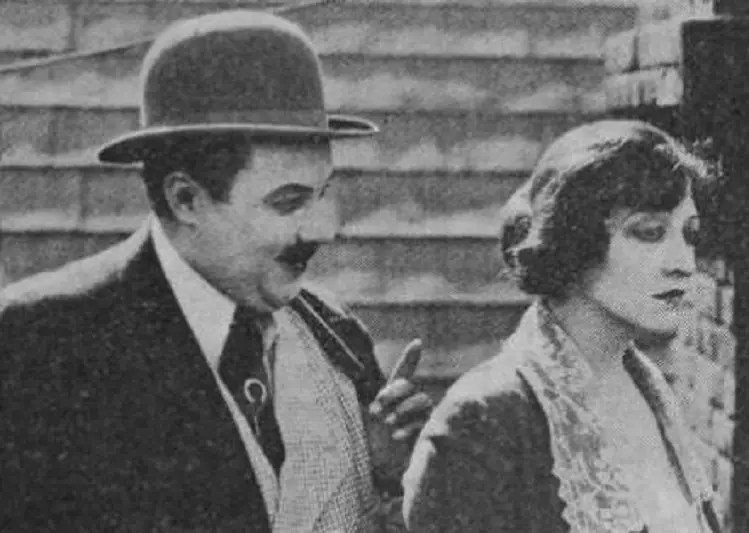
The direction of The Loves of Letty, while not overtly flashy, is effective in its storytelling. The use of close-ups to capture Frederick's nuanced expressions is particularly impactful, allowing the audience to delve into Letty's inner turmoil and triumphs. The set designs, though perhaps simple by today's standards, effectively differentiate between the drab brokerage office, the elegant social venues, and the more intimate settings, subtly reinforcing the class distinctions central to the plot. The pacing is deliberate, allowing the emotional beats to register fully, a common characteristic of silent dramas that prioritized character development over rapid-fire action. It stands in contrast to the more adventurous, action-oriented narratives of the time, such as A Trip to Mars or The Lure of the Circus, highlighting the diverse range of storytelling prevalent in the silent era.
J.E. Nash's adaptation of Arthur Wing Pinero's play is a commendable effort, successfully translating the stage's dramatic tension and character development to the screen. Pinero, a celebrated playwright, was known for his incisive social commentaries, and Nash's screenplay retains much of this critical edge. The narrative structure, with its series of romantic entanglements and subsequent disillusionments, effectively builds towards Letty's ultimate understanding of what truly constitutes happiness and respect. It's a classic example of a character-driven drama, where the internal journey is as significant as the external events. The dialogue, conveyed through intertitles, is succinct yet impactful, delivering key lines like Letchmere's damning "shop girl" remark with maximum dramatic effect.
The enduring appeal of The Loves of Letty lies in its timeless themes. The struggle for social mobility, the allure of wealth and status, the disillusionment that often accompanies the pursuit of superficial desires, and the ultimate triumph of genuine affection over material gain are all universal human experiences. Letty's journey is one that many can relate to, even a century later. It serves as a potent reminder that true value lies not in the trappings of wealth or the luster of a prestigious name, but in the integrity of character and the depth of human connection. In an era often romanticized for its opulence, this film offers a grounded perspective on the societal pressures faced by individuals, particularly women, striving to forge their own path. It's a more nuanced exploration of personal growth than perhaps seen in straightforward adventure films like The Wolf and His Mate, focusing instead on internal battles.
One could even draw parallels between Letty's quest for a better life and the broader societal shifts occurring in the early 20th century. Women were increasingly entering the workforce, challenging traditional roles, and seeking greater independence. Letty's initial desire for a higher social standing, and her eventual rejection of the superficiality associated with it, can be seen as a reflection of this evolving consciousness. Her story is not just a personal romance; it's a micro-narrative within a macrocosm of social change. The film subtly critiques the rigid class structures of the time, suggesting that true nobility of spirit can be found in unexpected places, far removed from the drawing rooms of the aristocracy.
In conclusion, The Loves of Letty stands as a compelling testament to the power of silent cinema to deliver complex, emotionally resonant narratives. Pauline Frederick's masterful performance anchors a story that, despite its age, remains remarkably relevant in its exploration of human ambition, class divides, and the search for authentic love. It’s a film that encourages introspection, urging viewers to look beyond superficial appearances and to value the steadfast heart over the fleeting glitter of social prestige. For enthusiasts of silent film and anyone interested in the enduring themes of human experience, this cinematic gem offers a rich and rewarding viewing experience, a quiet triumph in the annals of early filmmaking. It's a reminder that sometimes, the most profound lessons are learned not through grand gestures, but through the quiet wisdom gained from life's many disillusionments, much like the journey of self-discovery often depicted in films like Sunshine and Gold, where true riches are found within.
IMDb 4.4
1926
Community
Log in to comment.