DbcultAccessing Vault...
Cult Review
Senior Film Conservator
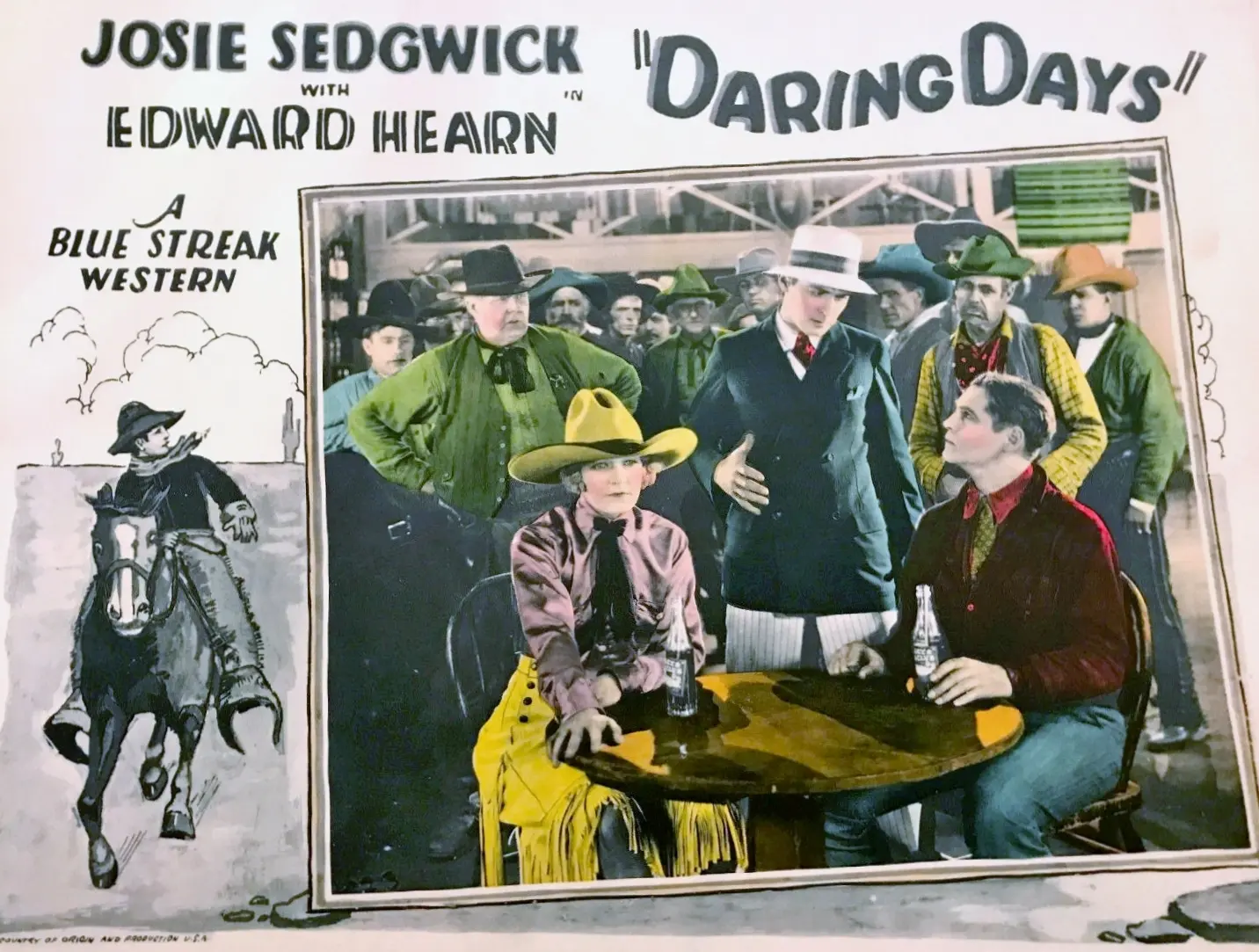
Should you spend your afternoon watching this silent Western relic? Short answer: Yes, but only if you value historical subversion over modern spectacle. This film is for the cinema historian who wants to see the early roots of female empowerment on screen; it is not for the viewer who needs high-octane pyrotechnics or complex, multi-layered anti-heroes.
Daring Days is a fascinating artifact that challenges the notion that early Westerns were exclusively the domain of the hyper-masculine cowboy. While it lacks the kinetic energy of a modern action flick, it compensates with a refreshing perspective on authority. If you are tired of the same old tropes found in films like California or Bust, this provides a much-needed pivot toward civic drama.
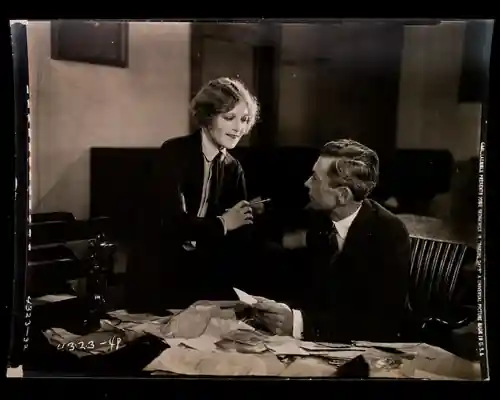
1) This film works because Josie Sedgwick’s performance avoids the 'damsel in distress' trap, offering a protagonist who leads with her mind as much as her courage.
2) This film fails because the pacing in the second act becomes bogged down in repetitive dialogue cards that stall the visual momentum.
3) You should watch it if you have an interest in how early 20th-century cinema navigated the changing roles of women in public office.
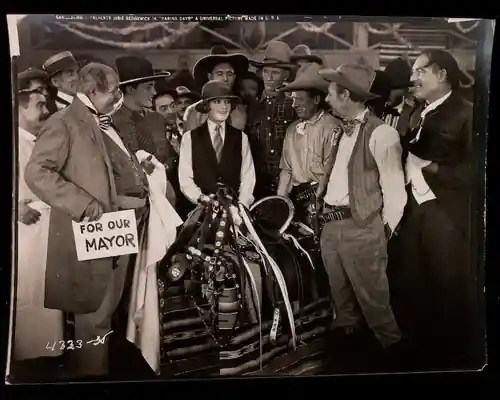
In the world of 1925, the idea of a female mayor in a lawless town was more than just a plot point; it was a political statement. Josie Sedgwick doesn't play the role with the slapstick energy seen in Tillie's Punctured Romance. Instead, she brings a stoic, almost grim determination to the screen. In the standout scene where she first confronts the gang of lawbreakers in the town square, she doesn't reach for a holster. She reaches for her badge and a book of law.
The tension here isn't derived from who is faster on the draw, but from the psychological weight of a woman asserting power in a space that refuses to recognize it. It is a quiet, simmering kind of conflict. It works. But it’s flawed. The villains, played with sneering efficiency by the likes of Ted Oliver, are somewhat one-dimensional. They represent 'Evil' with a capital E, leaving little room for the moral ambiguity that makes modern Westerns so compelling.
George C. Hull’s script and the direction lean heavily on the contrast between the interior of the mayor's office and the wild, untamed exterior of the town. The office is filmed with static, formal shots that emphasize order and stability. In contrast, the scenes involving the lawbreakers are shot with more erratic movement and harsher lighting. This visual dichotomy tells the story better than any title card could.
One cannot discuss this film without mentioning Edward Hearn. His role as the supportive figure provides a necessary balance, yet he never overshadows Sedgwick. This is a rare feat for the era. Usually, in films like The Teaser, the male lead eventually steps in to 'save' the day. In Daring Days, the salvation is a collective effort led by female intuition and legal strategy. It is surprisingly progressive.
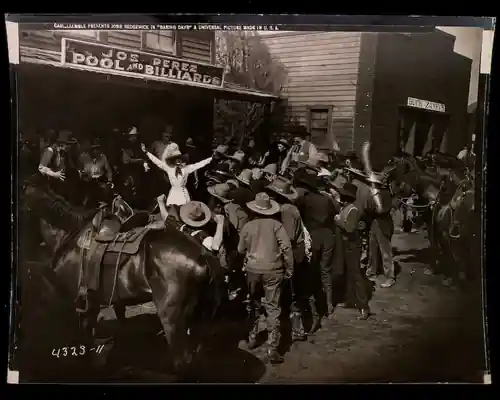
The cinematography by the uncredited cameramen of the era (likely under the supervision of the studio leads) is standard for the mid-20s. There are no sweeping vistas that rival the works of John Ford, but there is an intimate, claustrophobic feel to the town sets. The dusty streets feel lived-in and dangerous. When compared to the more polished look of The Fate of a Flirt, Daring Days feels raw and unwashed.
However, the pacing is a sticking point. At several points, the film lingers too long on reaction shots. We see a villain sneer, then a cut to the mayor looking resolute, then back to the villain. This cycle repeats until it loses its impact. A tighter edit would have elevated this from a 'good' silent film to a 'great' one. The rhythm is occasionally clunky, lacking the sophisticated flow found in The Tigress.
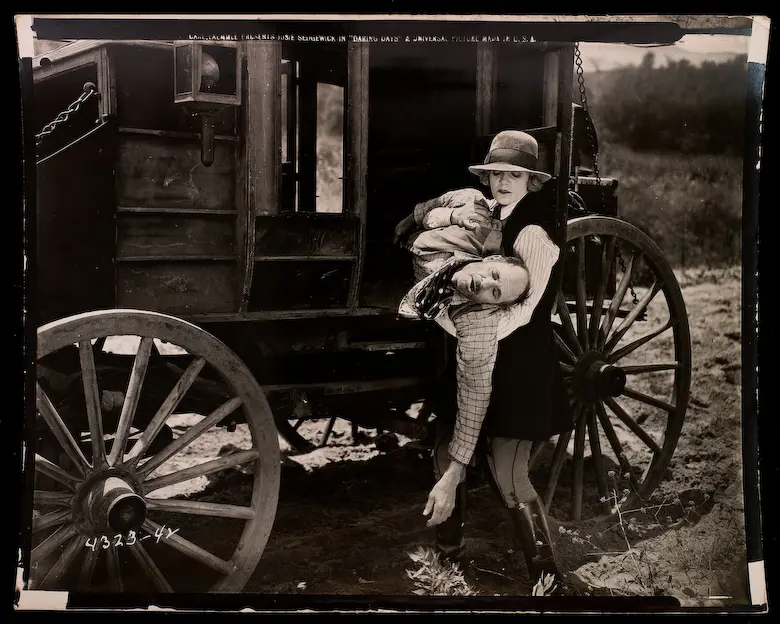
Pros:
- Subverts traditional Western gender roles.
- Strong lead performance by Josie Sedgwick.
- Authentic 1920s production design.
- A unique focus on civic law over vigilante justice.
Cons:
- Middle-act pacing issues.
- Lack of depth in the supporting cast of villains.
- Predictable resolution for those familiar with the genre.
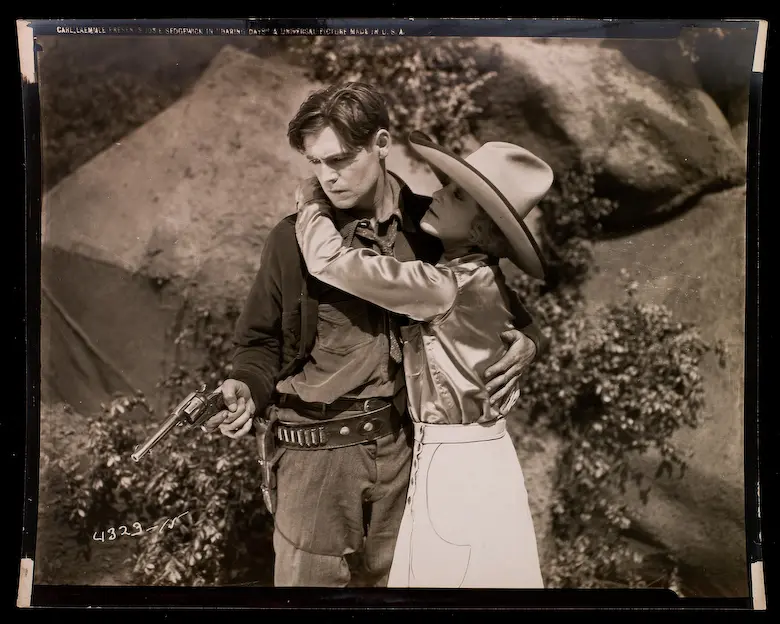
George C. Hull was a prolific writer of the silent era, and his work often touched upon themes of justice and social order. In Daring Days, he manages to weave a narrative that feels both localized and universal. The 'small town' is a microcosm of a changing America. While films like Way Out West often played the frontier for laughs or pure adventure, Hull treats the mayor’s struggle with a level of gravity that was quite uncommon for 1925.
The inclusion of actors like Harry Todd and Ben Corbett adds a layer of authenticity to the background. These were men who lived and breathed the Western genre. Their presence provides a grounded reality that allows Sedgwick’s more 'modern' character to stand out. It is the friction between the old guard and the new law that provides the film’s best moments.
Daring Days is not a masterpiece, but it is a vital piece of the Western puzzle. It proves that even a century ago, filmmakers were experimenting with who got to hold the power in the Wild West. It’s a film that demands patience but rewards the viewer with a unique perspective. It is a sturdy, well-acted drama that overcomes its technical limitations through sheer conviction. If you can handle the silence, the message is loud and clear: authority isn't about the gun you carry, but the character you possess.
Is it a must-watch? For the average person, no. For the cinephile, absolutely. It is a reminder that the 'daring' days of cinema were often those where the smallest voices stood up to the loudest bullies. It’s simple. It’s effective. It’s history in motion.
IMDb 6
1917
Community
Log in to comment.