The Fragile Veneer of Contentment To witness Das Glück der Frau Beate is to step into a vanishing world, a celluloid relic that captures the tectonic shifts of 1918 Germany. This isn't merely a film; it is a cultural artifact that vibrates with the anxieties of a society on the precipice of total transformati...
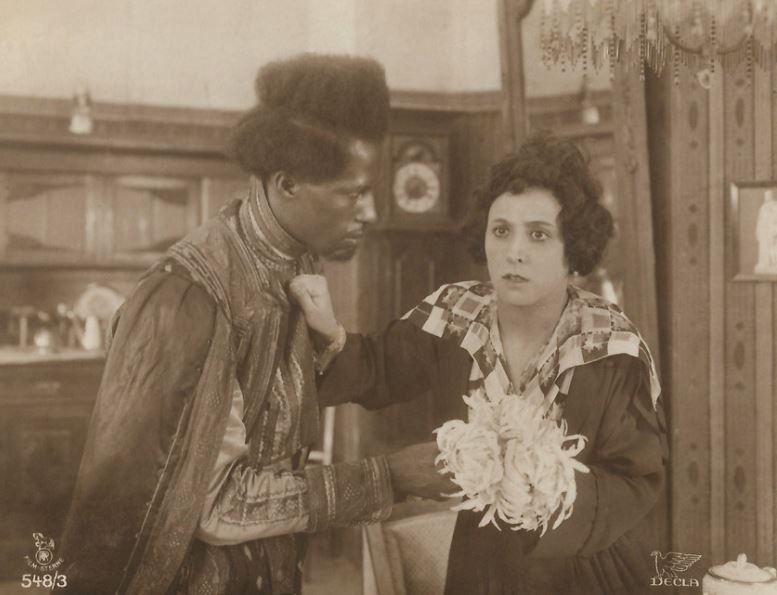
still_frame
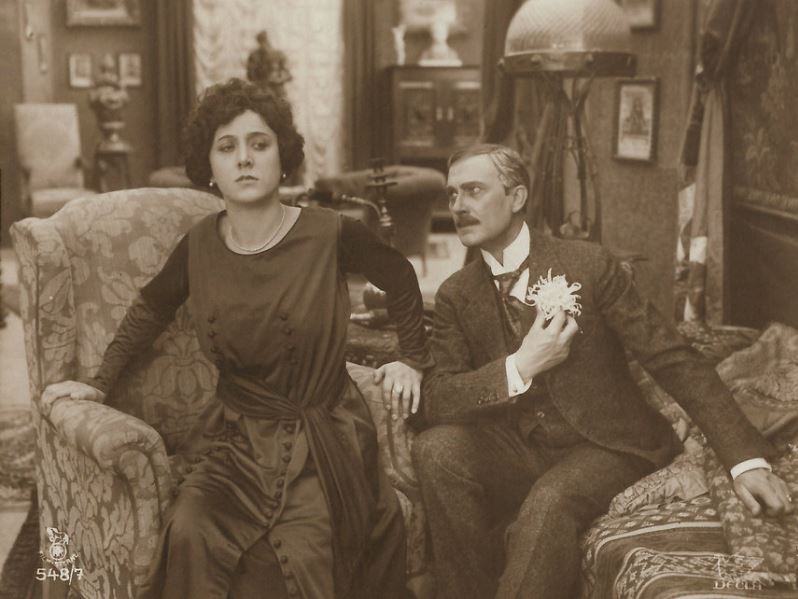
still_frame
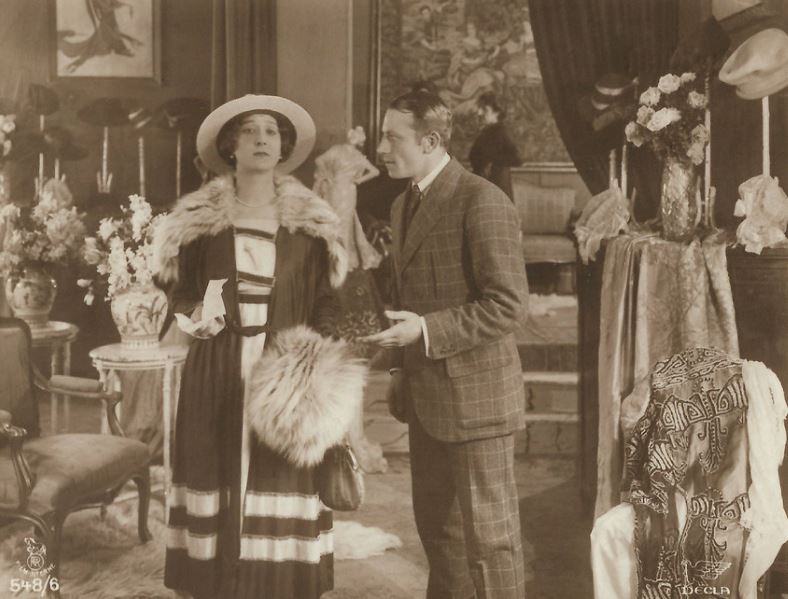
still_frame
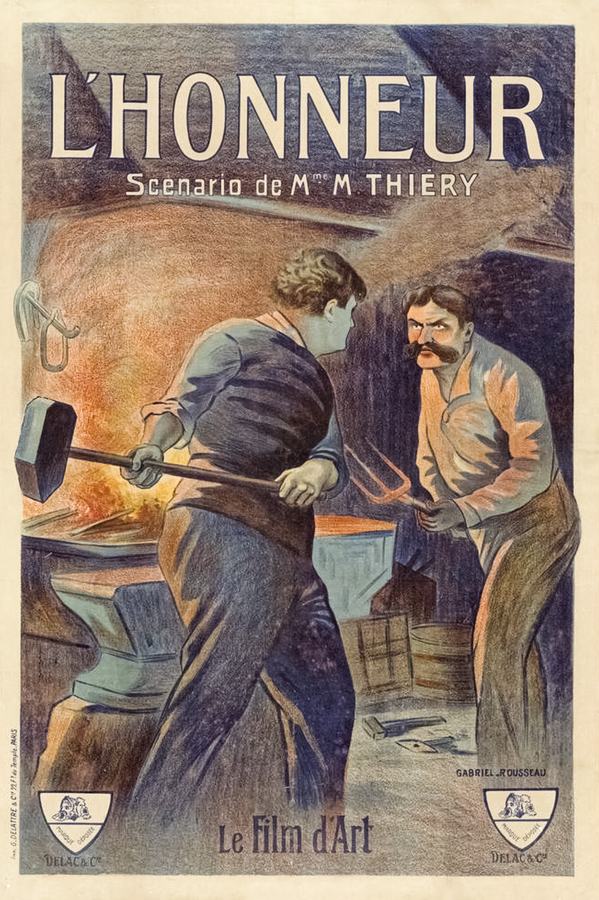

Comparing the cinematic DNA and archive impact of two defining moments in cult history.
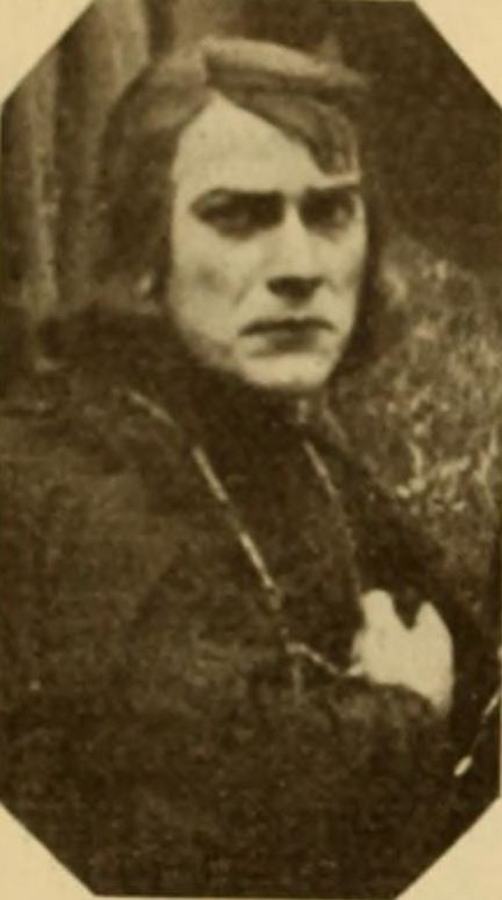
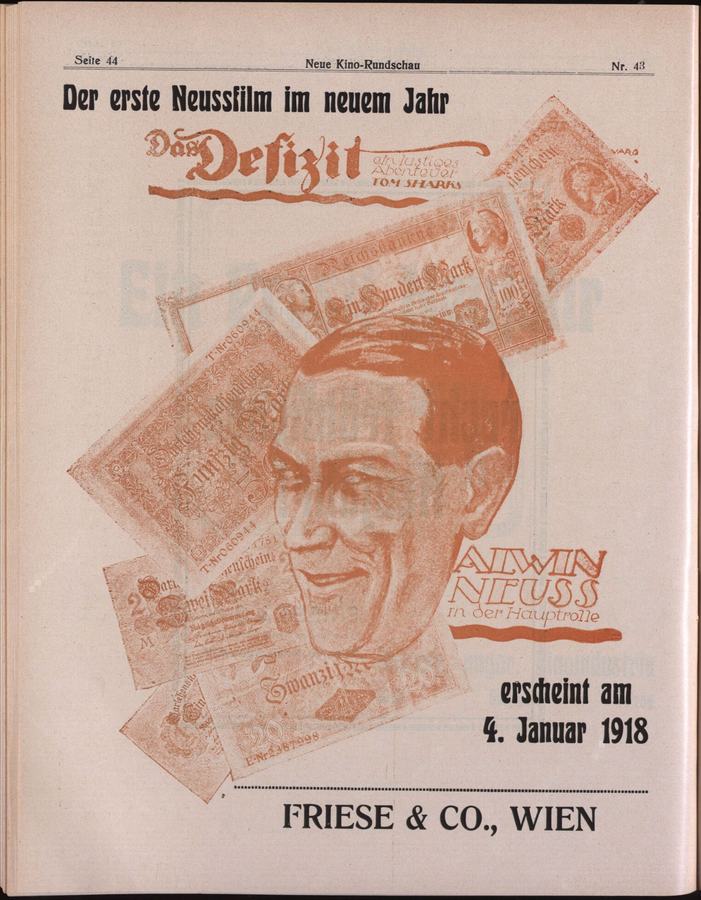
Alwin Neuß

Alwin Neuß
Community
Log in to comment.
" The Fragile Veneer of Contentment To witness Das Glück der Frau Beate is to step into a vanishing world, a celluloid relic that captures the tectonic shifts of 1918 Germany. This isn't merely a film; it is a cultural artifact that vibrates with the anxieties of a society on the precipice of total transformation. The silent era often relied on broad strokes and pantomime, yet here, we find a startlingly modern restraint. The film operates within the penumbral spaces of the human psyche,..."


Deep dive into the cult classic
Discover similar cinematic experiences
A Directorial Spotlight on Alwin Neuß