DbcultAccessing Vault...
7.4/10
Senior Film Conservator
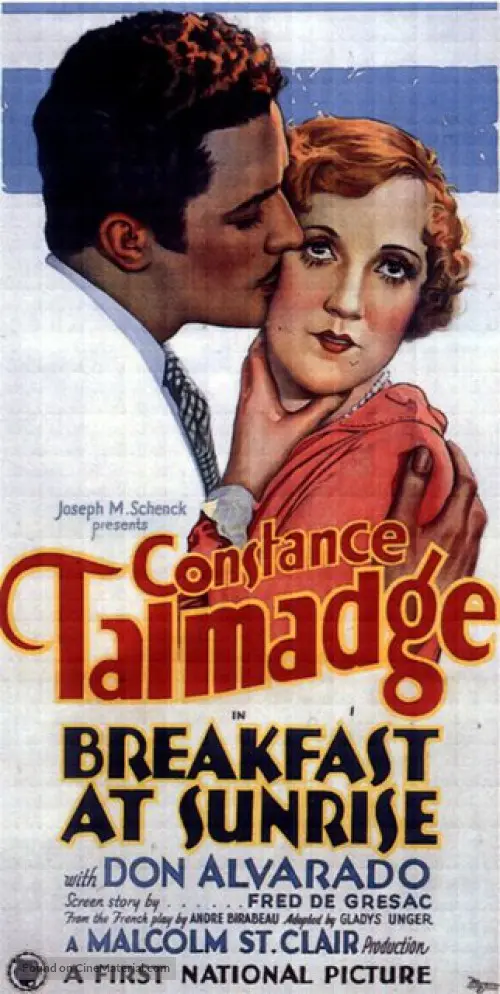
A definitive 7.4/10 rating for a film that redefined the boundaries of cult cinema. Breakfast at Sunrise remains a cornerstone of transgressive art.
Is 'Breakfast at Sunrise' a film worth revisiting in the modern era? Short answer: absolutely, but with a few caveats that demand a certain cinematic palate. This 1927 silent classic offers a delightful, if somewhat predictable, dive into the romantic comedies of its time. It’s a film that will undoubtedly charm devotees of early cinema, those who appreciate the nuanced performances delivered without dialogue, and anyone looking for a comforting, low-stakes narrative steeped in period elegance.
However, for viewers accustomed to the rapid-fire pacing and complex character arcs of contemporary storytelling, or those with a low tolerance for the conventions of the silent era, 'Breakfast at Sunrise' might feel like a slow burn. It’s a film built on the foundations of its time, and while it mostly succeeds within those parameters, it certainly isn’t for everyone.
At its heart, 'Breakfast at Sunrise' is a classic screwball setup, albeit one predating the term's common usage. We are introduced to Madeleine and Pierre, two individuals from starkly different social strata, each nursing a bruised ego and a desire for romantic vengeance. Madeleine, with her considerable fortune, and Pierre, with his charming impecuniousness, find an unlikely alliance in their shared goal: to make their respective former lovers jealous. Their plan is simple yet fraught with comedic potential: feign a passionate affair. The delicious irony, of course, is that in their meticulous plotting, they unwittingly stumble into genuine affection.
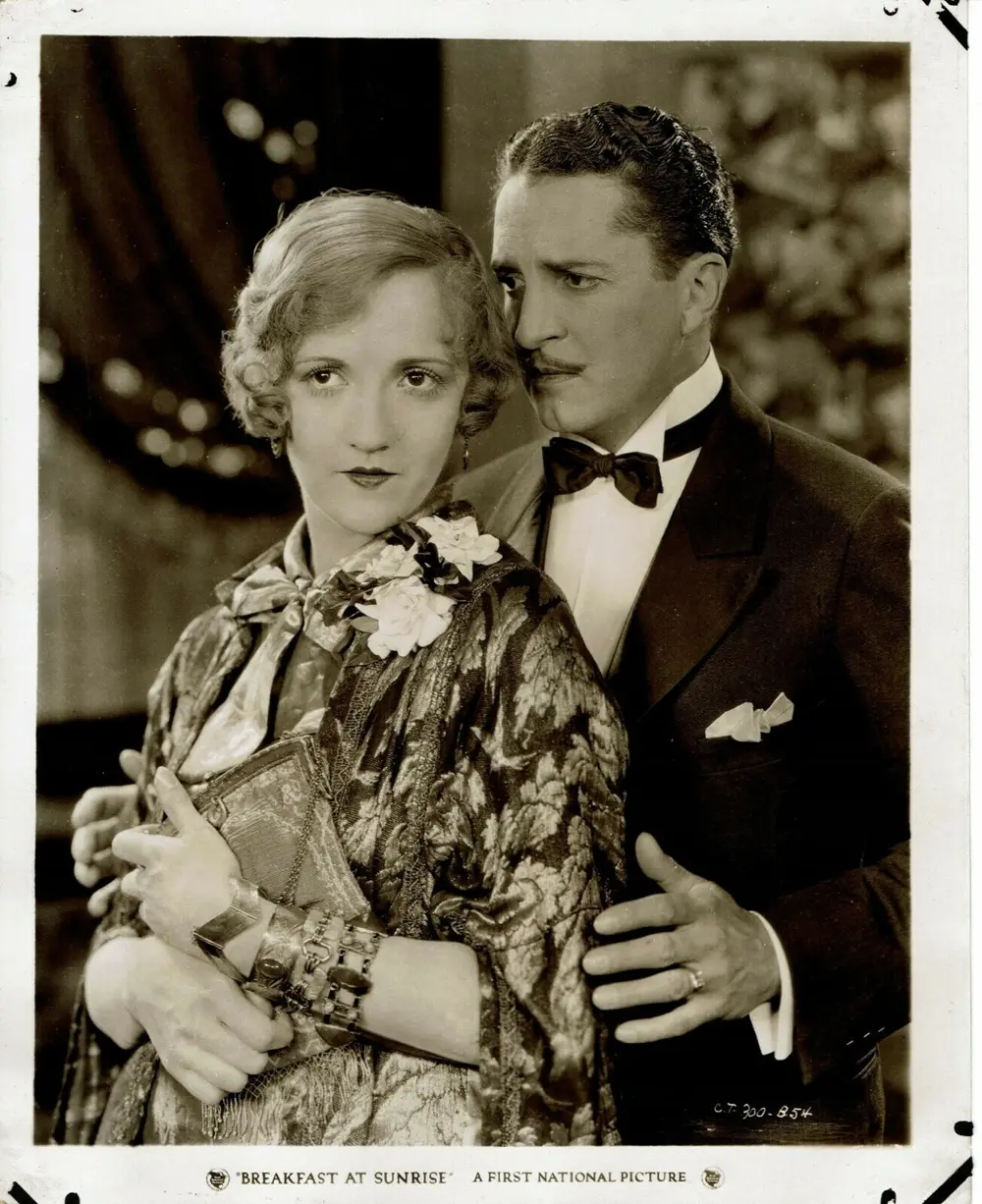
The film’s plot, while not groundbreaking even for its era, is executed with a certain panache. It relies heavily on the audience’s willingness to suspend disbelief and revel in the unfolding of a charming, if ultimately inevitable, romantic trajectory. The humor often stems from the characters' increasingly elaborate attempts to convince others of their 'love,' only to find themselves falling for the deception themselves. It's a testament to the era's storytelling that such a simple premise could sustain a feature-length film, relying on character interactions and visual gags rather than complex narrative twists.
Malcolm St. Clair, the director, helms 'Breakfast at Sunrise' with a light touch, perfectly suited to its comedic intentions. The pacing is deliberate, allowing scenes to breathe and the actors to convey emotion through gesture and expression. There are no frantic cuts or jarring transitions; instead, St. Clair opts for a more observational style, letting the camera linger and the performances unfold. One particularly effective sequence involves the gradual escalation of Madeleine and Pierre's 'public displays of affection' – from tentative hand-holding to exaggerated embraces – each moment building on the last, subtly revealing their growing, unacknowledged feelings. This slow-burn approach is crucial for silent film, where every glance and movement carries amplified meaning.
The film’s rhythm might feel slow to modern audiences, but it's a deliberate choice that immerses you in the period. It’s a stroll, not a sprint, through a world where romantic misunderstandings are resolved with charm rather than explosive drama. St. Clair’s direction ensures that even when the plot becomes predictable, the journey itself remains engaging, largely due to the magnetic presence of his lead actors.

The true heart of 'Breakfast at Sunrise' lies in its performances, particularly from its leads, Constance Talmadge as Madeleine and Bryant Washburn as Pierre. Talmadge, a prominent star of the silent era, brings a vivacious energy to Madeleine. Her expressions are a masterclass in silent acting, conveying a spectrum of emotions from haughty indignation to playful mischief and, eventually, tender vulnerability. Her comedic timing is impeccable; a subtle roll of the eyes or a frustrated stomp of the foot speaks volumes without a single intertitle. She makes Madeleine's transformation from a woman seeking revenge to one genuinely in love feel earned and believable.
Bryant Washburn, opposite Talmadge, delivers a more understated but equally effective performance. As Pierre, he exudes a quiet charm and a subtle wit. He’s the grounded counterpoint to Madeleine’s more flamboyant personality, and their chemistry is palpable. Watch their initial 'plotting' scenes; the way Washburn’s Pierre hesitantly mirrors Talmadge’s Madeleine, then slowly grows in confidence, is a delight. It’s a testament to both actors that their on-screen dynamic feels so authentic, transcending the limitations of the silent medium.
The supporting cast also adds considerable color. Marie Dressler, a comedic force, provides some genuinely funny moments, her presence often stealing scenes with her boisterous energy. Dot Farley, Burr McIntosh, and the other players, including Don Alvarado and Albert Gran, contribute to the film’s lively atmosphere, each embodying their archetypal roles with conviction. The ensemble works cohesively, creating a believable, if exaggerated, social milieu.
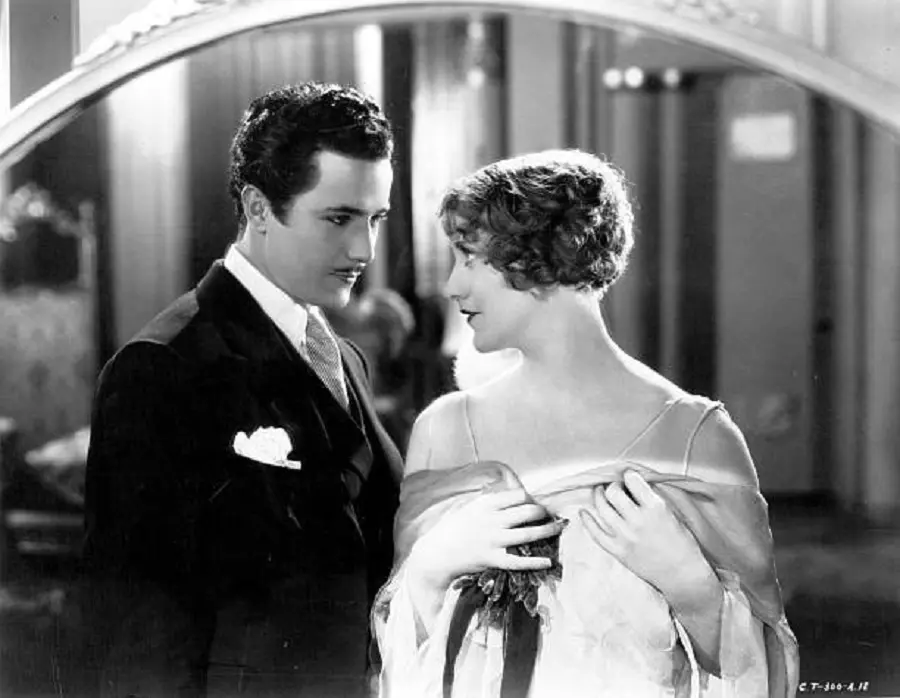
While 'Breakfast at Sunrise' may not boast the experimental cinematography of some of its contemporaries, it presents a visually pleasing world. The production design captures the elegance and, at times, the opulence of the Roaring Twenties. From lavish ballrooms to intimate cafes and tasteful drawing rooms, the sets are meticulously crafted, providing a rich backdrop for the unfolding romance. The costumes, too, are noteworthy, reflecting the fashion sensibilities of the era with flair and accuracy, especially Madeleine’s array of stylish gowns.
The cinematography, while not groundbreaking, is competent and serves the story well. Director of photography Tony Gaudio uses well-composed shots, often framing the two leads together to emphasize their burgeoning connection. There are moments of effective close-ups that allow the audience to fully appreciate the actors’ expressive faces, a crucial element in silent film. The lighting is generally bright and clear, ensuring that every gesture and facial nuance is visible, which is essential for conveying the film's comedic and romantic beats.
The film subtly touches upon themes of class disparity, though it never delves too deeply into their societal implications. Pierre’s penniless state is a recurring comedic foil to Madeleine’s wealth, highlighting the social expectations and barriers of the time. However, the film ultimately suggests that love can transcend these superficial differences, offering a romanticized view of cross-class relationships. This approach is typical of many romantic comedies of the era, which often prioritized charming resolutions over gritty realism. While not as stark as the dramatic class struggles seen in films like Children of the Night, 'Breakfast at Sunrise' still taps into the era's fascination with societal divides.
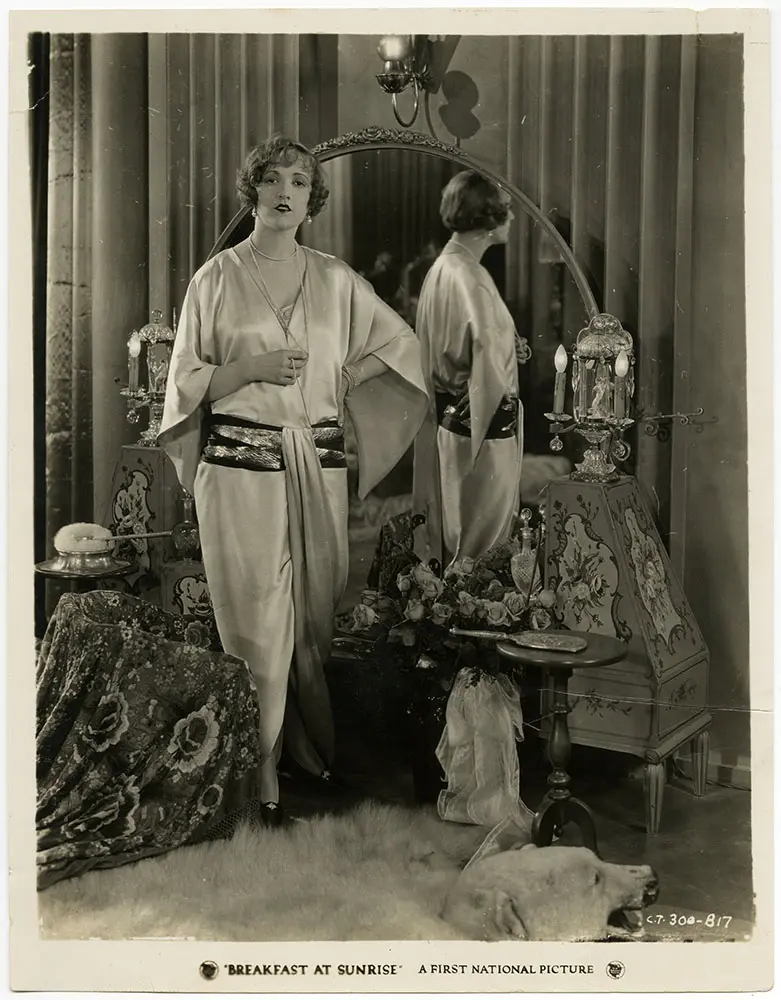
The central theme of deception leading to truth is expertly handled. The initial 'fake' romance allows both Madeleine and Pierre to drop their guards, revealing their true selves in a way they might not have dared under normal circumstances. It's a clever narrative device that explores the masks people wear and the surprising ways genuine connection can emerge from the most unlikely of beginnings. Frankly, the film’s resolution, while charming, feels a little too neat, neatly sidestepping the very real economic disparities it initially highlights. This is perhaps its biggest philosophical failing, but it’s a flaw easily overlooked in the pursuit of a happy ending.
Yes, 'Breakfast at Sunrise' is absolutely worth watching, particularly if you are a cinephile with an appreciation for the silent era. It works. But it’s flawed. It's a charming, well-acted romantic comedy that provides a delightful glimpse into the storytelling conventions and social mores of the 1920s. Its primary appeal lies in the charismatic performances of Constance Talmadge and Bryant Washburn, whose on-screen chemistry is undeniable and truly elevates the material. The film is a pleasant, undemanding viewing experience that offers escapism and a gentle humor. It's a foundational piece for understanding the evolution of romantic comedy.
However, it’s not for everyone. If you struggle with the lack of spoken dialogue, the slower pacing inherent to silent films, or prefer narratives with more complex character development and social commentary, then 'Breakfast at Sunrise' might test your patience. It’s a product of its time, and while it shines brightly within that context, it doesn't always translate seamlessly to modern expectations. But for those willing to embrace its era, it offers genuine warmth and entertainment. What truly resonates isn't the grand romance, but the quiet, almost conspiratorial glances exchanged by minor characters, hinting at a world far more complex than our leads' simplistic motivations. That, to me, is the real magic.
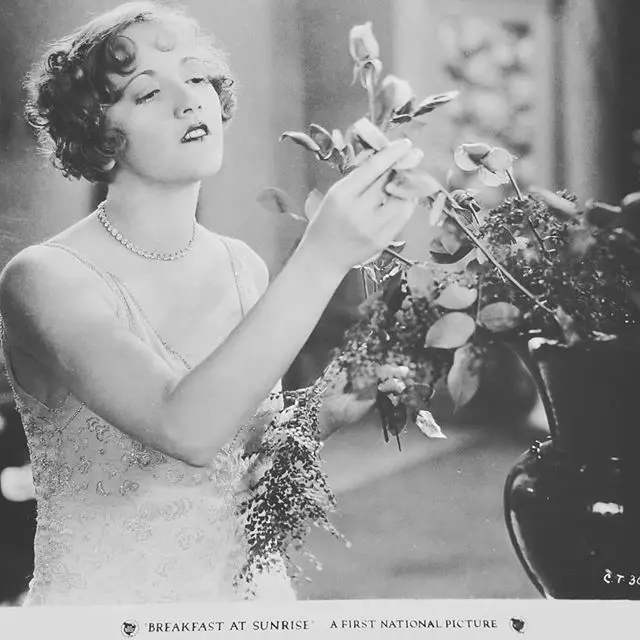
Pros:
- Exceptional chemistry between the lead actors, Constance Talmadge and Bryant Washburn.
- Charming and humorous premise that still holds up as a lighthearted romantic comedy.
- Strong, expressive performances from the entire cast, particularly in conveying emotion without dialogue.
- Authentic period setting and costume design that immerses the viewer in the 1920s.
- A delightful escape for those who appreciate the unique artistry of silent cinema.
Cons:
- Predictable plot trajectory, even for its era, with few genuine surprises.
- Pacing can feel slow to modern audiences accustomed to faster narratives.
- Social commentary on class differences is superficial and ultimately unresolved.
- Relies heavily on silent film conventions, which may be a barrier for some viewers.
- The resolution feels a bit too convenient, lacking the depth that could have elevated the story further.
'Breakfast at Sunrise' is a delightful, if not groundbreaking, entry into the annals of silent romantic comedy. It’s a film that thrives on the effervescent charm of its leads and the simple pleasure of watching a calculated scheme unravel into genuine affection. While it may not challenge your intellect or provide profound insights into the human condition, it offers something equally valuable: pure, unadulterated entertainment. It’s a film that reminds us of the enduring power of a good story, well-told, even without a single spoken word. For a pleasant evening’s diversion, especially if you have a fondness for the era, 'Breakfast at Sunrise' delivers a warm, satisfying glow. It’s not a masterpiece, but it’s certainly a film worth a second look.
IMDb 6.2
1935
Community
Log in to comment.