DbcultAccessing Vault...
5.8/10
Senior Film Conservator
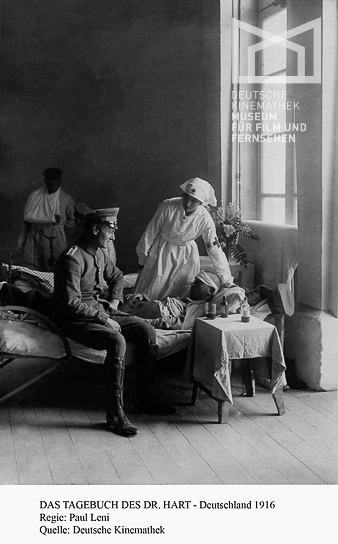
A definitive 5.8/10 rating for a film that redefined the boundaries of cult cinema. Das Tagebuch des Dr. Hart remains a cornerstone of transgressive art.
In the annals of early 20th-century cinema, few films emerge with as clear and compelling a political agenda as Hans Brennert’s 1917 creation, Das Tagebuch des Dr. Hart. This cinematic artifact is far more than a mere narrative; it is a meticulously crafted response, a celluloid shield against the relentless barrage of anti-German propaganda disseminated by the Allied powers during the Great War. To view it simply as a period drama would be to miss its profound and urgent purpose. It stands as a fascinating case study in the weaponization of art, a deliberate attempt to reshape public perception and defend national honor through the nascent power of the moving image.
The film’s very premise, “An effort to combat the anti-German propaganda promulgated by the Allies,” immediately situates it within a highly contentious historical dialogue. This wasn't entertainment for entertainment's sake; it was a strategic cultural intervention. While its contemporary counterparts might have been preoccupied with romantic escapades or thrilling adventures, Das Tagebuch des Dr. Hart embarked on a more ambitious, arguably more vital, mission: to humanize, to contextualize, and ultimately, to vindicate. It sought to peel back the layers of caricature and demonization that had been so effectively plastered onto the German image by wartime adversaries, presenting instead a portrait of resilience, ingenuity, and a people grappling with the immense pressures of a global conflict.
Hans Brennert, the film's writer, understood that direct, heavy-handed rebuttals often fall flat. Instead, the film, as its title suggests, likely adopts a more personal, intimate approach through the diary of Dr. Hart. This narrative device allows for a subjective yet seemingly authentic perspective, offering viewers an unfiltered glimpse into the daily lives, struggles, and quiet triumphs of ordinary Germans. We imagine Dr. Hart, perhaps a respected community figure, documenting instances of scientific innovation, societal cohesion, cultural preservation, and the steadfast spirit of a nation under siege. The focus would have been on demonstrating a commitment to civility, intellectual pursuit, and familial bonds, directly contrasting the brutal, monolithic image fostered by Allied propaganda.
The cast, featuring stalwarts like Ernst Hofmann, Adolf Klein, Heinrich Schroth, Käthe Haack, and Dagny Servaes, would have been instrumental in grounding this ambitious project in believable human emotion. One can envision Hofmann or Schroth embodying Dr. Hart with a gravitas that lends credibility to his observations, while Haack and Servaes might portray the stoic strength of German women maintaining hearth and home amidst scarcity and uncertainty. Their performances would not have been about overt heroism, but about the quiet dignity of endurance, making the propaganda a natural outgrowth of character rather than a forced insertion. This subtle approach could have been particularly effective, mirroring the way When False Tongues Speak, a film from a similar era, explored the destructive power of misinformation on an individual scale, albeit without the broader geopolitical context of Das Tagebuch des Dr. Hart.
Given the technological limitations of 1917, the power of Das Tagebuch des Dr. Hart would have resided heavily in its narrative structure, intertitles, and the expressive capabilities of its actors. Visual metaphors, carefully composed shots, and symbolic imagery would have been crucial. Imagine scenes depicting German scientists tirelessly working in laboratories, or farmers diligently tending their fields, or families sharing meager meals with unwavering solidarity. These vignettes, interspersed with Dr. Hart's reflective diary entries (presented via intertitles), would have painted a picture of a nation industrious, resilient, and fundamentally humane, directly challenging the enemy's portrayal of a barbaric, aggressive entity.
The film’s aesthetic choices, even if constrained by budget and wartime resources, would have been imbued with meaning. Perhaps a preference for natural light, or a focus on the intricate details of German craftsmanship, or panoramic shots of untouched landscapes, all serving to evoke a sense of inherent goodness and cultural richness. Unlike the often sensationalist narratives of films like The Crime and the Criminal or The Crime of the Camora, which sensationalized wrongdoing, Das Tagebuch des Dr. Hart would have striven for an air of authenticity and moral rectitude, making its portrayal of German life unimpeachable. It's a testament to the early understanding of cinema's power to shape not just individual stories, but national identities.
The film’s focus on the home front, even if implicitly, would have been a powerful counter-narrative strategy. While Allied propaganda often depicted German soldiers as brutal aggressors, Das Tagebuch des Dr. Hart likely shifted the gaze to the civilian population, emphasizing their strength, their contributions, and their suffering. This humanization aimed to foster empathy, making it harder for foreign audiences (or even internal dissenters) to accept the dehumanizing caricatures. The ordinary German family, the diligent worker, the dedicated intellectual—these were the heroes of Dr. Hart's diary, fighting a different kind of war, one of perception and morale.
Consider the emotional resonance: while a film like The Kid, released a few years later, masterfully used pathos to tell a universal story of love and resilience, Das Tagebuch des Dr. Hart deployed similar emotional appeals for a more specific, nationalistic purpose. It wasn't just about a child and a tramp; it was about a nation and its identity. The film probably used scenes of hardship overcome by ingenuity, or community support in times of grief, to illustrate the inherent good within the German spirit. This approach is far more sophisticated than simply shouting patriotic slogans; it's about weaving a tapestry of everyday heroism.
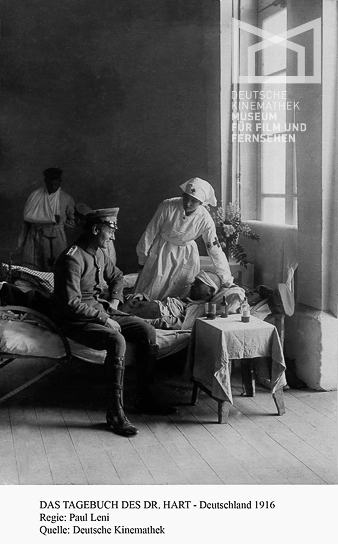
Assessing the true impact of Das Tagebuch des Dr. Hart is complex. Did it single-handedly turn the tide of international opinion? Unlikely. Propaganda, by its nature, is a multifaceted, pervasive beast. However, its existence speaks volumes about the early recognition of cinema's potential as a tool of national defense and cultural diplomacy. It laid groundwork for future, more sophisticated uses of media in shaping public discourse. It represents a pivotal moment when film transitioned from mere spectacle to a powerful instrument of ideological warfare.
Its unique position also invites comparison with other films of its era that, while perhaps not overtly political, explored themes of societal perception or individual agency. For instance, while Fruits of Desire might have delved into personal ambition and moral choices, Das Tagebuch des Dr. Hart projected these individual virtues onto a national canvas. Similarly, the exploration of character in Susan's Gentleman or the daring spirit of The Venturers, though distinct in genre, resonate with the idea of individuals or groups striving against odds, a core tenet of Dr. Hart's narrative.
The film offers a rare glimpse into the internal struggles of a nation fighting not just on physical battlefields, but in the arena of global public opinion. It forces us to consider the ethical dimensions of wartime art and the enduring power of narrative to shape perceptions, for better or worse. In an age where information warfare is still a critical component of international relations, Das Tagebuch des Dr. Hart serves as a fascinating, albeit early, precursor, reminding us that the camera has always been a potent weapon in the fight for hearts and minds.
To fully appreciate Das Tagebuch des Dr. Hart, one must immerse oneself in the tumultuous geopolitical landscape of 1917. The Great War was raging, and the global narrative was increasingly dominated by Allied perspectives, often painting Germany as the sole aggressor, a monolithic force devoid of humanity. This film emerged from a desperate need to counterbalance this narrative, to present an alternative truth directly from the German perspective. It was a cultural act of self-preservation, a plea for understanding in a world steeped in animosity.
The German film industry, even amidst wartime constraints, was remarkably vibrant. While Hollywood was churning out a mix of melodramas and comedies, and other European nations faced their own struggles, Germany was beginning to lay the groundwork for what would become its Expressionist golden age. Das Tagebuch des Dr. Hart, while perhaps not stylistically revolutionary, was revolutionary in its intent. It harnessed the burgeoning power of cinema for a purpose far grander than mere entertainment, demonstrating a sophisticated awareness of media's persuasive capabilities. It was a direct engagement with the 'truth' as perceived and propagated by external forces, an attempt to reclaim agency over its national image.
Consider the bravery required for Hans Brennert, the writer, and the entire production team. They were not just making a film; they were participating in a psychological war, using their craft to bolster national morale and challenge international perceptions. This was a form of soft power long before the term was coined, relying on empathy and shared human experience rather than brute force. It sought to remind viewers that beneath the uniforms and political rhetoric, there were individuals, families, and communities striving for peace and dignity, just like anywhere else.
Even a century later, the themes explored by Das Tagebuch des Dr. Hart remain remarkably pertinent. In an era saturated with information, misinformation, and the constant battle for narrative control, understanding the origins of cinematic propaganda and counter-propaganda is crucial. This film offers a window into the nascent stages of this struggle, demonstrating how early filmmakers grappled with the responsibility and power of their medium.
It reminds us that truth is often contested, and that art can be a potent weapon in that contest. While we might not have access to its full visual grandeur today, the conceptual audacity of Das Tagebuch des Dr. Hart is undeniable. It stands as a powerful testament to the belief that stories, when told with conviction and purpose, possess the capacity to challenge dominant narratives and perhaps, even, to alter the course of history, one frame at a time. It's a film that, despite its specific historical context, speaks to the universal struggle for self-definition against external vilification, a fight as relevant today as it was in 1917.
IMDb 6.3
1937
Community
Log in to comment.