A definitive 3.4/10 rating for a film that redefined the boundaries of cult cinema. The Gay Retreat remains a cornerstone of transgressive art.
Is 'The Gay Retreat' worth watching today? Short answer: yes, but with significant caveats that demand a specific kind of viewer. This film, a curious relic from 1925, is less a profound cinematic experience and more a fascinating historical artifact, a window into the comedic sensibilities of nearly a century ago.
It's a film best suited for silent cinema enthusiasts, film historians, and those with a high tolerance for dated humor and episodic storytelling. Conversely, modern audiences accustomed to tight pacing, sophisticated narrative arcs, and contemporary comedic timing will likely find 'The Gay Retreat' a challenging watch, possibly even a tedious one.
A Direct Assessment: The Good, The Bad, The Niche
Before we delve deeper, let's lay out the essential points for anyone considering a dive into this particular piece of cinematic history:
This film works because… of its earnest, often physical comedic performances and its audacious, almost absurdist premise. It’s a testament to the sheer will of early filmmakers to entertain with limited resources and a boundless imagination.
This film fails because… its humor is deeply rooted in a bygone era, often relying on repetitive gags and broad slapstick that can feel tiresome. Its narrative structure is loose, and pacing often suffers from extended, uninspired sequences.
You should watch it if… you appreciate the historical context of silent film, have a fondness for early war comedies, or are simply curious about the evolution of cinematic humor. It’s a niche appeal, but a strong one for its target audience.
Plot Deconstructed: A Comedy of Errors in Khaki
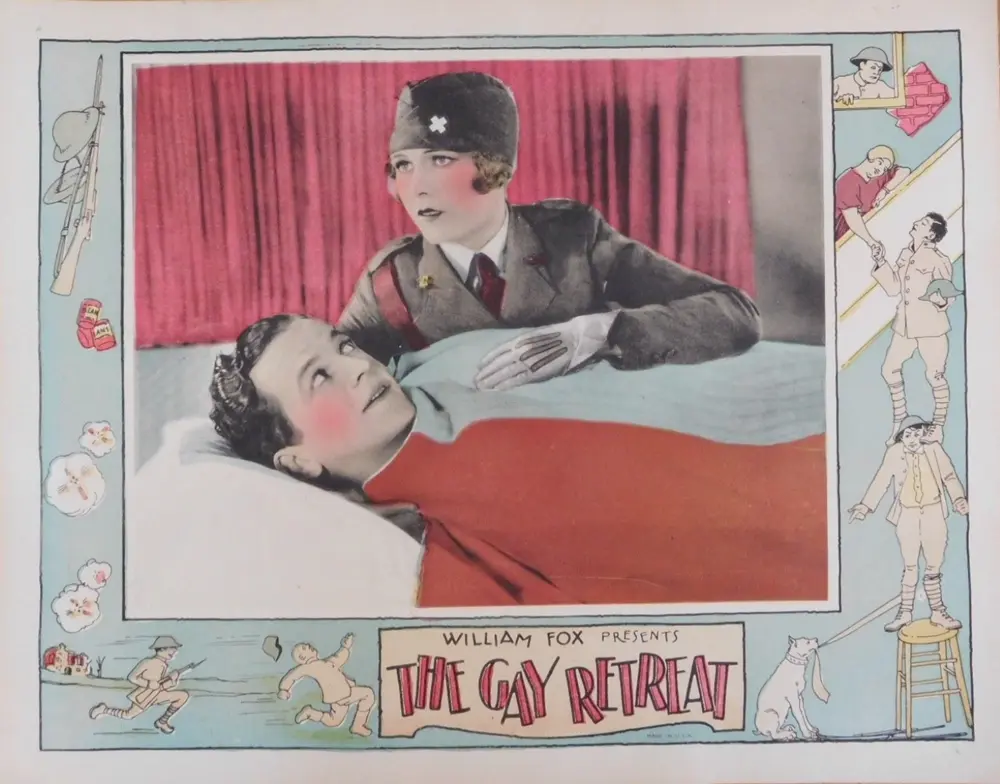
The premise of 'The Gay Retreat' is, in a word, bonkers. We're introduced to Dick Wright, a man whose sleepwalking habit proves to be a national security liability, leading to his rejection from both the Army and Navy. This refusal, rather than deterring him, merely redirects his trajectory into an ambulance unit – a decision made all the more farcical by the presence of his dedicated chauffeur and valet, whose sole mission is to keep their sleep-prone employer out of harm's way.
The narrative then takes a sharp turn into the realm of pure comedic happenstance. Through an improbable mix-up, the ambulance unit, with Dick and his protectors in tow, finds itself on a troop train bound for France, inadvertently enrolling them as active members of the U.S. Army. The sheer absurdity of this accidental enlistment sets the stage for the rest of the film, a series of slapstick vignettes that attempt to mine humor from the clash between civilian ineptitude and military discipline.
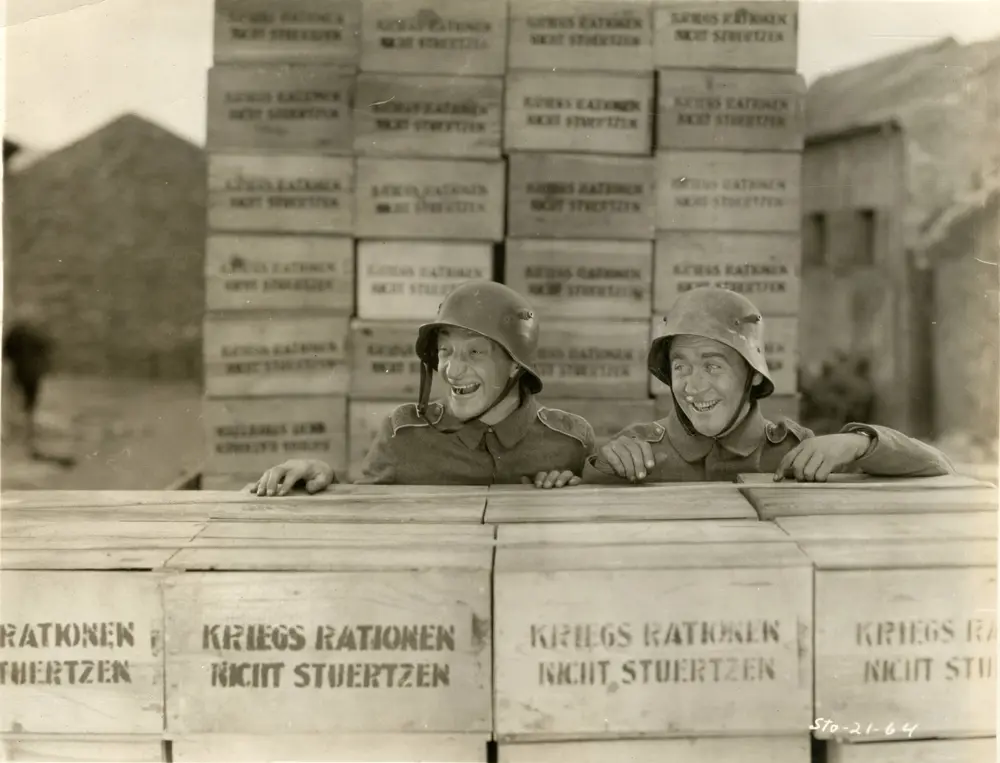
The core conflict, beyond Dick's nocturnal wanderings, revolves around the trio's encounters with a 'hard-boiled sergeant' – a stock character designed for maximum comedic friction. It's here that the film leans heavily on physical comedy and the humor of mistaken identity, culminating in the unlikely capture of a German detachment by Ted and Sam. Their subsequent decoration for bravery feels less like earned heroism and more like the ultimate punchline to a very long, convoluted joke.
Interspersed with these wartime shenanigans are romantic interludes featuring Betty, an American, and Joan, a Frenchwoman. These subplots, while adding a touch of warmth and human connection, often feel grafted onto the main comedic thrust rather than organically woven into it. They serve to remind us that even amidst the chaos of war and the absurdity of accidental heroism, the human desire for companionship endures.
The film’s reliance on sleepwalking as its primary comedic engine is both its most defining characteristic and, frankly, its biggest narrative hurdle. While initially amusing, the gag wears thin, becoming a predictable device rather than a source of genuine surprise.
Scene from The Gay Retreat
Cinematic perspective: Exploring the visual vocabulary of The Gay Retreat (1927) through its definitive frames.
Performances: The Heart of the Farce
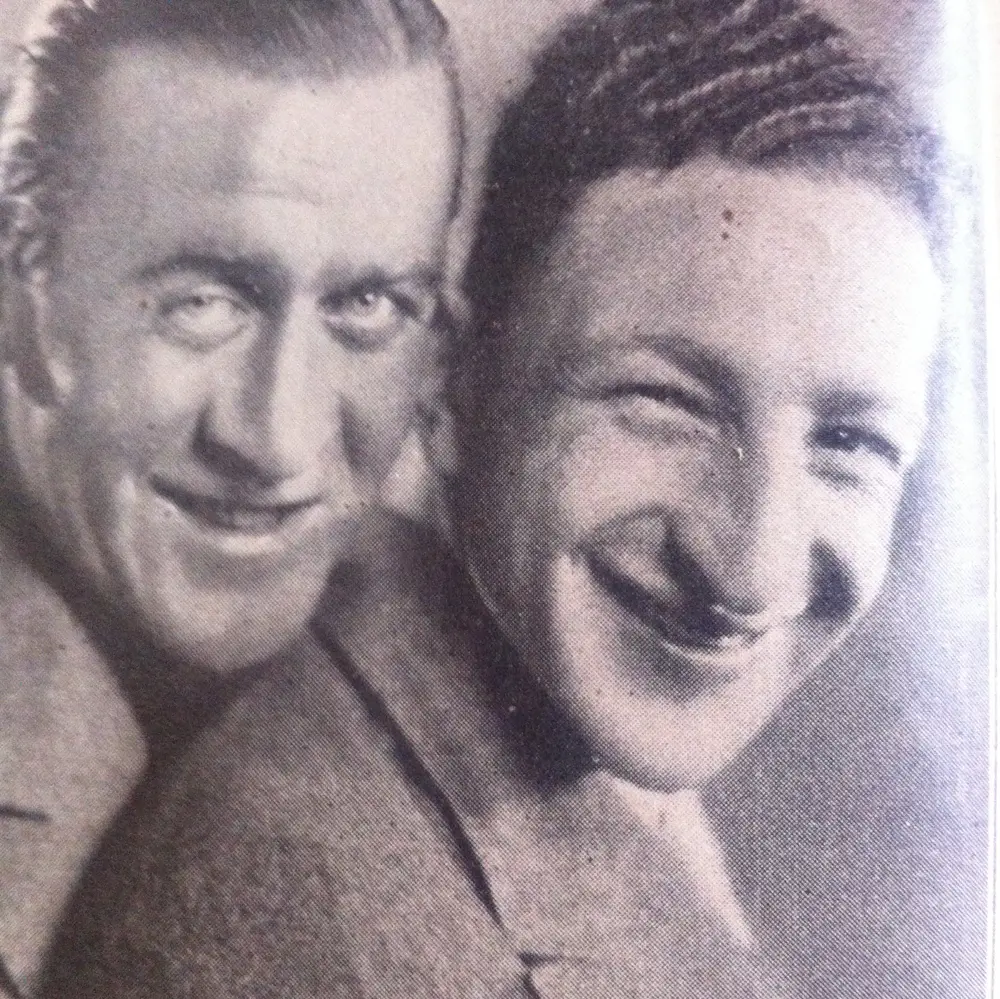
For a silent film, the success of 'The Gay Retreat' hinges almost entirely on the expressive capabilities of its cast. Ted McNamara, as one of the central figures (likely Ted, the chauffeur or valet, given the plot summary's emphasis on Ted and Sam's heroics), carries much of the physical comedy. His performance, typical of the era, relies on exaggerated gestures, wide-eyed reactions, and a willingness to embrace the ridiculous. There's a certain earnest charm to his antics, particularly in scenes depicting the accidental capture of Germans. He commits fully to the slapstick, even when the material itself feels stretched.
Gene Cameron, likely playing the more straight-laced counterpart or perhaps the perpetually bewildered Dick Wright, offers a necessary counterpoint to the boisterous comedy. The dynamic between the leads is crucial in silent comedies, and here, it’s a classic setup: one character's chaos amplified by another's exasperation or unwitting participation. The interplay, though broad, provides the film with its most consistent source of humor.
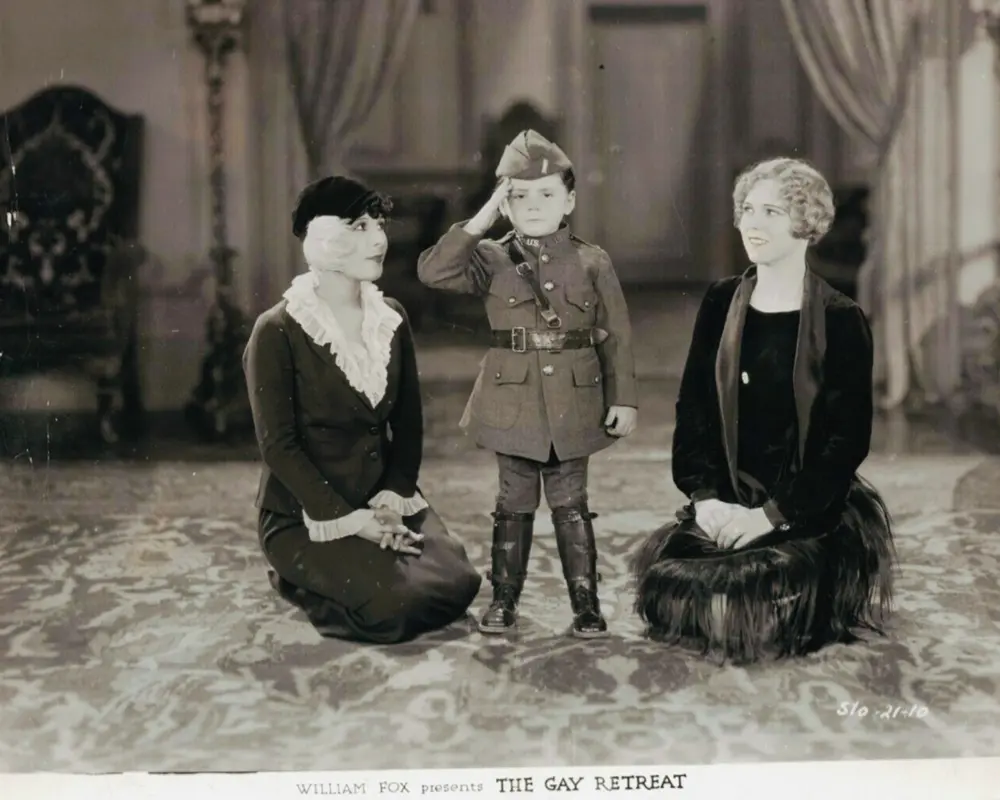
Judy King and Betty Francisco, representing the romantic interests Betty and Joan, fulfill their roles with the expected charm and vivacity of silent film heroines. Their performances are less about deep character development and more about conveying emotion through expressive glances and delicate gestures. The romantic subplots, while not groundbreaking, offer a pleasant diversion from the main comedic thrust, allowing the audience a moment to breathe from the relentless slapstick.
Sammy Cohen, often a reliable comedic actor in this period, likely provides additional comic relief as the other half of the heroic duo. His presence, alongside McNamara, would have been key to the film's broader appeal, doubling down on the physical gags and buddy-comedy dynamic. The ensemble, while not delivering nuanced, method-acting performances, certainly understands the demands of the genre.
Even Charles Gorman, as the 'hard-boiled sergeant', delivers a performance that, while stereotypical, is effective. His scowls, exasperated sighs, and attempts to impose order on the chaos are essential for the comedic friction. It’s a performance designed to be reacted against, and in that, it succeeds. The cast, collectively, embraces the inherent theatricality of silent film, ensuring that even when the story falters, the visual humor remains largely intact.
Direction and Pacing: A Stumble Through the Trenches
The direction in 'The Gay Retreat', likely a collaborative effort given the multiple writers, reflects the prevailing style of 1920s comedies: a heavy reliance on wide shots for physical comedy, clear sight gags, and relatively straightforward camera work. There are moments where the comedic timing feels genuinely effective, particularly during the initial confusion of the accidental enlistment or the climactic capture of the Germans. These scenes demonstrate a clear understanding of how to orchestrate physical chaos for laughs.
However, the pacing is undeniably uneven. Silent films, by their nature, often feel slower to modern viewers, but even within its own context, 'The Gay Retreat' suffers from stretches where the narrative meanders. The sleepwalking gag, while central, is perhaps overused, leading to repetitive sequences that slow the momentum. A film about accidental wartime heroics should ideally crackle with energy, but here, it occasionally sputters.
It’s fascinating how a film ostensibly about war manages to feel so utterly detached from its grim realities, almost as if the conflict is merely a backdrop for a glorified camping trip. This tonal dissonance is a deliberate choice, but it sometimes makes the 'stakes' feel inconsequential, even for a comedy.
Scene from The Gay Retreat
Cinematic perspective: Exploring the visual vocabulary of The Gay Retreat (1927) through its definitive frames.
The transitions between comedic set pieces and romantic interludes can also feel abrupt, disrupting the flow. A more skilled directorial hand might have woven these elements together more seamlessly, perhaps using the romantic encounters to heighten the comedic tension or provide a brief, impactful respite. Instead, they often feel like separate, self-contained segments.
Despite these issues, there are flashes of inventive staging, particularly in how the chaos of the front lines is depicted as a backdrop for the protagonists' bumbling. The absurdity of Ted and Sam, two accidental soldiers, outsmarting seasoned enemy combatants is played for maximum comedic effect, showcasing a directorial intent to prioritize laughter over realism. It works. But it’s flawed.
Cinematography and Production Design: A Glimpse into the Past
The cinematography of 'The Gay Retreat' is typical of its era, characterized by static camera positions, clear lighting, and a focus on capturing the action within the frame. There's a functional elegance to it, designed to ensure that the audience can follow the visual gags and expressive performances without distraction. Close-ups are used judiciously to emphasize reactions, particularly those of the bewildered Dick Wright or the exasperated sergeant, drawing the audience into the emotional core of the scene, however exaggerated.
The production design, while not lavish by today's standards, effectively recreates the environments necessary for the plot. The military camps, the French countryside, and the rudimentary battlefields are all rendered with a convincing level of detail for the period. Considering the constraints of early filmmaking, the creation of these sets and locations is commendable. The film manages to convey a sense of wartime setting without dwelling on its horrors, keeping the tone light and farcical.
One notable aspect is the use of practical effects for the battle sequences, which, while primitive compared to modern cinema, would have been engaging for contemporary audiences. The explosions, the scattered debris, and the general chaos of the front lines are all achieved through clever staging and on-set trickery. These elements contribute to the film's authenticity as a product of its time, offering a valuable insight into early cinematic illusion.
The visual language is straightforward, prioritizing clarity over artistic flourish. This isn't a film designed to stun with its aesthetics, but rather to serve the comedic narrative. The costumes are appropriate for the period and character types, from military uniforms to civilian attire, further grounding the fantastical plot in a recognizable reality.
Themes and Legacy: Beyond the Laughter
At its core, 'The Gay Retreat' explores themes of accidental heroism, the absurdity of war, and the resilience of the human spirit (or at least, the comedic human spirit) in the face of overwhelming circumstances. It's a lighthearted take on a serious subject, reflecting a common desire in post-WWI cinema to find humor and escapism amidst recent trauma. The film’s approach to war is almost entirely divorced from its grim realities, preferring to treat it as a backdrop for slapstick and romantic shenanigans.
The sleepwalking motif, while a repetitive gag, also touches on themes of unconscious action and fate. Dick Wright's inability to control his nocturnal wanderings is what ultimately propels him into his accidental adventures, suggesting that sometimes, destiny (or comedy) has a way of finding you regardless of your intentions. This element links it to other films exploring sleepwalking as a plot device, like Min Walks in Her Sleep, though likely with vastly different tones.
Scene from The Gay Retreat
Cinematic perspective: Exploring the visual vocabulary of The Gay Retreat (1927) through its definitive frames.
Its legacy lies not in profound artistic achievement, but in its contribution to the vast tapestry of early American comedy. It’s a testament to the era’s appetite for broad humor and its fascination with the 'everyman' thrown into extraordinary circumstances.
The film also showcases early forms of the 'buddy comedy' dynamic, with Ted and Sam's partnership driving much of the action. Their camaraderie, even if born out of necessity, is a classic trope that would continue to evolve throughout cinematic history. The romantic subplots, while secondary, reinforce the idea that life, and love, continue even in the most unlikely of settings.
For film historians, 'The Gay Retreat' offers a valuable data point in understanding how silent film tackled war, comedy, and character development. It's a piece of the puzzle, showing the evolution of narrative techniques and comedic styles before the advent of sound drastically altered the landscape.
Is this film worth watching?
Yes, but only for a very specific audience. If you are deeply invested in the history of silent cinema, particularly early comedies, then 'The Gay Retreat' offers genuine insight and some charming performances. It’s a historical document as much as it is entertainment.
For casual viewers, it will likely feel slow, dated, and repetitive. The humor is broad, the plot is thin, and the pacing often drags. It demands patience and an appreciation for the context of its creation.
Pros and Cons
To summarize the experience of watching 'The Gay Retreat', here's a quick breakdown of its strengths and weaknesses:
Pros:
Engaging physical comedy from the lead performers.
A uniquely absurd and original premise.
Valuable insight into 1920s comedic sensibilities and wartime escapism.
Charming romantic interludes that add a touch of warmth.
Effective use of period-appropriate production design and practical effects.
Cons:
Highly dated humor that may not resonate with modern audiences.
Inconsistent pacing, with significant stretches of narrative drag.
Overreliance on the central sleepwalking gag, leading to repetition.
Thin character development beyond comedic archetypes.
Overall narrative feels episodic rather than cohesive.
Key Takeaways
Best for: Early silent comedy aficionados, film historians, and those curious about the evolution of cinematic humor.
Not for: Modern audiences seeking sophisticated narratives, fast-paced action, or contemporary comedic timing.
Standout element: The sheer audacity of its premise and the committed, physical comedic performances, particularly from Ted McNamara.
Biggest flaw: Its often erratic pacing and the repetitive nature of its primary comedic device, which can lead to viewer fatigue.
Verdict
'The Gay Retreat' is a curious case. It’s a film that, by today’s standards, is undeniably flawed, marked by an anachronistic sense of humor and a narrative that sometimes struggles to maintain momentum. Yet, it possesses an undeniable charm and historical significance that makes it a worthwhile viewing experience for the right audience.
It's not a forgotten masterpiece, nor is it a cinematic revelation. Instead, it’s a robust example of early comedic filmmaking, showcasing the techniques and sensibilities that entertained audiences nearly a century ago. Its value lies less in its ability to universally entertain and more in its capacity to transport us to a different era of cinema, offering a unique perspective on how laughter was crafted on the silent screen.
Approach 'The Gay Retreat' not as a modern blockbuster, but as an archaeological dig into the foundations of film comedy. You might find yourself smiling at its earnestness, chuckling at its broad humor, and ultimately, appreciating its place in the grand narrative of cinema. It’s an acquired taste, certainly, but one that rewards the patient and historically-minded viewer.