DbcultAccessing Vault...
Cult Review
Senior Film Conservator
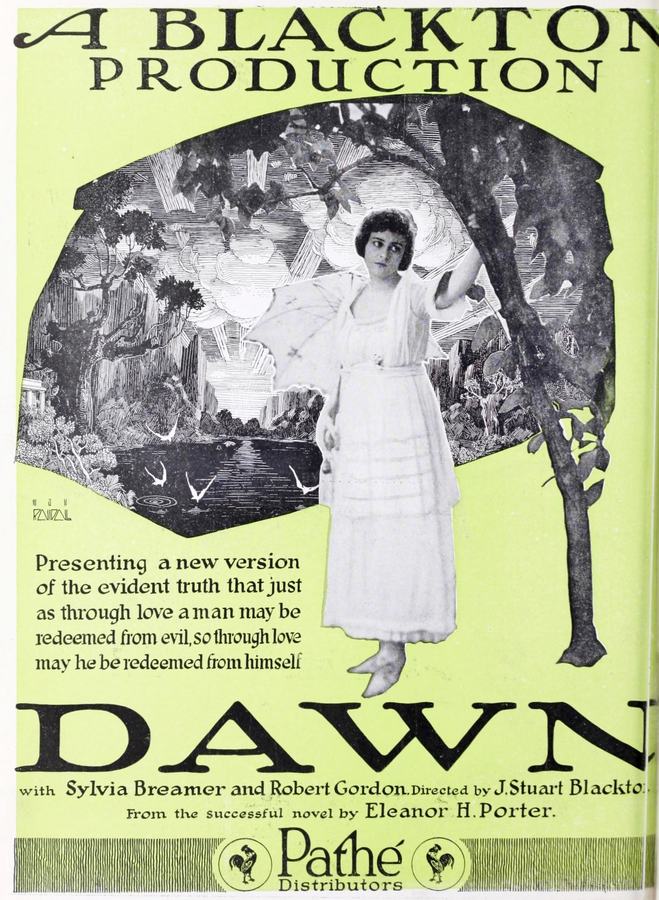
Stepping back into the hallowed halls of early cinema, one encounters J. Stuart Blackton’s 1917 production, 'Dawn', a film that, even a century later, retains a potent emotional grip. In an era where storytelling relied solely on visual artistry and the interpretive power of the audience, Blackton, alongside writers Eleanor H. Porter, Stanley Olmstead, and himself, crafted a narrative of profound human vulnerability and the intricate dance between love and perception. This isn't merely a tale; it's an exploration of identity, consequence, and the often-blurry lines between physical sight and true understanding. From its very premise, the film establishes a high-stakes emotional landscape, inviting viewers to ponder the very essence of what it means to 'see'—both literally and metaphorically.
At the heart of this poignant drama is Keith, portrayed with an arresting intensity by James A. Furey. Keith is an artist, a man whose very soul is inextricably linked to his vision, his capacity to translate the world's beauty onto canvas. The irony of his predicament is almost unbearable: the slow, inexorable march towards blindness, a direct consequence of a childhood accident—a fall from a tree—that now threatens to extinguish the light of his artistic life. Furey’s performance, devoid of spoken dialogue, communicates volumes through his nuanced expressions and body language. We witness his initial denial, the subtle tremors of fear, and eventually, the profound despair as the world around him dims. His hands, once deft with a paintbrush, now tremble with uncertainty, a silent testament to the encroaching darkness. This isn't just a physical affliction; it’s an existential crisis that threatens to strip him of his purpose, his passion, and his very definition of self. The film masterfully uses close-ups and subtle shifts in lighting to convey Keith's deteriorating vision, drawing the audience into his terrifying descent.
The screenplay, a collaborative effort by Eleanor H. Porter, Stanley Olmstead, and J. Stuart Blackton, constructs Keith not as a mere victim, but as a man grappling with his fate, torn between a desire for independence and the crushing weight of his impending disability. His artistic temperament amplifies the tragedy; imagine a musician losing their hearing, or a dancer their legs. The creative spirit, so reliant on sensory input, finds itself under siege. Furey’s portrayal captures this internal turmoil with remarkable sensitivity, allowing the audience to empathize deeply with his character's plight. There’s a quiet dignity in his suffering, even as he withdraws from the world, a proud man unwilling to be seen as an object of pity or, worse, disgust.
Opposite Keith stands Dorothy, portrayed by the captivating Sylvia Breamer. Dorothy is a wealthy heiress, accustomed to a life of privilege and perhaps, a certain degree of sheltered naiveté. Her character arc is, in many ways, the emotional fulcrum of the film. Early in their relationship, she had uttered a cruel, thoughtless remark, declaring blind people to be "disgusting." This casual prejudice, born perhaps of ignorance rather than malice, now hangs like a Damocles sword over their love. Keith, wounded and proud, refuses to see her, his impending blindness made doubly bitter by her past words. Breamer's performance beautifully conveys Dorothy's transformation from a somewhat superficial socialite to a woman consumed by guilt, remorse, and a fierce, desperate love. Her initial expressions of shock and disbelief gradually give way to a profound sense of responsibility and an urgent need for atonement.
The film excels at depicting the social mores of the time, where disabilities were often viewed with a mixture of pity and discomfort, sometimes even outright revulsion. Dorothy’s initial prejudice, while harsh, was likely not uncommon. However, her journey is one of awakening, forced upon her by the tragic circumstances befalling the man she loves. Her wealth, once a symbol of her comfortable remove from the world's harsher realities, now becomes a tool for salvation. She leverages her connections, specifically her father, a renowned eye surgeon, to find a potential cure for Keith. This shift in her character, from superficiality to proactive compassion, is central to the film's moral core. Breamer's portrayal ensures that Dorothy's desperation feels genuine, not merely a plot device. Her tearful pleas, her anxious pacing, and her unwavering resolve are all rendered with a raw honesty that transcends the limitations of silent film.
The narrative builds considerable tension around the proposed operation. Dorothy's father, played by the venerable Harry Davenport, represents the hope of medical science against the encroaching darkness. Davenport, with his gravitas and paternal authority, lends credibility to the high-stakes procedure. The prospect of regaining sight, a miracle in itself, is fraught with peril. The film, through its visual language, conveys the immense pressure on all involved. The sterile environment of the operating room, the hushed anticipation of the family and medical staff, all contribute to a palpable sense of unease. This isn't a simple medical procedure; it's a last-ditch effort to reclaim a life, a love, and a future. The writers masterfully delay the revelation of the operation's outcome, keeping the audience on tenterhooks.
And then, as the plot synopsis ominously states, "things don't go as planned." This narrative twist is where 'Dawn' truly distinguishes itself from a straightforward melodrama. It refuses to offer easy answers or convenient resolutions. The complications that arise are not merely external obstacles but serve to deepen the emotional and moral quandaries facing the characters. This unexpected turn forces both Keith and Dorothy to confront their deepest fears and re-evaluate their understanding of love, sacrifice, and what truly constitutes a fulfilling life. The film's power lies in its refusal to shy away from the harsh realities of life and the unpredictable nature of fate. It’s a testament to the sophistication of early cinematic storytelling that such complex themes could be conveyed without a single spoken word, relying instead on visual cues, character reactions, and the inherent dramatic weight of the situation.
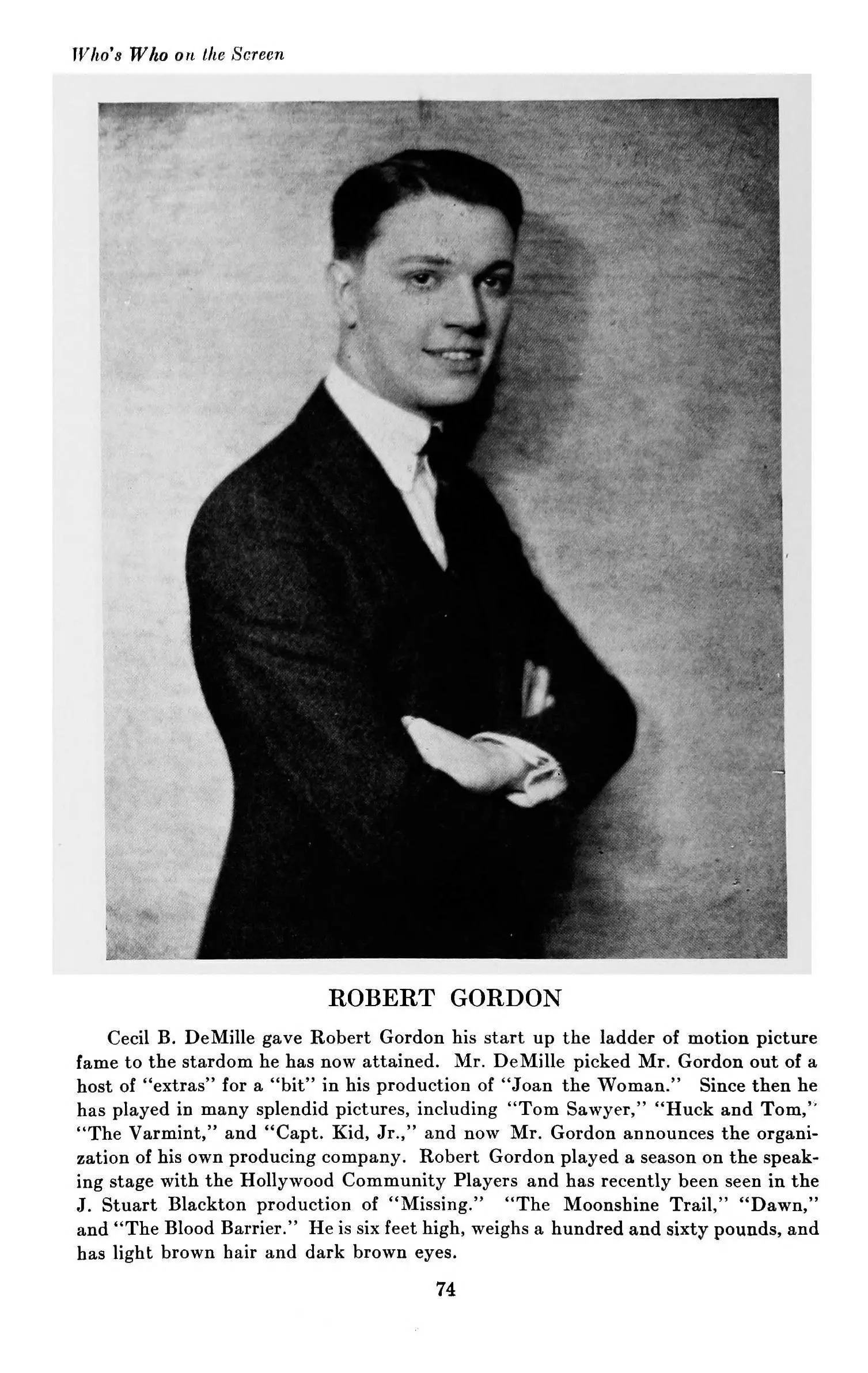
Beyond the central duo, the supporting cast contributes significantly to the film's rich tapestry. Gladys Valerie, Flora Finch, Robert Gordon, George Pauncefort, Fanny Rice, Eddie Dunn, Margaret Barry, Gus Alexander, Robert Milasch, and George Bunny, though perhaps with less screen time, each add texture and depth to the world of 'Dawn'. Their reactions, their silent gestures, and their presence in various scenes help to ground the extraordinary drama in a believable reality. Silent film acting demanded a unique skill set—the ability to project emotion, intent, and character through exaggerated yet controlled physicality and facial expressions. The cast of 'Dawn' demonstrates this prowess admirably.
J. Stuart Blackton, a pioneer of American cinema, directs with a keen eye for visual storytelling. His use of light and shadow, prevalent in the silent era, is particularly effective here, mirroring Keith's literal descent into darkness and the metaphorical shadows hanging over Dorothy. The cinematography, while basic by today's standards, is effective in conveying mood and advancing the plot. The framing of shots, the use of intertitles to provide crucial narrative information or character thoughts, and the pacing of scenes all contribute to a cohesive and emotionally resonant experience. Blackton's direction ensures that even without dialogue, the audience never loses sight of the characters' internal struggles or the narrative's progression. One might draw a thematic parallel to other silent dramas of the era that explored profound personal struggles, such as the intense emotional journey in The Closed Road, which, while perhaps different in plot, shared a similar commitment to conveying deep human angst through visual narrative.
What truly elevates 'Dawn' beyond a simple dramatic narrative is its profound thematic depth. The film interrogates the very meaning of sight. Is it merely the ability to perceive light and form, or does true vision encompass empathy, understanding, and the capacity to see beyond superficial appearances? Keith's physical blindness forces Dorothy to 'see' him differently, not as a broken man, but as the enduring spirit she loves. Conversely, Dorothy's journey forces her to confront her own moral blindness, her earlier prejudice, and to develop a deeper, more compassionate understanding of humanity. The film suggests that while physical sight can be lost, true vision—the ability to love unconditionally and to act with integrity—can be gained or strengthened through adversity.
The themes of sacrifice and redemption are also woven throughout the narrative. Dorothy's desperate efforts to save Keith's sight are a form of penance for her past insensitivity. Her willingness to go to great lengths, to invest her resources and emotional energy, speaks to a profound shift in her character. The film, in its quiet power, asks us to consider what we would be willing to sacrifice for those we love, and how our past mistakes can shape our present actions and future selves. It's a testament to the enduring power of stories that explore the human condition with such unflinching honesty. Even compared to the grand historical narratives of its time, such as Cleopatra (1917), which captivated audiences with spectacle, 'Dawn' finds its strength in the intimate, internal drama of its characters.
As a silent film, 'Dawn' stands as a compelling example of the artistic sophistication that characterized early cinema. It's a reminder that compelling narratives and deeply felt emotions do not require spoken dialogue to resonate deeply with an audience. The film, through its masterful use of visual storytelling, powerful performances, and a thematically rich script, manages to explore complex human experiences with remarkable clarity and emotional force. It asks enduring questions about perception, empathy, and the resilience of the human spirit in the face of profound adversity.
For modern viewers, watching 'Dawn' is not just an exercise in historical appreciation; it's an opportunity to connect with a timeless story about love, loss, and the arduous journey towards understanding. The film’s nuanced portrayal of disability, its exploration of personal growth, and its refusal to offer simplistic resolutions ensure its continued relevance. It reminds us that sometimes, the greatest clarity comes not from what we see with our eyes, but what we perceive with our hearts. The "things don't go as planned" twist, far from being a defeat, becomes the very crucible in which true character is forged, leading to a deeper, more profound form of 'dawn' for its protagonists. This film, like a rare gem, deserves to be rediscovered and appreciated for its enduring artistry and its poignant message.
In an era where films like The Spy offered thrills and intrigue, and The Governor's Boss delved into political machinations, 'Dawn' carved its niche by focusing on the intimate, internal struggles of its characters. Its enduring appeal lies in its universal themes, presented with a sensitivity and dramatic flair that transcends the technological limitations of its time. It’s a testament to the power of pure cinematic expression, proving that a story well-told, regardless of its medium, can touch the deepest chords of the human experience. The film remains a powerful exploration of the human spirit's capacity for adaptation, forgiveness, and finding light even when the world around turns dark.
IMDb —
1918
Community
Log in to comment.