DbcultAccessing Vault...
Cult Review
Senior Film Conservator
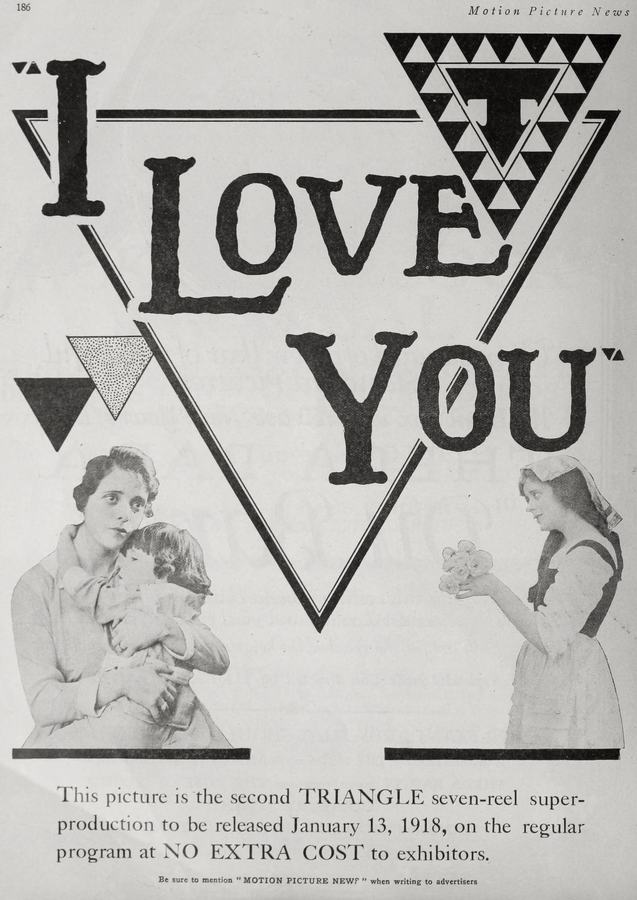
In an era defined by grand gestures and unbridled emotion, the 1918 cinematic offering, 'I Love You', emerges as a potent exemplar of silent melodrama, a tale spun from the threads of beauty, artistic obsession, and ultimately, a love so profound it demands the most harrowing of sacrifices. Penned by the insightful Catherine Carr, this film plunges into the tumultuous currents of human desire, betrayal, and redemption, painting a vivid portrait of a woman's journey through an unforgiving world. It's a narrative that, even a century later, retains its power to captivate, drawing viewers into a vortex of passion and peril, anchored by performances that speak volumes without uttering a single word.
At the heart of this poignant drama is Felice, portrayed with luminous intensity by the incomparable Alma Rubens. Rubens, a true star of the silent screen, imbues Felice with a captivating blend of innocence and an innate, almost elemental, allure. The villagers' epithet, "Passion Flower," is not merely a poetic flourish; it encapsulates her very essence – a beauty so striking it becomes both a blessing and a curse. Her initial encounter with Jules Mardon, the French artist, feels less like a chance meeting and more like an inevitable collision with destiny. Mardon, played by Francis McDonald, is the archetypal artistic predator, his gaze not merely appreciating beauty but seeking to possess it, to capture it for his own glorification. Rubens masterfully conveys Felice's burgeoning affection, a love born of naive admiration and the intoxicating attention of a sophisticated outsider, only to have it cruelly dashed against the rocks of Mardon's self-serving ambition. Her heartbreak is palpable, a silent scream etched across her expressive features, a testament to Rubens's profound ability to communicate complex emotions without dialogue. Felice's journey from a carefree peasant girl to a woman scarred by betrayal, yet resilient in her capacity for love, forms the emotional backbone of the entire narrative.
Jules Mardon's betrayal is not merely a personal slight; it is an act of artistic commodification. He paints Felice, wins her love, then abandons her, carrying only her painted likeness back to the salons of Paris. This painting, a silent testament to a stolen heart, earns him wealth and renown, detaching the art from its human cost. It's a stark commentary on the transactional nature of fame and the often-unseen suffering that underpins artistic triumph. The narrative then introduces Armand de Gautier, a millionaire art collector portrayed by Frederick Vroom. Vroom brings a dignified gravitas to Armand, whose initial fascination is not with Felice herself, but with her idealized image. He falls in love with the *idea* of Felice, as captured by Mardon's brush. This conceit is central to the film's exploration of art versus reality. Armand's quest to find the model, and his subsequent marriage to her, represents the triumph of the tangible over the abstract, or so it seems. However, the shadow of the painting, and the artist who created it, looms large over their newfound happiness, a subtle but persistent reminder of past wounds and unresolved tensions. This plot device, where an inanimate object holds such sway over human destinies, is a hallmark of classic melodrama, effectively used here to propel the story forward into its tragic second act.
Years pass, and Felice and Armand's life together, blessed by a child (played by Peaches Jackson, adding a touch of innocent vulnerability), appears idyllic. The past, it seems, has been buried under layers of domestic contentment. Yet, the screenwriters, particularly Catherine Carr, understand the dramatic necessity of a cataclysmic return. Armand's decision to commission Jules Mardon to paint his wife and son is a masterstroke of dramatic irony. It is a decision born of innocent pride and a desire to immortalize his family, yet it unwittingly reintroduces the serpent into his Eden. Francis McDonald, in his reprise as Mardon, excels in conveying the artist's unrepentant predatory nature. He sees not Armand's wife, but his former muse, a conquest to be reclaimed. His renewed attempts at seduction are not just a challenge to Felice's fidelity but a direct assault on the sanctity of her new life. The tension builds with exquisite slowness, the audience acutely aware of the danger lurking beneath the surface of polite society. This segment of the film deftly handles the complex emotional landscape of temptation, loyalty, and the lingering scars of past relationships. The supporting cast, including Lillian Langdon and Wheeler Oakman, likely provided nuanced portrayals that further enriched the social fabric of this dramatic setting, even if their specific roles are not detailed in the plot summary. John Lince's contributions too, would have added to the texture of the film's world.
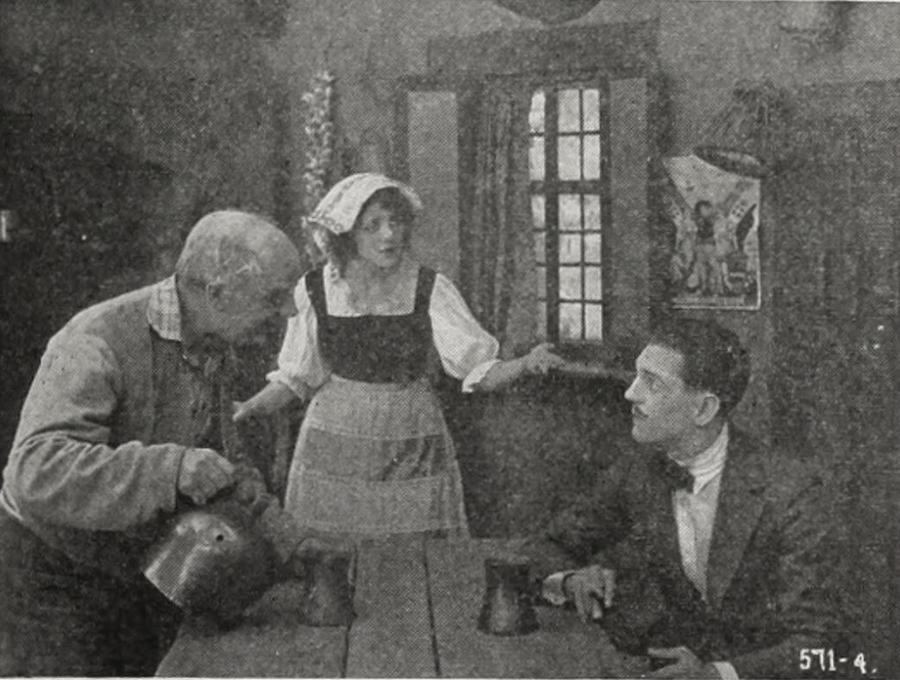
The climax of 'I Love You' is a breathtaking, almost operatic, sequence of tragic misunderstanding and unparalleled sacrifice. As plague sweeps through the region, Felice's child falls gravely ill. In a cruel twist of fate, Armand, witnessing Felice's despair and Mardon's renewed proximity, misinterprets her actions. He believes she has abandoned their plague-stricken son to rekindle her affair, a devastating blow to his idealized vision of her. This moment of profound misjudgment, a common yet effective trope in silent cinema, ratchets up the emotional stakes to an unbearable degree. Felice, stripped of her husband's trust and facing the imminent loss of her child, makes a choice that transcends mere survival. Her act of kissing her infected son is not merely a gesture of maternal love; it is a deliberate, calculated embrace of death, a willingness to carry the contagion as a weapon. Then, armed with this deadly inoculum, she seeks out Jules Mardon. The subsequent kiss, delivered with a chilling blend of desperation and resolve, is perhaps one of the most audacious acts of vengeance and self-preservation ever depicted on screen. It is a sacrifice not just of her life, but of her very purity, a descent into the morally ambiguous depths to reclaim her honor. This moment resonates with the kind of stark, unyielding moral dilemmas found in films like The Rose of Blood or The Strange Woman, where female protagonists are pushed to extremes by societal pressures or personal betrayals. The miraculous survival of Felice and her son, and her eventual reunion with a repentant Armand, offers a cathartic, if bittersweet, resolution. It suggests that true love, once tested by fire and pestilence, can emerge stronger, purged of doubt and misunderstanding.
Catherine Carr's screenplay for 'I Love You' is a masterclass in weaving together complex themes. The central motif of art versus reality is explored with considerable depth. Mardon's painting of Felice is both a beautiful creation and a symbol of his exploitation. It becomes a catalyst for both love and tragedy, demonstrating how an idealized image can overshadow the complex truth of a person. Armand's initial love for the painting, rather than the woman, highlights the dangers of superficial attraction, a theme explored in other period dramas where appearances often deceive. The film also delves into the multifaceted nature of love: the fleeting, selfish passion of Mardon; the idealized, almost worshipful love of Armand; and the profound, self-sacrificing maternal and marital love of Felice. Her final act, while morally ambiguous in its means, is undeniably driven by a fierce, protective love for her child and a desperate need to preserve her family's future. This moral tightrope walk, where a seemingly transgressive act leads to ultimate redemption, is a fascinating aspect of the narrative, reminiscent of the intricate moral quandaries found in films like Grekh (Sin), where characters grapple with the profound consequences of their choices. The film challenges conventional notions of good and evil, portraying a world where intentions and outcomes are rarely straightforward. The interplay of fate and human agency is another compelling thread. Are these characters merely pawns of destiny, or do their choices, however desperate, truly shape their paths? The film posits that while external forces may set the stage, it is the strength of the human spirit, particularly Felice's, that ultimately dictates the final act.
As a product of the silent era, 'I Love You' relies heavily on visual storytelling, exaggerated expressions, and the power of suggestion. The performances, particularly Alma Rubens's, would have been amplified by live musical accompaniment and the audience's active participation in interpreting the emotional nuances. The film's ability to convey such intense drama without spoken dialogue is a testament to the artistry of its creators. The use of close-ups, body language, and intertitles would have been crucial in communicating the intricate plot points and the characters' inner turmoil. The emotional weight of Felice's choices, the villainy of Mardon, and the anguish of Armand are all conveyed through a lexicon of gesture and gaze that has largely been lost in modern cinema. This film, like many of its contemporaries such as The Pulse of Life or The Kingdom of Youth, serves as a vital historical document, offering a window into the narrative sensibilities and moral landscapes of early 20th-century audiences. It reminds us of a time when cinematic storytelling was still finding its voice, yet already capable of producing narratives of profound emotional impact and complex moral inquiry. The film’s longevity, even if only appreciated by enthusiasts and scholars today, speaks volumes about its inherent dramatic strength and the timeless appeal of its central themes.
In conclusion, 'I Love You' stands as a compelling example of silent era filmmaking, a melodrama that transcends its period trappings through the sheer force of its narrative and the unforgettable performance of Alma Rubens. It is a story that explores the intoxicating power of beauty, the destructive nature of selfish ambition, and the extraordinary lengths to which a mother's love will go to protect her own. Catherine Carr's vision, brought to life by a talented cast including Francis McDonald, Frederick Vroom, Lillian Langdon, Wheeler Oakman, Peaches Jackson, and John Lince, delivers a narrative that is both grand in its scope and intimate in its emotional resonance. The film's exploration of art's duality, love's trials, and the redemptive power of sacrifice ensures its place as a significant, albeit perhaps lesser-known, gem in the annals of cinematic history. It's a reminder that true affection, even when tested by the most dire circumstances, possesses an unyielding spirit capable of overcoming even pestilence and betrayal to find its way back to reconciliation and peace.
IMDb 7.5
1919
Community
Log in to comment.