DbcultAccessing Vault...
Cult Review
Senior Film Conservator
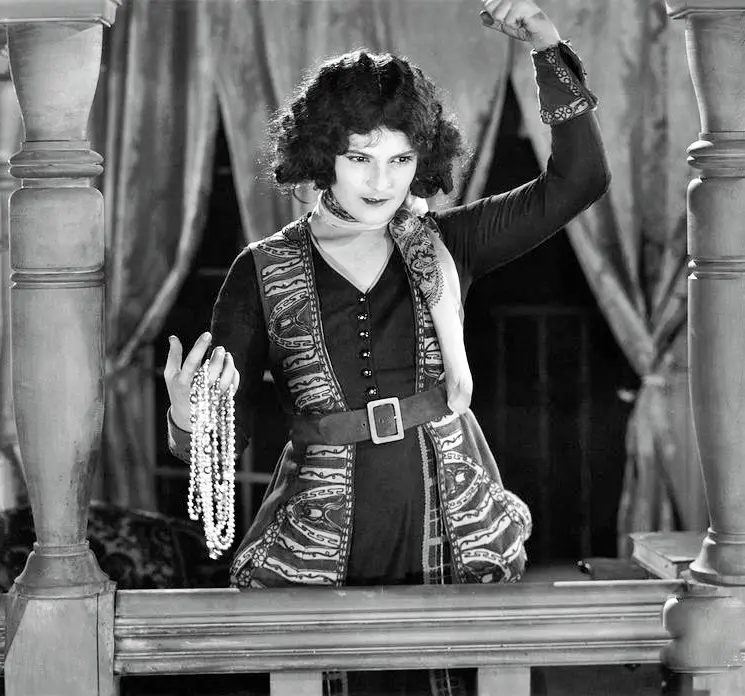
Set amidst the shadowed, war-torn streets of Vienna, The Crimson Runner presents a tale as intricate as it is captivating. The film opens in the desolate aftermath of conflict, where the once-respected Professor Schreber and his daughter Bianca find themselves ensnared in poverty. Their fortunes take a dramatic turn when the janitor of their apartment building, Gregory, assaults Bianca. In a moment of desperation and righteous indignation, Schreber sets fire to the building, sacrificing himself to protect Bianca's honor. The flames consume the structure, and Schreber’s body is found inside, while Bianca survives.
From that harrowing night, Bianca transforms into the Crimson Runner, a mysterious and captivating figure leading a band of daring thieves. She robs the rich and powerful, striking fear into the hearts of the privileged, each heist more daring than the last. Her path crosses with Count Meinhard, a nobleman with a chivalrous heart who shields Bianca from the law when she takes refuge in his apartment. A captivating romance blossoms between them, a relationship that is as complex and enigmatic as the criminal underworld she inhabits.
But the tale of The Crimson Runner is not just one of love and crime. It delves into the intricate web of revenge and redemption. Gregory, the janitor, emerges from the shadows to reclaim his position as the chief of police under a new identity. This twist of fate sets the stage for a confrontational climax where Gregory and Bianca’s paths collide once more. The film’s narrative is a masterful blend of action and romance, with each scene meticulously crafted to heighten the tension and evoke a range of emotions.
Alan Hale, Mitchell Lewis, and Arthur Millett bring depth and nuance to their roles, making the characters relatable and multidimensional. The supporting cast, including Ilsa De Lindt and Taylor Holmes, adds layers to the story, contributing to the intricate tapestry of characters and events. The script by Harvey Gates is a testament to the screenplay’s rich dialogue and compelling plot, which keeps the audience engaged throughout the film.
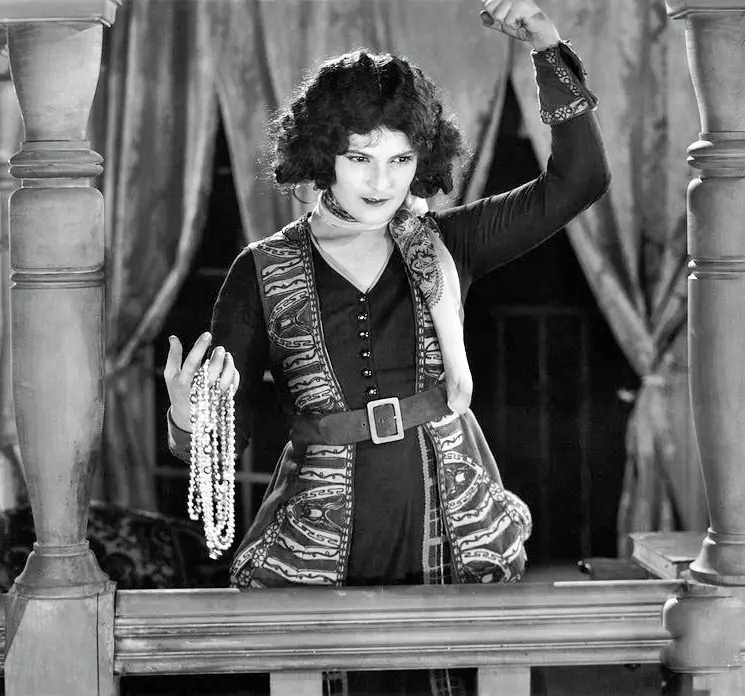
The film's visual style is a striking blend of grandeur and grit. The cinematography captures the atmospheric beauty of Vienna’s post-war landscapes, from the smoldering ruins of the city to the opulent halls of nobility. The use of color, particularly the deep reds and dark grays, effectively conveys the film’s themes of passion and powerlessness. The score, though not explicitly mentioned, likely complements the mood, enhancing the emotional impact of each scene.
One might draw parallels between the themes of The Crimson Runner and films such as No Parking, which also explores the dynamics of criminal enterprises and social injustice. The narrative echoes the gritty realism of No Parking, albeit with a more romantic twist. The film’s blend of action and romance is reminiscent of Le marchand de plaisirs, another film that navigates the complexities of personal and societal conflict.
While the film's narrative is compelling, it is not without its flaws. The script occasionally feels weighed down by its own intricacies, and some of the character arcs may feel slightly underdeveloped. However, these elements do not detract from the overall impact of the story. The film’s strengths lie in its ability to weave together a complex web of emotions and actions, creating a narrative that is both thrilling and emotionally resonant.
For viewers seeking a film that balances romance and crime, The Crimson Runner is a must-see. Its rich storytelling and atmospheric setting make it a standout entry in the genre of period dramas. While comparisons to films like No Parking and Le marchand de plaisirs are apt, the film stands on its own as a unique and captivating piece of cinema. Its blend of romance, crime, and social commentary makes it a film that resonates deeply, inviting viewers to ponder the nature of justice, honor, and the human condition.

IMDb —
1919
Community
Log in to comment.