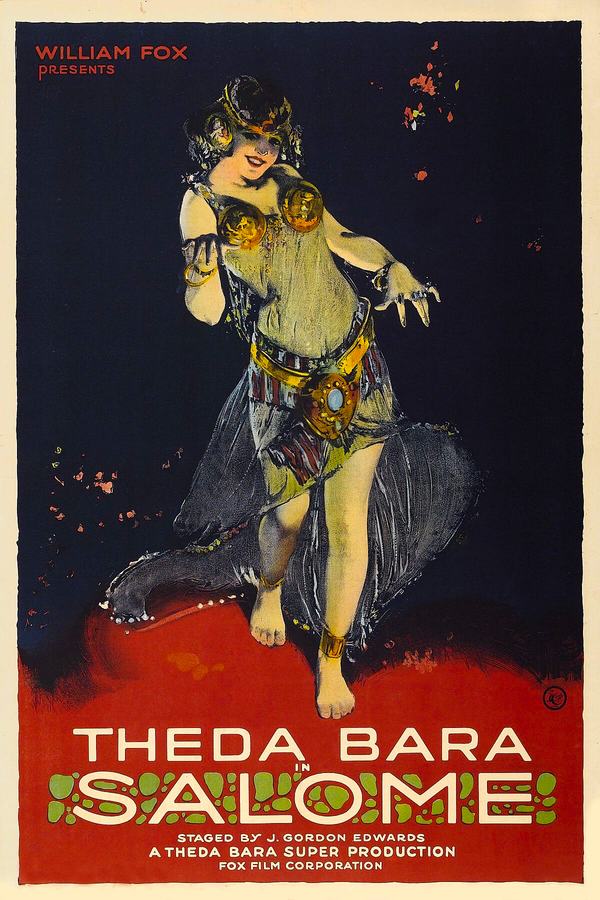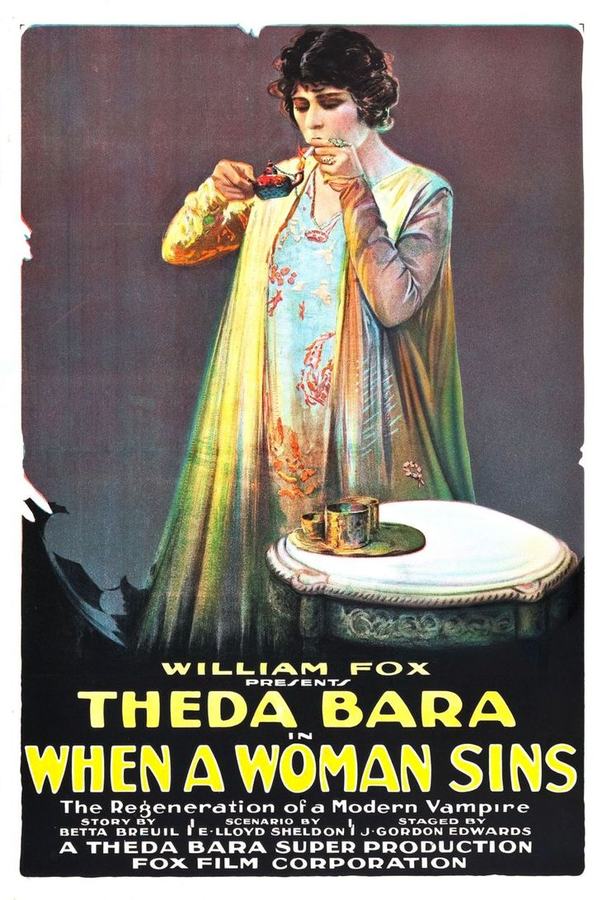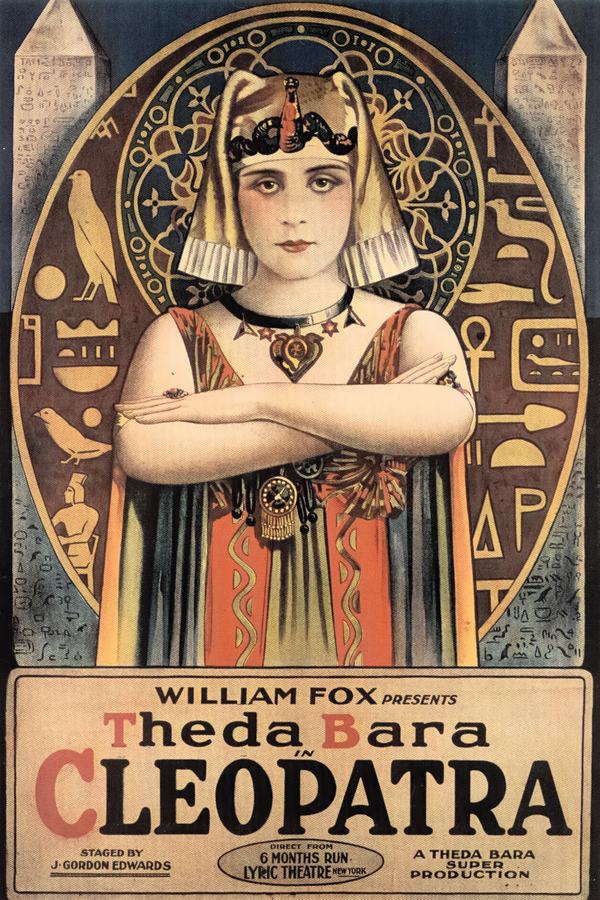
The story of Cleopatra, the fabulous queen of Egypt, and the epic romances between her and the greatest men of Rome, Julius Caesar and Antony..
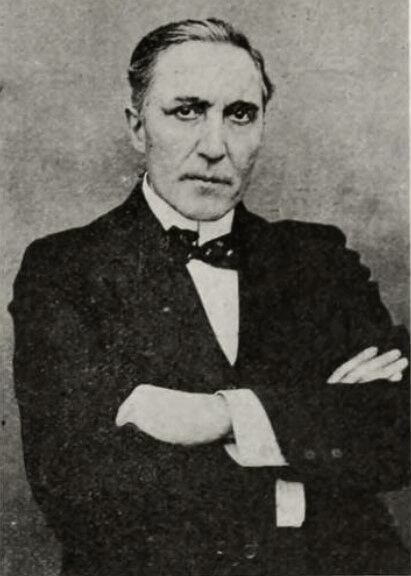
Adrian Johnson, Victorien Sardou, Émile Moreau, H. Rider Haggard
United States
Step back in time, all you connoisseurs of classic cinema and aficionados of forgotten epics, to an era when the silver screen was still finding its voice, yet spoke volumes through gesture, expression, and sheer visual audacity. Today, we’re unearthing the spectral grandeur of a film that, in its prime, ...
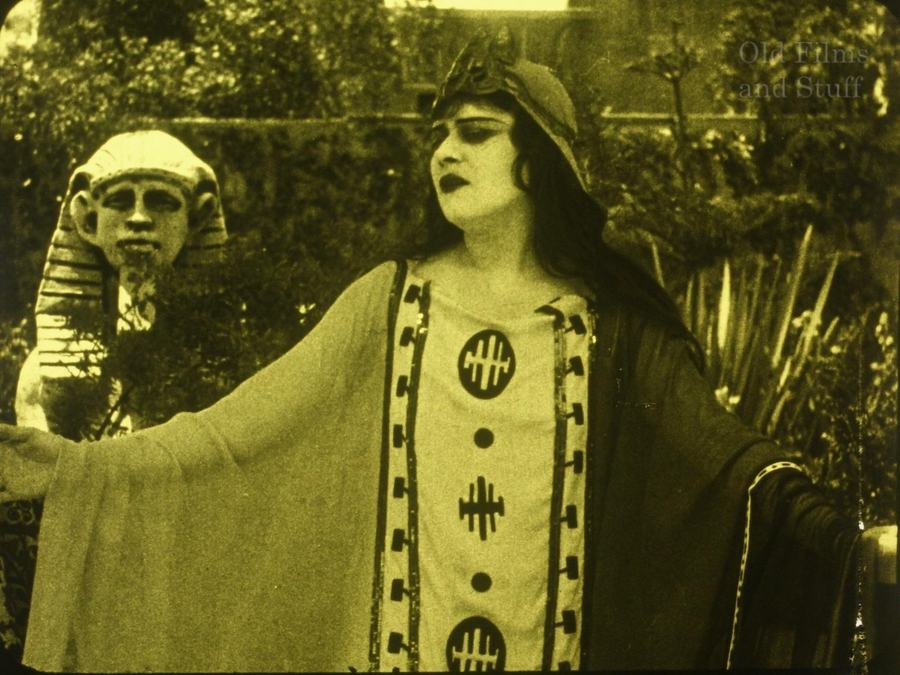
still_frame
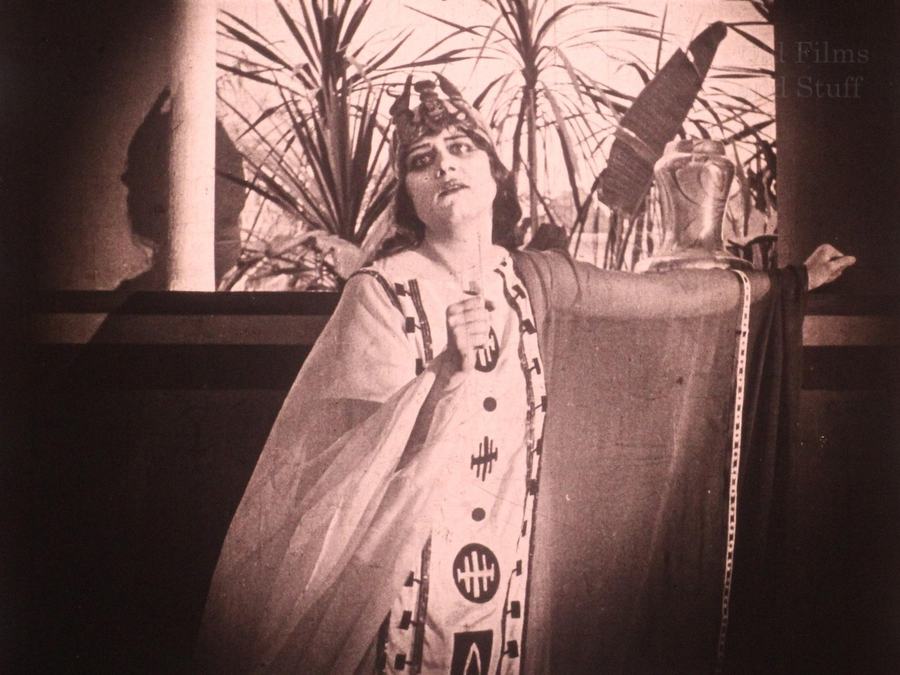
still_frame
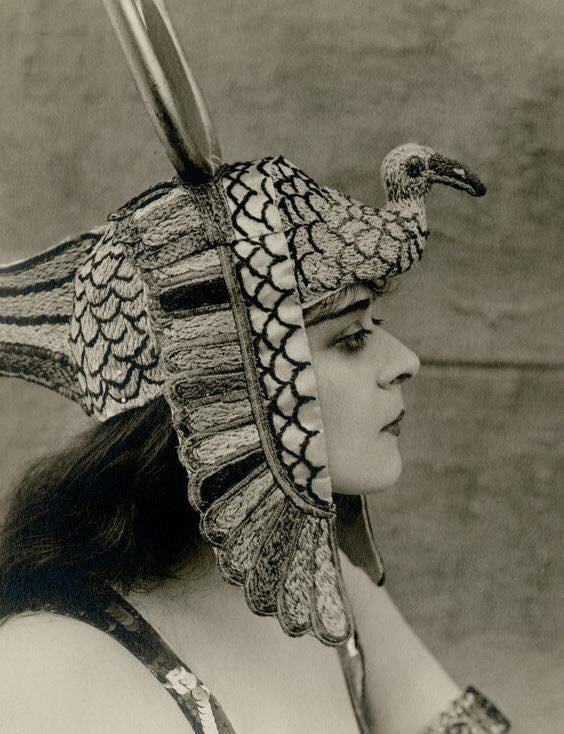
still_frame
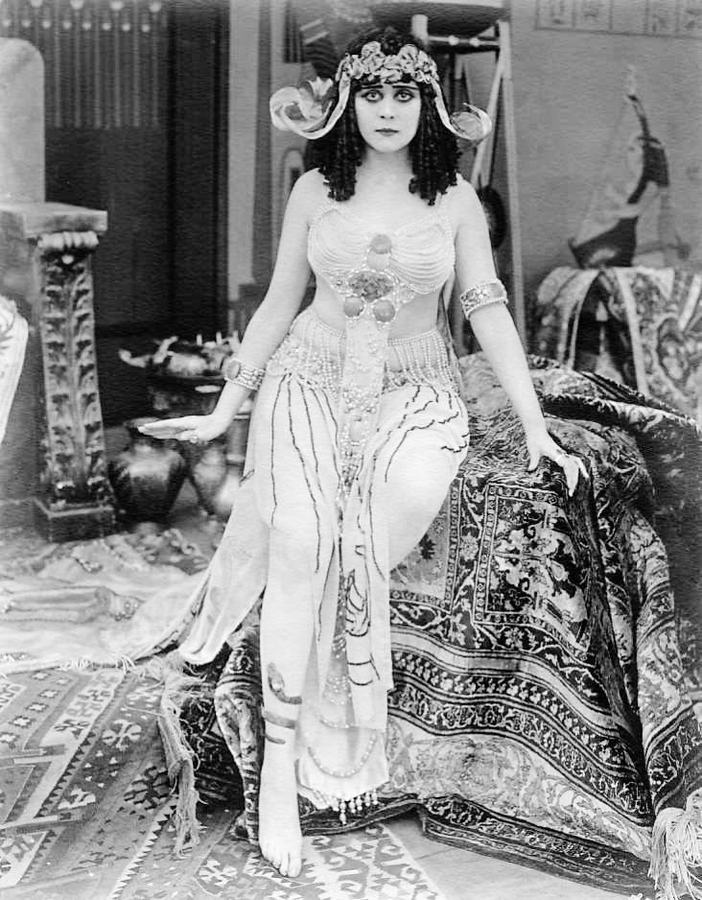
production_art
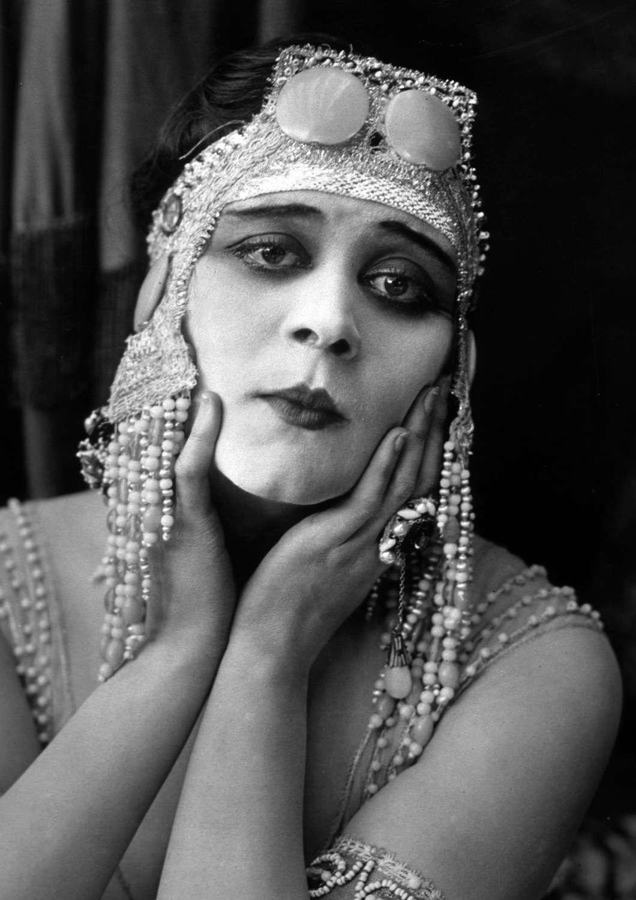
publicity
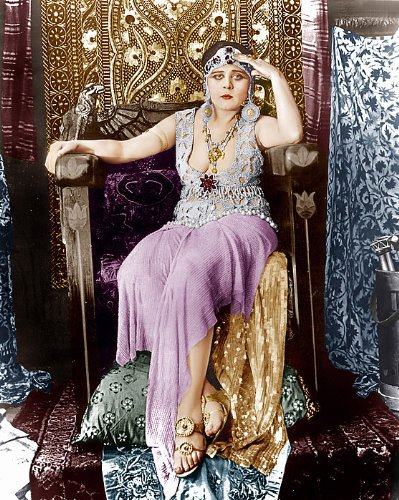
publicity
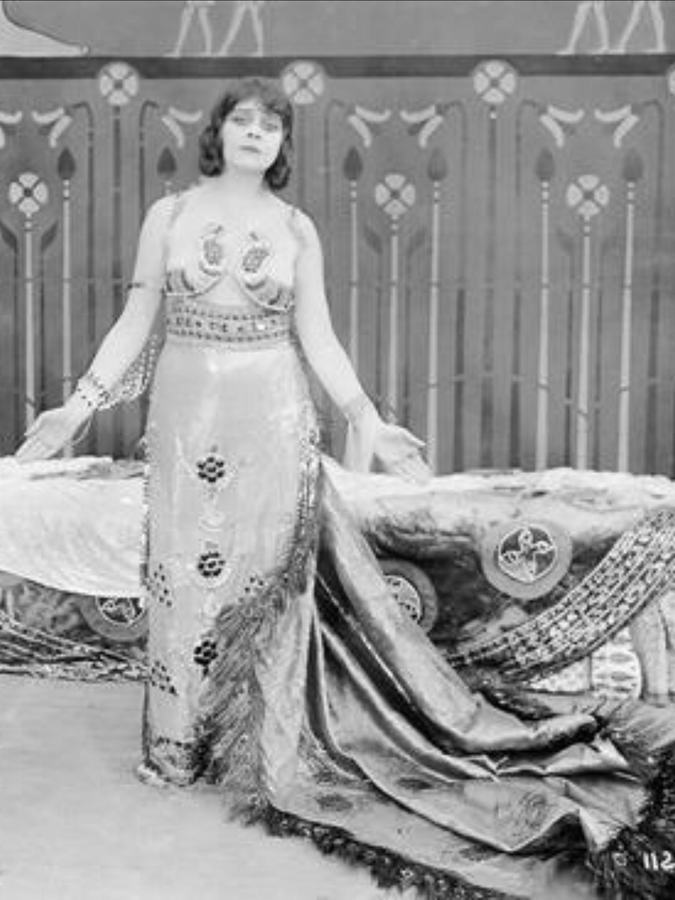
still_frame
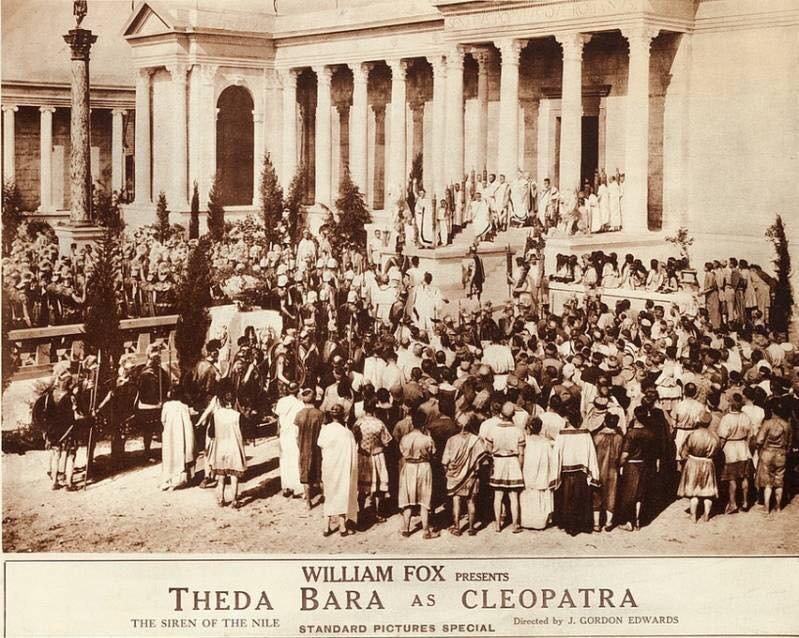
production_art
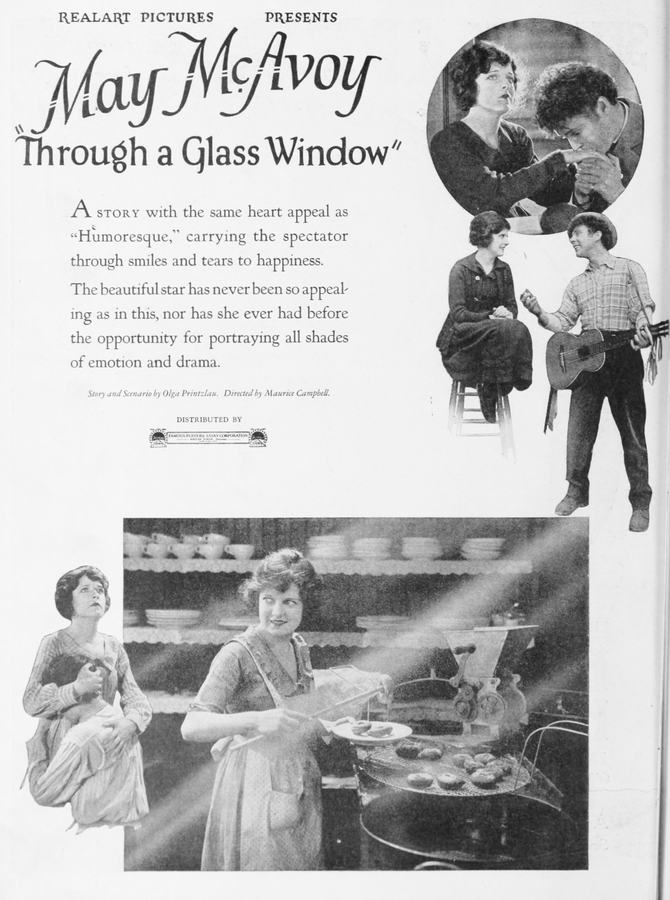
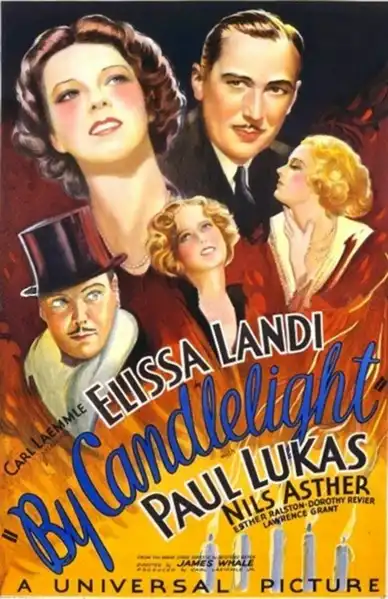
Comparing the cinematic DNA and archive impact of two defining moments in cult history.
J. Gordon Edwards
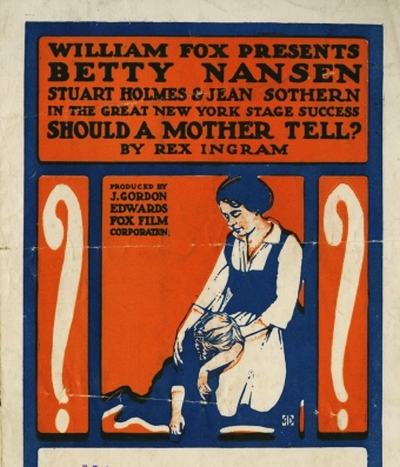
J. Gordon Edwards
Community
Log in to comment.
" Step back in time, all you connoisseurs of classic cinema and aficionados of forgotten epics, to an era when the silver screen was still finding its voice, yet spoke volumes through gesture, expression, and sheer visual audacity. Today, we’re unearthing the spectral grandeur of a film that, in its prime, set box offices ablaze and cemented the legend of its star, only to vanish almost entirely into the mists of time: J. Gordon Edwards’ 1917 rendition of Cleopatra. This isn't just a..."