DbcultAccessing Vault...
Cult Review
Senior Film Conservator
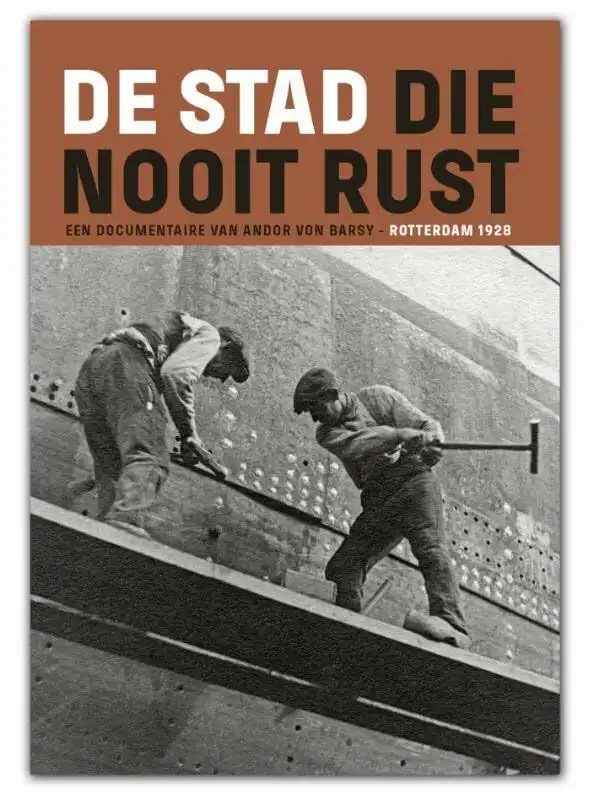
Okay, if you're into old silent films that really lean into atmosphere over a tight plot, De stad, die nooit rust might just be your thing. It’s a trip back to a specific kind of urban energy, a bit grainy, a bit raw. But if you need crisp dialogue or a story with big twists, honestly, just skip it. This one is for the patient, the curious, the folks who appreciate a certain *vibe* more than anything else.
Right from the start, the city itself feels like the main character. You get these sweeping shots of streets, people rushing, cars, and what look like early trams all moving in a kind of chaotic ballet. It’s less about individuals and more about the collective churn. 🏙️
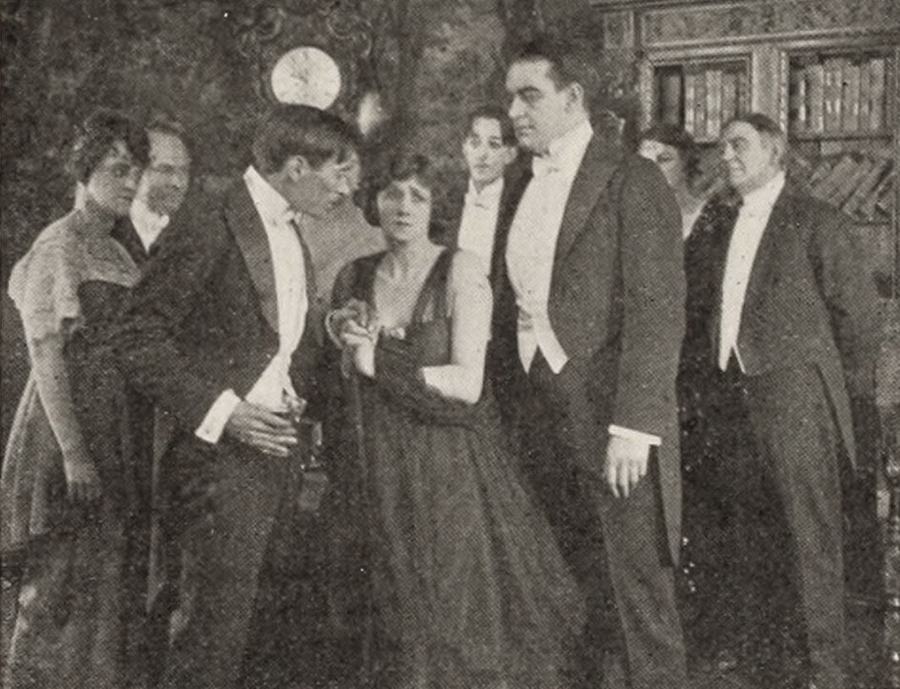
Friedrich von Maydell, our protagonist, appears early on, looking a bit lost, then determined. He's got this quiet intensity, often just observing the world around him. His face, it tells a lot, even without intertitles sometimes spelling it all out for you. He carries the weight of the city, almost.
There's this one sequence, it must be five minutes long, of just a streetcar rumbling past. Not even a particularly interesting streetcar, just *a* streetcar. It goes on about 20 seconds too long, and the silence, punctuated by the imagined clang, starts to feel awkward rather than emotional. You can almost feel the movie trying to convince you this moment matters, though I’m not sure why.
But then, they cut to Maydell in a small, crowded café. The steam rising off coffee cups, the way people hunch over their newspapers. It’s such a stark contrast to the outside bustle. You really get a sense of little pockets of calm in the storm. One extra, in the background, just keeps sipping his drink, staring into space. ☕️
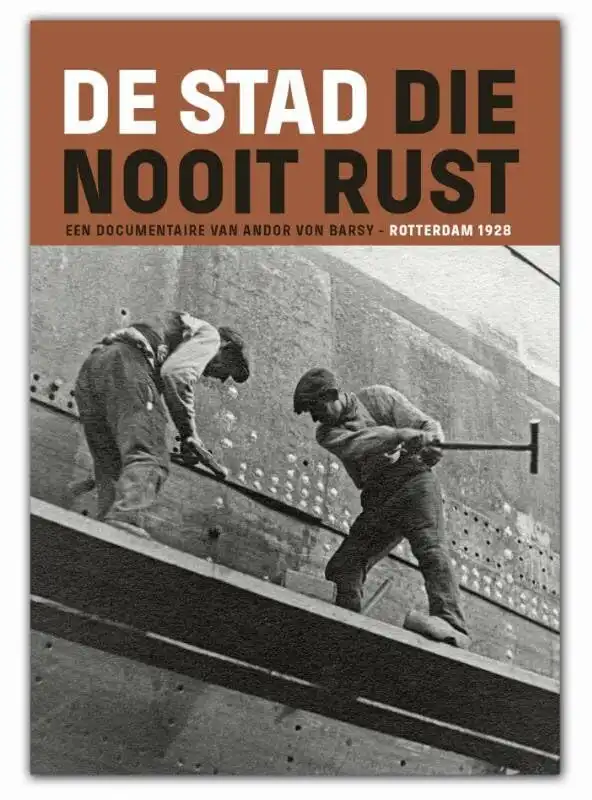
The pacing is… well, it's *loose*. Sometimes a scene rushes by with quick cuts, showing the frantic energy of a market. Other times, it just sits, like that streetcar. It’s not always graceful, but it certainly feels organic to the city's rhythm. Like someone just pointed the camera and let it roll, capturing life as it was.
Maydell’s character, I think he’s supposed to represent a kind of everyman. He tries to sell something, maybe, or finds a job. It’s vague. But his constant adjustments of his hat, or the way he nervously smooths his lapel, those little gestures speak volumes about his anxiety. You really pick up on those tiny habits.
There's a strange edit near the film’s halfway point, a jump cut from a busy port scene straight to Maydell alone on a rooftop at night. No real transition. It’s a bit jarring, but it also creates this sudden sense of solitude. Like the city just swallowed everyone else, leaving him exposed to the vastness. It's a powerful moment, almost accidental in its impact.
And the crowd scenes, they have this oddly empty feeling sometimes, even when there are lots of people. Like half the extras wandered off, or they weren't sure what to do. It’s these little imperfections, you know? They give the film a very human, almost documentary-like charm. It’s not polished, and that's *its* strength.
This isn't a film you *watch* for answers. It's more of an experience, a snapshot. It lingers on faces, on shadows, on the sheer relentless motion of a city that truly never sleeps. Imperfect? Absolutely. But it’s also undeniably captivating, especially if you let yourself sink into its peculiar, old-world flow. Worth it for the atmosphere alone, if that's what you're after. ✨
IMDb —
1916
Community
Log in to comment.