DbcultAccessing Vault...
6/10
Senior Film Conservator

A definitive 6/10 rating for a film that redefined the boundaries of cult cinema. The Crab remains a cornerstone of transgressive art.
The flickering shadows of early cinema often reveal narratives of surprising depth, stories that, despite the technological limitations of their era, resonate with a profound emotionality. C. Gardner Sullivan's 'The Crab' (1917) stands as a testament to this enduring power, a poignant exploration of human recalcitrance and the unlikely catalysts for profound personal transformation. It is a film that, even a century later, speaks volumes about the human condition, the corrosive nature of isolation, and the redemptive potential found in the most unexpected of connections. To dismiss it as merely a relic of a bygone cinematic age would be to overlook a richly textured drama that uses its silent medium to masterful effect, communicating volumes through gesture, expression, and the stark visual poetry of its frames. The narrative, deceptively simple on its surface, unfolds with a psychological complexity that belies its early origins.
At its core, 'The Crab' is a character study, a deep dive into the psyche of Foster Borrum, portrayed with formidable intensity by Ernest Butterworth. Borrum is not merely wealthy; he is the very embodiment of Norwalk's economic might, his empire built upon a foundation of relentless acquisition and an almost pathological aversion to sentimentality. The villagers, caught in the thrall of his industrial dominion, regard him not with admiration but with a palpable sense of trepidation, a blend of fear and thinly veiled resentment. Butterworth's portrayal of Borrum is a masterclass in silent acting, conveying a man whose very posture radiates an unyielding sternness, his gaze a piercing testament to a life forged in the crucible of self-interest. His initial characterization is one of stark, almost monolithic, unapproachability – a human fortress against the world.

The tragedy that befalls Borrum – the death of his beloved wife – serves as the narrative's pivotal turning point, a catalyst that plunges an already embittered soul into an even deeper chasm of despair. This loss, the removal of his singular softening influence, strips away the last vestiges of his humanity, leaving behind a man consumed by an almost universal hatred. His isolation becomes absolute, a self-imposed exile from the very community he controls. The film artfully uses this period of intense grief to underscore the profound emptiness that even immense wealth cannot fill, highlighting the fragility of human connection and the devastating void left by its absence. Butterworth's silent suffering is conveyed with a raw, visceral intensity, making Borrum's subsequent actions understandable, if not forgivable.
Into this bleak tableau steps Ivy Marten, a young orphan portrayed by Thelma Salter, her arrival in Norwalk a stroke of fate, or perhaps serendipity. Ivy, alone in the world, tagged for a destination that proves elusive, represents innocence personified, a stark contrast to Borrum's hardened cynicism. The poverty-stricken villagers, unable to offer her a home, highlight the societal challenges of the era, where the most vulnerable were often left to fend for themselves. Borrum's decision to take her in is initially shrouded in ambiguity; is it an act of grudging charity, a cynical experiment, or a subconscious yearning for something he cannot articulate? This ambiguity enriches the early dynamic between the two characters, setting the stage for a compelling emotional journey.
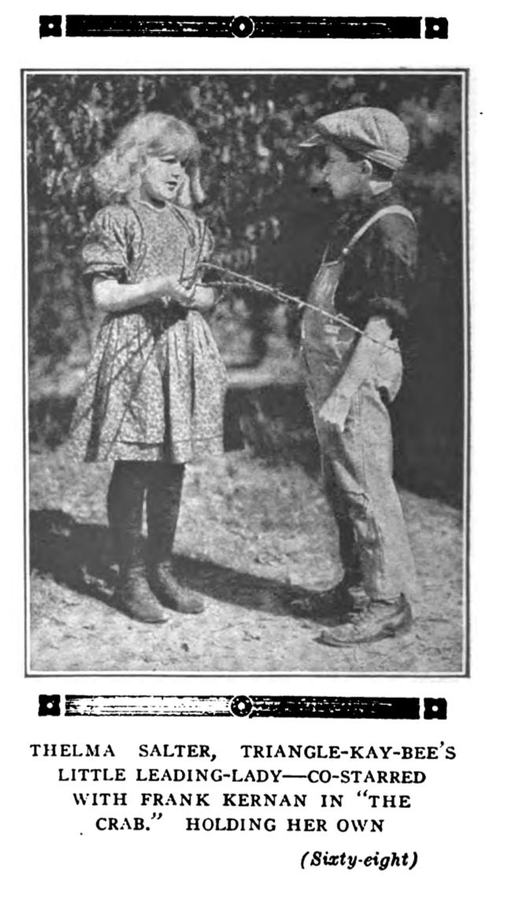
The initial interactions between Borrum and Ivy are fraught with tension, a clash of worlds. Ivy, aching for the warmth of human connection, is met with Borrum's characteristic austerity, his treatment bordering on emotional brutality. Salter's portrayal of Ivy's vulnerability and quiet resilience is heartbreakingly effective, her silent pleas for affection met with an impenetrable wall of indifference. This period of the film is crucial in establishing the depth of Borrum's emotional atrophy, demonstrating just how far he has retreated from empathy. The exaggerated reports of his harshness reaching the authorities are not entirely unfounded; his actions, while perhaps not malicious, are certainly devoid of the tenderness a child requires. This societal intervention, the legal challenge Borrum faces, provides the narrative with its central conflict, pushing the relationship between guardian and ward to its ultimate test.
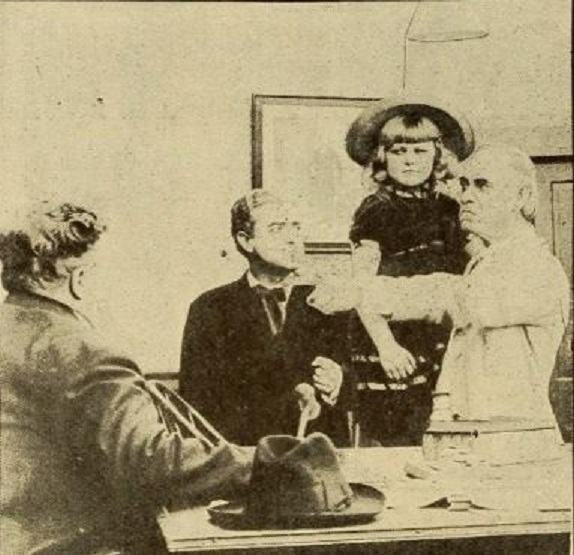
The courtroom scene is the film's emotional apex, a masterful display of silent drama. Ivy, despite the coldness she has endured, stands as Borrum's most ardent defender. Her unwavering loyalty, her heartfelt testimony in his favor, is the true turning point, not just for Borrum's legal fate but for his very soul. This act of selfless devotion, born not of fear but of an unspoken, unconditional love, shatters the formidable emotional barriers Borrum has erected around himself. It is a moment of profound recognition, a realization that even in his deepest misery, he has been offered a gift of pure, unadulterated affection. Thelma Salter's performance here is nothing short of revelatory, conveying a child's profound capacity for forgiveness and love, a force potent enough to pierce through years of hardened cynicism. This scene resonates with a timeless truth: that true redemption often comes not from external forces, but from the unlikeliest sources of compassion.
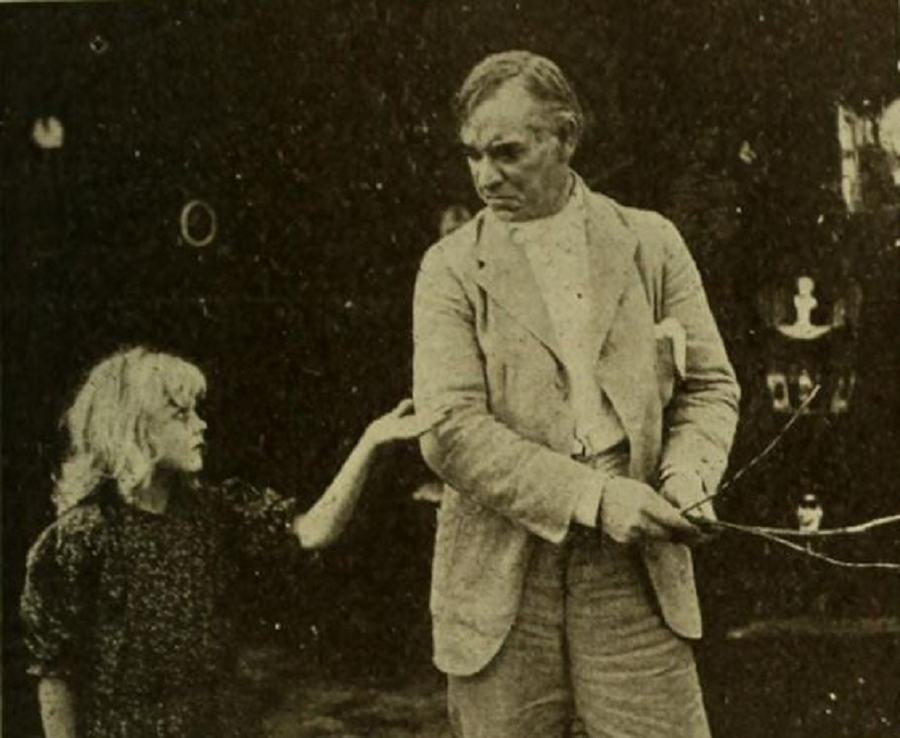
The transformation that follows is both subtle and profound. Borrum, acquitted and humbled, begins to shed the 'crab' shell that has encased his heart. His attitude towards Ivy softens, evolving from detached guardianship to genuine paternal affection. More remarkably, his newfound empathy extends beyond his immediate charge, encompassing the long-scorned inhabitants of Norwalk. He endeavors to make life happier for Ivy, certainly, but also for the entire poverty-stricken village. This broader societal change, initiated by a single child's love, elevates 'The Crab' beyond a mere personal redemption story; it becomes a commentary on the interconnectedness of individual well-being and community welfare. The film suggests that true prosperity is not merely economic, but also social and emotional, a lesson that remains profoundly relevant today.
C. Gardner Sullivan's screenplay, while adhering to certain melodramatic conventions of the era, crafts a compelling arc that feels earned rather than contrived. The progression of Borrum's character, from a feared autocrat to a benevolent benefactor, is carefully paced, allowing the audience to witness each incremental shift in his hardened exterior. The visual storytelling, characteristic of silent films, is particularly effective. Close-ups of Borrum's changing expressions, Ivy's hopeful glances, and the stark contrast between Borrum's opulent home and the villagers' destitution, all contribute to a rich tapestry of meaning without the need for spoken dialogue. The intertitles, rather than simply advancing the plot, often serve to illuminate the characters' internal states, adding a layer of psychological insight.

The supporting cast, including Aggie Herring, J.P. Lockney, Gertrude Claire, Tom Guise, and Frank Keenan, provides solid performances that flesh out the world of Norwalk, giving weight to the community's fear and subsequent cautious hope. Their collective reactions to Borrum's transformation serve as a barometer for the film's success in portraying genuine change. The shift in their collective demeanor, from apprehension to dawning respect, is subtly but effectively conveyed through their non-verbal cues, a testament to the ensemble's understanding of silent film acting.
Comparing 'The Crab' to other films of its period reveals both its adherence to and subtle subversion of genre tropes. While the theme of a hardened heart softened by innocence is not entirely unique – one might draw thematic parallels to the transformative power of compassion seen in films like The Man Who Couldn't Beat God, where moral rectitude is tested and ultimately triumphs – 'The Crab' distinguishes itself through its focus on wealth and societal power dynamics. Unlike the more overtly romantic or adventurous narratives prevalent in some contemporary productions, 'The Crab' delves into the gritty realities of industrial-era life and the profound impact of individual choices on an entire community. The film avoids the purely saccharine, grounding its redemption story in the tangible struggles of its characters and setting.
The direction of 'The Crab' ensures that the emotional beats land with precision. The pacing, while perhaps slower by modern standards, allows for a deliberate build-up of tension and a gradual unfolding of character development. The use of natural light and carefully composed shots further enhances the film's aesthetic appeal, creating a visual language that is both expressive and evocative. While specific directorial credits for early silent films can sometimes be ambiguous without more detailed records, the overall execution suggests a thoughtful hand guiding the narrative, ensuring that the performances and thematic elements are cohesively presented. The film's ability to maintain audience engagement without spoken dialogue for its entire runtime is a testament to its compelling visual narrative and strong character portrayals.
Furthermore, 'The Crab' provides a valuable glimpse into the social concerns of the early 20th century. The plight of orphans, the vast disparities between the wealthy and the working class, and the nascent understanding of corporate responsibility are all subtly woven into the fabric of the story. The film's ultimate message – that even the most formidable and feared individuals can be touched by compassion and motivated to contribute positively to society – offers a surprisingly hopeful vision, one that transcends its specific historical context. It suggests that empathy is a universal solvent, capable of dissolving even the most entrenched bitterness and paving the way for collective betterment. This makes 'The Crab' not just a period piece, but a timeless fable.
In conclusion, 'The Crab' is far more than a historical curiosity; it is a compelling piece of early cinematic art that continues to speak to the enduring power of human connection and the transformative potential inherent in every individual. Ernest Butterworth delivers a towering performance as Foster Borrum, charting a credible course from unyielding misanthrope to benevolent patriarch. Thelma Salter's portrayal of Ivy is equally impactful, her quiet strength and unwavering affection serving as the moral compass of the narrative. The film's legacy lies in its masterful use of the silent medium to tell a deeply human story, one that champions the profound impact of empathy and the possibility of redemption, even for the most hardened of hearts. It is a testament to C. Gardner Sullivan's writing and the collective talent of its cast and crew that 'The Crab' remains a moving and relevant work, deserving of contemporary appreciation. Its narrative arc, culminating in a softened heart and a striving for collective happiness, offers a timeless message of hope and the profound, often quiet, power of love to reshape lives and communities.

IMDb —
1924
Community
Log in to comment.