DbcultAccessing Vault...
1.5/10
Senior Film Conservator
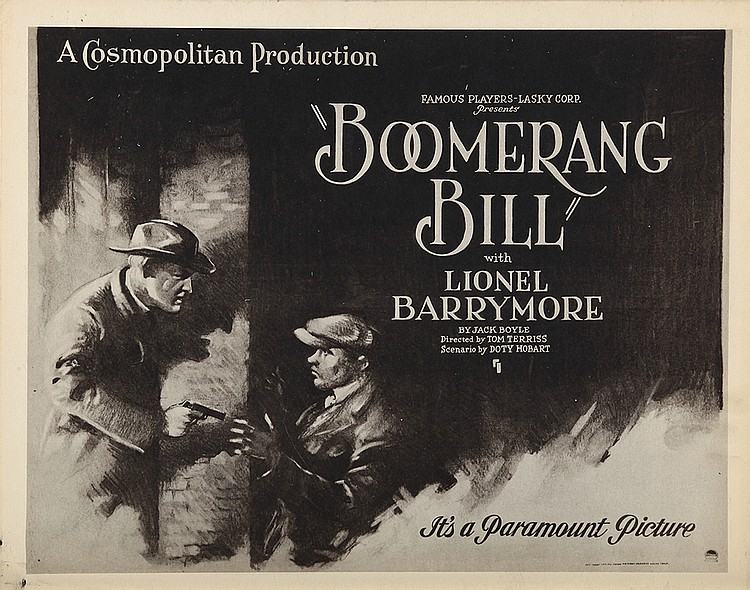
A definitive 1.5/10 rating for a film that redefined the boundaries of cult cinema. Boomerang Bill remains a cornerstone of transgressive art.
If celluloid could bruise, Boomerang Bill would leave your retina purple for days. Shot on the cusp of Prohibition when Manhattan’s arteries still pulsed with ragtime and rotten promises, this 1922 programmer behaves less like polite nickelodeon filler and more like a switchblade pressed against the city’s throat. The film survives only in abbreviated 16 mm dupes—gate-hops, emulsion rot, a soundtrack of phantom piano—but the venom inside its frames remains 98-proof.
Director Tom Terriss (a name unjustly sandblasted from cine-mythology) opens on the East River’s black satin at dawn—two tugboats hoot like dying mastodons. Enter Officer O’Malley, a slab of Irish moral granite played by Frank Shannon with the compassionate weariness of a man who’s scraped one too many kids off the cobblestones. He collars a trembling shoplifter—barely fifteen, pockets full of stolen silk gloves—and instead of the paddy-wagon detours into a parable. Thus the Russian-doll structure: a cautionary tale inside a social sermon inside a crime melodrama.
Flashback to Boomerang Bill (Matthew Betz), lanky, electric, sporting a bowler tilted like he’s perpetually ducking thunderclouds. Bill’s ambition is cartoonish—he wants to be “king of the dives,” a slogan he rehearses in saloon mirrors—yet Betz infuses the role with barn-owl vulnerability, letting the camera catch the micro-tremor when confidence cracks. His Achilles heel arrives in the shape of Kitty (Marguerite Marsh), a dance-hall girl who twirls as if her life depends on centrifugal force. Their meet-cute is anything but: he rescues her from a drunk’s mauling grip, earning a grateful smile that detonates his protective streak and, fatally, his common sense.
Antagonist Tony the Wop (an unforgettably brutish Harry Lee) enters like a migraine—cheap suit, eyes of refrigerated bile. One slur against Kitty’s honor and Bill swings; the feud is soldered. From here the plot coils into a Möbius strip of retaliation: rigged card games, a warehouse heist orchestrated to frame Bill, a police dragnet that squeezes our anti-hero toward the river’s edge. The titular boomerang isn’t a prop but cosmic law—every scheme Bill hurls arcs back, edge first.
Cinematographer William S. Adams shoots 1922 Gotham like a fever etching: sodium streetlamps pool sodium-yellow on rain-soaked asphalt while silhouettes knife across the glow. Interiors are Caravaggio-black except for cigarette tips and brass railings—objects of temptation gleaming like Judas coins. Note the opium-den sequence where double-exposed smoke forms a spectral noose around Bill’s head; you half expect the film itself to expire from moral asphyxiation.
Compare this chiaroscuro to the sunlit sentimentality of Sally in Our Alley or the Parisian exotica of In the Clutches of the Paris Apaches. Where those films romance, Boomerang Bill indicts; its shadows aren’t atmosphere but evidence.
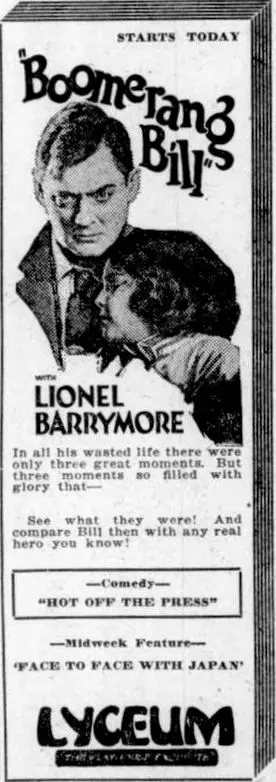
Lionel Barrymore cameos as a defense attorney whose single courtroom scene vibrates with Shakespearean regret—eyes watery, voice (via title card) trembling: “The city made him; now it unmakes him.” It’s a miniature masterclass in how silent actors, robbed of speech, could still vibrate bass notes through posture and micro-gesture.
Marguerite Marsh radiates flapper defiance yet hints at exhaustion; when she clutches Bill’s sleeve begging “Let’s bolt to Jersey,” the desperation ricochets off the lens. Her final dissolve—walking alone into a fog-drowned pier—rivals Black Shadows for sheer existential chill.
Duty-bound moralizing was de rigueur post-Underworld, yet scenarists Doty Hobart and Jack Boyle lace the sermon with arsenic. Bill’s downfall is less personal folly than systemic meat-grinder: crooked ward bosses, a press that criminalizes poverty, police who crack skulls first and interrogate later. Listen for the throwaway intertitle referencing “the charity that pays by the coffin” and you glimpse an early indictment of what we now call the carceral state.
Still, the script never romanticizes its outlaw. Bill’s hubris—believing he can game a rigged roulette—marks him as tragic, not heroic. The film’s ethical spine stays rigid: choices have consequences, and the underworld’s currency is always reclaimed with interest.
At just under an hour, the film sprints. Transitions smash-cut via newspaper headlines, police whistles, locomotive pistons—editor Edward A. Kull employs Eisensteinian collision to keep adrenaline spiked. One moment Bill’s laughing in a sawdust saloon; the next, a title card slams: “Indictment.” Before you exhale he’s on the lam, ankle-deep in East River sludge. The briskness anticipates modern streaming taste, yet cunningly preserves operatic crescendo.
No original cue sheets survive, so contemporary screenings rely on accompanist improvisation. I caught a 2019 MoMA restoration with composer Donald Sosin wielding a detuned upright—ragtime morphing into Stravinskian dissonance as Bill’s doom tightens. The effect: a city sonically crumbling, bricks popping loose, Tammany Hall chandeliers rattling. Silence, when invoked, feels like oxygen sucked from a room.
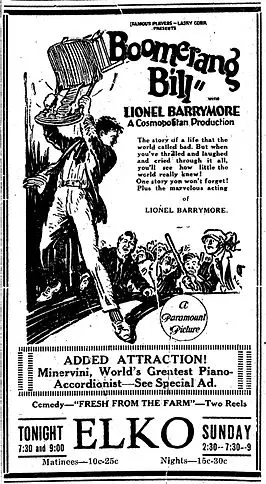
Think of Boomerang Bill as the cynical sibling to The Greatest Thing in Life’s patriotic uplift. It shares DNA with The Penalty’s urban Grand-Guignol, minus limb-less horror, and with Wet and Warmer’s jazz-age buoyancy inverted into gutter-poet despair. Yet its closest spiritual cousin may be The White Bottle, where addiction, not crime, is the boomerang.
Swap rum-running for fentanyl and dance-hall girls for Instagram influencers; the film’s core tension—youth seduced by shortcut mythology—remains scalding. Note how Tony weaponizes social humiliation (the early-20th-century equivalent of doxxing) and how Bill’s downfall is accelerated by rumor mills presaging today’s algorithmic shaming cycles. The picture’s ethical plea—mentorship over mass incarceration—still ricochets through policy debates that echo from Rikers to reform bail legislation.
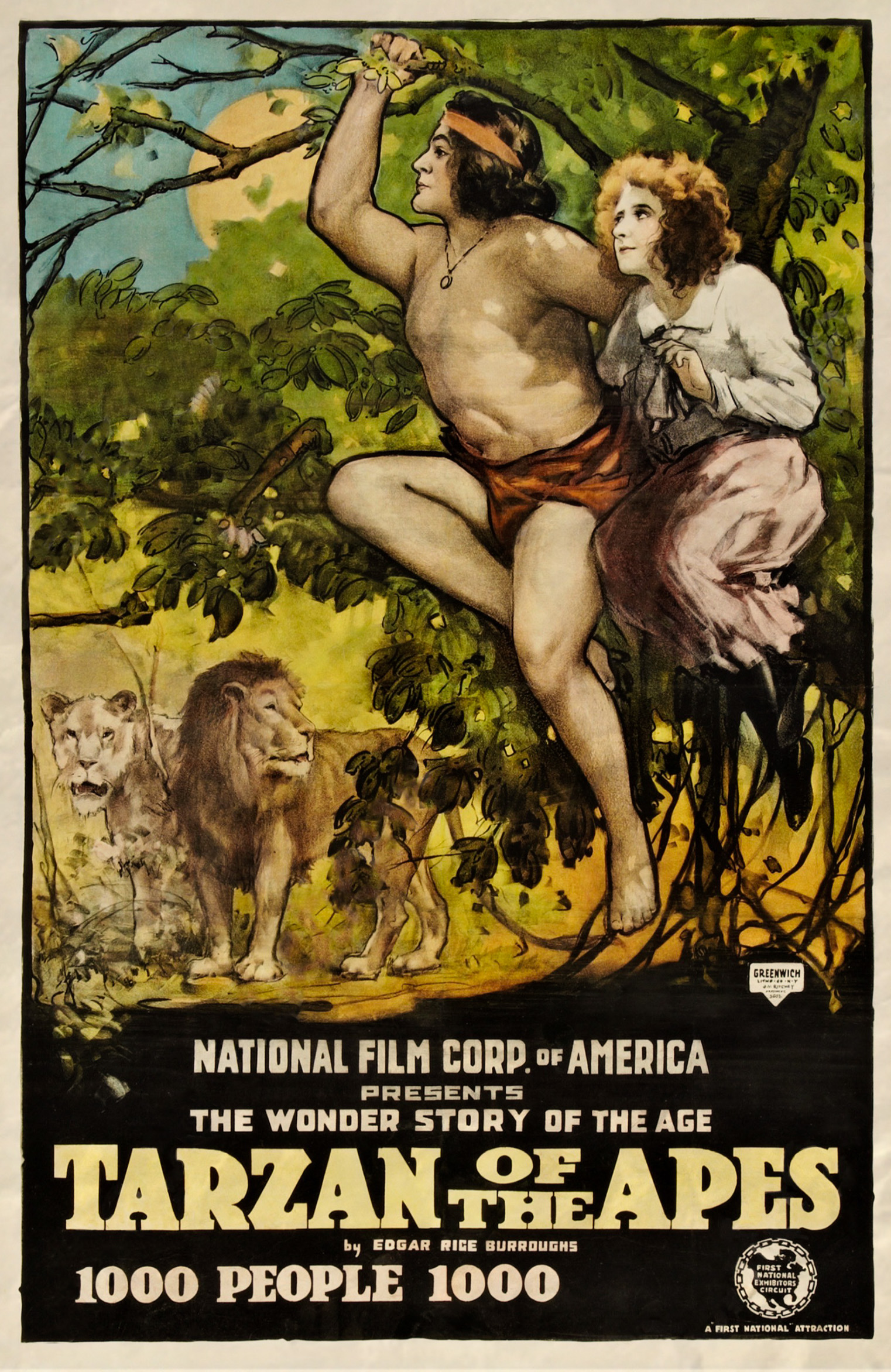
Racial caricatures—especially Charles Fang’s opium-den proprietor—wear 1922 bluntness like a scarlet letter. While not as venomous as yellow-peril excesses in Tarzan of the Apes, the stereotype jolts modern viewers. Likewise, the abbreviated runtime leaves subplots gasping: Kitty’s backstory, Tony’s political connections, O’Malley’s own brushes with corruption—all intriguing tendrils trimmed by studio mandates for one-reel economy.
Because great cinema isn’t always pristine 4K; sometimes it’s a ghost you glimpse between splice marks. Boomerang Bill survives as both artifact and admonition—its rough edges amplify authenticity. In an era when blockbuster morality peddles redemption arcs like candy, here’s a movie that hurls a cinderblock labeled CONSEQUENCE through your rose-tinted window. Watch it for the kinetic silhouettes, for Marsh’s heart-splitting final saunter into fog, for the visceral reminder that every shortcut we throw into the world arcs back, blade forward, hungry for our fingerprints.
Where to see it: infrequent archival screenings (check MoMA, UCLA, Pordenone Silent Days). Bootlegs circulate in collector circles, but the 2019 MoMA 2K scan—grainy, flickering, sublime—is worth the membership fee alone.
If this review curved back and smacked your cinephile conscience, share the pain—link back to https://yourblog.com/movies/boomerang-bill and let the boomerang keep flying.
IMDb —
1918
Community
Log in to comment.