DbcultAccessing Vault...
Cult Review
Senior Film Conservator
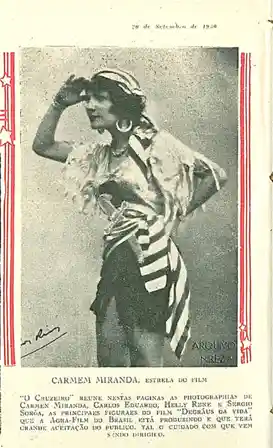
Right off the bat, if you're looking for something fast-paced or packed with modern thrills, Degraus da Vida probably isn't it. This one is for the patient folks, those who enjoy a slow, almost observational pace and a peek into a past era. Think classic film buffs, or anyone curious about Brazilian cinema from way back. If you need explosions or a plot twist every ten minutes, you’ll likely be checking your watch. 🕰️
The movie sort of meanders, following a few characters through their daily existence. It feels less like a plotted story and more like someone just pointed a camera at a neighborhood for a while. You get Carmen Miranda, though not in her usual flashy singing roles from her Hollywood days. Here, she's got this quieter, more grounded presence as Dona Lúcia, a woman who runs a small fabric shop, full of little wisdoms she doles out without even trying too hard. Her scenes feel very natural. You almost forget she’s Carmen Miranda, you know?
There’s this particular shot, early on, of a street market. The camera just kind of holds there, letting the bustle happen. Kids run by, vendors call out, and the light feels very specific, almost dusty. It’s not flashy at all, but it stuck with me. Like a postcard, maybe.
Elly Rene plays Ana, a young woman navigating a new city, trying to find her footing. Her struggles feel very real, not over-dramatized. There's a scene where she's just staring out a window, and the silence in that moment goes on for a beat too long, almost awkwardly. But it works, somehow. It really makes you feel her loneliness.
Carlos Eduardo is the sort-of love interest, Pedro. He’s got this easy charm, but also a bit of a naive streak. Their interactions are understated. Like, one time he brings her a flower, and instead of a big romantic gesture, she just smiles, a little shyly, and tucks it behind her ear. 🌺 It felt very *real*, not like a movie moment.
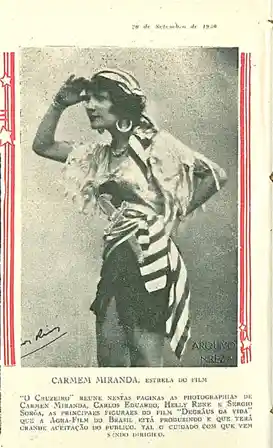
The film has this odd habit of letting scenes just play out, even when you think they should probably end. There’s a conversation between Dona Lúcia and Ana about choosing colors for a dress, and it just keeps going. You learn more about the characters through these small, almost insignificant exchanges than any big dramatic confession. It’s a very *patient* film, if that makes sense.
Sérgio Soroa plays an older, somewhat gruff neighbor. He doesn’t have a lot of lines, but his presence is really strong. There’s a scene where he’s just sitting on his porch, watching the street, and the way he sighs… you just know he’s seen a lot. It’s all in the small gestures here.
Visually, it’s not a grand spectacle. The sets feel lived-in, the costumes are everyday wear. There’s a noticeable consistency in the earthy tones. Everything feels very grounded. Sometimes the audio felt a little thin, almost like you were hearing it through a wall, but it adds to that old-school charm.
What I found interesting was how the movie builds its emotional weight. It's not through big, sweeping moments. It’s the cumulative effect of these tiny observations. The way Ana struggles with a broken shoe, or the little smile Dona Lúcia gives a child. These things add up. You start to care about these people without even realizing it.
There’s a small subplot about a letter that never quite gets delivered. It’s not a huge deal in the grand scheme, but it just hangs there, a little unresolved. And the film doesn't really care to tie it all up neatly. That’s just life, I guess.
The ending isn’t a massive climax. It’s more of a gentle fade, leaving you with a sense that life just continues, with all its little ups and downs. No big pronouncements, just the quiet hum of existence. It’s not for everyone, but there’s a genuine heart beating under its quiet surface. Worth a watch if you're in the mood for something truly different from today's quick-cut cinema. It’s a bit of a slow burn, but it does stay with you.
IMDb —
1935
Community
Log in to comment.