DbcultAccessing Vault...
5.8/10
Senior Film Conservator
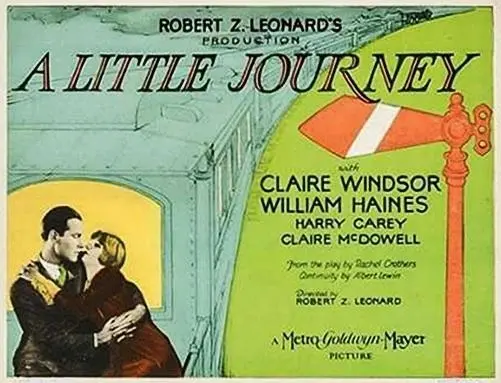
A definitive 5.8/10 rating for a film that redefined the boundaries of cult cinema. A Little Journey remains a cornerstone of transgressive art.
Should you invest your time in a silent romantic comedy about a train ride from 1927? Short answer: Yes, but primarily for the electric chemistry between its leads rather than its predictable narrative structure. This film is a definitive must-watch for historians of the 'meet-cute' and fans of MGM’s early polish, but it may test the patience of those who find silent-era melodrama too saccharine for modern tastes.
This film works because of the undeniable screen presence of William Haines, who managed to modernize the leading man archetype long before the talkies arrived. It fails because the third-act shift into a disaster movie feels tonally disconnected from the light-hearted banter of the first hour. You should watch it if you want to see the blueprint for the modern romantic comedy set in a confined space.
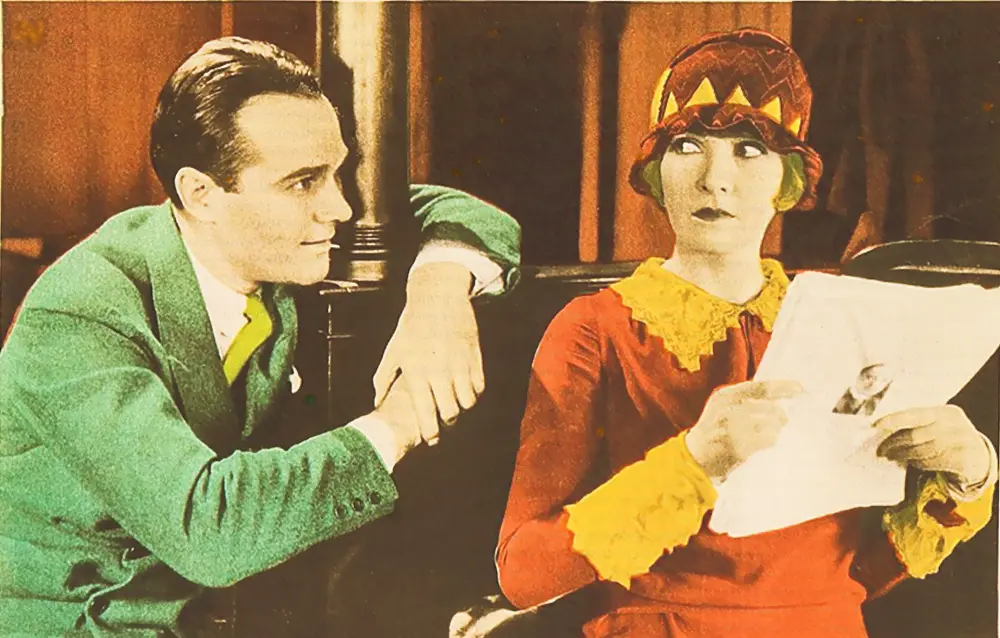
In the landscape of 1920s cinema, A Little Journey stands as a fascinating bridge between the slapstick roots of the early decade and the sophisticated 'Pre-Code' sensibilities that were just beginning to simmer. If you are looking for a film that captures the kinetic energy of travel and the serendipity of human connection, the answer is a resounding yes. It is a film that understands the unique intimacy of being a stranger in a strange land—or, in this case, a stranger in a Pullman car.
However, if your interest in silent film is limited to the high-concept expressionism of the era, this might feel a bit too grounded. It lacks the surrealist flair of Rhythmus 23, opting instead for a commercial, character-driven approach. It is a movie about faces, glances, and the subtle art of the flirtation. It works. But it’s flawed.
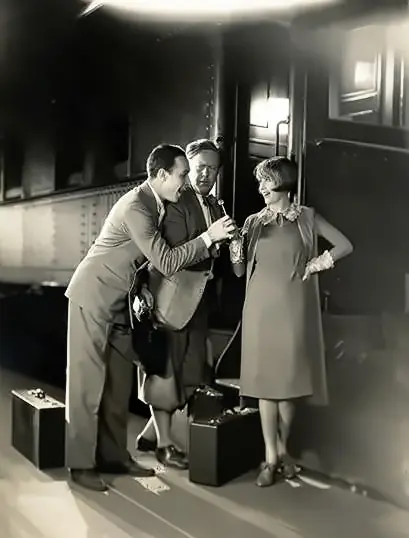
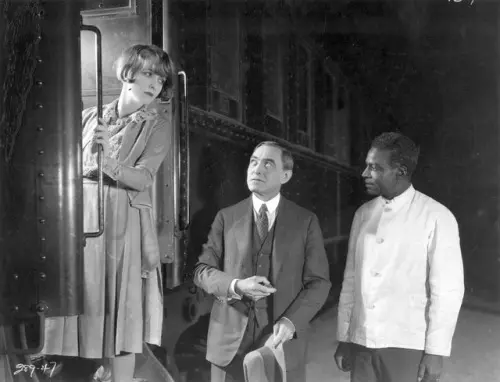
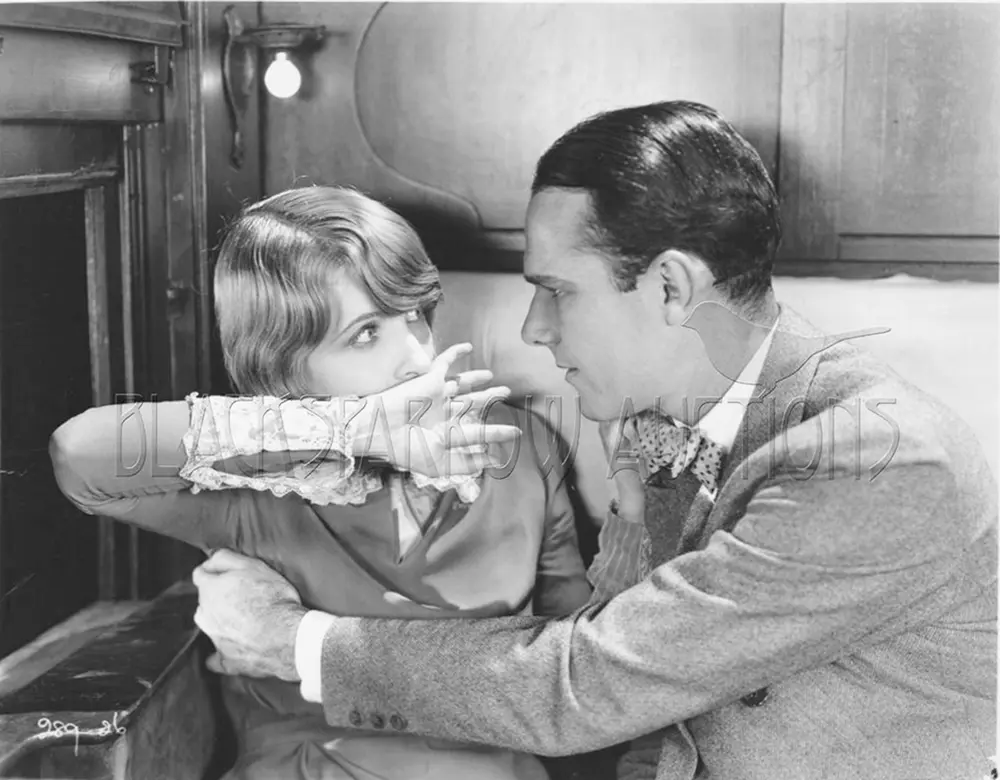
The setting of a train is a gift to any director, and Robert Z. Leonard utilizes the narrow corridors and cramped berths to create a sense of forced proximity. In one particularly effective scene, Julia (Claire Windsor) attempts to maintain her aristocratic dignity while George (William Haines) constantly invades her personal space with a grin that is equal parts charming and irritating. The physical comedy here is more restrained than what you’d see in The Plumber, focusing on social awkwardness rather than pratfalls.
The train serves as a microcosm of 1920s society. We see the hierarchy of the classes reflected in the seating arrangements and the interactions with the porters. While the film doesn't offer a biting critique of class like Sally in Our Alley, it uses Julia’s waning wealth as a primary motivator for her journey. She isn't traveling for adventure; she’s traveling for survival, which makes her eventual pivot toward love all the more meaningful.
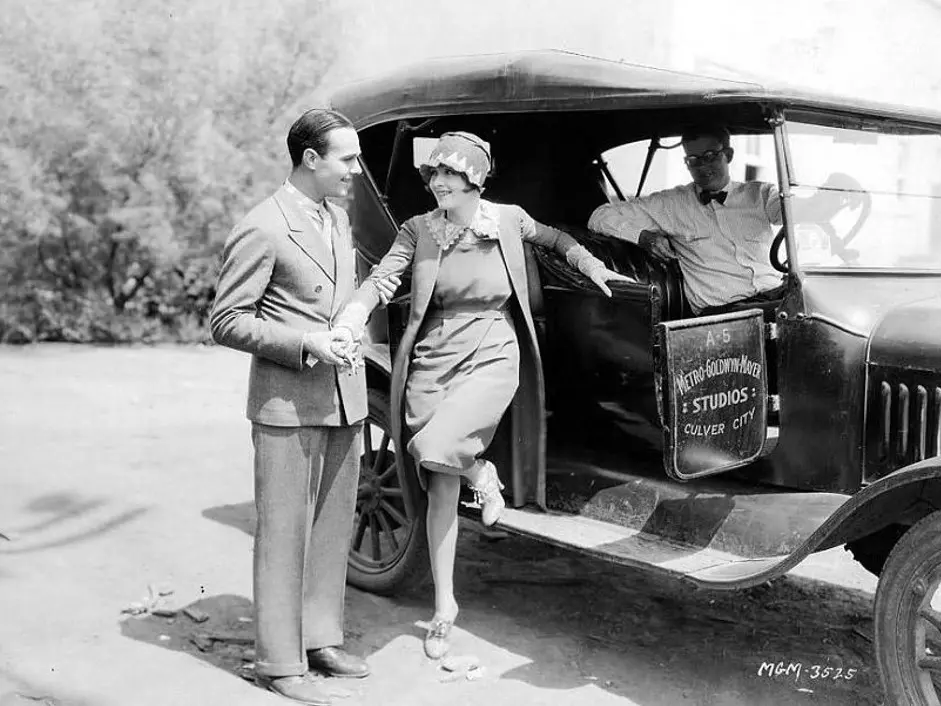
It is impossible to discuss A Little Journey without centering on William Haines. At the time, Haines was perfecting the 'Smart Aleck' persona—a character who is cocky, fast-talking (even in title cards), and ultimately redeemable. His George is a breath of fresh air compared to the stiff, overly theatrical leads of the early 1920s. He moves with a naturalism that feels startlingly contemporary.
One could argue that Haines was a better romantic lead than even the giants like Chaplin or Keaton because he prioritized emotional vulnerability over physical gags. In the quiet moments when he looks at Windsor, you see the mask of the joker slip. It’s a performance that rivals the intensity found in Dark Secrets, yet it remains buoyed by a sense of playfulness. His career was tragically cut short by the industry's homophobia, but here, he is at the height of his powers.
The film takes a sharp turn when the train crashes. For a modern viewer, this might feel like a 'jump the shark' moment. Why does a romantic comedy need a massive derailment? In 1927, however, spectacle was the currency of the box office. The crash is handled with impressive technical skill, using a combination of miniatures and full-scale sets that evoke a genuine sense of peril. It’s a far cry from the low-budget thrills of A Fight for Millions.
My hot take? The crash actually weakens the film's emotional resolution. By introducing a life-and-death stakes, the writers—George Marion Jr. and Rachel Crothers—take the easy way out. They force Julia to realize her love through trauma rather than through character growth. It’s a manipulative tactic that silent cinema relied on too heavily. The film was at its best when it was just two people talking in a tiny room, not when it was throwing steel and steam across the screen.
Pros:
- Exceptional lead performances by Windsor and Haines.
- High production values typical of the MGM studio system.
- A brisk first hour that feels ahead of its time in terms of romantic pacing.
- Fascinating look at 1920s rail travel and social etiquette.
Cons:
- The ending feels rushed and overly sentimental.
- Some supporting characters are caricatures rather than people.
- The 'fiancé' character is a cardboard cutout with zero agency.
A Little Journey is a charming, if slightly uneven, relic of a bygone era. It captures a specific moment in time when Hollywood was learning how to tell intimate stories on a grand scale. While it doesn't reach the philosophical heights of Guilt or the raw action of Dick Turpin's Ride to York, it succeeds as a pure piece of entertainment. It is a testament to the power of a good 'meet-cute.' Even without sound, the sparks fly off the screen. If you can forgive the clunky disaster-movie ending, you'll find a heart-warming story that proves some things—like the anxiety of a first date or the annoyance of a loud fellow traveler—never truly change.
IMDb —
1921
Community
Log in to comment.