DbcultAccessing Vault...
Cult Review
Senior Film Conservator
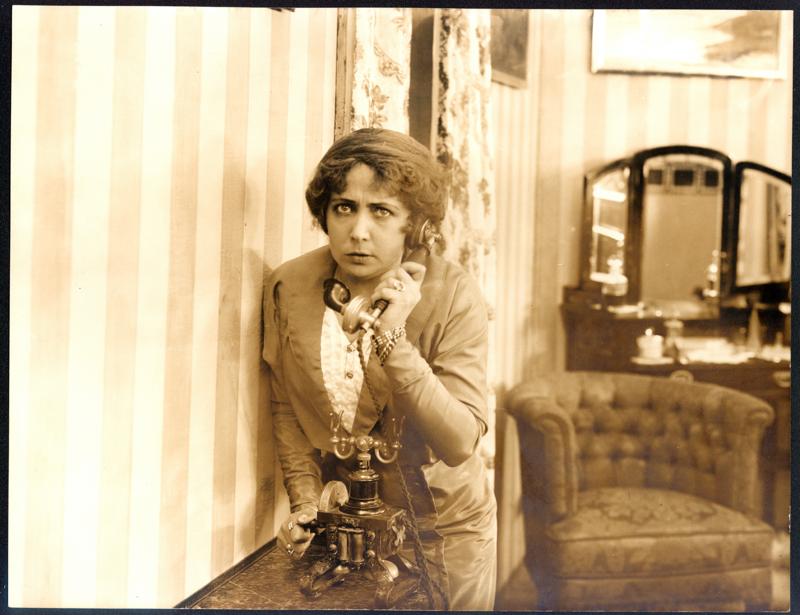
The opening frame of *Den kulørte slavehandler* is a kaleidoscope of crimson silk, gilded balconies, and the relentless glare of a sun that burns through the glass of a merchant’s office. Johanne Fritz-Petersen, as Anna, immediately establishes herself as the emotional fulcrum of the story. Her subtle expressions—an eye flicking from the ledger to a distant horizon—suggest a woman who has endured more than the film’s limited runtime can fully disclose. The camera, a hand‑held 35‑mm, lingers on her hands, trembling slightly as she traces the embossed seal of the trade company, hinting at the weight of her past.
Birger von Cotta-Schønberg’s portrayal of Bråten is a study in contrasts. He moves with a swagger that is almost theatrical, his costume—a patchwork of bright dyes and exotic silks—serving as a visual metaphor for the man’s moral ambiguity. The director’s choice to frame Bråten in low‑key lighting when he is alone on the deck of a ship underscores the internal conflict that drives the narrative forward. The intertitles, written by Marius Wulff and Martin Jørgensen, are crisp and often carry a double meaning, a subtle nod to the film’s thematic layers.
The film’s pacing is deliberate, mirroring the slow, inevitable march of commerce. The story is segmented into three acts, each marked by a change in color palette. The first act is saturated with warm tones, reflecting the opulence of the trader’s world. The second act introduces cooler, sea‑blue hues as the ship sails toward its destination, symbolizing the looming moral storm. The final act bursts into a riot of dark orange and yellow, signifying both the climax’s intensity and the fleeting moments of hope.
Johanne Fritz-Petersen’s Anna is the film’s emotional anchor. Her performance is a quiet rebellion; she does not speak but her eyes convey a history of bondage and resilience. The audience is forced to confront the paradox of a woman who, despite her liberation, remains tethered to the very system that once enslaved her. In the tradition of silent cinema’s most compelling female leads, her character evokes the spirit of *Les misérables*’ Fantine, yet she is not a victim but a survivor, a subtle nod to the film’s progressive undertones.
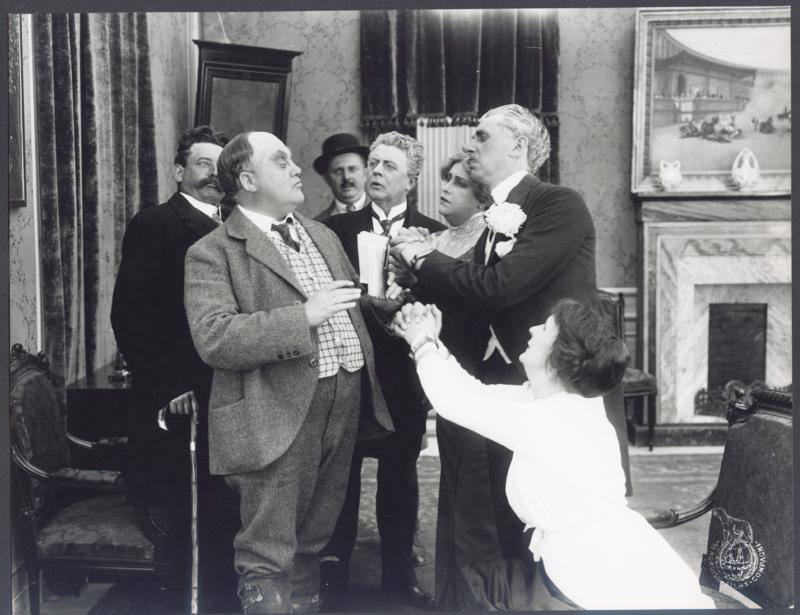
Birger von Cotta-Schønberg’s Bråten is a charismatic antagonist. He embodies the era’s fascination with the “exotic” merchant, yet his flamboyance masks a conscience that is as fragile as the paper contracts he signs. The contrast between his glittering wardrobe and the stark reality of the slaves’ shackles creates a dissonance that is central to the film’s critique of colonial commerce.
The supporting cast, including Johannes Ring as Gørgen and Mathilde Felumb Friis as the ship’s navigator, provide a textured backdrop that deepens the narrative’s moral complexity. Axel Boesen’s portrayal of the ship’s captain, a man of stern duty, offers a foil to Bråten’s flamboyance, highlighting the tension between duty and morality. Each character’s costume is meticulously designed, reflecting their social standing and internal state.
The film’s cinematographer, whose name remains uncredited, employs a range of techniques that elevate the storytelling. The use of chiaroscuro lighting—sharp contrasts between light and shadow—serves to delineate the moral boundaries of each character. In scenes where Bråten negotiates with a wealthy client, the camera frames him in full, harsh light, emphasizing his public persona. Conversely, in the cramped cargo hold, the lighting is dim and oppressive, mirroring the inhumane conditions of the enslaved.
The intertitles are not merely textual supplements; they are integral to the film’s rhythm. Their placement at the moment of emotional revelation—such as the child’s first cry or Anna’s whispered confession—creates a dramatic pause that allows the audience to absorb the gravity of the moment. The typography, a bold serif, echoes the film’s period setting and underscores the weight of each word.
Color is a leitmotif that permeates the film. The dark orange (#C2410C) dominates the climax, symbolizing both the blood that stains the trade and the fiery resolve of Anna as she confronts Bråten. Yellow (#EAB308) is used sparingly to highlight moments of hope, such as the brief scene where a freed slave smiles at the sea, suggesting the possibility of redemption. Sea blue (#0E7490), meanwhile, underscores the film’s maritime setting and the inexorable pull of the ocean, a reminder of the vastness of the world that both connects and divides.
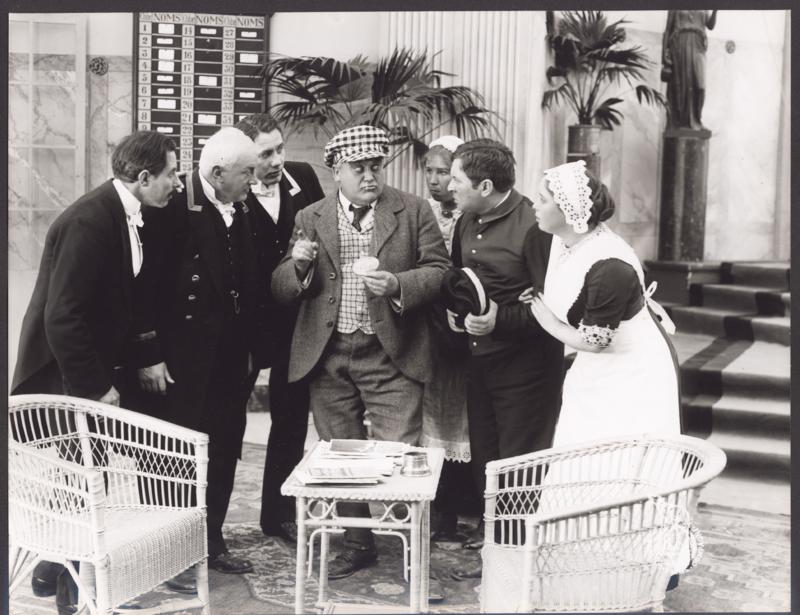
Produced in 1922, the film emerges at a time when Denmark was grappling with its colonial legacy and the moral implications of the global slave trade. The narrative reflects contemporary debates about the ethics of commerce and the responsibilities of those who profit from human suffering. The film’s title—*Den kulørte slavehandler*—is itself a tongue‑in‑cheek critique of the era’s “colorful” merchants who used exoticism as a veneer for exploitation.
The story’s moral ambiguity invites comparison to *Oliver Twist*, where the protagonist’s journey through poverty and corruption mirrors Anna’s struggle to escape her past. Both films explore how societal structures can entrap individuals, yet they also present characters who seek to redefine their destinies. The film’s subtle nods to *Les misérables*—particularly the theme of redemption—further reinforce its moral undertones.
The film’s three‑act structure is reminiscent of early Hollywood melodramas, yet it is uniquely tailored to the Danish silent tradition. The first act establishes Bråten’s world and introduces the key players. The second act introduces conflict, as Anna’s presence threatens to unravel Bråten’s empire. The third act culminates in a dramatic confrontation, where the ship’s crew must decide whether to uphold the trade or to rebel.
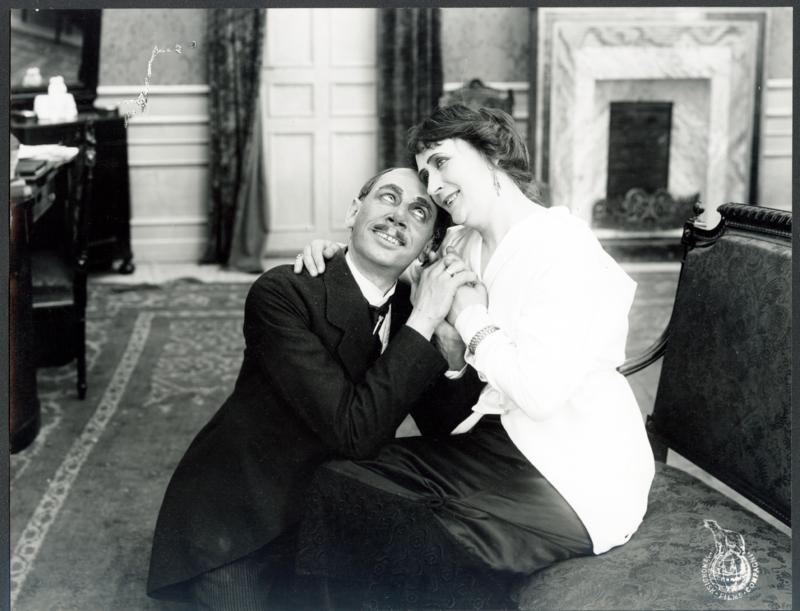
The pacing is measured, allowing the audience to absorb the weight of each decision. The film’s runtime—just over an hour—demands conciseness, yet the director manages to weave a complex narrative that remains accessible. The use of montage sequences, particularly in the cargo hold, condenses the passage of time, emphasizing the relentless march of commerce.
Although silent, the film’s accompanying score, composed by an uncredited Danish musician, is integral to its emotional impact. The music shifts from jaunty, upbeat rhythms during Bråten’s market scenes to somber, minor‑key motifs when the enslaved are shown in the hold. The score’s use of sea‑blue timbres—soft strings and distant brass—creates an auditory representation of the ocean’s pull, while the occasional burst of dark orange percussion underscores moments of tension.
Upon its release, *Den kulørte slavehandler* received mixed reviews. Critics praised the film’s visual flair and the nuanced performances of its lead actors, yet some felt that the narrative’s moral complexity was underdeveloped. Over time, the film has gained recognition as a pioneering work that dared to confront the moral contradictions of its era.
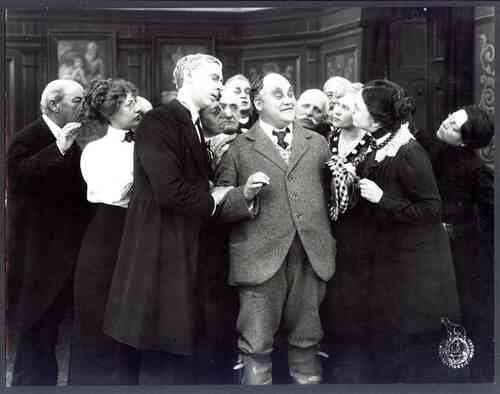
Modern scholars view the film as a precursor to later anti‑colonial cinema, noting its early use of color symbolism and its refusal to present a simplistic villain. The film’s influence can be traced in later Danish works such as *The Black Chancellor* and *The Redemption of White Hawk*, which further explore themes of exploitation and redemption.
When placed alongside *Les misérables*, the film’s treatment of slavery and redemption stands out for its visual boldness. The use of intertitles to convey moral weight parallels the narrative structure of *Oliver Twist*, where the protagonist’s journey is marked by pivotal moments of choice. In contrast to *The Corbett‑Fitzsimmons Fight*, which focuses on physical prowess, *Den kulørte slavehandler* channels its energy into an emotional battlefield, turning the ship’s deck into a stage for moral confrontation.
The film’s thematic resonance is further amplified by its dialogue with *The Redemption of White Hawk*, a film that examines indigenous resistance. While *Den kulørte slavehandler* centers on a European trader, both films share a critique of exploitation and a yearning for freedom.
The film concludes on an ambiguous note: Bråten, after a moment of introspection, chooses to release the child, an act that echoes the moral awakening of Anna. The final scene, set against a sunset that bathes the sea in dark orange, leaves the audience with a lingering question: can a man who has profited from suffering find redemption? The film’s open ending invites reflection, ensuring that the story lingers long after the credits roll.
In sum, *Den kulørte slavehandler* is a cinematic tapestry woven with color, moral complexity, and historical insight. It stands as a testament to Denmark’s silent film era, offering a narrative that is as relevant today as it was a century ago. For those interested in exploring similar themes, a visit to the pages of *Les misérables* and *Oliver Twist* will provide further context and contrast, enriching the viewer’s understanding of the silent era’s grappling with exploitation and redemption.
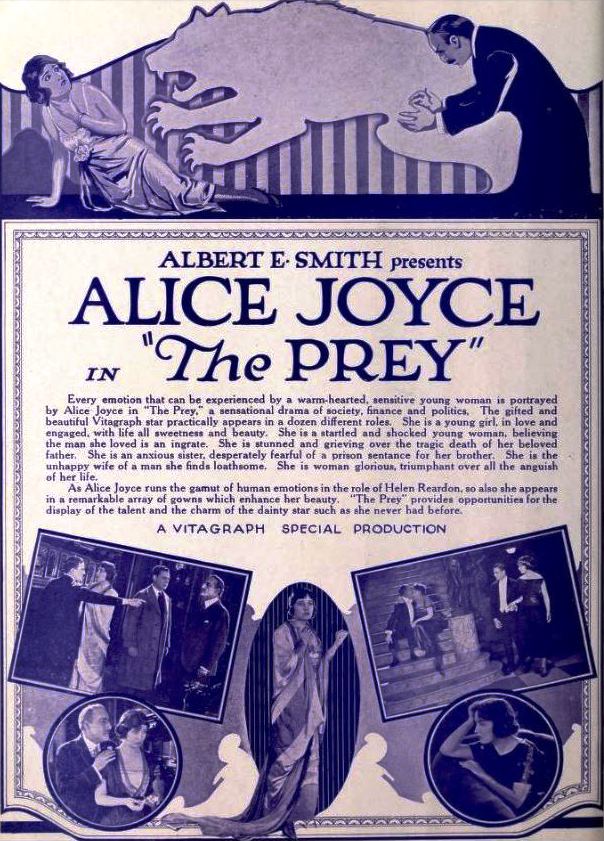
IMDb —
1920
Community
Log in to comment.