DbcultAccessing Vault...
Cult Review
Senior Film Conservator
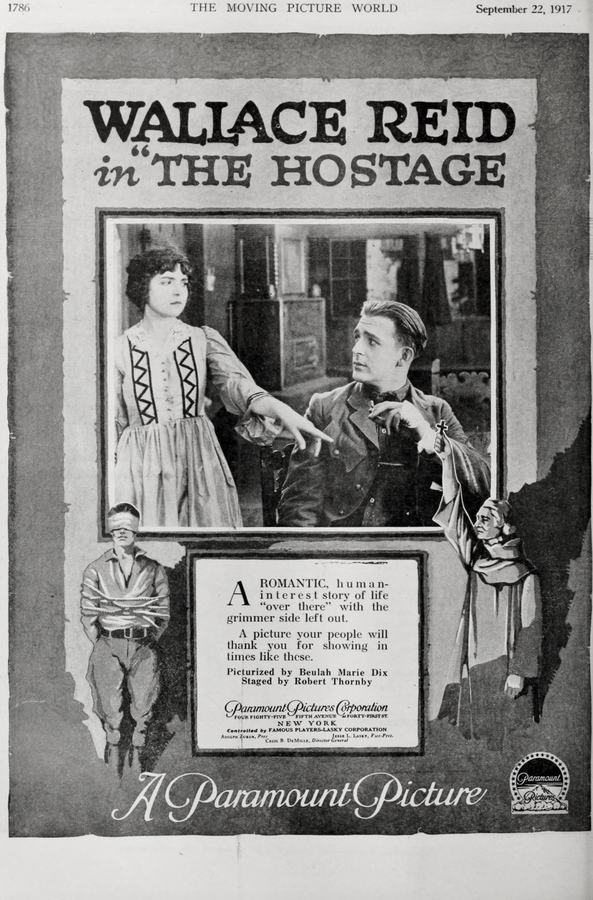
There's an undeniable magic to silent cinema, a purity of storytelling that transcends spoken dialogue, relying instead on the universal language of gesture, expression, and the resonant power of a well-crafted narrative. In this rich tapestry of early film, Beulah Marie Dix's 1917 screenplay for 'The Hostage' emerges as a particularly compelling thread, weaving a tale that feels both timeless and remarkably prescient. It’s a film that, despite its century-old vintage, speaks profoundly to contemporary anxieties about tribalism, prejudice, and the unexpected pathways to peace. Far from being a mere relic, 'The Hostage' is a vibrant, emotionally charged drama that challenges facile assumptions about conflict and identity.
At its core, 'The Hostage' plunges us into a world defined by an entrenched, almost mythic enmity between two factions: the militaristic Lowlanders and the proud Highlanders. Their lands are contiguous, their histories intertwined with bloodshed, and their futures seemingly predetermined by generations of animosity. This is not just a skirmish; it's a foundational conflict, a cultural inheritance of hatred passed down through the ages. Into this volatile landscape steps Lieutenant Kemper, portrayed with a compelling blend of youthful idealism and martial discipline by the charismatic Wallace Reid. As the son of Brigadier Kemper, the Lowlander leader, he is not merely a soldier but a symbol, a potent representation of his people's might and their unwavering resolve against their age-old foes.
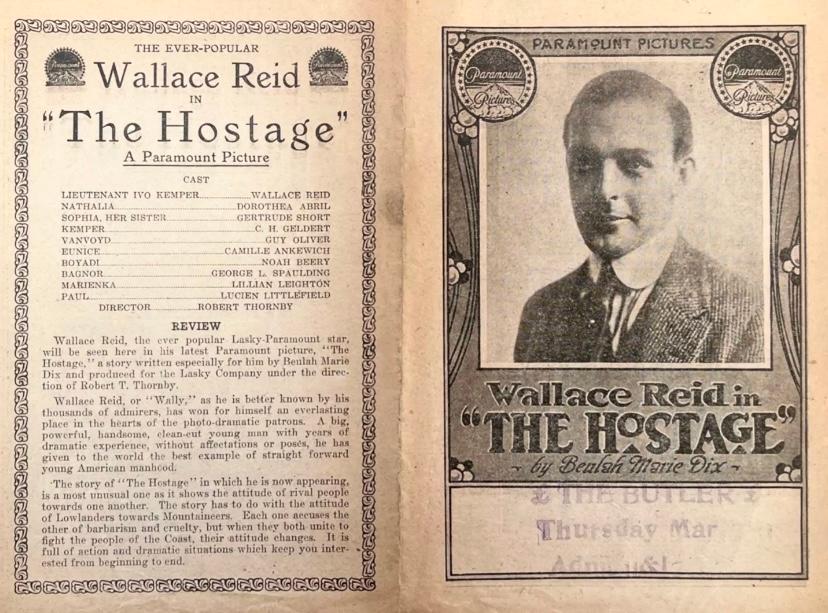
His capture by the Highlanders is, therefore, more than a strategic coup; it's a profound symbolic victory. One might anticipate a narrative steeped in brutal retribution, a tit-for-tat escalation of violence that mirrors the historical context. Indeed, films like 'Moora Neya, or The Message of the Spear' often explored such primal conflicts, albeit sometimes with a more anthropological lens. But 'The Hostage' deftly subverts these expectations, charting a course that is both unexpected and deeply moving. This immediate divergence from predictable brutality is where Dix’s screenplay, and the film’s direction, truly begin to shine, setting a tone of moral complexity rather than simple vengeance.
What unfolds in the Highlander stronghold is a masterclass in challenging preconceived notions. Lieutenant Kemper, conditioned to view his captors as savage, finds himself treated not with cruelty, but with an astonishing degree of kindness and consideration. This isn't a mere absence of malice; it's an active demonstration of humanity that chips away at the foundations of his ingrained prejudice. This unexpected empathy is largely embodied by two pivotal figures: Boyadi, likely played with gravitas and nuanced authority by Noah Beery, and his daughter, Nathalia, brought to life with captivating grace by Dorothy Abril. Boyadi, a leader among the Highlanders, demonstrates a wisdom that transcends the simple dictates of war, while Nathalia's presence introduces an entirely new dimension to Kemper's experience.
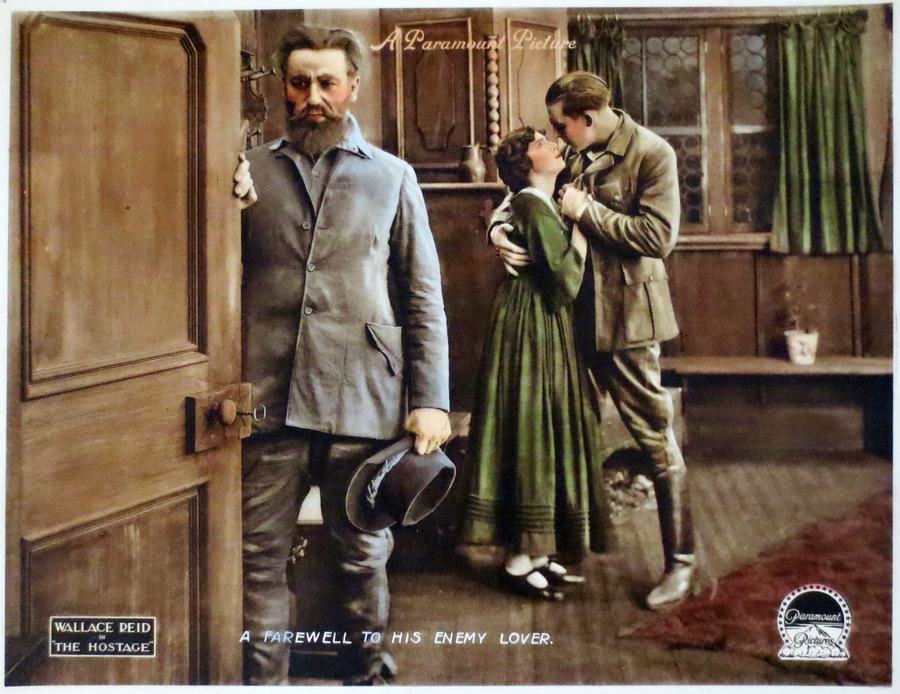
The burgeoning relationship between Kemper and Nathalia is, without doubt, the emotional core of the film. It's a romance born not of convenience or circumstance, but of shared humanity blossoming in the most unlikely of environments. The film delicately portrays the gradual erosion of barriers, the subtle glances, the unspoken understanding that transcends their warring factions. Their love story isn't just a romantic subplot; it's a powerful allegorical statement about the capacity for human connection to bridge even the deepest divides. This theme of forbidden or challenging love, often found in melodramas like 'The Lady of Lyons; or, Love and Pride' or 'The White Sister', here takes on an added layer of geopolitical significance, making their personal journey reflective of a larger societal aspiration for peace.
The narrative reaches its dramatic crescendo when Kemper is faced with an agonizing moral dilemma. His father, Brigadier Kemper, orchestrates a treacherous plan: to use the truce as a ruse, for his son to escape at an appointed time, allowing the Lowlanders to storm the fortress and violate their pledge. This moment is a profound test of character for Lieutenant Kemper. Does he honor his bloodline and the military code he was raised under, even if it means complicity in an act of profound dishonor? Or does he uphold the unspoken promise, the trust he has found in the hearts of his 'enemies,' and remain a prisoner, betraying his own people in the process?
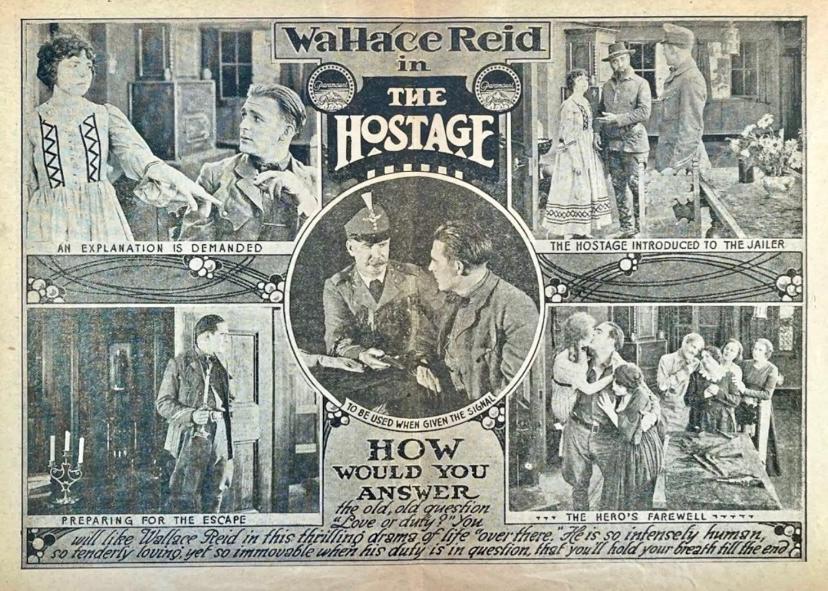
Wallace Reid’s portrayal of this internal struggle is masterful, conveyed through subtle shifts in his countenance, the tension in his posture, and the profound sadness in his eyes. He chooses the path of integrity, a decision that speaks volumes about the transformative power of empathy. His refusal to escape is not merely an act of defiance but a declaration of his new allegiance, one forged in shared humanity rather than inherited animosity. This moment resonates with the moral weight seen in films like 'Abraham Lincoln's Clemency', where individual acts of conscience hold immense power against institutional directives. Kemper's choice ignites a furious response from the Highlanders, who, upon learning of the Lowlanders' broken word, are inflamed by betrayal and prepare to exact vengeance on their hostage.
Just as the Highlanders are poised to kill Kemper, the narrative takes another remarkable turn, introducing a deus ex machina that feels earned rather than contrived. News arrives of the approach of a new, common foe – an external threat far greater and more encompassing than their internecine squabbles. This sudden shift in focus is a stroke of narrative genius, forcing both factions to re-evaluate their priorities. The Lowlanders and Highlanders, now facing a shared, existential peril, are compelled to unite. In a dramatic reversal, the Kempers – both father and son – are hailed as saviors, their military prowess now directed towards a common good.
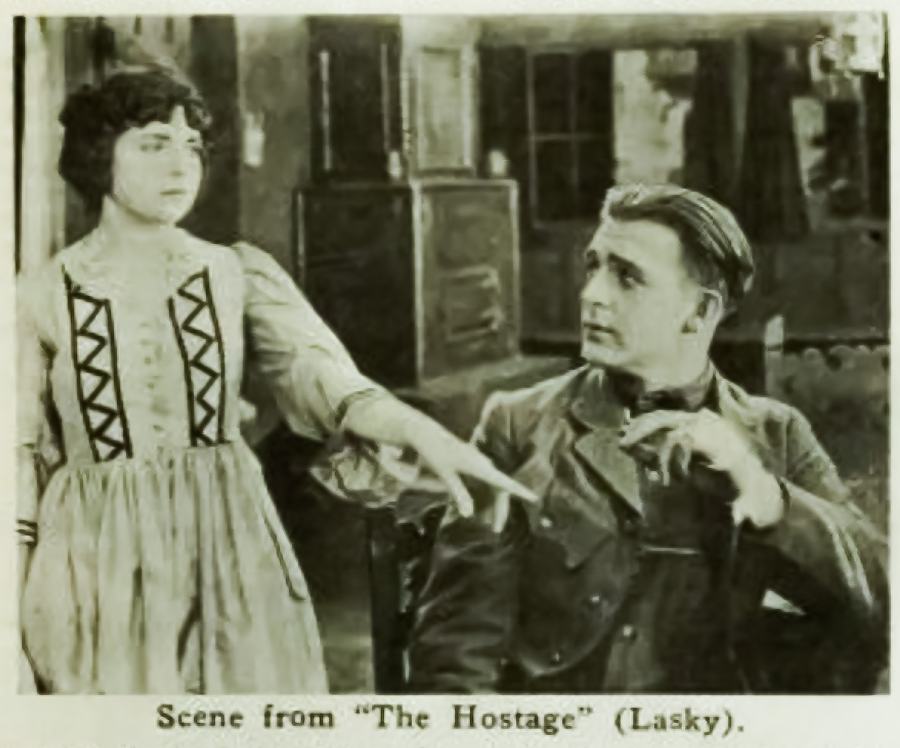
This climax is incredibly potent, serving as a powerful commentary on the arbitrary nature of conflict and the sudden clarity that can emerge when faced with a truly universal danger. It suggests that petty grievances often blind us to larger truths, and that unity, even among sworn enemies, is always possible when survival itself is at stake. The film culminates in a powerful visual of the two formerly warring peoples standing shoulder to shoulder, a testament to the idea that common ground can be found, and peace forged, even in the crucible of war. This theme echoes the message of overcoming divisions, as seen in films like 'Each to His Kind', but elevates it to a grand, societal scale.
The success of 'The Hostage' rests heavily on the shoulders of its cast, who masterfully convey complex emotions without the aid of spoken words. Wallace Reid, as Lieutenant Kemper, delivers a performance of remarkable depth. He skillfully navigates Kemper’s journey from a rigid, duty-bound soldier to a man whose moral compass is recalibrated by love and unexpected kindness. His expressions range from initial disdain and bewilderment to profound affection and inner turmoil, making his ultimate choice feel authentic and deeply personal.
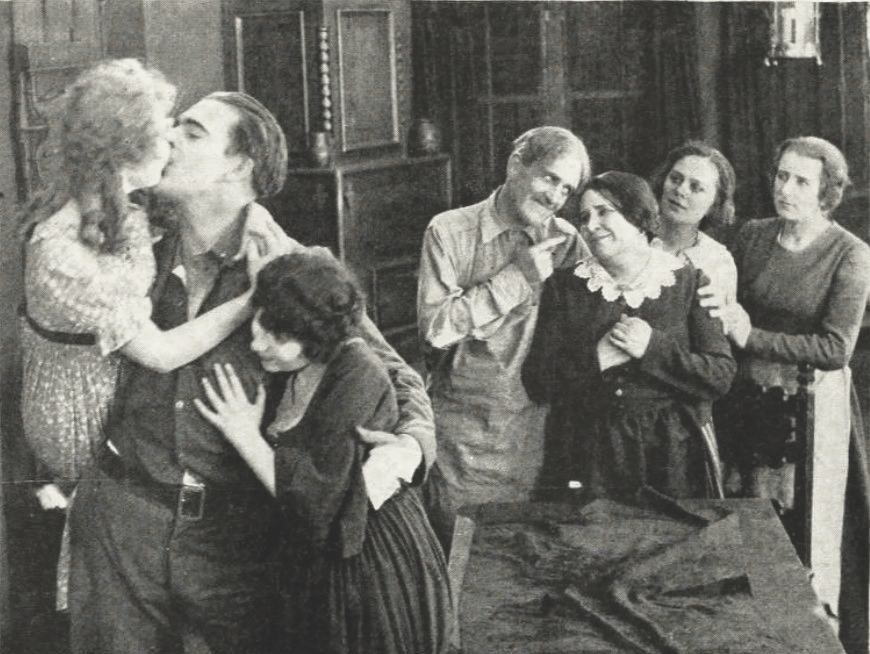
Dorothy Abril's Nathalia is equally captivating. She embodies grace, strength, and a quiet dignity that makes her influence on Kemper entirely believable. Her interactions with Reid are charged with an unspoken chemistry, a testament to their ability to communicate volumes through subtle gestures and lingering gazes. Noah Beery, as Boyadi, brings a commanding yet compassionate presence to the Highlander leader, his performance lending credibility to the unexpected treatment Kemper receives. While Ramon Novarro's specific role isn't detailed in the plot, his presence in the cast suggests another strong, perhaps heroic or influential, Highlander figure, contributing to the overall gravitas and appeal of the ensemble. The supporting cast, including Guy Oliver, Gertrude Short, and Clarence Geldert, all contribute to building a believable and emotionally resonant world, each playing their part in the intricate dance of loyalty and enmity.
Beulah Marie Dix, a prolific and influential screenwriter of the silent era, crafts a narrative that is both thrilling and intellectually stimulating. Her screenplay for 'The Hostage' is not content with simple heroics or villains; instead, it delves into the nuanced shades of human morality. Dix was known for her strong female characters and intricate plots, and here she delivers a story that champions empathy over vengeance, and personal conviction over blind loyalty. Her ability to structure a compelling plot, introduce significant moral quandaries, and bring it to a satisfying, if surprising, resolution is a testament to her skill as a storyteller.
The direction of the film, while not explicitly detailed in the provided information, clearly understands the power of visual storytelling. In an era before synchronized sound, the director's ability to convey the emotional arc through composition, editing, and the actors' powerful expressions was paramount. The stark contrast between the Lowlander and Highlander camps, the quiet moments of connection between Kemper and Nathalia, and the dramatic tension of the climax would have been skillfully orchestrated to maximize impact on the audience, relying on the universal language of cinema.
'The Hostage' is more than just a historical curiosity; its themes resonate powerfully in any age. It challenges the inherent dangers of inherited hatred and the ease with which we demonize 'the other.' The film subtly argues that true honor lies not in unwavering loyalty to one's own faction, but in a broader, more profound commitment to humanity itself. Kemper’s journey is a microcosm of a larger societal ideal: that understanding and empathy can dismantle even the most deeply ingrained prejudices. The ultimate resolution, where a common enemy forces warring factions to unite, serves as a poignant reminder that shared threats can, paradoxically, reveal our shared humanity.
In a world still grappling with tribalism, geopolitical tensions, and the urgent need for collective action against global challenges, the message of 'The Hostage' feels remarkably relevant. It's a cinematic plea for looking beyond superficial differences, for recognizing the common ground that often lies buried beneath layers of historical animosity. Like a timeless fable, it reminds us that redemption and reconciliation are always possible, even when the path seems most arduous.
'The Hostage' is a testament to the enduring power of silent film to tell complex, emotionally rich stories. It’s a film that utilizes its medium to its fullest, leveraging visual narrative and powerful performances to convey a profound message. From its initial premise of bitter conflict to its surprising romantic entanglement and its ultimate call for unity, the film takes its audience on a journey that is both thrilling and intellectually stimulating. It's a reminder that even in the absence of dialogue, the human heart can speak volumes, and that the seeds of peace can blossom in the most unexpected of places.
For enthusiasts of early cinema, and indeed for anyone interested in stories of moral courage and transformative love, 'The Hostage' offers a rich and rewarding experience. It stands as a powerful example of Beulah Marie Dix's talent and the compelling artistry of the silent era, proving that a film from over a century ago can still offer profound insights into the human condition and the perennial quest for peace amidst conflict. It is a film that deserves to be rediscovered, studied, and cherished for its timeless message and its masterful execution.
IMDb 6.2
1933
Community
Log in to comment.