DbcultAccessing Vault...
7.2/10
Senior Film Conservator
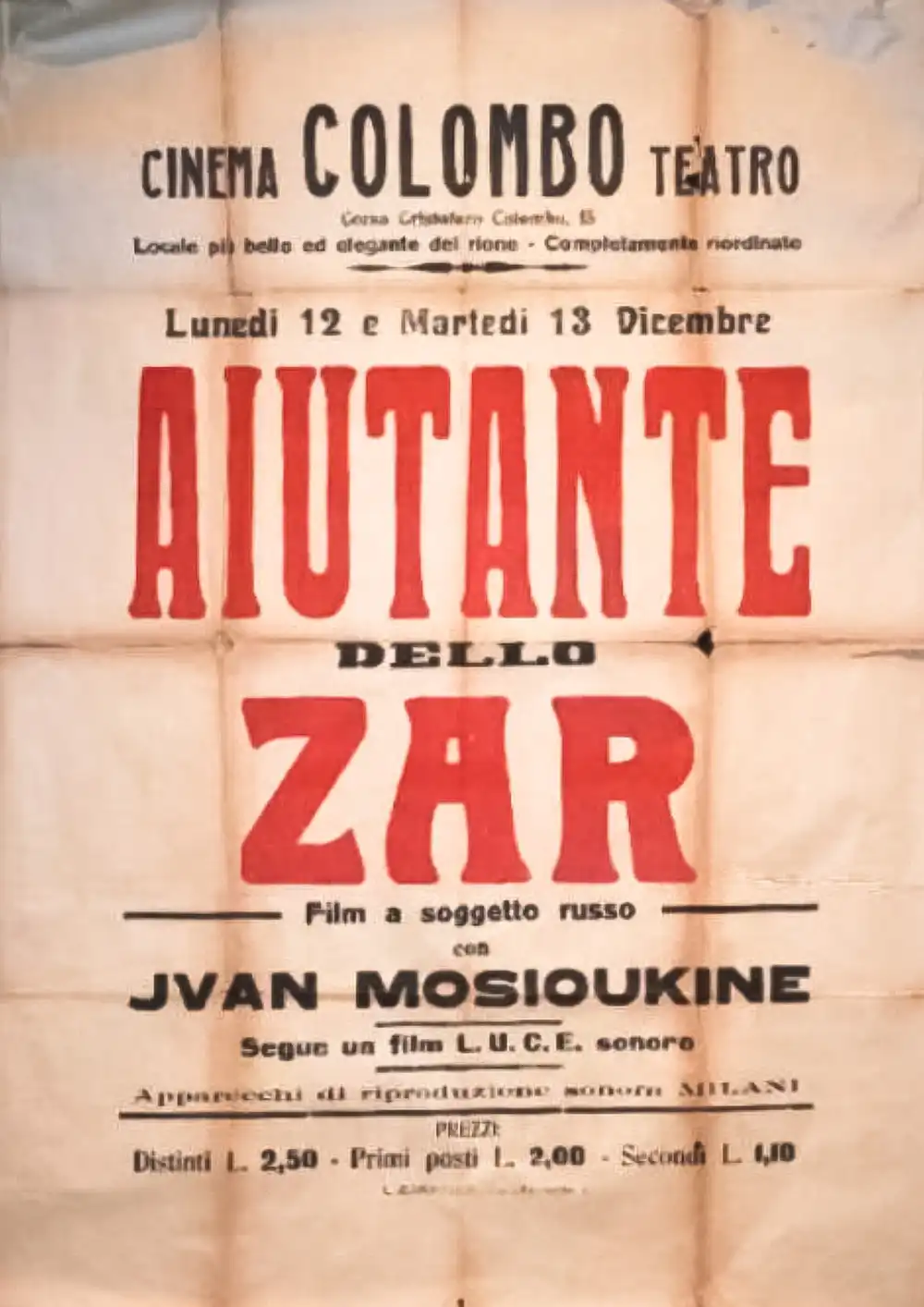
A definitive 7.2/10 rating for a film that redefined the boundaries of cult cinema. Der Adjutant des Zaren remains a cornerstone of transgressive art.
Alright, so, if you’re someone who generally skips anything black and white, let alone *silent*, then yeah, Der Adjutant des Zaren probably isn't for you. It's a slow burn, no big explosions, just a lot of glances and train rumbling. But if you’ve got a soft spot for that era of filmmaking, or just like a quiet, character-driven story, this one actually has some charm. It’s definitely not a loud film, but it *is* observant.
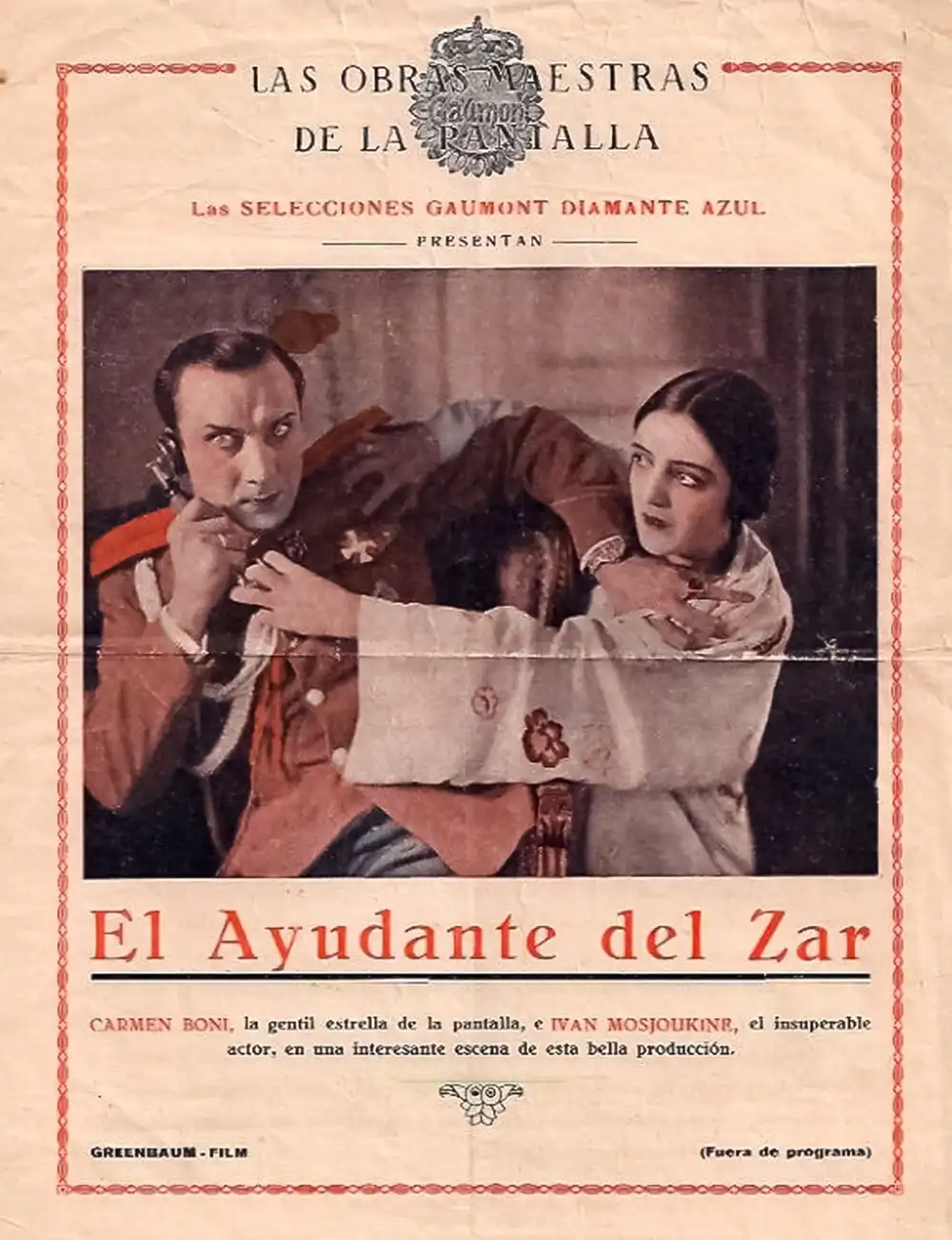
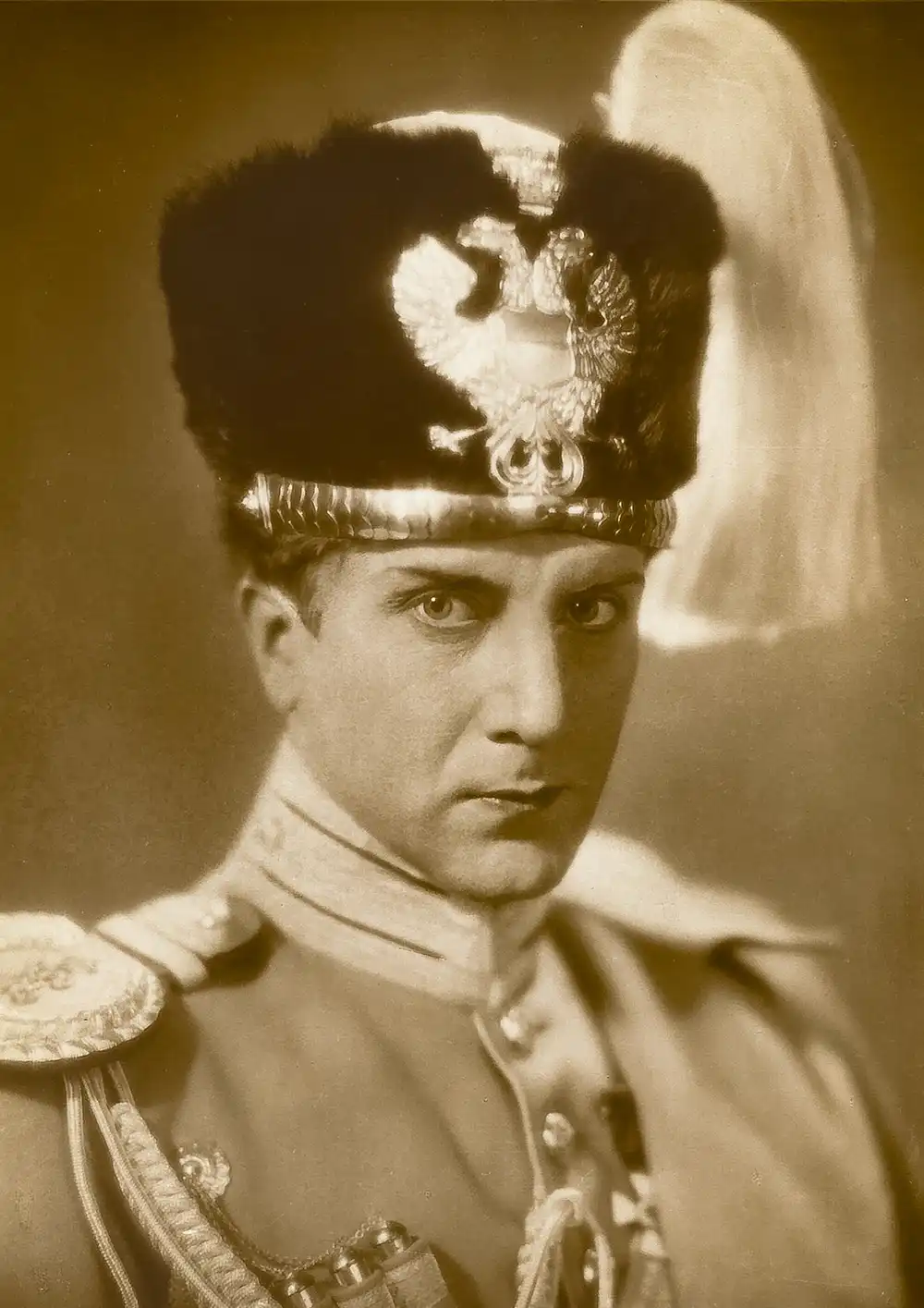
The whole thing kicks off on a train, which, honestly, is a pretty great setting for a silent film. You’ve got the constant motion outside the window, the cramped quarters inside. It forces people together. Here, it’s our Czarist officer, played by Ivan Mozzhukhin, and a young woman (Carmen Boni) who, oh dear, has no passport. This detail is crucial, as you might guess, for adding a bit of friction to their otherwise very polite, very *Russian* encounter.
What really got me was the way they built the tension. Mozzhukhin’s character, the adjutant, is all stiff collars and proper military bearing. But then Boni's character, this young woman, she's got this vulnerability. You see it in her eyes, even through the flickering old film. They share this compartment, and it’s just them, this *unspoken* thing hanging in the air. The train scenes, especially, they just feel so… intimate. The way the light from the window catches their faces as the countryside blurs by. It's kinda lovely, in a melancholy way.
One particular moment sticks with me: there's this scene where she’s asleep, and he’s just watching her. It goes on a beat too long, but it works. You feel his dilemma. Is he supposed to be this rigid officer, or a human being caught up in something? It's all done with just a tilt of the head, a slight shift in his posture. No words needed, which is the whole point of these films, right?
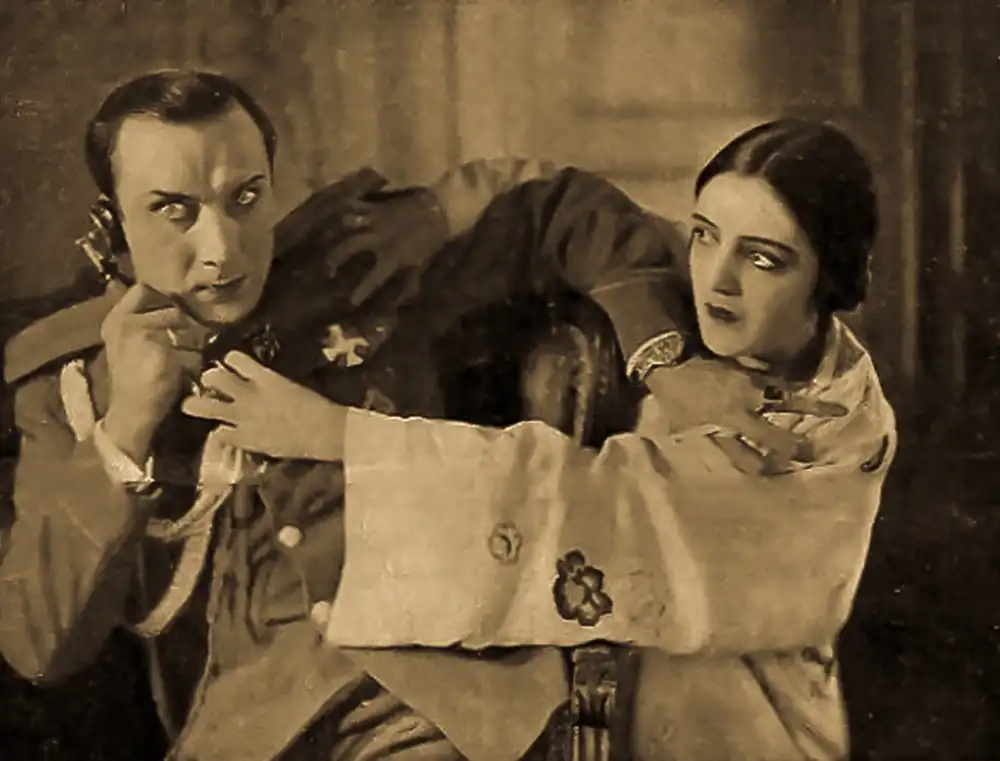
The movie is pretty good at showing, not telling, what’s going on in their heads. The officer's internal struggle, especially with his duty versus his feelings, is painted across his face. You can see the wheels turning. And Boni's character, she’s not just a damsel in distress; there’s a quiet strength there, even when she’s clearly scared.
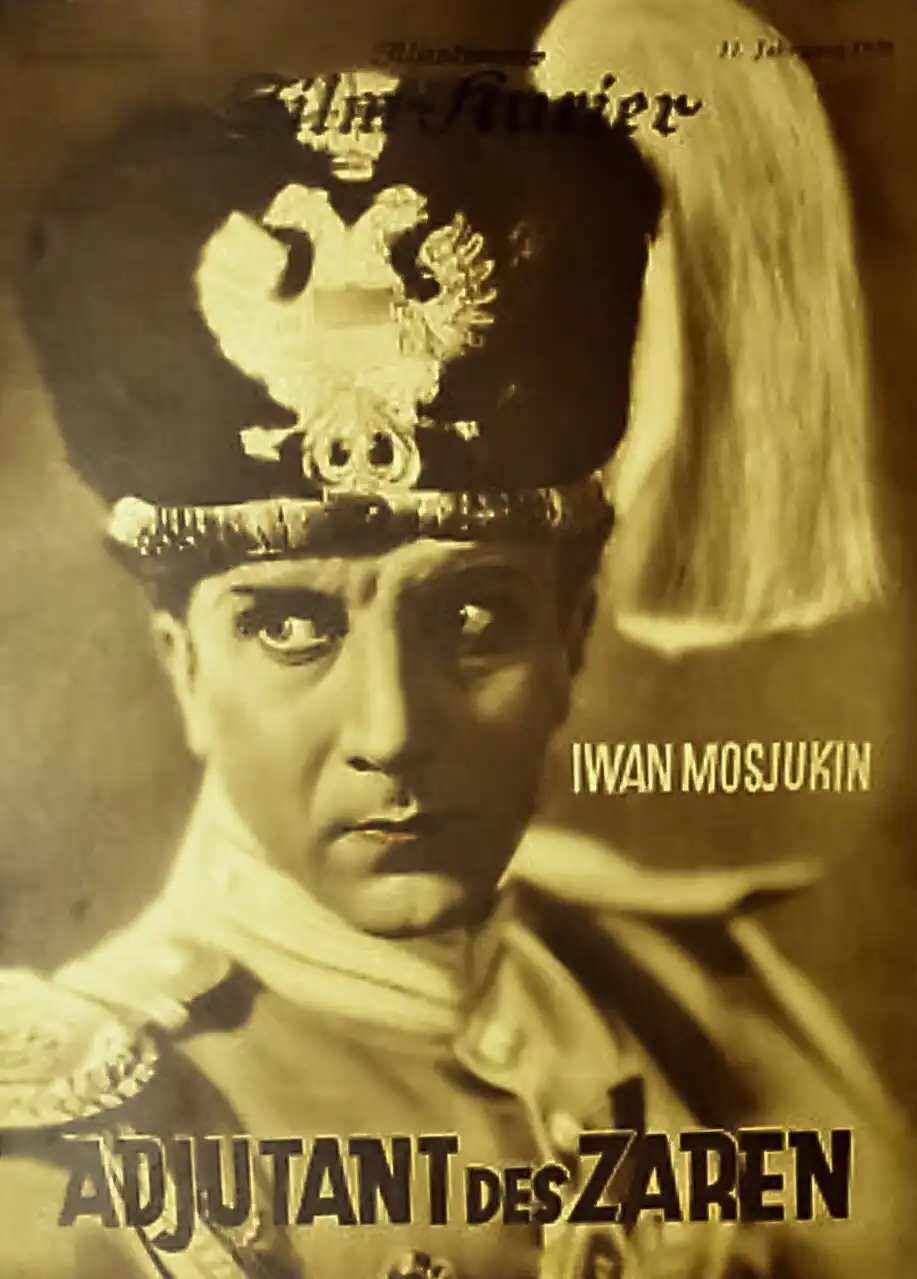
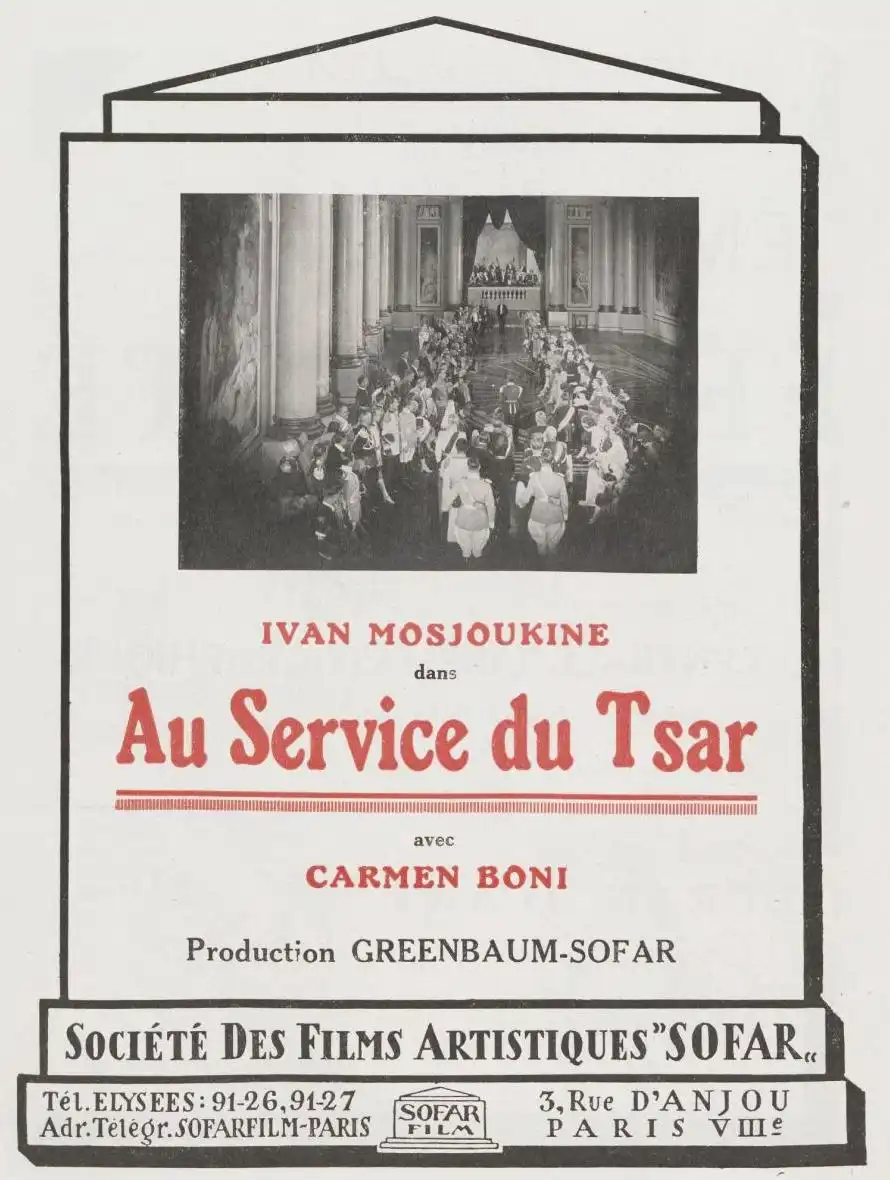
The wider world of Czarist Russia, it’s mostly just suggested. A quick shot of a bustling station, a uniform here or there. It's less about the grand sweep of history and more about how these big systems crush down on two small people. The stakes are personal, not epic. And that's okay. Sometimes a small story feels bigger, you know?
Now, some parts drag a little. There are moments where the plot feels like it’s just marking time until the next significant glance. And the subtitles, for an older print, can be a bit sparse. You have to fill in some of the blanks yourself, which isn't always a bad thing, but it does ask for a bit more effort from the viewer.
The ending, without giving too much away, feels very much of its time. Not a clean, tidy bow, but something a bit more bittersweet. It leaves you thinking about what might happen next, rather than spelling it all out. That’s a strength, I think, for a film like this. It respects your intelligence.
Is it a masterpiece? Probably not. Is it worth tracking down if you enjoy this kind of cinema? Yes, absolutely. It's a quiet, surprisingly affecting little film that sticks with you, especially those moments on the train. A true period piece that isn't afraid to be small.
IMDb 6.3
1928
Community
Log in to comment.